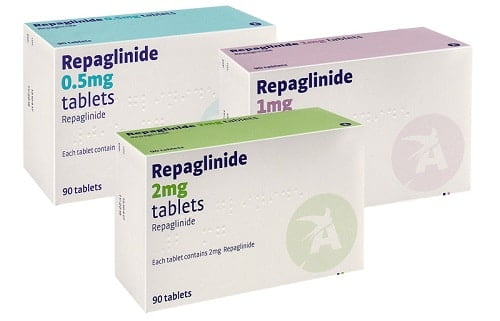
Repaglinide is an oral medication used to help lower blood sugar in adults with type 2 diabetes. It works quickly around meals by prompting the pancreas to release more insulin, which is why meal timing, missed doses, and low blood sugar risk matter. If you are comparing treatment options or reviewing a prescription, the main things to understand are what it is used for, how it is usually taken, and which safety issues deserve closer attention.
Key Takeaways
- It is a short-acting mealtime medicine for adults with type 2 diabetes.
- Its dosing plan is tied to eating patterns, so meal timing matters.
- The main safety concern is hypoglycemia (low blood sugar).
- Interactions, liver disease, and other diabetes drugs can change risk.
- Starting dose and later adjustments are individualized by a prescriber.
What Is Repaglinide and How Does It Work?
This medicine is used in adults with type 2 diabetes when blood sugar needs more control, especially around meals. It belongs to the meglitinide class, a short-acting insulin-release medicine. That makes it different from drugs that mainly work on insulin resistance or liver glucose output. Its role is aimed more at postprandial (after-meal) glucose rises than steady background control alone.
At a higher level, it signals pancreatic beta cells, the insulin-making cells, to release insulin for a short period. You do not need the full biochemistry to use it safely, but you do need to understand the practical result. The medicine works best when food is about to be eaten, and it can lower glucose too far if insulin rises without enough food intake.
In some markets, this medicine has been sold under brand names such as Prandin. It may be used alone or combined with other diabetes medicines when diet, activity, and another regimen are not enough. It is not used for type 1 diabetes or diabetic ketoacidosis. For broader context, the Type 2 Diabetes Hub, Diabetes Hub, and Type 2 Diabetes Topics explain where mealtime medicines fit in overall care.
Why it matters: A medicine tied to meals needs a different routine than a once-daily tablet.
This site supports prescription referrals rather than direct dispensing.
When Is It Used in Type 2 Diabetes Care?
Clinicians may consider this medicine when after-meal glucose control is a problem and a short-acting oral option fits the larger treatment plan. It is not the right choice for everyone. The decision depends on blood sugar patterns, hemoglobin A1C (an average blood sugar marker), meal habits, history of low blood sugar, liver function, and whether other medicines are already part of the regimen.
It may be considered when post-meal spikes stand out more than fasting levels, or when a clinician wants a mealtime oral medicine rather than an all-day background agent. It may be less practical if meals are often skipped or highly unpredictable. A history of frequent hypoglycemia can also shift the discussion, because the balance between benefit and risk changes quickly when eating patterns change.
Care decisions also sit inside a broader cardiometabolic picture. That bigger context can include Metabolic Syndrome, Obesity and Type 2 Diabetes, and Insulin Resistance. If you want a wider educational view of treatment pathways, the Diabetes Category offers broader reading.
Repaglinide can be a reasonable option in some situations, but it does not replace the need to review the full care plan. Metformin is often a common starting point for many adults if appropriate, while other people may be steered toward a different class based on tolerance, comorbidities, or treatment goals. The best fit depends on clinical factors, not just familiarity with a drug name.
How Dosing and Meal Timing Usually Work
Dosing is individualized, but the core principle is simple: it is taken before meals and adjusted over time based on glucose results and tolerability. Prescribers choose a starting dose according to current control and any other diabetes medicines you take. Because the medicine acts quickly, the schedule is closely linked to when you eat.
Patients are commonly instructed to take it within a short window before a meal. Taking it and then delaying food can raise the risk of low blood sugar. Taking it after eating or at random times can also make the response harder to predict. If you are switching from another diabetes medicine, the plan may look different than it would for a first-time prescription.
If A Meal Is Skipped
Because this medicine is linked to meals, a skipped meal often means the dose connected to that meal is skipped as well. The exact instruction should come from your prescription label or clinician. Doubling the next dose can raise low blood sugar risk, so changes should not be improvised.
What Monitoring Often Includes
Monitoring may include home glucose checks, periodic A1C testing, and review of symptoms such as shakiness, sweating, dizziness, or unusual fatigue. A clinician may also review liver history and the rest of your medication list. This is one reason dose changes should be made with clinical guidance, even if one reading is higher or lower than expected on a given day.
Quick tip: Bring a log of meal times, glucose readings, and symptoms to follow-up visits.
Prescriber details may be verified when local rules require it.
Side Effects, Warnings, and Who Needs Extra Caution
The most important repaglinide side effect is hypoglycemia (low blood sugar). Symptoms can include sweating, shakiness, hunger, headache, fast heartbeat, blurred vision, irritability, and confusion. Risk may increase if you eat less than usual, take certain other diabetes medicines, drink alcohol without food, or have changes in routine that affect glucose levels.
Other side effects reported with this medicine can include headache, nausea, diarrhea, or upper respiratory symptoms. Some people notice only mild effects. Even so, persistent symptoms, repeated low readings, or a pattern of feeling unwell after doses deserves review, because mild problems can point to a dosing or timing issue.
Risk is not just about the drug itself. Stomach illness, reduced appetite, harder-than-usual exercise, missed meals, and added glucose-lowering medicines can all shift the balance. That is why a side-effect review should include your routine, not just the prescription list.
When Symptoms Are More Serious
Urgent medical attention is warranted for severe confusion, loss of consciousness, seizure, trouble breathing, or signs of a severe allergic reaction. Severe low blood sugar is not the most common outcome, but it is the main safety issue patients are usually taught to recognize early.
Who May Need Closer Review
Extra caution may be needed in older adults, people with liver disease, and anyone taking insulin or another medicine that can also lower glucose. Pregnancy and breastfeeding require individualized review because the broader treatment plan may change. This medicine should not be used for type 1 diabetes or diabetic ketoacidosis, and it is generally avoided with certain interacting drugs.
If safety is your main concern, it helps to compare the full treatment landscape rather than focusing on one tablet in isolation. The Diabetes Medications category can help you browse the wider range of therapies used in diabetes care.
Important Interactions and How It Compares With Other Medicines
Several interactions can raise repaglinide levels or change blood sugar risk, so a full medication review matters. The best-known example is gemfibrozil, a cholesterol medicine that can substantially increase exposure to this drug and raise hypoglycemia risk. Other important interactions may involve clopidogrel, cyclosporine, certain antifungals, some antibiotics, and other glucose-lowering medicines.
- Gemfibrozil: generally avoided because levels can rise too much.
- Other diabetes drugs: may increase low blood sugar risk.
- Beta-blockers: may hide a fast heartbeat warning sign.
- Some antibiotics or antifungals: can alter drug metabolism.
- Alcohol and irregular meals: can make low glucose more likely.
Comparison also helps. Metformin mainly lowers glucose by reducing liver glucose output and improving insulin sensitivity. Repaglinide mainly boosts insulin release around meals. GLP-1 receptor agonists work through a different hormone pathway and have their own dosing patterns and cautions. For examples of those classes, see Semaglutide Uses and Dosage, Trulicity Uses, and the Liraglutide vs Semaglutide comparison.
| Medication type | Main role | Typical timing | Common issue to discuss |
|---|---|---|---|
| Repaglinide | Boosts insulin release around meals | Before meals | Low blood sugar if eating patterns change |
| Metformin | Reduces liver glucose output and supports insulin sensitivity | Regular daily schedule | Digestive effects and kidney review |
| GLP-1 receptor agonists | Support glucose control through incretin pathways | Daily or weekly, depending on product | Nausea and product-specific cautions |
No single class is best for every person. The practical question is which trade-offs fit the glucose pattern, other medical conditions, and daily routine. That is why a medication comparison should include meal timing, low blood sugar history, other prescriptions, and what kind of follow-up monitoring is realistic.
Practical Questions to Bring to a Visit
Before starting or reviewing this medicine, practical questions often matter more than a long list of drug facts. Bring up your meal schedule, work routine, history of low blood sugar, and every prescription and supplement you take. That helps a clinician decide whether a mealtime medicine fits your day-to-day life.
- Meal timing plan: what counts as a missed meal?
- Low sugar response: which symptoms need urgent care?
- Monitoring schedule: when should glucose or A1C be checked?
- Drug review: are any current medicines a concern?
- Sick days: what happens if you are eating less?
- Follow-up plan: when will the regimen be reassessed?
It also helps to bring recent glucose readings, a list of supplements, and notes on any symptoms that seem linked to meals. Small details can change a dosing plan. A visit is more useful when it starts with concrete patterns rather than guesswork.
Licensed outside pharmacies handle dispensing where regulations allow.
Authoritative Sources
This mealtime oral option can help some adults with type 2 diabetes, but its usefulness depends on timing, interaction review, and a clear plan for recognizing low blood sugar. Understanding how it works, where it fits, and what to watch for makes treatment discussions more focused.
This content is for informational purposes only and is not a substitute for professional medical advice.