
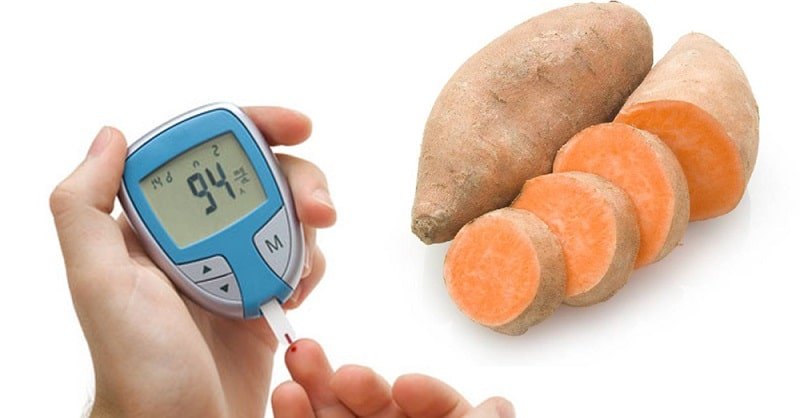
Yes, many people with diabetes can eat sweet potatoes. The main issues are portion size, cooking method, and what else is on the plate. In everyday terms, sweet potatoes and diabetes can fit together when the meal is built to slow digestion and limit sharp after-meal glucose rises. A boiled serving paired with protein, healthy fat, and nonstarchy vegetables often behaves differently than a large baked potato eaten alone. That matters because the same food can have a very different blood sugar effect depending on preparation and context.
Sweet potatoes are not a free food, and they are not a cure. They still contain carbohydrate, so they can raise blood sugar. But they also provide fiber and nutrients, and many people find them easier to portion than fries, chips, or dessert-style starches. If you are trying to understand where they fit, it helps to think in terms of glycemic index, glycemic load, meal balance, and your own usual glucose pattern.
CanadianInsulin.com works as a prescription referral platform.
Key Takeaways
- Sweet potatoes can fit into a diabetes meal plan, but portions still matter.
- Boiled pieces often affect glucose less than large baked or mashed servings.
- Pairing them with protein, fat, and fiber may blunt the after-meal rise.
- Color matters less than cooking method, size, and toppings.
- No single food fixes or causes diabetes control by itself.
Sweet Potatoes and Diabetes: What Shapes the Glucose Response
Sweet potatoes raise blood sugar because they contain starch, but the rise is not fixed. Their effect depends on how much you eat, how they are cooked, and whether the meal also includes protein, fat, and fiber. Many people ask whether sweet potatoes are good for diabetes. A better answer is that they can be a reasonable carbohydrate choice when they are prepared simply and portioned with the rest of the meal in mind.
GI and GL in plain language
Glycemic index or GI estimates how quickly a carbohydrate food may raise blood glucose when eaten alone. Glycemic load or GL adds the amount of carbohydrate in a usual serving. That distinction matters because a small serving of a higher-GI food may affect you less than a very large serving of a moderate-GI food. In real life, glucose response is also shaped by toppings, side dishes, physical activity, and the timing of medication.
Sweet potatoes also supply fiber and micronutrients such as beta-carotene in orange varieties. Those features may make them a more useful choice than some refined starches in certain meals. But nutrient density does not cancel carbohydrate. There is no single fruit or vegetable that lowers blood sugar on its own, and there is no one food that explains diabetes control by itself. If you want broader background on food patterns and monitoring, browse Diabetes Articles or the Diabetes Hub.
Why Cooking Method Can Change Glycemic Impact
Cooking method can change how quickly sweet potato starch is digested. In general, boiled pieces tend to produce a gentler response than dry-baked, heavily softened, or mashed versions. That does not mean boiling makes sweet potatoes low impact for everyone. It means the structure of the food matters.
Long dry heat can make starch more available for digestion. Mashing or pureeing increases surface area, which may speed absorption. Frying adds fat and often extra calories, but it does not make the carbohydrate disappear. Sweet toppings can raise the total carbohydrate load even more. Research on sweet potatoes often reports lower GI patterns for boiled preparations than for baked ones, but the exact numbers vary by variety and test method. If you are sorting through diet questions alongside Type 2 Diabetes Articles or the Type 2 Diabetes Hub, this is one of the most practical points to remember.
| Preparation | Usual Glucose Pattern | Why It May Differ |
|---|---|---|
| Boiled chunks | Often lower or moderate | More water and less breakdown can slow digestion. |
| Baked whole | Often higher | Dry heat may make starch easier to absorb. |
| Mashed or pureed | Can be higher | Smaller particles are usually digested faster. |
| Fried or chip-style | Variable and easy to overeat | Added fat changes the meal, but portions still matter. |
Cooling cooked sweet potato may increase resistant starch, a type of starch that resists full digestion, but the effect varies. It should not be treated as a guaranteed way to prevent a glucose rise, especially if the serving is large or the dish includes sweet add-ins.
Why it matters: A nutritious food can still raise glucose if the serving or preparation changes.
Portion Size, Carbs, and What You Eat With It
Portion size is often the biggest driver of sweet potato blood sugar impact. A very large sweet potato can carry much more carbohydrate than a smaller one, and labels or online estimates may not match the actual size on your plate. A practical way to think about sweet potatoes and diabetes is to count them as a starchy carbohydrate, not as a free vegetable.
The same potato can range from a modest side to several starch servings. Restaurant portions, sweet potato fries, and holiday casseroles are common places where the carbohydrate load grows quickly. Even a nutrient-dense food can become a glucose challenge when it is oversized. Protein, fat, and fiber may slow the rise, but they do not make an unlimited portion neutral.
Meal pairing matters too. Adding protein, healthy fat, and nonstarchy vegetables may slow the postprandial or after-meal rise. That is one reason a measured serving with chicken, tofu, fish, beans, salad, or cooked greens often behaves differently than a sweet potato casserole or a side of fries. Sweet sauces, honey, brown sugar, and marshmallow toppings can shift the meal from moderate to high carbohydrate very quickly.
Diet works alongside medication, not instead of it. People taking Metformin or reading about combination therapy in Janumet Uses still need to think about carbohydrate distribution across the day. If you are comparing older and newer oral options, Glyburide Vs Metformin adds broader treatment context.
If you already use a glucose meter or continuous glucose monitor, compare similar meals instead of isolated foods. For example, note the pattern from a modest serving of boiled cubes on a day when the rest of the meal stays consistent, then compare that with a baked or mashed version later. That kind of pattern spotting is usually more helpful than chasing a single number.
Quick tip: Keep the rest of the meal similar when you compare different sweet potato preparations.
Sweet Potato Vs White Potato: Differences That Matter
Sweet potatoes are not automatically low glycemic, and white potatoes are not automatically off-limits. The real comparison depends on the variety, the portion, and the preparation. A boiled sweet potato may lead to a gentler rise than fries or a large serving of mashed white potatoes. But a huge baked sweet potato with sugary toppings can raise blood sugar more than a smaller plain white potato.
Sweet potatoes often bring more fiber and different micronutrients than some white potato preparations, which can make them a helpful choice in balanced meals. Even so, the gap is often overstated. Blood sugar response usually changes more with cooking method and serving size than with color alone.
Purple and orange sweet potatoes may differ in pigments and flavor, but color is not a reliable shortcut for glucose control. The best choice is usually the version you can portion consistently and pair with the rest of your meal pattern.
Dispensing is handled by licensed third-party pharmacies where permitted.
Can You Eat Sweet Potatoes Every Day?
Some people can eat sweet potatoes regularly, but every day is not automatically the best pattern for everyone. When people ask about sweet potatoes and diabetes, the better question is whether this food fits their full eating pattern, medication plan, and glucose response. A food you tolerate well in one setting may work less well when portion sizes creep up or the rest of the meal changes.
Routine can help, but variety matters. If the same starchy side shows up daily, it is easy to lose track of portions and toppings. Rotating with beans, lentils, intact grains, or other starches can make meal planning more flexible. In gestational diabetes, glucose targets are often tighter, so individualized meal planning matters more. In chronic kidney disease, potassium limits may also affect how often sweet potatoes fit.
That is one reason to consider the rest of your diabetes care plan as well. People using agents such as Repaglinide or browsing other Diabetes Medications may need a more consistent approach to carbohydrate-containing meals.
A simple meal-building checklist
- Choose a modest serving and keep it consistent.
- Prefer boiled or roasted pieces over sugary casseroles.
- Leave the skin on when practical for extra fiber.
- Add protein or legumes to slow the meal down.
- Fill the rest of the plate with nonstarchy vegetables.
- Notice how sauces and sweet toppings change the total carbohydrate.
When to Get More Individualized Advice
You do not need special permission to include sweet potatoes, but some situations call for more tailored guidance. Repeatedly high after-meal readings, unexplained lows, pregnancy, advanced kidney disease, recent weight change, or gastrointestinal surgery can all change how a starchy food fits your plan. The same is true when medication timing and meal timing need to line up more closely.
A registered dietitian or diabetes educator can help translate one food into your usual plate pattern, monitoring approach, and medication schedule. That is often more useful than asking whether sweet potatoes are universally good or bad. The more practical question is which amount and preparation fit your own routine most consistently.
Putting Sweet Potatoes Into a Real Meal
Sweet potatoes usually fit best as one part of a balanced meal, not the center of a large carbohydrate-heavy plate. That may mean using them in cubes, wedges, or slices instead of treating a very large potato as the whole side dish. The goal is not to avoid them. The goal is to make their blood sugar effect more predictable.
Example: A modest serving of roasted sweet potato with salmon and green beans may be easier to fit into a balanced plate than a restaurant-sized baked sweet potato with butter and sugar.
Example: Diced sweet potato in a bean and vegetable bowl can work better than a sweet potato alone, because fiber and protein from the rest of the meal may slow the rise.
Example: A breakfast hash with eggs, peppers, and a measured amount of sweet potato may be easier to judge than sweet potato pancakes or sweetened baked goods made with sweet potato puree.
If you are unsure where to start, keep the preparation simple and the portion repeatable. Then look at the bigger pattern. Weight, activity, sleep, stress, and medication timing can all influence after-meal numbers, so a single food rarely tells the whole story.
Authoritative Sources
These references offer reliable background on diabetes meal planning and on how cooking method can affect sweet potato glycemic response.
- NIDDK overview of diabetes eating and physical activity
- CDC guidance on healthy eating with diabetes
- USDA research on sweet potato glycemic effects by cooking method
For most people, sweet potatoes and diabetes are compatible when the food is portioned thoughtfully, cooked with glucose response in mind, and placed in the context of the whole meal. Further reading in the site’s hubs can help if you are also sorting through broader diabetes nutrition or treatment questions.
This content is for informational purposes only and is not a substitute for professional medical advice.


