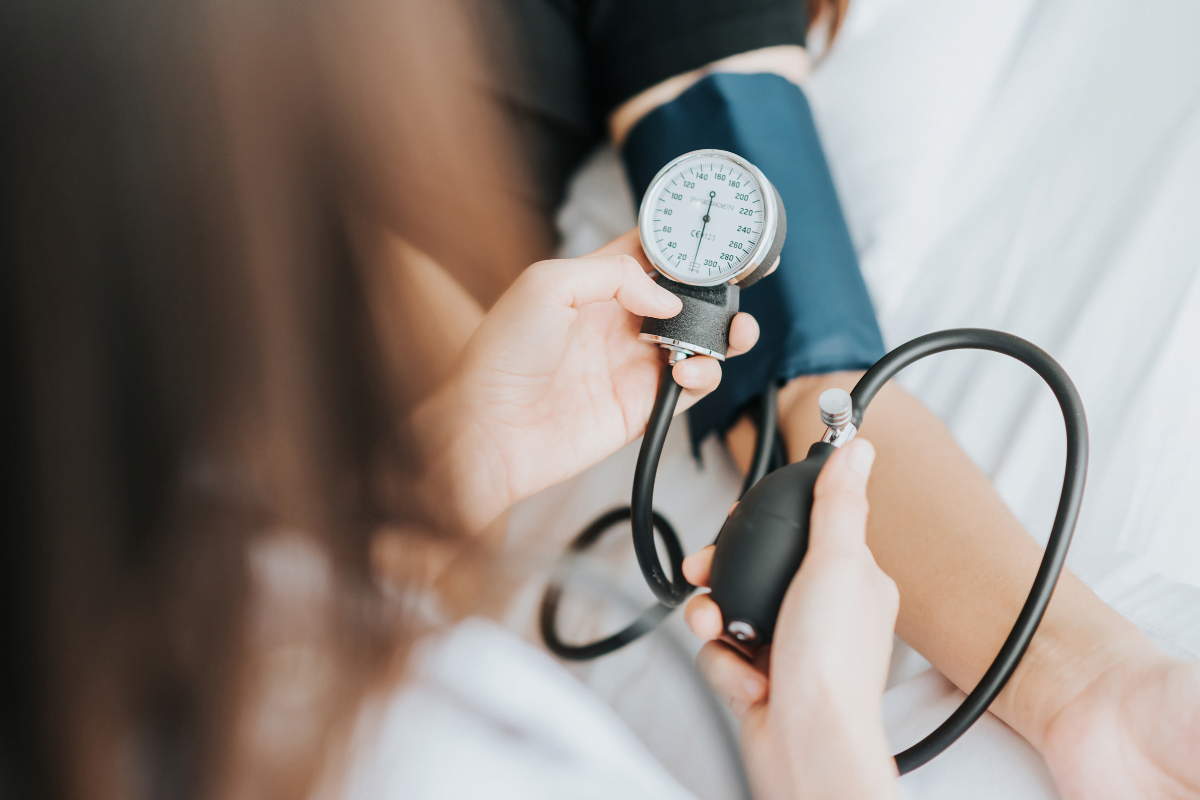
Wegovy and blood pressure are connected in a clinically important but not simple way. In some people, blood pressure improves as weight and cardiometabolic risk change. In others, symptoms such as dizziness, dehydration, or a faster resting pulse need attention. Wegovy is not usually viewed as a blood pressure drug, and it should not replace prescribed heart or hypertension care.
Wegovy is semaglutide, a GLP-1 receptor agonist (a medicine that mimics a gut hormone signal). It is used for chronic weight management in eligible adults and some adolescents. It also has an FDA-approved cardiovascular risk-reduction indication for certain adults with established cardiovascular disease and overweight or obesity. That benefit is important, but it does not remove the need for monitoring.
Key Takeaways
- Blood pressure may improve, but responses vary between individuals.
- Wegovy can increase resting heart rate in some people.
- Blood clots are not a typical labeled side effect, but clot symptoms need urgent care.
- Blood pressure medicines should not be changed without prescriber guidance.
- Vomiting, diarrhea, low intake, and dehydration can make dizziness more likely.
How Wegovy May Affect Blood Pressure
The short answer is that Wegovy may lower blood pressure for some people, but the response is individual. The effect is usually considered part of a broader cardiometabolic change, not a stand-alone treatment for hypertension. The safest way to think about Wegovy and blood pressure is as a monitoring issue, especially if you already use antihypertensive medication.
Clinical studies of semaglutide have reported average reductions in blood pressure, especially systolic pressure, which is the top number. Average results do not predict one person’s readings. Your baseline pressure, weight change, salt intake, alcohol intake, sleep apnea, kidney function, activity level, and other medications can all affect the numbers.
Why readings may improve
Several pathways may contribute. Weight reduction can reduce the workload on blood vessels. Smaller meals may change sodium and alcohol patterns for some people. Improved glucose regulation and changes in inflammatory signals may also play a role, although these mechanisms are still being studied.
If you have high blood pressure, improvement can be encouraging. It is still unsafe to lower, skip, or stop blood pressure medicine without your prescriber. A reading that looks good one week may change with illness, dehydration, pain, stress, or a missed dose of another medicine.
For broader context on GLP-1 medicines, GLP-1 Weight Loss Drugs explains how this drug class fits into weight management choices.
Heart Rate, Palpitations, and Rhythm Concerns
Wegovy can increase resting heart rate in some people. A small increase may not cause symptoms, but a racing, pounding, or irregular heartbeat should be taken seriously if it persists or feels unusual for you.
Heart palpitations are not the same as a diagnosed arrhythmia (an abnormal heart rhythm). Palpitations can come from dehydration, caffeine, anxiety, thyroid disease, low blood sugar, anemia, and many medicines. They can also reflect a heart rhythm problem, especially in people with a prior arrhythmia, heart failure, or structural heart disease.
Why it matters: A faster pulse plus dizziness or chest symptoms needs timely medical review.
Keep a note of when symptoms happen, your pulse if you can measure it safely, and any missed meals or vomiting. People taking insulin or medicines that can lower glucose should ask their clinician how to handle reduced food intake, because low glucose can also cause shakiness or a pounding heartbeat.
For a medication-wide safety orientation, Semaglutide Weight Loss Medication covers expectations and risk questions beyond heart symptoms.
Blood Clots and Cardiovascular Risk Are Different Issues
Blood clot concerns need careful wording. Wegovy is not known as a medicine that commonly causes venous blood clots, such as deep vein thrombosis or pulmonary embolism. At the same time, it is not a clot treatment, and it cannot remove the background clot risks linked to obesity, immobility, surgery, smoking, cancer, estrogen therapy, or a prior clot.
A heart attack or ischemic stroke often involves a clot in an artery. That is different from a venous clot in the leg or lung. Wegovy now has an FDA-approved indication to reduce the risk of major adverse cardiovascular events (heart-related death, nonfatal heart attack, or nonfatal stroke) in certain adults with established cardiovascular disease and overweight or obesity.
This does not mean every person taking Wegovy has the same benefit. It also does not mean chest pain, stroke symptoms, or shortness of breath can be watched at home. For a narrower discussion of the cardiovascular indication, see Wegovy Cardiovascular Benefits.
Low Blood Pressure, Dehydration, and BP Medicines
Low blood pressure is usually a context problem, not the main expected effect. It can happen when several factors stack together, such as improved pressure readings, blood pressure medication, reduced food intake, vomiting, diarrhea, or diuretic use. Orthostatic hypotension (a blood pressure drop when standing) may cause lightheadedness or near-fainting.
For people taking blood pressure medicine, Wegovy and blood pressure monitoring should be discussed before and during treatment. Your clinician may ask for home readings, pulse readings, symptom notes, and a current medication list. The goal is to spot patterns, not react to one isolated number.
Digestive side effects matter because fluid loss can affect blood pressure and kidney function. If nausea, vomiting, or diarrhea becomes persistent, review Wegovy GI Side Effects and contact your healthcare professional for individualized guidance.
Averaging several home readings can be more useful than relying on one high or low value. This calculator helps you calculate a simple average from multiple blood pressure readings; it does not interpret results or replace clinical guidance.
Blood Pressure Average Calculator
Average home blood pressure readings and show a simple screening range.
These calculations are for education only and do not replace clinical advice, diagnosis, or treatment. Always confirm medical decisions with a qualified healthcare professional.
Quick tip: Use the same arm, cuff position, and resting period when tracking home readings.
Warning Signs That Should Not Wait
Most blood pressure or pulse changes do not mean an emergency. Some symptoms should be treated as urgent because they may signal heart, stroke, clot, dehydration, or severe allergic problems.
- Chest pressure or pain, especially with sweating, nausea, or pain spreading to the arm, jaw, back, or shoulder.
- Stroke-like symptoms, including face drooping, arm weakness, speech trouble, sudden vision change, or severe sudden headache.
- Possible clot symptoms, such as one-sided leg swelling, calf pain, warmth, redness, sudden shortness of breath, or coughing blood.
- Fainting, confusion, inability to keep fluids down, or very little urination.
- A racing or irregular heartbeat that lasts, worsens, or comes with dizziness, chest discomfort, or breathlessness.
- New breathlessness when lying flat, ankle swelling, unusual fatigue, or rapid fluid-weight change, especially if you have heart disease.
This list cannot diagnose the cause. It helps you decide when symptoms should not wait for a routine appointment. Emergency evaluation is appropriate for chest pain, stroke symptoms, fainting with injury, or sudden severe shortness of breath.
Who May Need Closer Heart and Blood Pressure Review
People with heart and blood pressure concerns do not all need the same plan. A closer review is especially important if you have established cardiovascular disease, a previous stroke, heart failure, a rhythm disorder, kidney disease, a history of blood clots, repeated fainting, or large swings in blood pressure.
Tell your clinician about all prescription medicines, over-the-counter products, and supplements. This includes diuretics, beta blockers, ACE inhibitors, ARBs, calcium channel blockers, nitrates, stimulants, diabetes medicines, and medicines that affect appetite or fluid balance. The interaction question is often about your whole regimen, not Wegovy alone.
Some people stop or pause Wegovy because of persistent nausea, vomiting, abdominal pain, gallbladder concerns, pregnancy planning, or access barriers. A heart symptom is another reason to check in. Stopping without a plan can affect appetite, weight trajectory, glucose patterns, and other medicines.
Severe upper abdominal pain, pain that spreads to the back, fever, yellowing skin, or persistent vomiting should be reviewed promptly. Related safety discussions include Wegovy Pancreatitis and Wegovy Gallbladder Health.
A Practical Monitoring Plan to Discuss
A written Wegovy and blood pressure log can make appointments more useful. Include the date, time, blood pressure, heart rate, position, symptoms, missed meals, vomiting or diarrhea, exercise, alcohol intake, and any medication changes made by your prescriber.
Bring your cuff, if possible, so the technique can be checked. Home devices can read high or low if the cuff is too small, placed over clothing, or used right after activity. If your readings conflict with clinic readings, ask how your care team wants you to compare them.
Before treatment starts, ask what symptoms should prompt a call, whether any blood pressure medicine needs closer review, and how to handle poor oral intake. If you already have cardiovascular disease, ask how Wegovy fits with cholesterol treatment, smoking cessation, sleep apnea care, activity plans, and heart follow-up.
For people comparing options in the same therapeutic area, the Weight Management category organizes related educational content. The Wegovy product page can also help identify the medication page for access context, but clinical decisions should come from your healthcare professional.
For access questions, CanadianInsulin.com functions as a prescription referral platform. That role is separate from diagnosing heart symptoms, selecting therapy, or changing blood pressure medicines.
Authoritative Sources
The following sources support key points about labeling, cardiovascular indication, and blood pressure evidence.
- The FDA cardiovascular risk reduction approval notice summarizes the cardiovascular indication for Wegovy.
- The Wegovy prescribing information from Novo Nordisk lists warnings, heart rate information, and labeled safety details.
- A peer-reviewed semaglutide blood pressure analysis reviews blood pressure findings across semaglutide trials.
Wegovy can be part of heart-risk management for selected adults, but it does not make blood pressure, clot symptoms, or palpitations self-explanatory. Use patterns, symptoms, and medication context to guide the discussion with your care team.
This content is for informational purposes only and is not a substitute for professional medical advice.