
A valid prescription is required for this medication.
Compare prices. See your savings.
 US comparison
 Canadian comparison
Buy Brilinta 90 mg Online
Rx Prescription required Fast, secure shipping
About Brilinta
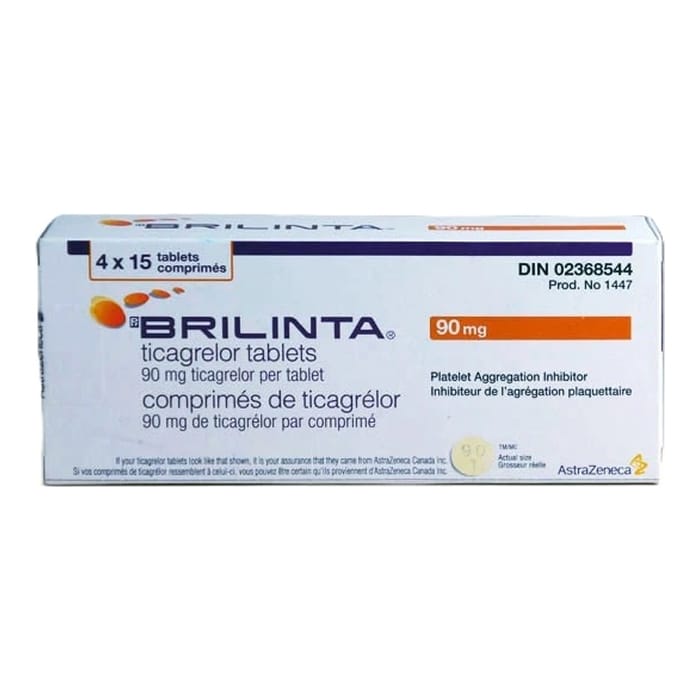
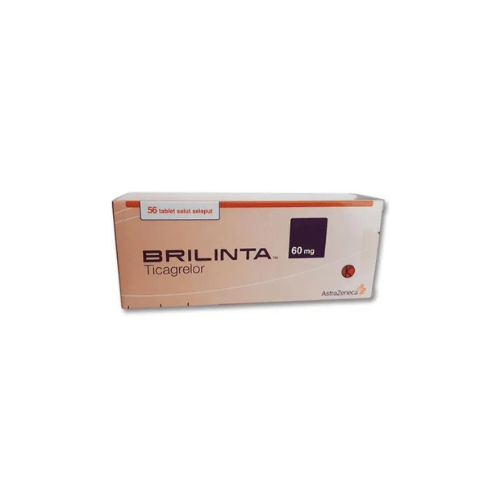
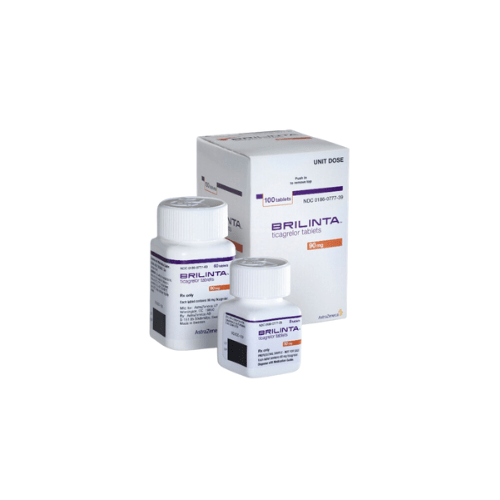
Brilinta is a ticagrelor tablet used as an antiplatelet medicine for certain cardiovascular conditions. You can buy Brilinta online, view current Brilinta price details, and choose the tablet strength shown during ordering that matches your clinician’s directions. Brilinta 90 mg and Brilinta 60 mg are different strengths, so the strength, quantity, and active ingredient should match the treatment plan you were given.
Ticagrelor helps reduce platelet activity, which can lower the chance that platelets will clump together and form harmful clots. Because the medicine affects bleeding risk, the right strength and safe use instructions matter as much as the listed cost. Keep your current medication list nearby when ordering, especially if you take aspirin, anticoagulants, NSAIDs, or other heart medicines.
Brilinta 90 mg Price and Tablet Strengths
Brilinta price can vary by tablet strength, quantity, brand or generic wording, and the purchase route used at checkout. The total shown for Brilinta 90 mg should be read together with the tablet count, because a larger quantity changes the final amount even when the strength stays the same. If you are reviewing Brilinta cost without insurance, focus on the exact strength and number of tablets rather than a general average.
Brilinta 90 mg price may differ from Brilinta 60 mg price because the tablets contain different amounts of ticagrelor. These strengths are not simple package-size differences. A clinician may choose one strength or another based on the condition being treated, time since a heart event, procedure history, and bleeding risk.
Quick tip: Match the strength written in your medication instructions to the strength chosen during checkout.
| What to review | Why it matters |
|---|---|
| Tablet strength | Brilinta 90 mg and Brilinta 60 mg may be used in different treatment stages. |
| Quantity | The number of tablets affects the total and refill planning. |
| Active ingredient | Ticagrelor tablets refer to the same active ingredient used in Brilinta. |
| Medication directions | The tablet strength should match the clinician-directed regimen. |
A lower displayed total does not necessarily mean the best choice if the strength or quantity does not match your directions. Do not choose a different strength to reduce cost or stretch supply. If the medication instructions are unclear, contact the clinician managing your antiplatelet therapy before completing the order.
How to Order Brilinta Online
To order Brilinta online, choose the tablet strength and quantity that align with your current treatment instructions. Enter patient and order information carefully so the medication, name, strength, and quantity are consistent. US delivery from Canada may be part of the service context, but the same medication checks still apply before payment.
Plan refills early because antiplatelet therapy is often used after serious cardiovascular events or procedures. Running out can create avoidable risk, especially if Brilinta was started after a heart attack, acute coronary syndrome, stent placement, or selected stroke-related event. Keep enough time for order processing and delivery rather than waiting until only a few tablets remain.
- Choose the exact strength: confirm 90 mg or 60 mg against your directions.
- Review the quantity: base comparisons on total tablets, not the product name alone.
- Use the same active ingredient: Brilinta contains ticagrelor.
- List important medicines: include aspirin, blood thinners, NSAIDs, and supplements.
- Plan ahead: avoid gaps in therapy unless a clinician tells you to stop.
Do not stop Brilinta suddenly unless a healthcare professional instructs you to do so. Stopping antiplatelet treatment too early can increase the risk of clot-related events in some people. If surgery, dental work, bleeding, or a new diagnosis occurs, ask for medical guidance before changing how you take it.
What Brilinta Tablets Are Used For
Brilinta, also known as ticagrelor, is an antiplatelet medicine. Antiplatelet means it helps prevent platelets, a type of blood cell, from sticking together. This effect can help reduce the risk of serious clot-related outcomes in people with certain heart or blood-vessel conditions.
Brilinta is commonly used with low-dose aspirin for adults with acute coronary syndrome, a history of heart attack, coronary artery disease, or selected stroke-related conditions when a clinician decides it is appropriate. It may also be used after procedures such as coronary stent placement as part of dual antiplatelet therapy. The reason for use depends on the diagnosis, procedure history, time since the event, and bleeding risk.
Condition education for coronary artery disease, heart attack, and ischemic stroke can help connect the diagnosis on a medical chart with the type of antiplatelet therapy being used. Those pages explain the condition context, while the strength and quantity for Brilinta should still follow the medication directions you were given.
Ticagrelor Tablets, Strength Matching, and Generic Naming
Brilinta tablets contain ticagrelor as the active ingredient. Product and medication records may use the brand name Brilinta, the generic name ticagrelor, or strength-based wording such as ticagrelor 90 mg or ticagrelor 60 mg. These names are related, but the wording should still be matched carefully during ordering.
Brilinta 90 mg tablets and Brilinta 60 mg tablets are different strengths of the same active ingredient. They should not be treated as interchangeable without clinician guidance. Changing the tablet strength changes the amount of ticagrelor per tablet and may change whether the regimen fits the intended use.
Country-specific brand and generic naming can differ across markets. A medication may appear by brand name in one setting and by active ingredient in another, so the safest comparison is the active ingredient, tablet strength, and quantity. If a substitution is being considered, ask the clinician or pharmacist whether the alternative fits the current treatment instructions.
The broader cardiovascular products category can help you identify related heart and blood-vessel medicines, but it should not be used to replace Brilinta with another therapy on your own. Antiplatelet medicines, aspirin products, and anticoagulants can have different uses, strengths, risks, and monitoring needs.
Handling, Storage, and Travel Basics
Brilinta tablets are not refrigerated products. Store them at room temperature, away from excess heat and moisture, and keep them in a labeled container so the name and strength remain clear. Avoid placing tablets in an unlabeled container if that makes it harder to identify the medicine later.
For travel, keep Brilinta with medication instructions and other essential medicines. Carry it in a place that stays accessible and protected from heat, humidity, or loss. If you use a pill organizer, make sure you can still identify which tablets are Brilinta and which strength they contain.
When an order arrives, inspect the label, tablet strength, and quantity before storing it with other medications. Contact a healthcare professional if the medication does not match what you expected or if your regimen changed before the supply arrived. Refill planning is especially important for people taking antiplatelet therapy after a heart event or coronary procedure.
Side Effects, Warnings, and When to Seek Help
Brilinta can cause serious and sometimes fatal bleeding because it reduces platelet activity. Bleeding risk is higher when antiplatelet treatment is combined with other medicines that affect clotting. Brilinta is not appropriate for people with active pathological bleeding, such as a bleeding ulcer, or a history of bleeding inside the brain.
Why it matters: The safest Brilinta order is the one that matches both the intended strength and the patient’s bleeding-risk profile.
Commonly reported side effects include bleeding and dyspnea, which means shortness of breath. Some people may notice easier bruising, nosebleeds, bleeding gums, or bleeding that takes longer to stop. Shortness of breath can be mild in some patients, but new, severe, or worsening breathing symptoms should be discussed promptly with a healthcare professional.
- Serious bleeding: seek urgent help for heavy, unusual, or unstoppable bleeding.
- Stool or urine changes: report black stools, bloody stools, or red or brown urine.
- Vomiting or coughing blood: treat these as urgent warning signs.
- Neurologic symptoms: sudden weakness, confusion, or severe headache needs immediate care.
- Breathing symptoms: new or worsening shortness of breath should be assessed.
Brilinta may not be suitable for people with severe liver disease or hypersensitivity to ticagrelor. Older adults and people taking several medicines may need extra monitoring because bleeding risk can increase with interacting drugs. Tell every healthcare professional involved in your care that you take ticagrelor, including dentists and urgent care clinicians.
Interactions, Aspirin Dose, and Monitoring
Drug interactions can change ticagrelor exposure or increase bleeding risk. Strong CYP3A inhibitors, including certain antifungals, antibiotics, and HIV medicines, may raise ticagrelor levels. Strong CYP3A inducers, such as rifampin, carbamazepine, phenytoin, or St. John’s wort, may reduce exposure and make treatment less reliable.
Other medicines can add to bleeding risk. Examples include warfarin, direct oral anticoagulants, heparin products, regular NSAID use, and some antidepressants. Aspirin is often part of Brilinta therapy, but maintenance aspirin doses above 100 mg can reduce Brilinta’s effectiveness according to labeling, so aspirin dose should follow clinician instructions.
Monitoring usually focuses on symptoms, medication changes, and follow-up appointments rather than a single home test. Watch for bleeding, shortness of breath, fainting, slow or irregular heartbeat, or new chest symptoms. Keep appointments after a heart attack, stent placement, stroke-related event, or therapy change so the care team can reassess benefit and bleeding risk.
For broader heart-health education, the cardiovascular articles section groups related topics in one place. Use educational content to prepare questions, not to change Brilinta timing, strength, aspirin dose, or other medicines without medical guidance.
Comparing Brilinta With Related Cardiovascular Medicines
Brilinta is one antiplatelet choice among several cardiovascular therapies. It is not the same as aspirin, clopidogrel, prasugrel, or anticoagulants, even though these medicines may all relate to clot prevention. Each works differently and carries different bleeding considerations.
A clinician may choose Brilinta because of a specific heart event, stent history, stroke-related risk, or treatment goal. Another antiplatelet may be chosen when bleeding risk, drug interactions, cost, tolerance, or prior response make it more appropriate. Do not switch between these medicines without clear instructions, because timing and overlap can matter.
If therapy changes, write down the new medication name, strength, start date, stop date for the old medicine, and aspirin instructions. This helps prevent duplicate antiplatelet therapy or an unintended gap. Clear medication records also help dentists, surgeons, pharmacists, and emergency clinicians make safer decisions.
Authoritative Sources
The DailyMed label provides official U.S. prescribing information for ticagrelor tablets, including uses, boxed bleeding warning, contraindications, aspirin-dose information, and interaction details: DailyMed Brilinta label.
The manufacturer safety information summarizes patient-facing warnings about bleeding, shortness of breath, and other adverse effects: Brilinta safety and side effects.
Use authoritative sources together with the medication label and guidance from the clinician managing antiplatelet therapy. Safety information can change, and individual recommendations depend on diagnosis, procedure history, other medicines, and bleeding risk.
This content is for informational purposes only and is not a substitute for professional medical advice.
This content is for informational purposes only and is not a substitute for professional medical advice.
Two ways to ship
Cold-packed medications travel by Express shipping. Dry-packed medications can ship Express or Standard.
Earn points on every order
Earn points on birthdays, product orders, reviews, friend referrals, and more! Enjoy your medication at unparalleled discounts while reaping rewards for every step you take with us.
Register and/or Login
Create an account and start earning.
Earn Rewards
Earn points every time you shop or perform certain actions.
Redeem
Redeem points for exclusive discounts.
Ways to save
We stand behind our prices
We work hard to offer the very best available price. If you find a lower price on the same product, we will match it.
Learn how →Tiered pricingNew tiered pricing is here
Buy more and save more on the medications you trust: save 7% per pack when you buy 2, and 14% per pack when you buy 3 or more.
See tiered pricing →You might also like
View all →
Related articles
View all →
Joint Health Habits to Prevent Injury and Maintain Strength
Joint health improves when you combine regular movement, strength training, balanced nutrition, enough recovery, and early attention to pain signals. This matters…
Read more →
Entresto Dose Planning: Strengths, Titration, and Safety
The usual Entresto dose for many adults with heart failure starts at 49/51 mg twice daily, then may increase after 2 to…
Read more →
Animal Insulin: Sources, Safety, and Current Use
Animal insulin is insulin purified from pig or cattle pancreas. It was once the main treatment for people with diabetes, but most…
Read more →
Janumet Dosage: Strengths, Meal Timing, and Monitoring
Janumet dosage is individualized for adults with type 2 diabetes based on current treatment, kidney function, tolerability, and glucose goals. The medicine…
Read more →Speak to us
Our customer service team are highly experienced and friendly. Get in touch today.
What is Brilinta 90 mg?
Brilinta 90 mg is a tablet strength of Brilinta, a ticagrelor antiplatelet medicine. It helps reduce platelet clumping and is used for certain cardiovascular conditions when a clinician determines it is appropriate.
What is the generic name for Brilinta?
The generic name for Brilinta is ticagrelor. When comparing Brilinta tablets with ticagrelor tablets, match the active ingredient, strength, quantity, and medication directions before ordering.
What are common side effects of Brilinta 90 mg?
Commonly reported effects include bleeding and shortness of breath. Easier bruising, nosebleeds, bleeding gums, or longer bleeding from cuts can occur. Seek urgent help for heavy bleeding, blood in vomit, black stools, or stroke-like symptoms.
Can I stop taking Brilinta suddenly?
Do not stop Brilinta suddenly unless a healthcare professional tells you to stop. Interrupting antiplatelet therapy can raise the risk of clot-related events in some people, especially after a heart event or stent procedure.
How are Brilinta 90 mg and Brilinta 60 mg different?
They are different tablet strengths of ticagrelor. The strength is chosen based on the treatment plan, condition, and stage of therapy. Do not switch strengths to change cost or supply without clinician guidance.
Does Brilinta interact with other medicines?
Yes. Some antifungals, antibiotics, HIV medicines, seizure medicines, rifampin, St. John’s wort, anticoagulants, NSAIDs, and other drugs can affect ticagrelor levels or bleeding risk. Share a complete medication list with your healthcare professional.
Speak to our team
 Call toll free1-844-560-7790
 Emailservice@canadianinsulin.com
Monday to Friday 7am – 11pm EST
Saturday 7am to 7pm EST
Sunday 8am – 5pm EST