

A valid prescription is required for this medication.
Compare prices. See your savings.
 Canadian comparison
Buy Lantus Cartridges Online
Rx Prescription required Fast, secure shipping
Health tools
Research and education tools. They do not replace clinical advice, diagnosis, or treatment.
Blood Glucose Unit Converter
Convert glucose readings between mg/dL and mmol/L without changing the clinical value.
These calculations are for education only and do not replace clinical advice, diagnosis, or treatment. Always confirm medical decisions with a qualified healthcare professional.
HbA1c & eAG Calculator
Convert between HbA1c percentage and estimated average glucose using the ADAG relationship.
These calculations are for education only and do not replace clinical advice, diagnosis, or treatment. Always confirm medical decisions with a qualified healthcare professional.
HOMA-IR Calculator
Estimate insulin resistance from fasting glucose and fasting insulin values collected from the same blood draw.
These calculations are for education only and do not replace clinical advice, diagnosis, or treatment. Always confirm medical decisions with a qualified healthcare professional.
Carb Serving Calculator
Convert total carbohydrate grams into carb choices for meal planning and diabetes education.
These calculations are for education only and do not replace clinical advice, diagnosis, or treatment. Always confirm medical decisions with a qualified healthcare professional.
Corrected Sodium Calculator
Estimate sodium corrected for hyperglycemia using common 1.6 and 2.4 correction factors.
These calculations are for education only and do not replace clinical advice, diagnosis, or treatment. Always confirm medical decisions with a qualified healthcare professional.
About Lantus Cartridges
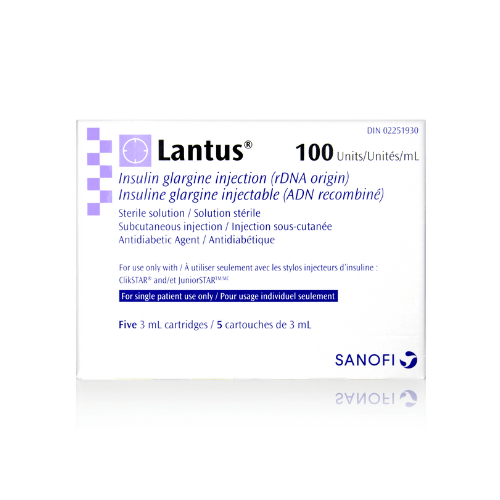
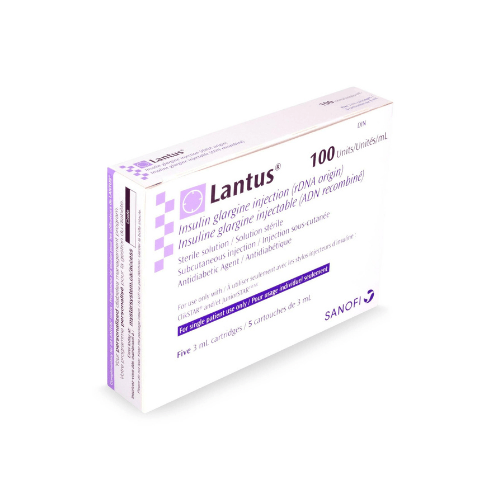
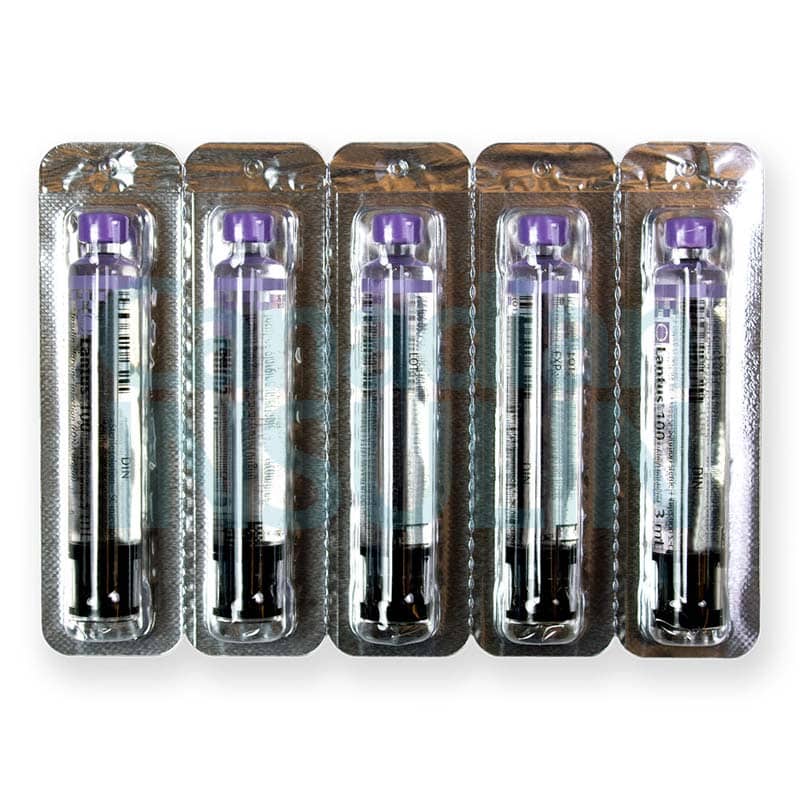
Lantus Cartridges contain insulin glargine, a long-acting basal insulin used for diabetes management. You can buy Lantus Cartridges online, view the current price, and choose the cartridge quantity that matches your clinician’s directions. Each cartridge format should be matched by name, strength, device fit, and handling needs before use.
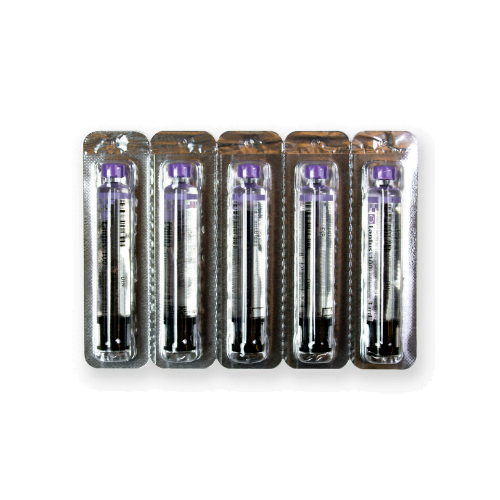
Lantus insulin cartridges are a U-100 insulin glargine presentation for subcutaneous injection with a compatible reusable pen device. The cartridge format is different from a vial or a disposable prefilled pen, even when the active ingredient is the same. A Lantus 100 units/mL cartridge is temperature-sensitive, so storage and cold-chain handling matter from ordering through daily use.
Use the product label, device instructions, and your care plan together when selecting a refill. Insulin products can look similar, and an incorrect form or strength may affect dosing, device setup, and safety.
Lantus Cartridge Price, Strength, and Quantity
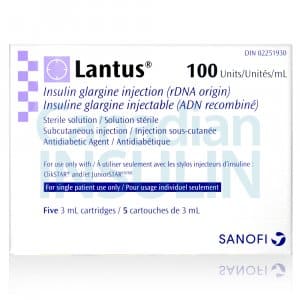
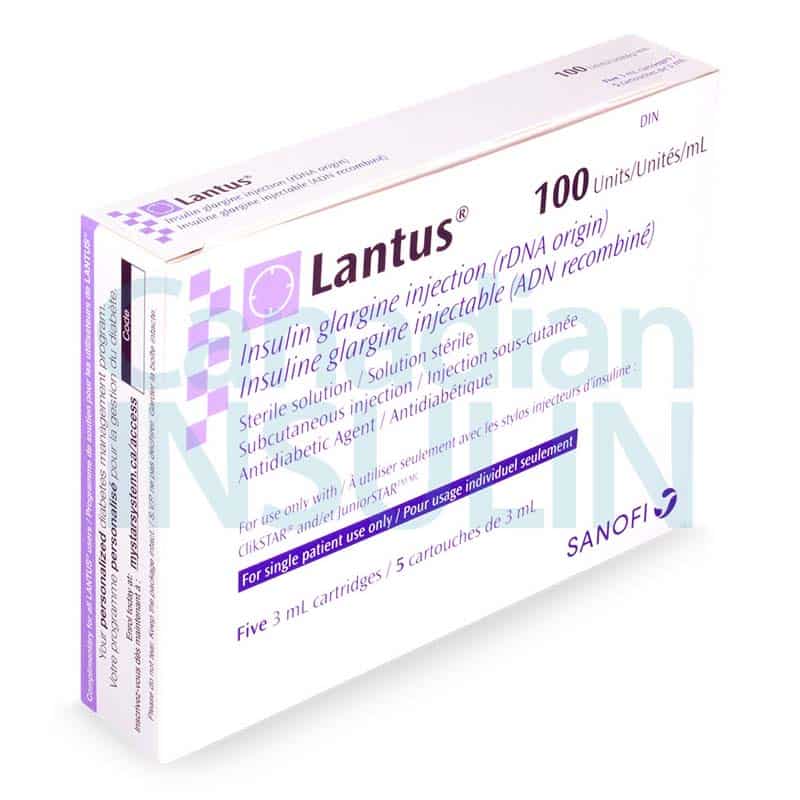
Lantus cartridge price is based on the cartridge format, strength, and quantity shown during ordering. The most useful comparison is not the brand name alone; it is the exact insulin presentation your clinician intended you to use. Lantus Cartridges contain insulin glargine U-100, also written as 100 units/mL.
A 3 mL U-100 cartridge contains 300 units of insulin glargine in the cartridge. That number describes the total insulin content, not one injection dose. Your individual dose and timing come from your treatment plan, glucose monitoring, and clinician instructions.
| Selection point | What to match |
|---|---|
| Active ingredient | Insulin glargine |
| Concentration | U-100, or 100 units/mL |
| Cartridge size | 3 mL cartridge presentation |
| Total insulin | 300 units per 3 mL cartridge |
| Use format | Subcutaneous injection with a compatible pen device |
Cash-pay customers often compare Lantus cartridge cost by looking at the total quantity, cartridge count, and any temperature-sensitive shipping notes together. If your daily dose changes, the same cartridge quantity may last a different amount of time. Refill planning should account for the dose schedule you have been given, the in-use discard period, and travel or storage needs.
Quick tip: Match the insulin name, U-100 strength, cartridge format, and quantity before comparing totals.
How to Order Lantus Insulin Cartridges
Order Lantus insulin cartridges by selecting the cartridge presentation that matches your current insulin glargine plan. Confirm that the cart shows cartridges rather than vials or disposable pens, because each format uses different supplies. Cartridges are designed for a compatible pen system, and pen needles are usually managed separately.
If your order involves US shipping from Canada, review the destination information and temperature-sensitive handling notes during checkout. Lantus is a refrigerated insulin before use, and cold-chain planning helps protect the medicine during transit. Packaging should be inspected when it arrives, and cartridges should be stored according to the leaflet and product label.
Keep the package name and concentration available when entering order details. If information needs clarification, we may help review order information so the item matches the requested insulin form. Avoid substituting another insulin format during checkout unless your clinician has told you to change devices or formulations.
What Lantus Cartridges Are Used For
Lantus is a long-acting basal insulin used to help improve glycemic control in people with diabetes mellitus. Basal insulin provides background insulin activity between meals and overnight. It is not a rapid-acting mealtime insulin and does not replace short-acting insulin when that is part of a treatment plan.
Insulin glargine is used in diabetes care when the body needs additional basal insulin support. It may be part of a plan for type 1 diabetes, where insulin is required, or for type 2 diabetes, where insulin may be added when other measures are not enough. The complete plan may also include glucose monitoring, meal planning, activity adjustments, and other medicines.
Lantus is not used to treat diabetic ketoacidosis, a serious condition that usually requires urgent medical care and different insulin management. Do not use a product description to change your insulin schedule, correct high glucose, or manage illness-day dosing. Those decisions depend on your glucose readings, ketone status, other medicines, and clinical history.
Cartridge Format, Pen Compatibility, and Supplies
Lantus Cartridges contain a clear, colorless solution for injection under the skin. The cartridge must be placed in a compatible insulin pen device before use. It should not be drawn up, mixed, or diluted unless the official instructions for the exact product and device direct that method.
The cartridge format can be convenient for people who use a reusable insulin pen. It also requires attention to device fit, priming steps, needle attachment, and cartridge replacement. A vial uses a syringe, while a disposable prefilled pen contains the insulin and pen body together. These formats are not simple checkout substitutes because dose measurement and handling differ.
- Strength: U-100 insulin glargine, or 100 units/mL.
- Form: Solution for injection in a 3 mL cartridge.
- Device: Use only with a compatible pen system.
- Needles: Pen needles are generally separate supplies.
- Inspection: The solution should be clear and colorless.
Browse the insulin medications collection when you need to distinguish basal insulin from mealtime insulin products. The long-acting insulin category can also help separate background insulin choices from shorter-acting forms.
How Insulin Glargine Works
Insulin glargine is an insulin analogue designed to provide prolonged basal insulin activity. After injection under the skin, it helps move glucose from the bloodstream into body tissues and reduces glucose production by the liver. This supports steadier background glucose control over the dosing interval set by a clinician.
Because Lantus is long acting, it is not intended for immediate correction of a meal-related glucose rise. People using basal insulin may also be instructed to use rapid-acting insulin, non-insulin diabetes medicines, or lifestyle measures. The cartridge should be considered one part of a broader diabetes plan, not a complete substitute for monitoring and follow-up.
Glucose patterns may change with illness, appetite, exercise, stress, alcohol, kidney function, liver function, and changes in body weight. Keep a record of readings and injection times if your clinician has asked for one. Patterns over several days are often more informative than one isolated number.
Storage, Travel, and Cold-Chain Handling
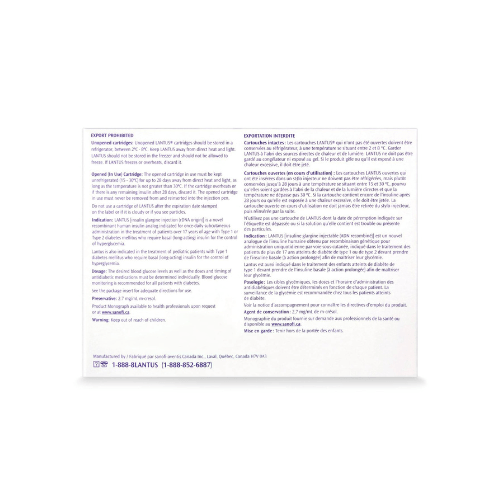
Unopened Lantus insulin cartridges are generally stored in a refrigerator at 2°C to 8°C. Do not freeze insulin. Keep cartridges away from direct heat and bright light, and do not use insulin that has been frozen, overheated, cloudy, colored, or contains particles.
After first use, follow the patient leaflet and pen instructions for room-temperature limits, refrigeration guidance, and discard timing. Many insulin products have a defined in-use period, even if insulin remains in the cartridge. Writing the first-use date on the carton or a safe tracking note can help prevent using a cartridge beyond its allowed time.
Travel requires extra temperature planning. Use an insulated carrier when needed, avoid direct contact with ice packs, and do not leave insulin in a parked car, checked luggage, or direct sunlight. If you carry extra supplies, keep pen needles, glucose monitoring items, and a sharps plan with the insulin.
Temperature-sensitive medicines may be sent with prompt, express, cold-chain shipping when appropriate. On arrival, inspect the package and cartridge appearance before placing the insulin into storage. General storage planning for diabetes medicines can be supported by browsing the diabetes articles section.
Side Effects, Warnings, and Monitoring
Low blood sugar, called hypoglycemia, is one of the most important risks with insulin. Symptoms can include shakiness, sweating, fast heartbeat, hunger, headache, confusion, irritability, blurred vision, or unusual drowsiness. Severe hypoglycemia can cause seizure, loss of consciousness, or require emergency treatment.
Other possible effects include injection-site redness, itching, swelling, rash, skin thickening or pitting at repeated injection sites, weight gain, and low potassium. Allergic reactions can also occur. Sudden widespread rash, breathing trouble, swelling of the face or throat, severe dizziness, or faintness should be treated as urgent.
Do not use Lantus during an episode of hypoglycemia. It should also be avoided by anyone with a serious allergy to insulin glargine or any ingredient in the cartridge. Insulin requirements can change when medicines are added, stopped, or adjusted, so glucose monitoring is important during treatment changes.
- Confirm the insulin: Many insulin products have similar names or packaging.
- Check the concentration: U-100 is not interchangeable with all insulin strengths.
- Rotate injection sites: Repeated injections in one spot can affect absorption.
- Do not share devices: Sharing pens or needles can transmit infections.
- Monitor glucose: Follow the testing plan recommended for your situation.
Why it matters: The wrong insulin form or concentration can cause serious dosing errors.
Interactions and Health Factors to Discuss
Several medicines can change the way your body responds to insulin. Corticosteroids, diuretics, beta blockers, ACE inhibitors, thyroid medicines, psychiatric medicines, and some over-the-counter products may affect glucose levels or hypoglycemia awareness. Alcohol can also increase the risk of low blood sugar, especially when meals are delayed or missed.
Beta blockers may make some warning signs of hypoglycemia harder to notice, such as a fast heartbeat. Kidney or liver problems can change insulin needs. Illness, vomiting, reduced food intake, increased exercise, and weight changes may also alter glucose patterns.
Thiazolidinediones, often called TZDs, can cause fluid retention and may worsen heart failure when used with insulin. Ask a clinician about monitoring if you have swelling, shortness of breath, heart disease, or a new diabetes medicine added to your plan. Do not adjust your dose or timing based only on general product information.
Cartridges Compared With Vials and Pens
Lantus Cartridges, vials, and prefilled pens can contain insulin glargine but differ in how insulin is delivered. A cartridge requires a compatible reusable pen. A vial requires syringes. A prefilled pen is discarded after its insulin is used or the in-use period ends.
The right format depends on the device you have been taught to use, the supplies you keep at home, and the wording of your treatment plan. Cartridge users should make sure they have compatible pen needles, a working pen body, safe sharps disposal, and a backup plan for travel or device failure.
For broader product browsing, the diabetes products category groups diabetes-related items. The diabetes medications category can help separate insulin from non-insulin treatment classes. Condition pages for diabetes provide another way to navigate related treatment areas.
Avoid changing from cartridge to vial or pen only because another format appears easier to obtain or compare. Device instructions, injection technique, dose display, and supply tracking can change with the format. If a switch is needed, it should be planned with clinical guidance.
Refill Planning and Everyday Use Checks
Lantus cartridge refill planning should account for how many units you use each day, how many cartridges are kept unopened, and how long an opened cartridge can remain in use. A 300-unit cartridge may last different lengths of time for different people. Do not keep using a cartridge past its allowed in-use period just because insulin remains inside.
Before each injection, inspect the solution and device. The insulin should be clear and colorless. Make sure the pen is functioning, the needle is new, and the dose window is easy to read. Prime the pen as directed in the device instructions, and remove the needle after use if your instructions call for it.
Keep a consistent injection routine if your clinician has recommended one. Rotate within approved injection areas, and avoid injecting into skin that is thickened, pitted, bruised, tender, or scarred. Report repeated unexplained highs or lows, device problems, or changes in injection-site appearance.
Authoritative Sources
The following sources support key safety, storage, and use information for insulin glargine products. They should be read alongside the package leaflet and individual clinical instructions.
- Official prescribing information for Lantus
- DailyMed insulin glargine labeling
- Lantus 100 units/mL cartridge patient leaflet
This content is for informational purposes only and is not a substitute for professional medical advice.
This content is for informational purposes only and is not a substitute for professional medical advice.
Two ways to ship
Cold-packed medications travel by Express shipping. Dry-packed medications can ship Express or Standard.
Earn points on every order
Earn points on birthdays, product orders, reviews, friend referrals, and more! Enjoy your medication at unparalleled discounts while reaping rewards for every step you take with us.
Register and/or Login
Create an account and start earning.
Earn Rewards
Earn points every time you shop or perform certain actions.
Redeem
Redeem points for exclusive discounts.
Ways to save
We stand behind our prices
We work hard to offer the very best available price. If you find a lower price on the same product, we will match it.
Learn how →Tiered pricingNew tiered pricing is here
Buy more and save more on the medications you trust: save 7% per pack when you buy 2, and 14% per pack when you buy 3 or more.
See tiered pricing →You might also like
View all →
Related articles
View all →
Humalog KwikPen Generic Options and Insulin Lispro Safety
A Humalog KwikPen generic search usually comes down to one key point: Humalog KwikPen contains insulin lispro, but insulin copies are not…
Read more →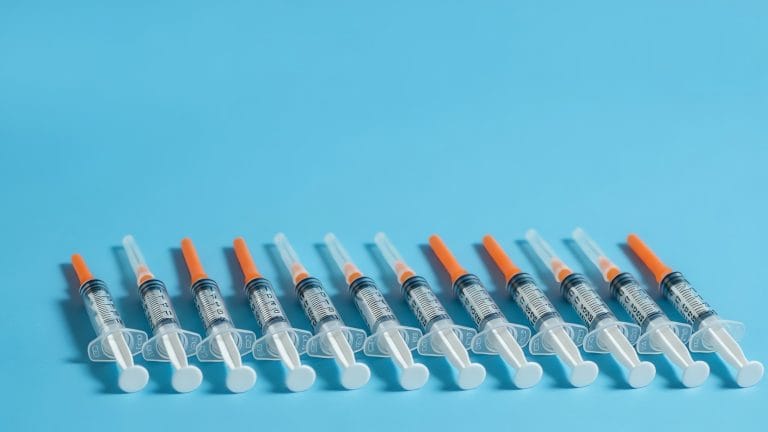
Insulin Syringe Sizes: Barrel, Needle, and Safety Basics
Insulin syringe sizes describe three things: how much the barrel holds, how long the needle is, and how thin the needle is.…
Read more →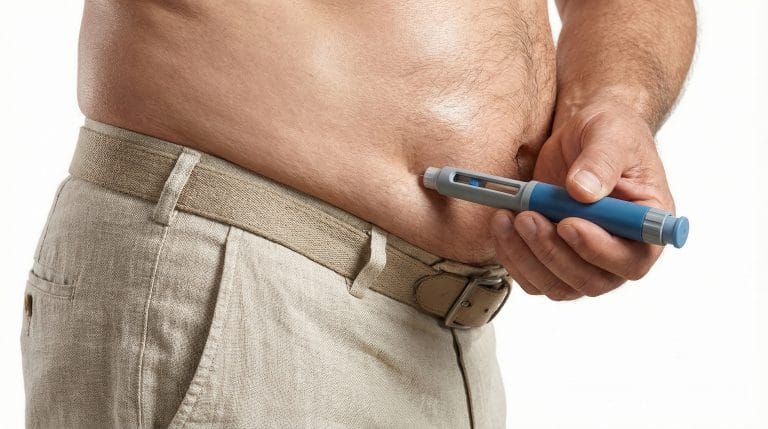
Fiasp Cartridge Safety, Compatibility, and Mealtime Use
A Fiasp cartridge is a replaceable cartridge form of Fiasp, a faster-acting insulin aspart used around meals when prescribed for diabetes. It…
Read more →
Fiasp Alternative Options for Mealtime Insulin Decisions
A Fiasp alternative is usually another mealtime insulin that acts quickly around food, not a simple over-the-counter substitute. Options may include other…
Read more →Speak to us
Our customer service team are highly experienced and friendly. Get in touch today.
What are Lantus Cartridges used for?
Lantus Cartridges contain insulin glargine, a long-acting basal insulin used to help manage blood glucose in people with diabetes mellitus. It provides background insulin coverage and is not a rapid-acting mealtime insulin or a treatment for diabetic ketoacidosis.
How many units are in a Lantus 3 mL cartridge?
A Lantus U-100 cartridge contains 100 units/mL. A 3 mL cartridge contains 300 total units. That is the amount in the cartridge, not a recommended dose.
Are Lantus Cartridges the same as Lantus SoloStar pens?
No. Lantus Cartridges are used with a compatible reusable pen device, while SoloStar is a disposable prefilled pen format. Device setup, supplies, and handling differ, so the formats should not be substituted without clinical guidance.
How should unopened Lantus Cartridges be stored?
Unopened cartridges are generally stored refrigerated at 2°C to 8°C. Do not freeze them, and keep them away from direct heat and bright light. Do not use insulin that is cloudy, colored, contains particles, or has been frozen.
What is the most important safety risk with Lantus?
Hypoglycemia, or low blood sugar, is a major insulin risk. Symptoms may include shakiness, sweating, hunger, fast heartbeat, confusion, headache, or drowsiness. Severe hypoglycemia can be dangerous and may require emergency care.
Speak to our team
 Call toll free1-844-560-7790
 Emailservice@canadianinsulin.com
Monday to Friday 7am – 11pm EST
Saturday 7am to 7pm EST
Sunday 8am – 5pm EST