
Shipping with this method takes 3-5 days
A valid prescription is required for prescription medications.
Compare Prices. See Your Savings.
Type 2 diabetes treatment in a daily tablet
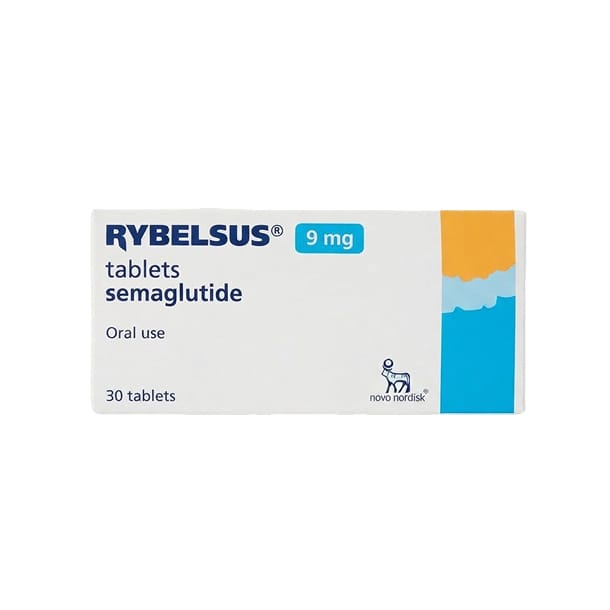
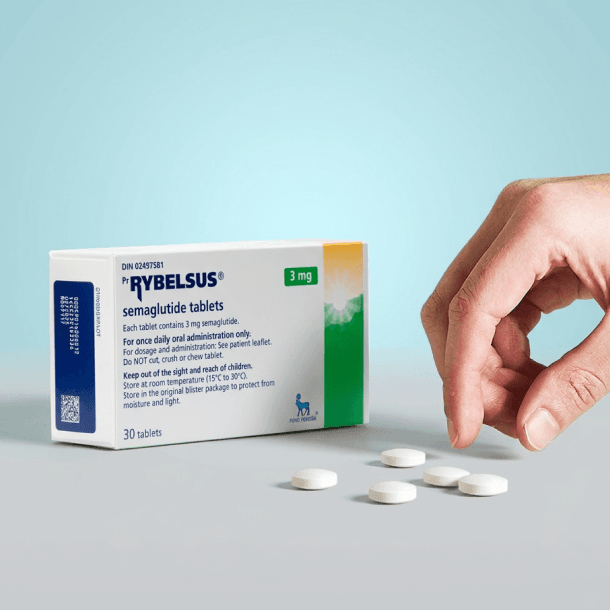
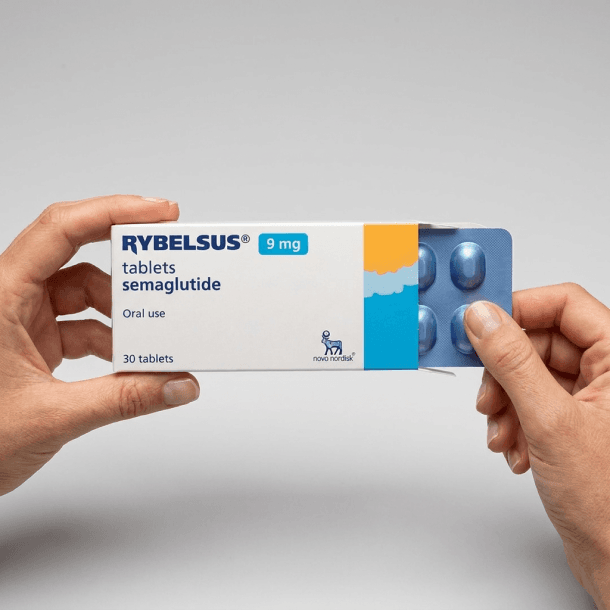
Rybelsus
Buy Rybelsus Tablets Online
Supports heart health in high-risk adults with type 2 diabetes*
Helps lower blood sugar in adults with type 2 diabetes*
Oral semaglutide taken once daily*
Fast secure shipping worldwide
Price Match Guarantee. Found a lower price? We’ll match it.
How do I take Rybelsus correctly?
Novo Nordisk’s US instructions say to take the prescribed tablet on an empty stomach in the morning with plain water, no more than 4 oz (120 mL). Swallow it whole and wait at least 30 minutes before eating, drinking or taking other oral medicines. Follow the local leaflet supplied with your prescription.
Are the different Rybelsus strengths interchangeable?
Canada has two formulations: 3, 7 and 14 mg tablets, and 1.5, 4 and 9 mg tablets. Match the exact strength and formulation on your prescription. Do not substitute milligram for milligram or combine tablets to make a dose. Ask your pharmacist about any change in tablet appearance or strength.
Is Rybelsus a weight-loss medicine?
Rybelsus is used to treat type 2 diabetes. Some people lose weight during treatment, but that does not make it a weight-loss medicine or predict your result. Discuss your blood sugar and weight goals with your prescriber.
What side effects and warnings should I know about?
Common effects include nausea, diarrhea, stomach pain, vomiting and constipation. Do not use it if you or a family member has had medullary thyroid carcinoma (MTC), if you have MEN 2, or if you are pregnant or breastfeeding. Low blood sugar risk can increase with insulin or a sulfonylurea. Review the full safety information with your prescriber.
*Based on Novo Nordisk Canada’s Rybelsus patient information (July 13, 2026). Cardiovascular results are based on the SOUL trial in high-risk adults with type 2 diabetes and apply to the studied formulation and dose. Rybelsus formulations are not interchangeable mg-for-mg. Individual results vary. Prescription required.
Rybelsus is an oral semaglutide tablet used with diet and exercise to help improve blood sugar in adults with type 2 diabetes. It can be ordered online, with current Rybelsus price information shown for the tablet strength and quantity chosen during checkout. Choose the available strength that matches your clinician’s directions, including 3 mg, 4 mg, or 9 mg tablets when those strengths are displayed.
Rybelsus semaglutide tablets are different from injectable semaglutide products because the medicine is absorbed through the stomach after a specific fasting routine. The tablet strength, quantity, and administration instructions all matter when comparing Rybelsus cost from Canada or reviewing cash-pay totals. Do not substitute one strength for another unless your clinician has changed the treatment plan.
Rybelsus Price, Strengths, and Tablet Choices
The displayed Rybelsus price should be read together with tablet strength, tablet count, and quantity. A lower total may not be the right choice if the strength does not match your directions. Rybelsus 3 mg, Rybelsus 7 mg, and Rybelsus 14 mg are separate tablet strengths, and each can have a different role in therapy.
Rybelsus without insurance is usually evaluated as a cash-pay purchase. If you are comparing Rybelsus price without insurance, focus on the exact strength and total number of tablets rather than the brand name alone. Payment route, reimbursement rules, and quantity can change the final out-of-pocket amount.
| Tablet strength | Practical ordering point |
|---|---|
| Rybelsus 3 mg | Commonly used as a starting strength; match the intended duration and tablet count. |
| Rybelsus 4 mg | Often used as a maintenance strength; choose it only when it matches your directions. |
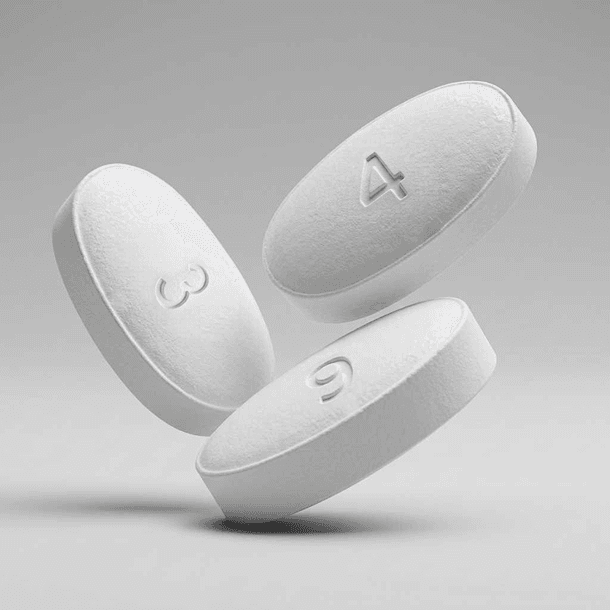
| Rybelsus 9 mg | A higher maintenance strength; do not use it in place of lower strengths without clinical direction. |
Quick tip: Compare strength and tablet count before comparing order totals.
How to Order Rybelsus Online
Start by choosing the Rybelsus tablets strength and quantity that match your treatment instructions. We may review order information for accuracy when documentation or clarification is needed. Keep your medication name, strength, and dosing directions consistent from the cart through checkout.
If US shipping from Canada applies to your order, review the address, quantity, and any handling notes before payment. Rybelsus is an oral tablet, so it is not selected for a pen device, needle supply, or cold-chain handling. Still, the bottle and label should be protected from moisture and temperature extremes during routine storage and travel.
People searching for oral semaglutide tablets should confirm the dosage form carefully. Rybelsus pills contain semaglutide, but semaglutide is also used in injectable products with different dosing schedules and delivery devices. Tablets and injections are not automatically interchangeable.
What Rybelsus Treats
Rybelsus is used along with diet and exercise to improve glycemic control in adults with type 2 diabetes. It is not used to treat type 1 diabetes or diabetic ketoacidosis. Treatment usually works best as part of a broader diabetes plan that includes nutrition, activity, glucose monitoring, and follow-up lab testing.
Type 2 diabetes often involves insulin resistance, reduced insulin response, or both. Rybelsus belongs to the GLP-1 receptor agonist class, an incretin-based medicine group that helps regulate blood sugar after meals. The type 2 diabetes section can help place this medicine within the wider treatment area.
Some people notice appetite or weight changes while using GLP-1 medicines. Rybelsus should not be treated as a general weight-loss pill unless a clinician has determined that the therapy is appropriate for your situation. For broader condition information, the diabetes category organizes related treatment topics.
How Oral Semaglutide Tablets Are Taken
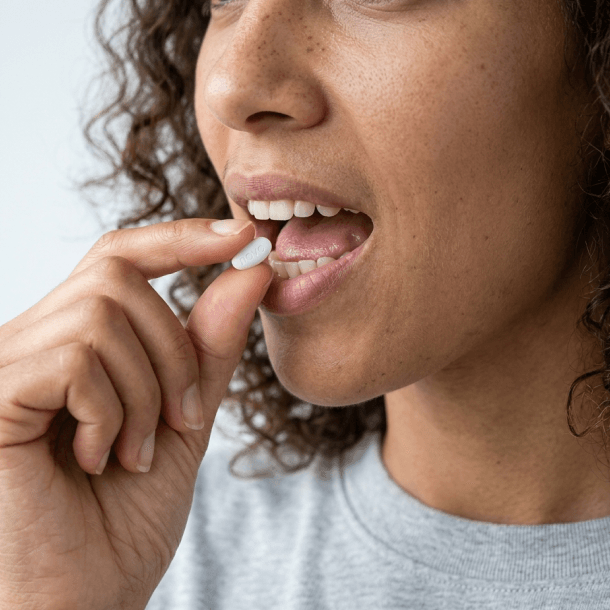
Administration is especially important with Rybelsus because absorption can be reduced if the tablet is taken incorrectly. The tablet is typically taken on an empty stomach with no more than 4 oz of plain water. Food, beverages, and other oral medicines are usually delayed for at least 30 minutes afterward.
Rybelsus tablets should be swallowed whole. Splitting, crushing, or chewing the tablet can affect how the medicine is absorbed. If morning timing is difficult because of other medicines, meals, or work routines, ask your clinician or pharmacist how to organize the schedule safely.
Dosing is commonly stepped. The 3 mg strength is often used at the beginning and is not considered the full glucose-lowering maintenance dose. After the starting period, therapy may move to Rybelsus tablets 7 mg or Rybelsus tablets 14 mg depending on response and tolerability.
Why it matters: Tablet timing can affect how much semaglutide your body absorbs.
Storage, Handling, and Travel Basics
Rybelsus tablets are usually stored at room temperature in the original bottle. Keep the cap closed, protect tablets from moisture, and avoid storing them in bathrooms or other humid areas. The original container helps protect the tablets, so do not move them into a pill organizer unless a pharmacist or clinician says it is acceptable.
During travel, keep the bottle labeled and protected from heat, freezing temperatures, and excess humidity. A car glove compartment or checked luggage exposed to temperature swings may not be suitable. When a package arrives, inspect the seal, label, and tablet appearance before using the medicine.
Storage expectations differ from some diabetes injections. Rybelsus does not involve a pen device or needle disposal, which may simplify handling for people who prefer tablets. If you need to compare other diabetes categories, browse non-insulin diabetes medications.
Side Effects, Warnings, and Monitoring
Common Rybelsus side effects include nausea, vomiting, diarrhea, stomach pain, decreased appetite, constipation, and indigestion. Stomach-related symptoms can be more noticeable when therapy starts or when the dose changes. Severe vomiting or diarrhea can cause dehydration, which may worsen kidney problems in some people.
The official labeling includes a boxed warning about thyroid C-cell tumors observed in animal studies. Rybelsus is contraindicated in people with a personal or family history of medullary thyroid carcinoma and in people with multiple endocrine neoplasia syndrome type 2. Report a neck lump, trouble swallowing, shortness of breath, or persistent hoarseness promptly.
- Low blood sugar: Risk may increase when semaglutide is used with insulin or sulfonylureas.
- Pancreatitis symptoms: Severe ongoing abdominal pain needs urgent medical evaluation.
- Gallbladder concerns: Upper abdominal pain, fever, yellow skin, or yellow eyes should be assessed.
- Kidney concerns: Dehydration from vomiting or diarrhea can worsen kidney function.
- Vision changes: New or worsening diabetic eye symptoms should be reported.
Monitoring may include A1C, home glucose readings, kidney function, and eye health when clinically appropriate. Hypoglycemia symptoms can include shakiness, sweating, fast heartbeat, hunger, dizziness, confusion, or weakness. The type 2 diabetes articles section can help prepare practical questions for follow-up visits.
Interactions and Special Precautions
Oral semaglutide can slow stomach emptying and may affect the absorption of some oral medicines. Levothyroxine and medicines with narrow timing requirements deserve special attention. Share all prescription medicines, non-prescription products, vitamins, and supplements so timing can be reviewed.
Pregnancy plans should be discussed in advance because semaglutide remains in the body for an extended period after the last dose. Breastfeeding, kidney disease, digestive disorders, and a history of pancreatitis are also important topics before continuing therapy. Do not stop or change diabetes medicines without clinical guidance, especially if insulin or a sulfonylurea is part of your plan.
Diabetes therapy is individualized. Rybelsus may be one part of treatment, while other people use metformin, SGLT2 inhibitors, DPP-4 inhibitors, insulin, or another GLP-1 medicine. Browse diabetes medications for a broader view of medicine categories.
Comparing Rybelsus With Related Diabetes Options
Rybelsus is an oral GLP-1 receptor agonist, while many other GLP-1 medicines are injected. The oral route may be preferred by people who want to avoid injection devices, but it requires strict fasting instructions. Injectable products have different dosing schedules, storage requirements, and device steps.
Ozempic also contains semaglutide, but it is supplied as an injectable pen rather than a tablet. Do not compare milligrams between Rybelsus and Ozempic as if they were equivalent doses. Absorption, delivery, and schedule differ enough that transitions should be guided by a clinician.
The GLP-1 agonists category is useful when comparing medicines in the same broad class. For condition-level browsing and related product groups, the diabetes products category may also help organize choices.
Questions to Ask Before Continuing Therapy
Ask how long the starting strength should be used, what glucose targets are being followed, and when A1C should be rechecked. Clarify what to do if nausea, vomiting, or diarrhea becomes difficult to manage. If other morning medicines are required, ask how to space them around the Rybelsus fasting routine.
It is also useful to ask whether your current diabetes medicines raise low-blood-sugar risk when combined with semaglutide. People using insulin or sulfonylureas may need closer monitoring. Any change in vision, severe abdominal pain, dehydration symptoms, or possible allergic reaction should be addressed promptly.
For broader education on diabetes and medication routines, the diabetes articles section provides additional background. Use educational content to support informed conversations, not as a replacement for individualized medical care.
Authoritative Sources
- For complete labeled dosing, warnings, contraindications, and administration instructions, see the Official prescribing information.
- For a patient-facing medical summary, review the Mayo Clinic oral semaglutide overview.
This content is for informational purposes only and is not a substitute for professional medical advice.
BMI Calculator
Estimate adult body mass index from height and weight, with metric and imperial units.
BMI
-
kg/m2 equivalent
Category
-
Adult screening range
These calculations are for education only and do not replace clinical advice, diagnosis, or treatment. Always confirm medical decisions with a qualified healthcare professional.
Calorie & TDEE Calculator
Estimate resting energy needs and daily calorie range from age, sex, body size, and activity level.
Hold Ctrl or Cmd to select more than one calculator.
BMR
-
estimated calories/day at rest
Maintenance
-
BMR multiplied by activity
Weight loss guide
-
maintenance minus 500 kcal/day
These calculations are for education only and do not replace clinical advice, diagnosis, or treatment. Always confirm medical decisions with a qualified healthcare professional.
Weight Loss Timeline Calculator
Estimate a simple timeline from current weight, goal weight, and average daily calorie deficit.
Estimated weekly change
-
based on 3,500 kcal per lb
Estimated time
-
simple arithmetic estimate
Approx. date
-
if average deficit is maintained
These calculations are for education only and do not replace clinical advice, diagnosis, or treatment. Always confirm medical decisions with a qualified healthcare professional.
Blood Glucose Unit Converter
Convert glucose readings between mg/dL and mmol/L without changing the clinical value.
mg/dL
-
US reporting unit
mmol/L
-
International reporting unit
These calculations are for education only and do not replace clinical advice, diagnosis, or treatment. Always confirm medical decisions with a qualified healthcare professional.
HbA1c & eAG Calculator
Convert between HbA1c percentage and estimated average glucose using the ADAG relationship.
HbA1c
-
percentage
eAG mg/dL
-
estimated average glucose
eAG mmol/L
-
estimated average glucose
These calculations are for education only and do not replace clinical advice, diagnosis, or treatment. Always confirm medical decisions with a qualified healthcare professional.
Customer Reviews
4.4 Based on 59 Reviews
Write a Review Ask a Question - Reviews
- Questions
Filter Reviews:
JR
01/22/2026
Jennifer R.  US
USHorrified by lack of communication and shipping delays
The experience with Rybelsus has been great. Using Canadian Insulin has been a huge disappointment. The lack of communication, failure to respond in a timely fashion and the incredible shipping delays has made me miss multiple doses of my medication on multiple occasions. Even today, I am without my medication because there’s a massive delay and CI does not respond to emails in a rapid response. Extremely frustrated and disappointed in my experience.
01/23/2026
CanadianInsulin.com
Hi Jennifer!Thank you for taking the time to share your experience with us. We sincerely apologize for the frustration and inconvenience caused by the lack of timely communication and the shipping delays you encountered. We understand how critical it is to receive your medication on time, and we truly regret that this has impacted your treatment and caused you to miss multiple doses.Please know that your concerns are taken very seriously. An email response addressing your order was sent on January 22, 2026, and your assigned Account Manager will be reaching out to you directly to provide further assistance, updates, and to ensure your concerns are fully addressed moving forward.While we are glad to hear that Rybelsus has been effective for you, we are disappointed that our service did not meet your expectations. We are actively reviewing this situation to prevent similar delays and improve our communication, as this is not the experience we want for our customers.Thank you for your patience and for bringing this matter to our attention. We value your trust and the opportunity to improve your experience. If you have any immediate concerns, please do not hesitate to reply to the email sent or reach out to us directly.Thank you for always choosing Canadian Insulin!

RD
12/31/2025
Ruben D.  PR
PRExcelente Service
Excelent Service
01/01/2026
CanadianInsulin.com
Hi Ruben!Thank you so much for your kind words! We’re truly pleased to hear that you had an excellent experience with our service. Providing reliable, professional, and compassionate support is always our top priority, and feedback like yours lets us know we’re on the right track.We sincerely appreciate your trust and look forward to continuing to serve you with the same level of care and excellence.Thank you for choosing Canadian Insulin!
RD
10/08/2025
Ruben D. PRRuben Diaz
Excellent product
10/08/2025
CanadianInsulin.com
Hi Ruben,Thank you for your kind feedback! We’re delighted to know that you’re pleased with the product. Your satisfaction means a lot to us, and we truly appreciate your trust and support.We take great pride in providing quality products and dependable service to all our customers. It is our pleasure to serve you, and we look forward to assisting you again soon.Thank you for choosing Canadian Insulin!
JR
10/07/2025
Jose R. USGreat item
Great love it easy to use
10/07/2025
CanadianInsulin.com
Hi Jose,Thank you so much for your kind feedback. We are delighted to know that you found the product easy to use and that it met your expectations. Your satisfaction truly means a lot to us, and we are grateful for your trust and continued support.We take great pride in providing quality products and dependable service to all our customers. It is our pleasure to serve you, and we look forward to assisting you again soon.Thank you for choosing Canadian Insulin, your trusted source for affordable and reliable care.
KS
10/03/2025
Kelly S. USNever received it
Still waiting to get it
10/03/2025
CanadianInsulin.com
Hi KellyThank you for choosing Canadian Insulin. We understand how frustrating it is to still be waiting for your order, and we sincerely apologize for the delay.The current delay is due to recent tariff and policy changes that have temporarily impacted the processing and movement of shipments through customs. These changes require additional checks, fees, and adjustments before packages can be released for delivery.On top of this, there is an ongoing postal strike that is affecting delivery timelines across the region. While the strike may end soon, there is no confirmed resolution date at this time.We greatly appreciate your patience and understanding as we work through these challenges. Please rest assured that we are closely monitoring your order and will provide updates as soon as new information becomes available.Thank you once again for choosing Canadian Insulin.
Express Shipping - from $29.99
Prices:
- Dry-Packed Products $29.99
- Cold-Packed Products $39.99
Standard Shipping - $19.99
Shipping with this method takes 5-10 days
Prices:
- Dry-Packed Products $19.99
- Not available for Cold-Packed products
What is Rybelsus used for?
Rybelsus is used with diet and exercise to help improve blood sugar in adults with type 2 diabetes. It is not used for type 1 diabetes or diabetic ketoacidosis.
How should Rybelsus tablets be taken?
Rybelsus is usually taken on an empty stomach with no more than 4 oz of plain water. Food, drinks, and other oral medicines are typically delayed for at least 30 minutes. Swallow the tablet whole.
What strengths does Rybelsus come in?
Rybelsus tablets are commonly available as 3 mg, 7 mg, and 14 mg strengths. The 3 mg strength is often used at the start, while 7 mg or 14 mg may be used later depending on clinical direction.
What are common Rybelsus side effects?
Common side effects can include nausea, vomiting, diarrhea, stomach pain, decreased appetite, constipation, and indigestion. Severe or persistent symptoms should be discussed with a clinician, especially if dehydration occurs.
Is Rybelsus the same as Ozempic?
No. Both contain semaglutide, but Rybelsus is an oral tablet and Ozempic is an injectable pen. They have different dosing schedules, absorption patterns, and administration steps.
Can Rybelsus interact with other medicines?
Yes. Oral semaglutide can delay stomach emptying and may affect how some oral medicines are absorbed. Levothyroxine and medicines with strict timing requirements may need special planning.
Rewards Program
Earn points on birthdays, product orders, reviews, friend referrals, and more! Enjoy your medication at unparalleled discounts while reaping rewards for every step you take with us.
You can read more about rewards here.
POINT VALUE
How to earn points
- 1Create an account and start earning.
- 2Earn points every time you shop or perform certain actions.
- 3Redeem points for exclusive discounts.
You Might Also Like
Select options
This product has multiple variants. The options may be chosen on the product page
Select options
This product has multiple variants. The options may be chosen on the product page
Select options
This product has multiple variants. The options may be chosen on the product page
Select options
This product has multiple variants. The options may be chosen on the product page