
Please note: a valid prescription is required for all prescription medication.
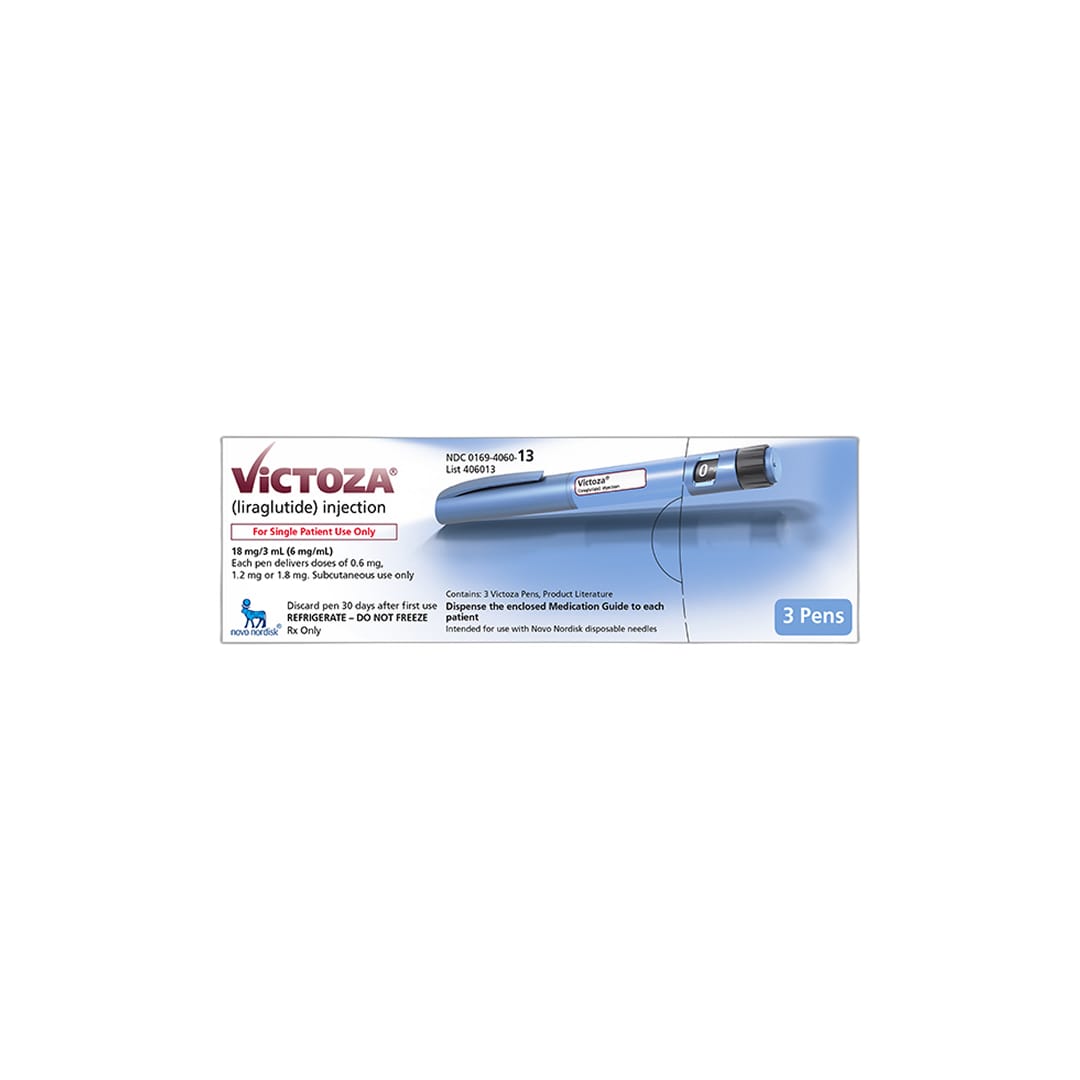
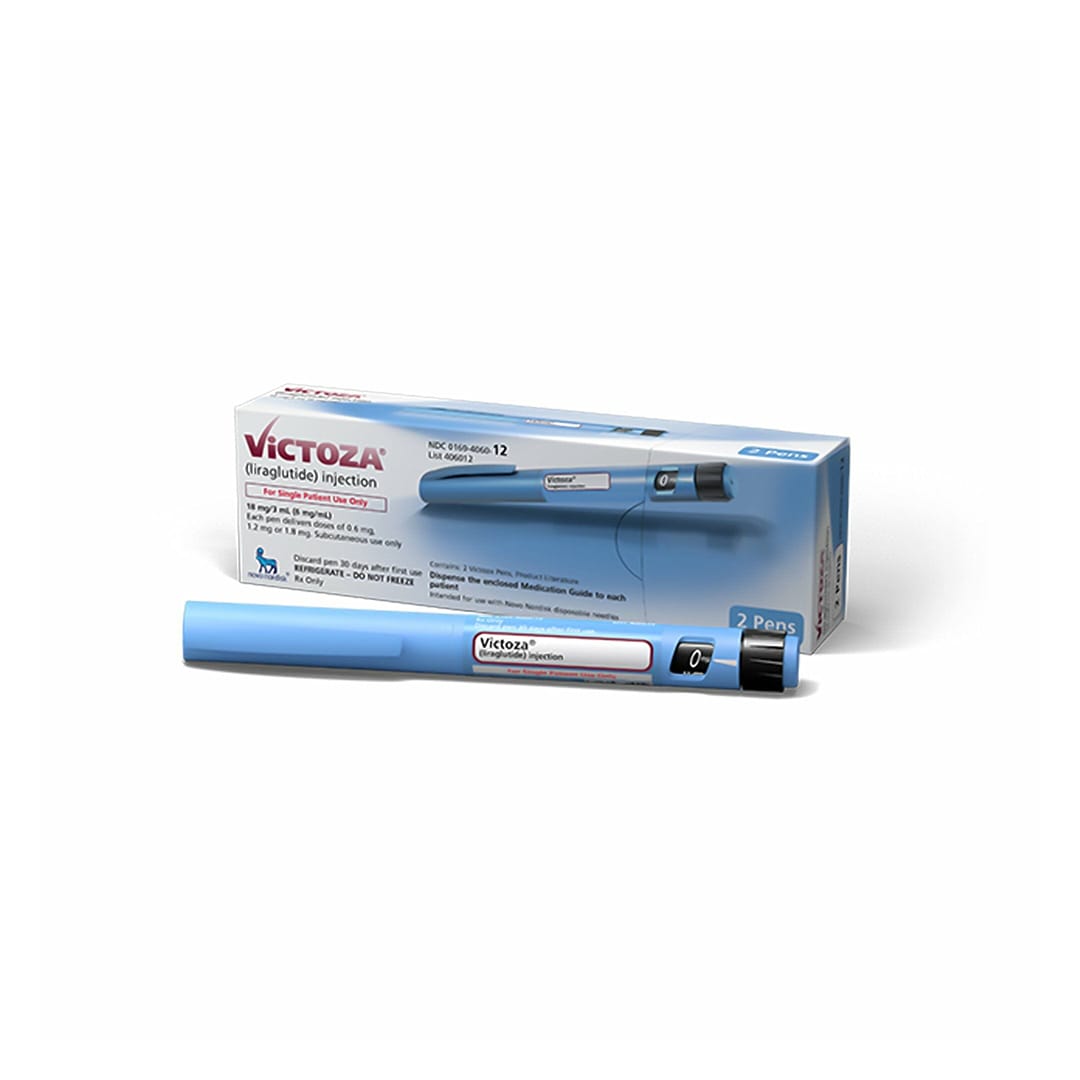
Victoza Prefilled Pen
Buy Victoza Prefilled Pen Online


Victoza Prefilled Pen is a liraglutide injection pen used with diet and exercise to help improve blood sugar control in adults and children 10 years and older with type 2 diabetes. You can buy Victoza Prefilled Pen online and choose the pen quantity shown during ordering, matching the 18 mg/3 mL format to your clinician’s directions. The pen is a multidose device, so the total medicine in the pen is different from the dose selected for each injection.
Victoza is not insulin and should not be substituted for insulin pens, insulin cartridges, or other injectable diabetes medicines unless your clinician changes your plan. If you are comparing Victoza pens from Canada, start with the active ingredient, concentration, pen count, and needle requirements before looking at service or delivery details.
Victoza Prefilled Pen Price and Quantity Choices
The Victoza price shown during ordering reflects the pen format and quantity chosen. A single Victoza pen, a Victoza 3 pack, or another pack count may have different totals, so compare the full amount of medicine rather than only the package name. The Victoza 18 mg/3 mL pen contains 18 mg of liraglutide in 3 mL and is designed to deliver labeled dose settings from the prefilled device.
Victoza pen cost can also vary for people paying cash or looking at Victoza without insurance. The most useful comparison is the current displayed total for the exact liraglutide pen you need, including the number of pens and any separate accessories. Similar GLP-1 medicines are not interchangeable by price alone because the active ingredient, device, dose steps, and injection schedule may differ.
- Form: choose the prefilled injection pen, not a vial or cartridge.
- Concentration: match Victoza 18 mg/3 mL to the medicine name on your instructions.
- Quantity: compare total pens in the order, especially when multipen packs appear.
- Needles: confirm whether compatible pen needles must be ordered separately.
- Storage: plan for temperature-sensitive handling after the medicine arrives.
Quick tip: Keep the brand name, active ingredient, concentration, and pen count aligned with the directions from your clinic.
How to Order Victoza Pens Online
To order Victoza online, select the pen format and quantity that match your current treatment plan. Enter your order information carefully, including the clinic or contact details requested during checkout. We may review order details when clarification is needed so the medicine, quantity, and customer information are consistent.
When comparing buy Victoza online from Canada searches with actual ordering choices, focus on the medicine rather than broad category terms. Victoza is liraglutide, not semaglutide, dulaglutide, tirzepatide, or insulin. A name that sounds familiar can still refer to a different medicine with a different device and schedule.
- Choose the Victoza Prefilled Pen format shown for the product.
- Match the 18 mg/3 mL concentration to your directions.
- Select the correct number of pens for the order.
- Add compatible pen needles if your device instructions require them and they are not included.
- Read the storage and handling instructions before the package arrives.
US delivery from Canada may be used as part of the service context for temperature-sensitive medications. Because Victoza is an injectable medicine, handling instructions matter from checkout through arrival and storage at home.
Pen Format, Strength, and Needle Details
Victoza is supplied as a prefilled, multidose injection pen containing liraglutide. Liraglutide is a GLP-1 receptor agonist, an incretin-based medicine that helps regulate insulin release and glucagon after meals. The pen is used for subcutaneous injection, which means the medicine is injected under the skin.
| Attribute | What to match |
|---|---|
| Medicine name | Victoza |
| Active ingredient | Liraglutide |
| Device | Prefilled injection pen |
| Concentration | 18 mg/3 mL |
| Dose settings | 0.6 mg, 1.2 mg, and 1.8 mg settings on the pen |
| Needles | Usually selected separately and matched to the pen instructions |
The pen may look similar to other diabetes injection devices, but the contents are not the same. Do not choose a semaglutide pen, dulaglutide pen, tirzepatide product, or insulin pen when your plan calls for a liraglutide injection pen. Product names, dose markings, and injection frequency can change how the medicine is used.
Pen needles are separate from the medicine in many ordering situations. A needle must be compatible with the device and used according to the pen instructions. The Diabetes articles section can help you find practical education on injection supplies and routine diabetes care, while your clinician’s instructions should guide device-specific technique.
Use in Type 2 Diabetes
Victoza for type 2 diabetes is used with diet and exercise to improve blood glucose control. It is also approved to reduce the risk of major adverse cardiovascular events in adults with type 2 diabetes and established cardiovascular disease. It is not for treating type 1 diabetes and is not used for diabetic ketoacidosis.
GLP-1 receptor agonists can affect several parts of glucose regulation. Victoza helps stimulate insulin release when glucose is elevated, lowers inappropriate glucagon secretion, and slows stomach emptying. These effects can help support post-meal glucose control, but the medicine still needs to fit a broader plan that may include nutrition, activity, glucose monitoring, and other diabetes treatments.
The Type 2 Diabetes collection provides related treatment categories for people reviewing non-insulin therapies with their clinician. Broader browsing through diabetes medications can also help separate injectable therapies, tablets, and insulin products by category.
Victoza is not the same as weight-loss liraglutide products, even though liraglutide may affect appetite and body weight in some people. Any expected weight change should be discussed in the context of your diabetes goals, other medicines, kidney function, food intake, and tolerability.
Storage, Handling, and Travel Basics
Unopened Victoza pens are usually stored in the refrigerator within the labeled temperature range. After first use, the pen may be stored at room temperature or in the refrigerator for the time allowed in the official instructions. Do not freeze Victoza, and do not use a pen that has been frozen.
- Before first use: keep pens refrigerated as directed on the label.
- After first use: follow the in-use time limit and storage range.
- During travel: protect pens from heat, freezing temperatures, and direct light.
- Before injection: inspect the solution and do not use it if it appears cloudy or colored.
- After injection: remove and discard the needle as instructed.
Temperature exposure can affect product integrity before you ever use the pen. Packaging may involve prompt, express, cold-chain shipping when appropriate for the route and medicine. Inspect the package soon after arrival and follow the storage instructions that come with the product.
Travel planning is especially important for daily injectable medicine. Carry enough supplies, keep needles separate from used sharps, and protect the pen from direct heat in cars, luggage compartments, and window areas. If a pen has been exposed to uncertain temperatures, ask a qualified professional whether it should be used.
Side Effects, Warnings, and Monitoring
Victoza can cause gastrointestinal side effects, especially when treatment is started or adjusted. Common side effects include nausea, vomiting, diarrhea, constipation, indigestion, reduced appetite, and headache. Persistent vomiting or diarrhea can lead to dehydration, which may be more concerning for people with kidney problems.
Victoza carries a boxed warning about thyroid C-cell tumors observed in animal studies. It should not be used by people with a personal or family history of medullary thyroid carcinoma or by people with multiple endocrine neoplasia syndrome type 2. Report a lump in the neck, hoarseness, trouble swallowing, or shortness of breath to a clinician promptly.
Serious but less common risks include pancreatitis, gallbladder problems, kidney injury, allergic reactions, and low blood sugar when used with insulin or sulfonylureas. Severe, persistent stomach pain, repeated vomiting, yellowing skin, fever with upper abdominal pain, swelling of the face or throat, or breathing trouble requires urgent medical attention.
- Blood glucose: monitor according to the schedule given by your clinic.
- Other diabetes medicines: insulin or sulfonylureas may increase hypoglycemia risk.
- Kidney health: dehydration from vomiting or diarrhea can worsen kidney function.
- Gallbladder symptoms: report upper abdominal pain, fever, or yellowing skin.
- Injection sites: rotate sites and ask for training if technique is unclear.
- Medical history: discuss pancreatitis, kidney disease, gallbladder disease, pregnancy plans, and breastfeeding.
The Diabetes condition category can help you view related care topics, but individualized monitoring should come from a qualified professional. Do not change Victoza, insulin, sulfonylureas, or other glucose-lowering medicines without clinical direction.
How Victoza Compares With Related Diabetes Medicines
Victoza is a daily liraglutide pen within the GLP-1 receptor agonist class. Other medicines in the class may use different active ingredients, strengths, devices, and dosing schedules. A weekly GLP-1 pen is not automatically a replacement for a daily liraglutide pen.
If your clinician is reviewing other non-insulin therapies, the GLP-1 agonists category can help distinguish class members from insulin products and tablets. The broader non-insulin diabetes medications category may be useful when comparing injectable and oral treatment types.
| Comparison point | Why it matters |
|---|---|
| Active ingredient | Liraglutide, semaglutide, dulaglutide, and tirzepatide are different medicines. |
| Device | Pen design, priming steps, needles, and dose selection can differ. |
| Schedule | Daily and weekly injections are not selected the same way. |
| Safety profile | Warnings, interactions, and tolerability may vary by medicine and patient history. |
The Diabetes products category can support broader category browsing after the exact Victoza pen need is understood. For article-style education, Type 2 Diabetes articles may help with questions about monitoring, lifestyle measures, and treatment discussions.
Questions to Clarify Before Ordering
Several practical questions can prevent product confusion. Ask which dose setting you are currently using, whether the dose is changing, how many pens you need, and whether new pen needles are required. Also ask how to handle missed doses, vomiting, or low blood sugar readings if those situations occur.
Technique questions matter with any injection pen. Make sure you know how to prime the pen, select the dose, rotate injection sites, remove the needle after use, and dispose of sharps safely. If you have vision, dexterity, or memory concerns, ask for a demonstration before relying on the device at home.
People using other glucose-lowering medicines should clarify how often to test blood sugar and when to report readings. This is especially important when Victoza is used with insulin or sulfonylureas, because those combinations can increase the risk of hypoglycemia. Keep a current medication list that includes supplements and non-diabetes medicines.
Why it matters: The correct pen, needle, storage plan, and monitoring routine all affect safe day-to-day use.
Authoritative Sources
Official Victoza product information summarizes approved uses, device information, and important safety warnings.
Official Victoza pen-use instructions describe the pen components and basic injection steps.
This content is for informational purposes only and is not a substitute for professional medical advice.
BMI Calculator
Estimate adult body mass index from height and weight, with metric and imperial units.
BMI
-
kg/m2 equivalent
Category
-
Adult screening range
These calculations are for education only and do not replace clinical advice, diagnosis, or treatment. Always confirm medical decisions with a qualified healthcare professional.
Weight-Loss Progress Calculator
Track percentage body-weight change and progress toward a target weight.
Weight change
-
current vs starting weight
Body weight change
-
percent of starting weight
Goal progress
-
change achieved toward goal
These calculations are for education only and do not replace clinical advice, diagnosis, or treatment. Always confirm medical decisions with a qualified healthcare professional.
Blood Glucose Unit Converter
Convert glucose readings between mg/dL and mmol/L without changing the clinical value.
mg/dL
-
US reporting unit
mmol/L
-
International reporting unit
These calculations are for education only and do not replace clinical advice, diagnosis, or treatment. Always confirm medical decisions with a qualified healthcare professional.
HbA1c & eAG Calculator
Convert between HbA1c percentage and estimated average glucose using the ADAG relationship.
HbA1c
-
percentage
eAG mg/dL
-
estimated average glucose
eAG mmol/L
-
estimated average glucose
These calculations are for education only and do not replace clinical advice, diagnosis, or treatment. Always confirm medical decisions with a qualified healthcare professional.
HOMA-IR Calculator
Estimate insulin resistance from fasting glucose and fasting insulin values collected from the same blood draw.
HOMA-IR
-
screening estimate, not a diagnosis
Formula used
-
depends on glucose unit
These calculations are for education only and do not replace clinical advice, diagnosis, or treatment. Always confirm medical decisions with a qualified healthcare professional.
Customer Reviews
4.5
Based on 19 Reviews
Write a Review
Ask a Question
- Reviews
- Questions
Filter Reviews:
CC
09/11/2024
Carma C.  US
USGrateful for your help.
I'm not sure why the last person said I have no refills but will get another prescription when I need more and use your company again soon.
09/16/2024
CanadianInsulin.com
Hi Carma,Thank you for your kind words! We’re grateful to hear that you plan to continue using our services. We apologize for any confusion regarding your refills and appreciate your patience. Rest assured, we’re here to assist you with your next prescription and ensure everything goes smoothly.If you have any questions or need further assistance, please let us know, we’re here to support you.Thank you for choosing Canadian Insulin. Have a great day!
JH
09/05/2024
Jacqueline H. USLong time customer
Best prices I can find for the medication I take. Thanks!
09/05/2024
CanadianInsulin.com
Hi Jacqueline,Thank you for sharing your experience! We’re thrilled to have you as a long-time customer and appreciate your loyalty. It’s great to hear that you're finding the best prices with us. As always, your satisfaction is always our priority. If there’s ever anything else we can assist you with, don’t hesitate to reach out!Thank you for choosing Canadian Insulin. Have a great day!
RP
08/14/2024
Richard P. USNot Happy
I have not received my purchase, it's hung up in Customs
08/15/2024
CanadianInsulin.com
Hi Richard,Thank you for bringing this to our attention. We understand how frustrating it is when an order gets delayed in Customs. We will look into the situation immediately to provide you with an update and ensure that your purchase reaches you as soon as possible. Please expect one of our Team members to reach out directly to address this concern.Thank you for choosing Canadian Insulin. We appreciate your patience and understanding.
AR
07/23/2024
Ariell R. USAmazing
It was amazing the staff was so helpful and my order arrived super fast thank you again
07/23/2024
CanadianInsulin.com
Hi Ariell,Thank you for your feedback! We're thrilled to hear that you had an amazing experience and found our staff so helpful. We're also glad your order arrived super fast. If you have any questions or need further assistance, please don't hesitate to reach out. We're here to support you.Thank you for choosing Canadian Insulin. Have a great day!
AJ
11/21/2023
Angela J. USI recommend this product
Terrible timing
Love the item, hate the delivery! Was told it would deliver Monday, on ice; and needed signature. So i had someone avail; but she found the paper on the porch that they had tried to deliver 2 days early!! So USPS had held it at the post office! Frustrating! For the high cost, one would hope for better communication!
11/27/2023
CanadianInsulin.com
Hi Angela,Thank you for bringing this to our attention and we understand the frustration this situation has caused and appreciate your feedback. We're actively working to improve our communication processes to ensure a smoother experience for our valued customersWe will take immediate action to improve our process and address the issues you've raised. To do so, we'll assign someone to get in touch with you to gather more details and offer suitable resolution.We appreciate your patience and looking forward to resolving this matter to your satisfaction.
Express Shipping - from $29.99
Shipping with this method takes 3-5 days
Prices:
- Dry-Packed Products $29.99
- Cold-Packed Products $39.99
Standard Shipping - $19.99
Shipping with this method takes 5-10 days
Prices:
- Dry-Packed Products $19.99
- Not available for Cold-Packed products
What is Victoza Prefilled Pen used for?
Victoza Prefilled Pen contains liraglutide and is used with diet and exercise to help improve blood sugar control in people with type 2 diabetes. It is also approved to reduce the risk of major cardiovascular events in adults with type 2 diabetes and established cardiovascular disease. It is not used for type 1 diabetes or diabetic ketoacidosis.
Is Victoza the same as insulin?
No. Victoza is a GLP-1 receptor agonist, not insulin. It comes as a liraglutide injection pen and has different dosing, safety, and monitoring considerations from insulin pens, vials, or cartridges.
Does the Victoza pen include needles?
Pen needles are often handled separately from the medicine. Check whether compatible needles are included with your order or need to be added, and follow the device instructions for needle attachment, injection, removal, and disposal.
How should Victoza pens be stored?
Unopened Victoza pens are usually refrigerated. After first use, the pen may be kept at room temperature or refrigerated for the period stated in the official instructions. Do not freeze Victoza, and do not use a pen if it has been frozen.
What are common Victoza side effects?
Common side effects include nausea, vomiting, diarrhea, constipation, indigestion, reduced appetite, and headache. Severe or persistent abdominal pain, repeated vomiting, dehydration, allergic symptoms, or signs of gallbladder problems should be discussed with a clinician promptly or treated as urgent when severe.
Can Victoza be switched with Ozempic, Trulicity, or other GLP-1 medicines?
Do not switch between liraglutide, semaglutide, dulaglutide, tirzepatide, or insulin products unless your clinician provides a new plan. These medicines can differ in active ingredient, device, strength, dose schedule, and safety considerations.
Rewards Program
Earn points on birthdays, product orders, reviews, friend referrals, and more! Enjoy your medication at unparalleled discounts while reaping rewards for every step you take with us.
You can read more about rewards here.
POINT VALUE
How to earn points
- 1Create an account and start earning.
- 2Earn points every time you shop or perform certain actions.
- 3Redeem points for exclusive discounts.
You Might Also Like
Select options
This product has multiple variants. The options may be chosen on the product page
Select options
This product has multiple variants. The options may be chosen on the product page
Select options
This product has multiple variants. The options may be chosen on the product page
Select options
This product has multiple variants. The options may be chosen on the product page