
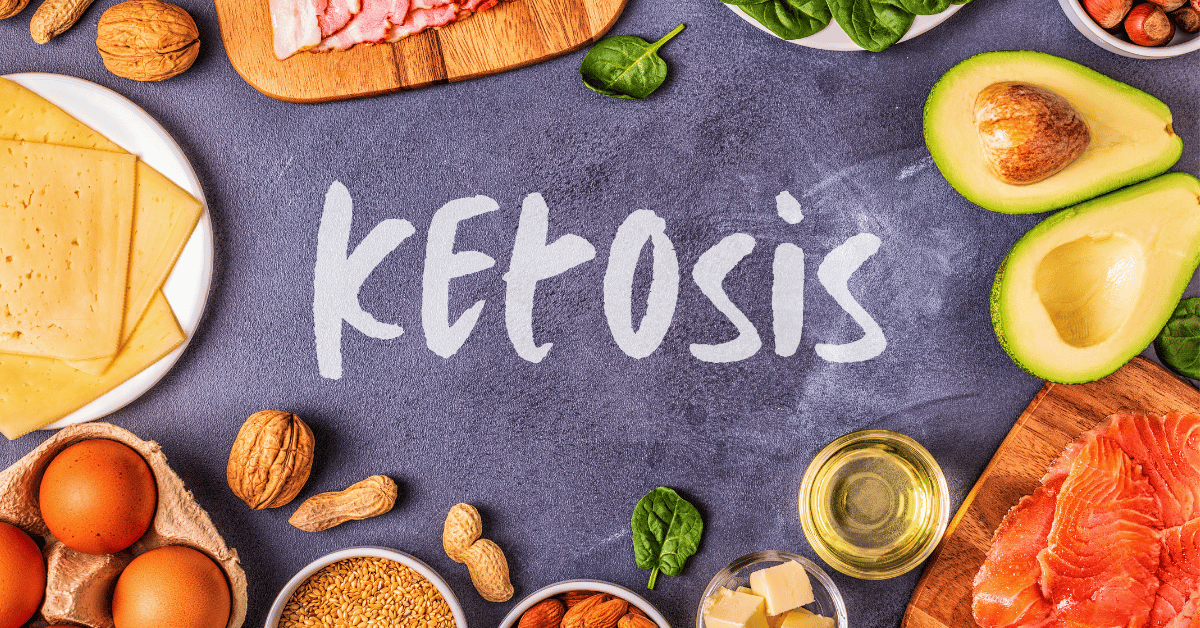
Ketosis vs Ketoacidosis comes down to control and acid balance. Ketosis is usually a regulated fuel shift, while ketoacidosis is a dangerous buildup of ketones with metabolic acidosis (too much acid in the blood). This difference matters most for people with diabetes, people who fast, low-carb eaters, pregnant people, and anyone using medicines that can affect ketone risk.
Key Takeaways
- Ketosis: ketones rise while blood pH stays stable.
- Ketoacidosis: ketones rise with dangerous acid buildup.
- Diabetes risk: missed insulin and illness can trigger DKA.
- Non-diabetic risk: starvation, alcohol use, and pregnancy can contribute.
- Urgent symptoms: vomiting, rapid breathing, confusion, or severe weakness.
Ketosis and Ketoacidosis: The Core Difference
Ketosis is a normal metabolic response to lower carbohydrate availability. The liver makes ketone bodies, mainly beta-hydroxybutyrate and acetoacetate, so cells can use fat-derived fuel. In most healthy adults, insulin remains present. That insulin signal limits excessive ketone production and helps keep blood acidity within a safe range.
Ketoacidosis is different. It happens when ketones accumulate faster than the body can buffer them, causing metabolic acidosis. In diabetic ketoacidosis, often called DKA, insulin is too low or ineffective. Stress hormones rise during infection, injury, vomiting, or missed insulin doses. The result can be high glucose, dehydration, electrolyte shifts, and acid buildup.
Why it matters: Ketosis may be expected during fasting or a ketogenic diet, but ketoacidosis needs urgent medical assessment.
The practical question is not just, “Are ketones present?” It is, “Are ketones high, is glucose abnormal, and are there symptoms of acidosis or dehydration?” If you need a deeper diabetes-specific discussion, see Diabetic Ketoacidosis for causes, symptoms, and treatment context.
How to Tell Them Apart in Real Life
You cannot reliably separate safe ketosis from ketoacidosis by symptoms alone, especially early on. Context, blood glucose, ketone levels, hydration status, and acid-base labs all matter. Blood ketone meters usually measure beta-hydroxybutyrate, which is often more useful than urine strips when accuracy matters.
| Feature | Physiologic Ketosis | Ketoacidosis |
|---|---|---|
| Typical context | Low-carb eating, short fasting, sustained exercise | Missed insulin, infection, vomiting, dehydration, alcohol-related illness, starvation |
| Ketones | Present, often modest | High or rising, often with symptoms |
| Blood glucose | Often normal in people without diabetes | Often high in DKA, but may be normal in euglycemic DKA |
| Blood pH and bicarbonate | Usually normal | Acidotic, with low bicarbonate |
| How you may feel | Sometimes mild thirst, appetite change, or “keto breath” | Nausea, vomiting, abdominal pain, rapid breathing, confusion, severe fatigue |
| Level of concern | Usually monitored, not an emergency | Medical emergency or urgent evaluation |
Some people ask whether ketosis can turn into ketoacidosis. In people who make enough insulin and stay hydrated, ordinary nutritional ketosis rarely progresses to ketoacidosis. Risk rises when insulin is absent or inadequate, intake is very poor, vomiting continues, dehydration develops, or certain medications are involved.
People with type 1 diabetes need extra caution because ketones can rise quickly when insulin is missed or illness increases insulin needs. For more context on diet decisions in this group, read Keto Diet and Type 1 Diabetes.
Ketogenesis, Glucose, and Gluconeogenesis
Ketogenesis is the liver process that produces ketones. Ketosis is the broader metabolic state where those ketones become an important fuel source. The terms sound similar, but they describe different levels of the same system.
When carbohydrate intake falls, insulin usually decreases and glucagon rises. The body releases fatty acids from fat stores, and the liver converts some of them into ketones. At the same time, gluconeogenesis (making glucose from non-carbohydrate sources) continues. This supports tissues that still need glucose, including red blood cells.
Comparing ketosis vs glucose can be misleading if it sounds like the body uses only one fuel. In reality, metabolism blends fuel sources. During nutritional ketosis, many tissues use more fat and ketones, while glucose remains available. Gluconeogenesis is not automatically harmful. It is a normal backup pathway, though persistent high glucose in diabetes needs clinician-guided attention.
For readers comparing diet patterns and carbohydrate targets, Understanding the Keto Diet explains the basic structure of ketogenic eating without treating it as suitable for everyone.
Fasting, Autophagy, and Starvation Ketoacidosis
Fasting can raise ketones, but fasting ketosis is not the same as ketoacidosis. During short planned fasts, many healthy adults keep enough insulin activity to limit ketone overproduction. Hydration, baseline health, pregnancy status, medication use, and illness all change the safety picture.
Autophagy is a cellular recycling process that may increase during nutrient scarcity and exercise. People often ask whether 16 hours of fasting is enough for autophagy, when autophagy peaks, or whether autophagy is good or bad. These questions do not have one simple home-testing answer. Autophagy varies by tissue, energy balance, activity, sleep, and underlying health. Ketone readings do not prove autophagy is happening, and “signs of autophagy” are not reliable clinical markers.
Starvation ketoacidosis is a pathologic state that can occur after prolonged inadequate intake, especially with illness, pregnancy, vomiting, or low glycogen stores. Starvation ketoacidosis symptoms may include weakness, nausea, abdominal discomfort, fast breathing, dizziness, or confusion. It can occur without diabetes, so normal glucose does not always rule out serious illness.
Quick tip: If fasting overlaps with vomiting, pregnancy, diabetes, or medication changes, ask a clinician about safer monitoring.
Can a Keto Diet Cause Ketoacidosis?
A ketogenic diet alone rarely causes ketoacidosis in people with normal insulin production. However, diet-induced ketoacidosis has been reported in higher-risk settings, especially when carbohydrate intake is very low and another stressor is present. Those stressors can include infection, dehydration, prolonged vomiting, pregnancy, heavy alcohol use, or insulin omission.
People with diabetes should not stop or reduce prescribed insulin to “stay in ketosis” unless their clinician has given a clear plan. Insulin is not only a glucose-lowering hormone. It also restrains ketone production. This is one reason a low-carb diet may require closer professional guidance in type 1 diabetes or insulin-treated diabetes.
Some medications used for type 2 diabetes, including SGLT2 inhibitors, have been associated with euglycemic DKA. In that pattern, glucose may be lower than expected despite serious ketoacidosis. Sick-day rules, surgery instructions, and ketone testing plans should come from the prescribing clinician.
People exploring a ketogenic pattern for weight or diabetes goals can review Ketogenic Diet for Weight Loss and Diabetes for broader benefits, cautions, and discussion points.
Non-Diabetic Ketoacidosis: Alcohol, Starvation, and Pregnancy
Non-diabetic ketoacidosis is less common than DKA, but it can be dangerous. It usually appears when the body has low available carbohydrate, high stress hormones, dehydration, and impaired ability to clear acids. The glucose level may be normal, low, or only mildly elevated.
Alcoholic ketoacidosis
Alcoholic ketoacidosis can occur after heavy alcohol use, poor food intake, vomiting, and dehydration. People may have nausea, abdominal pain, weakness, and rapid breathing. Treatment differs from standard DKA because clinicians often need to address thiamine status, dextrose-containing fluids, and electrolyte problems.
Starvation ketoacidosis
Starvation ketoacidosis can develop when inadequate intake continues for days or when short intake restriction combines with illness. Pregnancy increases vulnerability because metabolism shifts and fetal needs continue. Anyone who is pregnant and has moderate or large ketones, repeated vomiting, or feeling very unwell should seek prompt medical guidance. For pregnancy-specific background, see Ketones in Urine During Pregnancy.
Monitoring Ketones and Knowing When to Seek Care
Monitoring should match your risk. People without diabetes who feel well during a short low-carb period may not need intensive testing. People with diabetes, pregnancy, prolonged fasting, recent illness, or vomiting may need a clearer plan from their healthcare team.
Blood ketone testing is often more current than urine testing. Urine strips can lag behind blood values and may be harder to interpret during dehydration. Blood glucose testing is also important because glucose helps frame the risk pattern. However, euglycemic ketoacidosis can occur, so normal glucose does not always make symptoms safe to ignore.
An anion gap is a lab calculation clinicians use when evaluating metabolic acidosis. This calculator can help readers understand the general math behind the value, but it cannot diagnose ketoacidosis or replace clinical testing.
Anion Gap Calculator
Calculate anion gap from sodium, chloride, and bicarbonate, with optional albumin correction.
These calculations are for education only and do not replace clinical advice, diagnosis, or treatment. Always confirm medical decisions with a qualified healthcare professional.
Seek urgent care if ketones are high or rising and you have persistent vomiting, abdominal pain, deep or rapid breathing, fruity-smelling breath, confusion, fainting, chest pain, or severe weakness. People with diabetes should follow their sick-day plan and contact their care team for ketone thresholds and insulin instructions.
Practical Prevention Steps During Illness or Low-Carb Eating
Prevention focuses on hydration, medication safety, and early testing when symptoms appear. The goal is not to eliminate every ketone reading. The goal is to prevent uncontrolled ketone rise with dehydration and acidosis.
- Keep supplies ready: glucose meter, ketone strips, and fluids.
- Use sick-day rules: review them before illness happens.
- Do not skip insulin: ask about adjustments instead.
- Watch hydration: vomiting can change risk quickly.
- Add carbohydrates when advised: illness may require flexibility.
- Pause intense exercise: avoid pushing through symptoms.
- Plan for surgery: ask about fasting and medication holds.
How to avoid ketoacidosis on keto diet depends on your baseline risk. People with diabetes, kidney disease, pregnancy, eating disorder history, or medication-related hypoglycemia risk should involve a clinician or registered dietitian before making major carbohydrate changes. The Diabetes Articles collection offers broader education on related monitoring and complication topics.
Authoritative Sources
For a concise public-health overview of diabetes complications and urgent warning signs, review the CDC diabetes complications resource.
For background on alcohol-related ketoacidosis, see the MedlinePlus alcoholic ketoacidosis overview.
For a clinical discussion of ketone biology and acidosis mechanisms, the PubMed Central ketone review provides deeper scientific context.
Recap
Ketosis vs Ketoacidosis is a safety distinction, not just a vocabulary issue. Ketosis is usually a controlled response to low carbohydrate availability. Ketoacidosis is an acid-base emergency that can cause rapid deterioration, especially with diabetes, vomiting, dehydration, pregnancy, starvation, alcohol-related illness, or medication-related risk.
If you are comparing diet choices, fasting practices, or ketone readings, focus on symptoms, glucose, hydration, and your medical context. When symptoms suggest acidosis, do not try to manage it as ordinary ketosis. Early medical assessment is safer than waiting for severe dehydration or confusion to develop.
This content is for informational purposes only and is not a substitute for professional medical advice.


