
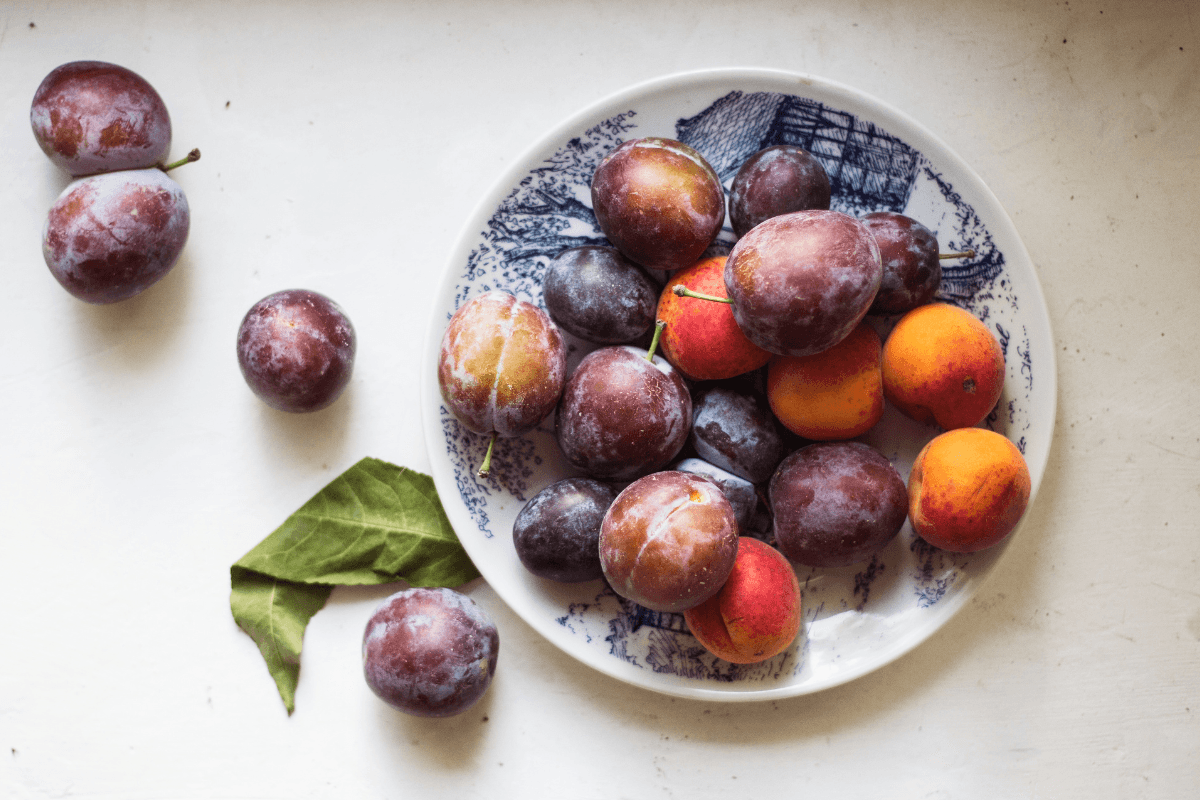
Plums can fit into many diabetes eating plans when you keep the portion modest, choose whole fruit, and watch your glucose response. The key issue with plums and diabetes is not whether the fruit is “allowed.” It is how much carbohydrate you eat, how ripe the fruit is, and what you eat with it.
Fresh plums offer water, fiber, vitamin C, potassium, and plant compounds called polyphenols. They are usually a better choice than plum juice or large servings of dried plums because whole fruit has more volume and slower digestion. Still, your response can differ from someone else’s, especially if you use insulin or medicines that can cause low blood sugar.
Key Takeaways
- Fresh plums can fit: one small or medium plum is often a reasonable starting serving.
- Carbs still count: natural sugar affects blood glucose, even in nutrient-rich fruit.
- Pairing helps: protein, fat, or a mixed meal may slow absorption.
- Dried plums are concentrated: measure them carefully and avoid treating them like fresh fruit.
- Personal data matters: use meter or CGM trends to adjust portions.
How Plums Affect Blood Sugar
Fresh plums tend to have a low to moderate glycemic impact in normal portions. Glycemic impact means how much and how quickly a food may raise blood glucose after eating. A small fresh plum contains natural sugars, but it also contains water and fiber, which slow digestion.
Why this matters: fruit can be nutritious and still raise glucose if the serving is too large. For most people, the total carbohydrate amount matters more than the fruit name alone. A very ripe plum may taste sweeter, and several plums eaten together can add up quickly.
The skin is useful because it provides some insoluble fiber. Soluble fiber in the fruit may also slow stomach emptying and carbohydrate absorption. These effects are helpful, but they do not cancel the carbohydrate content.
If you are comparing fruit options, plums often sit near other stone fruits such as peaches and nectarines. For a broader look at fruit choices by glycemic pattern, see Low GI Fruits. If you want a general framework for choosing fruit with diabetes, What Fruits Are Good for Diabetics covers portions, labels, and meal context.
How Many Plums Can Someone With Diabetes Eat?
Many people start with one small or medium fresh plum as one fruit serving. That amount often provides about 7 to 10 grams of carbohydrate, depending on size and ripeness. Some people may fit two small plums into a day, but spacing fruit across meals usually works better than eating several at once.
There is no single safe number for everyone. Your target depends on your carbohydrate plan, activity level, medications, kidney function, and recent glucose readings. If you count carbohydrates, include plums in your planned total rather than adding them on top of a meal.
Practical portion cues can help:
- Small snack: one fresh plum with nuts or cheese.
- Meal addition: sliced plum in yogurt or salad.
- Higher-carb meal: skip extra fruit or reduce another carb source.
- After exercise: check your pattern, especially if using insulin.
- Evening snack: pair fruit with protein to improve fullness.
If you are learning how fruit fits into your day, a carb serving tool can help you compare portions. It estimates carbohydrate servings from total carbohydrate, but it does not replace advice from your clinician or dietitian.
Carb Serving Calculator
Convert total carbohydrate grams into carb choices for meal planning and diabetes education.
These calculations are for education only and do not replace clinical advice, diagnosis, or treatment. Always confirm medical decisions with a qualified healthcare professional.
People who have repeated highs or lows after fruit should review patterns with a registered dietitian or diabetes clinician. This is especially important during pregnancy, with gastroparesis, kidney disease, eating disorders, or medication-related hypoglycemia.
Are Plums High in Sugar?
Plums are not usually considered a high-sugar fruit by serving size, but they are not sugar-free. Their sweetness comes from naturally occurring sugars, mainly glucose, fructose, and sucrose. The water content makes a fresh plum less concentrated than dried fruit.
A useful comparison is volume. One fresh plum may feel like a complete snack because it contains water and fiber. Dried plums, also called prunes, shrink during dehydration. This makes it easy to eat more carbohydrate in fewer bites.
Quick tip: choose whole plums over juice because juice removes most fiber and is easier to overconsume.
Fruit lists can be misleading if they label foods as simply good or bad. A better approach is to compare portion size, fiber, ripeness, and your own glucose response. For that broader context, Fruit and Diabetes-Friendly Diets explains why fruit quality and meal balance both matter.
Fresh, Dried, Black, and Cherry Plums
Different plum forms affect blood sugar differently because processing changes water, fiber density, and serving size. Fresh plums are usually the simplest option because the portion is visible and filling. Dried plums require more careful measuring.
Fresh plums
Fresh red, purple, yellow, and black plums have similar planning principles. Black plums may contain dark pigments such as anthocyanins, but they still contain carbohydrate. Do not assume a darker plum will lower glucose or offset a larger serving.
Dried plums
Dried plums can fit some meal plans, but the serving should be small and counted. They are more concentrated in carbohydrate and may also affect bowel movements because of fiber and sorbitol, a sugar alcohol. If you use them for constipation, discuss the amount with a clinician if glucose control is difficult.
Cherry plums
Cherry plums are smaller, so people may eat several without noticing the total. Count the portion by the total amount eaten, not the number of pieces. If they are very ripe or used in jams, sauces, or desserts, the glucose effect may be higher.
Plum juice, sweetened canned plums, jams, and syrups are less useful for glucose-aware eating. They digest quickly and may contain added sugar. If you use canned fruit, choose fruit packed in water when possible and check the label.
How to Eat Plums More Safely With Diabetes
The safest way to test plums is to start small and keep the rest of the meal steady. This helps you see the fruit’s effect without confusing it with a high-carb meal, dessert, or sugary drink.
Try these practical pairings:
- Greek yogurt: add sliced plum and cinnamon.
- Nut butter: spread a small amount on plum wedges.
- Cottage cheese: mix with diced plum for a snack.
- Green salad: add thin plum slices with seeds.
- Lean protein: serve one plum after a balanced meal.
Timing can also matter. Some people see a smaller rise when they eat fruit after a meal or near physical activity. Others need a smaller portion regardless of timing. A glucose meter or continuous glucose monitor can show your own pattern.
For variety, rotate plums with berries, citrus, apples, or other fruits you tolerate well. The goal is not to find a “miracle fruit” for type 2 diabetes. No fruit reliably treats diabetes by itself. Food choices work best as part of an overall plan that includes medication use, activity, sleep, and regular monitoring when recommended.
If you are building a broader fruit plan, Best Fruits for Diabetics offers practical comparisons without treating one fruit as universally best. For choices that are easier to overeat or drink, Fruits for Diabetics to Avoid explains why serving size and preparation matter.
Benefits and Side Effects to Consider
Plum fruit benefits come from fiber, hydration, micronutrients, and polyphenols. These nutrients may support fullness, bowel regularity, and overall diet quality. Replacing candy, pastries, or sweetened drinks with a measured serving of whole fruit can also reduce added sugar intake.
The main side effects of eating too many plums are digestive. Large servings may cause gas, bloating, cramping, or loose stools. Dried plums are more likely to do this because they are concentrated and contain more sorbitol per serving.
Some people should be more cautious. If you have chronic kidney disease, you may need individualized potassium guidance. If you have irritable bowel syndrome or follow a low-FODMAP plan, plums may worsen symptoms. If you have gastroparesis, the timing and fiber content of fruit may need review.
Medication context also matters. People who use insulin or sulfonylureas may need consistent carbohydrate intake to reduce low blood sugar risk. Do not change medication doses because of fruit choices unless your prescriber tells you to.
Plums Compared With Peaches, Nectarines, and Other Fruits
Plums, peaches, and nectarines can all fit into diabetes meal planning when portions are measured. The differences are usually smaller than people expect. Ripeness, serving size, and what you eat with the fruit often matter more than the specific stone fruit.
Grapes and cherries can be harder to portion because they are small and easy to snack on continuously. Melons may have more water, but large bowls still provide carbohydrate. Tropical fruits can be useful in small portions, yet some are easy to over-serve.
A simple comparison approach works better than memorizing long lists:
- Check the form: whole fruit usually beats juice.
- Measure the portion: small fruits can add up.
- Count total carbs: include fruit in the meal plan.
- Look for fiber: skin and pulp help slow digestion.
- Track your response: readings are more useful than guesses.
For more diabetes nutrition topics and related condition content, you can browse the Diabetes Articles collection. The Diabetes condition page is also available for navigation across diabetes-related resources.
When to Limit or Avoid Plums
You may need to limit plums if they repeatedly cause glucose spikes, digestive symptoms, or conflicts with your nutrition plan. This does not mean the fruit is harmful for everyone. It means your portion, timing, or form may need adjustment.
Consider avoiding or reducing plums in these situations until you have guidance:
- Unexplained high readings: review total carbohydrate and serving size.
- Frequent hypoglycemia: ask about medication and meal consistency.
- Kidney disease: confirm potassium targets with your care team.
- Digestive intolerance: reduce portion or avoid dried plums.
- Sweetened products: skip juices, jams, syrups, and desserts.
Seek medical advice promptly for severe abdominal pain, persistent diarrhea, dehydration symptoms, or repeated glucose readings outside your target range. If you are unsure whether fruit fits your plan, a registered dietitian can help translate carbohydrate targets into real meals.
Authoritative Sources
For nutrition values and general food composition, the USDA FoodData Central database provides searchable nutrient information for raw and prepared foods.
For carbohydrate planning basics in diabetes, the CDC carbohydrate counting guidance explains how carb grams affect meal planning.
For kidney disease nutrition considerations, the NIDDK kidney nutrition resource outlines why potassium and other nutrients may need monitoring.
Recap
Plums and diabetes can work together when you choose whole fresh fruit, keep portions measured, and account for carbohydrates. One small or medium plum is a common starting point, while dried plums, juice, jams, and sweetened products need more caution.
Use your own glucose data to decide whether plums fit your routine. If readings are unpredictable, or if kidney disease, pregnancy, gastroparesis, or medication-related lows are part of your situation, ask your clinician or dietitian for individualized guidance.
This content is for informational purposes only and is not a substitute for professional medical advice.


