
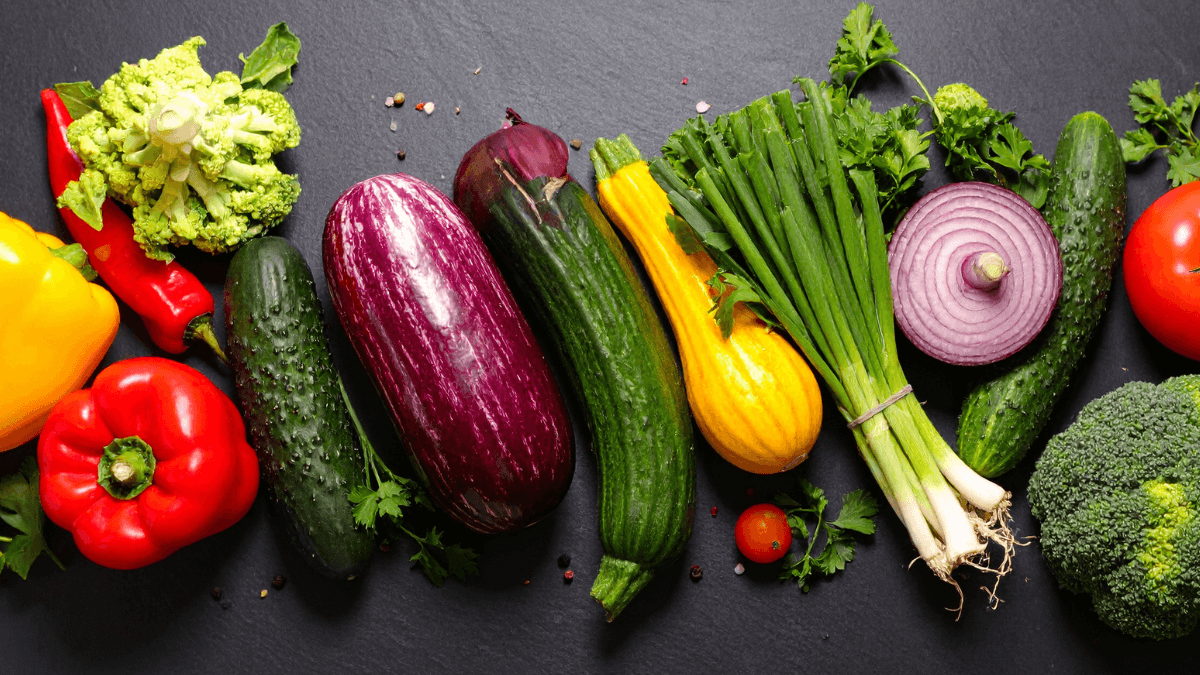
Low carb veggies are usually non-starchy vegetables that add volume, fibre, minerals, and colour with fewer carbohydrate grams than potatoes, corn, peas, or winter squash. For people with diabetes, this matters because carbohydrate portions often have the strongest meal-time effect on blood glucose. These vegetables are not carb-free, and sauces, coatings, or large portions can change the meal quickly. The practical goal is not a no-carb plate. It is a repeatable pattern that fits your glucose targets, medicines, appetite, budget, and culture.
Key Takeaways
- Best-fit choices include leafy greens, cucumber, celery, peppers, mushrooms, zucchini, asparagus, cauliflower, broccoli, and green beans.
- Starchy vegetables are not automatically off-limits, but they usually need measured portions and planned carbohydrate counting.
- Total carbohydrate matters more than whether a food sounds natural, healthy, sugar-free, or keto-friendly.
- Very low carbohydrate changes can affect medication safety, especially with insulin or medicines linked with hypoglycemia.
- A registered dietitian can help if you have pregnancy, kidney disease, gastroparesis, repeated highs or lows, or a history of disordered eating.
Low Carb Vegetables and Blood Sugar Basics
Low-carb vegetables usually raise blood glucose less than starch-heavy vegetables because they contain less total carbohydrate per serving. They also bring water and fibre, which can make meals feel larger without adding many carb grams. This is why non-starchy vegetables often sit at the centre of diabetes meal planning.
Carbohydrate is not only sugar. Starches also break down into glucose during digestion. Corn, peas, potatoes, sweet potatoes, plantain, and many winter squashes contain more starch than spinach, cucumbers, mushrooms, or zucchini. A food can be nutritious and still need portion planning.
So-called no sugar vegetables can still contain small amounts of carbohydrate. That does not make them poor choices. It means the portion and the full meal matter. If vegetables are cooked with sweet sauce, flour, bread crumbs, juice, or a thick glaze, the carbohydrate load can rise quickly.
For many people, the biggest benefit comes from replacing part of a high-starch side with a non-starchy vegetable. That may reduce the meal’s carbohydrate load while keeping the plate filling. If insulin resistance is part of your diabetes picture, Improving Insulin Sensitivity gives broader context on glucose patterns, movement, and daily habits.
Very low carbohydrate eating is different from simply eating more vegetables. Cutting carbs sharply may cause fatigue, constipation, headaches, or low blood glucose in some people, especially when medicines are involved. You do not need to remove all carbohydrates to build a diabetes-friendly meal pattern.
A Practical Vegetable Carb Chart
Vegetable carbohydrate values vary by variety, ripeness, cooking method, and serving size. The table below gives practical starting estimates for common portions. Use food labels, nutrient databases, or your care team’s plan when exact counting matters.
| Vegetable or Group | Common Portion | Estimated Total Carbs | How to Think About It |
|---|---|---|---|
| Leafy greens | 1 cup raw | About 1-2 g | Useful for salads, wraps, bowls, and cooked sides. |
| Celery or cucumber | 1 cup raw | About 3-4 g | Good crunch with dips that are not sweetened. |
| Broccoli | 1/2 cup cooked | About 5-6 g | Higher than greens, but still a common non-starchy choice. |
| Cauliflower | 1/2 cup cooked | About 2-3 g | Often used as a rice or potato swap. |
| Bell pepper | 1/2 cup raw | About 3-4 g | Adds sweetness and colour without a large starch load. |
| Green beans | 1/2 cup cooked | About 4-5 g | A practical side when portions stay moderate. |
| Carrots | 1/2 cup cooked | About 6 g | Not off-limits, but count larger servings. |
| Peas or corn | 1/2 cup cooked | About 11-16 g | Count as starchy vegetables in many meal plans. |
| Potato or sweet potato | Small portion | Often 15 g or more | Plan like another starch, not like leafy greens. |
Why it matters: Vegetable labels and portions can change a meal more than the vegetable name alone.
Many diabetes education plans use about 15 g of carbohydrate as one carbohydrate serving, but your personal target may differ. The calculator below can help you divide total carbohydrate grams by a chosen serving target for meal-planning math. It does not replace clinical guidance.
Carb Serving Calculator
Convert total carbohydrate grams into carb choices for meal planning and diabetes education.
These calculations are for education only and do not replace clinical advice, diagnosis, or treatment. Always confirm medical decisions with a qualified healthcare professional.
Portions That Work on a Diabetes Plate
A balanced diabetes plate often starts with a large space for non-starchy vegetables, then adds protein and a measured carbohydrate food. A common visual approach is half the plate for non-starchy vegetables, one quarter for lean or protein-rich foods, and one quarter for grains, beans, fruit, milk, or starchy vegetables. This is a planning tool, not a prescription.
Use low carb veggies to make meals larger without doubling the starch. For example, a bowl with cauliflower rice and a smaller scoop of regular rice may feel more satisfying than rice alone. Zucchini noodles can sit under a tomato-based sauce, while a modest portion of pasta supplies the counted carbohydrate. Broccoli can bulk up a stir-fry so the noodle or rice portion is easier to see.
Portion size still counts. A spoonful of cooked carrots has a different glucose impact than several cups. A salad can change if it includes dried fruit, croutons, tortilla strips, sweet dressing, or large amounts of beans. These foods may fit your plan, but they should not disappear from your count.
If you want a deeper look at one common vegetable, Broccoli And Diabetes reviews nutrients, portions, and practical meal ideas. Protein choices also matter because they help round out the plate; Tofu For Diabetics covers one plant-based option.
Starchy Vegetables: Limit, Pair, or Swap
High carb vegetables to avoid for diabetes is a common search phrase, but avoid is usually too rigid. A better question is how much, how often, and with what else. Potatoes, corn, peas, sweet potatoes, plantain, cassava, and winter squash can be part of a meal plan when portions are counted and paired thoughtfully.
Pairing can help make the meal more balanced. Protein foods, unsaturated fats, and non-starchy vegetables may slow the eating pace and make smaller starch portions feel more complete. This does not cancel carbohydrate grams. It simply keeps the full meal in view.
Swaps can also help. Try mashed cauliflower for part of mashed potatoes, zucchini slices instead of some lasagna noodles, lettuce cups instead of large wraps, or roasted radishes beside a smaller potato serving. These swaps work best when they match the flavour and texture you want, not when they feel like punishment.
People using a stricter low-carbohydrate pattern may compare their plan with The Ketogenic Diet. That approach needs extra care if diabetes medicines can cause hypoglycemia, and it should be discussed with a clinician when medication changes or repeated low readings are possible.
Low Carb Fruits and Vegetables in One Meal
Fruit is not a vegetable, and it is not off-limits for diabetes. It does, however, bring more natural sugar and carbohydrate than many non-starchy vegetables. The simplest approach is to count fruit as part of the meal’s carbohydrate budget rather than treating it as free.
Lower-carbohydrate fruit portions often include berries, melon, or a small serving of citrus. Higher-carbohydrate portions may include large bananas, grapes, dried fruit, fruit juice, or large smoothies. Juice and dried fruit can be easier to overconsume because they remove some chewing and volume.
When you combine fruit with low carb veggies, build the meal around the total carbohydrate. A salad with cucumber, spinach, grilled protein, and a small amount of berries may fit differently than the same salad plus dried cranberries, candied nuts, and sweet dressing. The difference is not the word fruit. It is the total portion and added ingredients.
Medication, Hypoglycemia, and Special Situations
Changing carbohydrate intake can change glucose patterns, especially if you use insulin or medicines that can cause hypoglycemia. Do not adjust prescribed medicines on your own to match a new eating plan. Ask your clinician or diabetes educator how to monitor readings and what to do if meals become smaller or lower in carbohydrates.
Some people need extra care before making major carbohydrate changes. This includes pregnancy, kidney disease, gastroparesis, repeated low blood glucose, recent unexplained weight loss, eating disorders, or intensive athletic training. A registered dietitian can translate general lists into portions that fit your medical needs.
Appetite, nausea, and meal size can also shift with some diabetes or weight-management medicines. If vegetables suddenly feel harder to tolerate, keep notes on portion size, cooking method, symptoms, and glucose readings. This makes follow-up conversations more specific.
Quick tip: Keep a short meal and glucose note when changing portions.
Grocery and Meal Prep Cues That Keep Carbs Visible
Shopping for low carb veggies is easier when you separate vegetables by role. Non-starchy vegetables fill space. Starchy vegetables act more like grains or other carbohydrate foods. Sauces, coatings, and mixed dishes need label checks because the vegetable may not be the main carbohydrate source.
- Choose plain frozen vegetables when sauces add sugar, flour, or starch.
- Rinse canned vegetables if sodium is a concern for your care plan.
- Measure starchy vegetables before adding butter, cheese, or gravy.
- Use herbs, vinegar, lemon, garlic, and spices for flavour without sweet sauces.
- Keep washed raw vegetables visible for snacks, lunch boxes, or quick sides.
- Compare labels for vegetable-based pastas, wraps, chips, and rice substitutes.
Meal prep does not need to be elaborate. Roast a tray of broccoli, peppers, zucchini, and mushrooms. Wash lettuce and chop cucumber. Keep cauliflower rice or green beans in the freezer. These steps make the lower-carbohydrate option available before hunger drives the decision.
Restaurant meals can hide extra starch in breading, thick sauces, fries, rice, and sweet drinks. The discussion of Fast Food And Diabetes Risk explains why convenience meals can make glucose planning harder.
How to Track Your Own Response
No vegetable list can predict every person’s blood glucose response. Glucose levels depend on the whole meal, portion size, cooking method, activity, sleep, stress, illness, and medication timing. Your own readings can show patterns that a generic list cannot.
If you monitor glucose, compare similar meals rather than random days. For example, test how a small potato serving compares with a cauliflower and potato mix, or how broccoli and rice compare with rice alone. Continuous glucose monitor data can also show timing and trends, but the numbers still need clinical interpretation.
A low-carbohydrate pattern may help some people improve post-meal readings or A1C, but it is not a stand-alone treatment. A1C reflects average glucose over time and can change with medicines, illness, weight changes, sleep, activity, and meal consistency. If readings are repeatedly high or low, contact your diabetes care team.
For broader education, the Diabetes Articles collection includes related reading on glucose, food choices, and daily management. The Diabetes condition collection is a browseable product-related category, not a substitute for medical guidance.
Authoritative Sources
- The NIDDK diabetes diet and activity resource reviews balanced eating, carbohydrate foods, and activity for diabetes.
- The Diabetes Canada nutrition resource provides practical nutrition information for people living with diabetes.
- USDA FoodData Central provides nutrient data that can support portion and label checks.
Use vegetable lists as a starting point, then adjust with your care team and your own glucose data. Low carb veggies can make meals easier to build, but the safest plan still depends on portions, medicines, health history, and personal response.
This content is for informational purposes only and is not a substitute for professional medical advice.


