
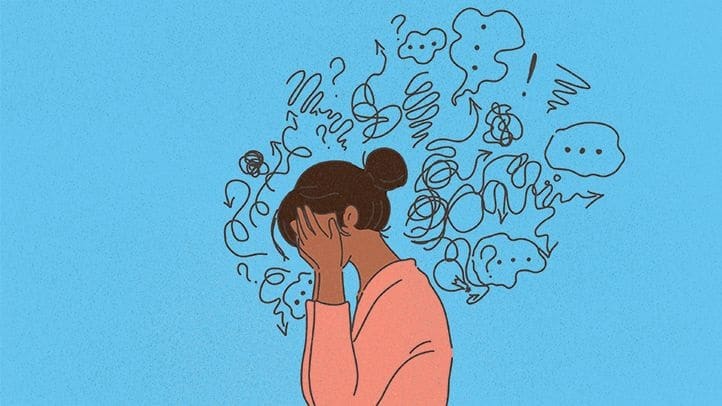
Diabetes and anxiety can influence each other through blood sugar changes, daily treatment demands, sleep disruption, and fear of complications. The safest first step is to check glucose when symptoms feel sudden or physical, then address worry once low or high blood sugar has been considered.
Key Takeaways
- Two-way link: glucose swings can intensify anxiety, and anxiety can disrupt diabetes routines.
- Check glucose first: shaking, sweating, and palpitations may reflect hypoglycemia or panic.
- Look for patterns: meals, insulin, exercise, sleep, and illness can all affect symptoms.
- Treatment can help: therapy, medication, routines, and diabetes education may reduce distress.
- Escalate safely: severe chest pain, confusion, suicidal thoughts, or glucose emergencies need urgent care.
Why Diabetes and Anxiety Often Overlap
Diabetes can create a constant mental workload. Food choices, glucose checks, medication timing, exercise, sick days, and alarms all require attention. That load can become anxiety when worry feels persistent, hard to control, or starts limiting daily life.
The relationship also works in the other direction. Anxiety can change sleep, appetite, concentration, and motivation. It may make glucose monitoring feel threatening instead of useful. Some people avoid checking readings because they fear a “bad” number. Others check repeatedly and feel worse after every fluctuation.
Why this matters: the same physical sensations can come from anxiety, low blood sugar, high blood sugar, caffeine, illness, thyroid problems, medication changes, or poor sleep. A careful sequence helps reduce mislabeling. Check glucose when symptoms appear, treat confirmed lows or highs according to your care plan, and then use calming strategies if anxiety remains.
For more on stress physiology and diabetes routines, see Stress and Diabetes. If mood shifts are part of the pattern, Diabetes and Mood Swings explains how variability can affect emotions.
Symptoms That Can Look Like Panic or Blood Sugar Trouble
Diabetes anxiety symptoms can be emotional, physical, or behavioral. Emotional symptoms include persistent worry, dread around readings, fear of hypoglycemia, irritability, racing thoughts, and difficulty relaxing. Behavioral signs include avoiding meals, skipping checks, overchecking, withdrawing from activities, or sleeping poorly.
Physical symptoms create the most confusion. Low blood sugar may cause shakiness, sweating, hunger, palpitations, tingling, weakness, and sudden fear. Panic attacks can also cause palpitations, trembling, sweating, chest tightness, shortness of breath, dizziness, nausea, and fear of losing control. Because the overlap is strong, glucose data matters.
High blood sugar can also affect how you feel. Some people notice fatigue, thirst, frequent urination, blurry vision, headache, brain fog, or irritability when readings are high. These symptoms can increase worry, especially when numbers rise quickly or do not respond as expected.
Low Blood Sugar and Anxiety
Low blood sugar and anxiety can feel nearly identical because both involve autonomic arousal, the body’s fight-or-flight response. If you use insulin or medicines that can cause hypoglycemia, a sudden “panic” feeling deserves a glucose check. If a low is confirmed, follow the hypoglycemia plan from your diabetes care team.
Some people continue to feel anxious after glucose returns to range. That can happen because adrenaline effects may linger. Once the immediate medical issue is addressed, slow breathing, grounding, sitting somewhere safe, and a planned recheck can help separate lingering fear from an ongoing low.
High Blood Sugar and Anxiety Attacks
High blood sugar does not usually mimic panic as closely as hypoglycemia, but it can still worsen distress. Thirst, fatigue, nausea, and brain fog may make someone fear they are losing control. Rapid changes can feel especially alarming when they happen at work, while driving, or overnight.
If high readings come with vomiting, severe dehydration, fruity-smelling breath, deep breathing, confusion, or ketone concerns, seek urgent medical guidance. Those symptoms may signal a serious glucose emergency, especially for people with type 1 diabetes or insulin deficiency.
Can Diabetes Cause Anxiety and Depression?
Diabetes can contribute to anxiety and depression, but it is rarely the only factor. Biology, daily self-management, past hypoglycemia, complications, financial stress, stigma, and sleep disruption can all play a role. People may also have anxiety or depression before diabetes begins.
Depression and anxiety often overlap. Depression may show up as low mood, loss of interest, guilt, fatigue, appetite changes, sleep changes, or difficulty concentrating. Anxiety may show up as worry, restlessness, panic, avoidance, or physical tension. When both are present, diabetes care may feel harder to start and harder to sustain.
Type 1 diabetes and anxiety often involve fear of lows, device alarms, dosing decisions, exercise uncertainty, and nighttime safety. Anxiety and diabetes type 2 may involve medication burden, weight stigma, other health conditions, work schedules, or fear of complications. These patterns differ, but both deserve serious attention.
New diagnosis can be a high-risk period for distress. If you or someone you support is adjusting to a diagnosis, Mental Health After Diagnosis covers early emotional reactions and coping steps. For a deeper look at the depression overlap, see Diabetes and Depression.
How to Sort Symptoms in the Moment
A simple action sequence can reduce risk during a diabetes anxiety attack. It should not replace your care plan, but it can help you respond more consistently when symptoms feel intense.
- Pause safely: Sit down if you feel shaky, dizzy, weak, or distracted.
- Check glucose: Use your meter or continuous glucose monitor if available.
- Follow your plan: Treat confirmed lows or highs as your clinician instructed.
- Recheck when advised: Confirm that the trend is improving before resuming risky tasks.
- Name the feeling: If glucose is not the cause, label it as anxiety rather than danger.
- Use one skill: Try slow breathing, grounding, or a short walk if safe.
- Record the pattern: Note meals, medicine, activity, sleep, caffeine, and stress.
Quick tip: Keep fast-acting carbohydrates, water, and a backup meter in a small routine kit.
Tracking can make these episodes less mysterious. If you use continuous glucose monitoring, time in range can show whether symptoms match glucose patterns or appear despite stable readings. This calculator can help you estimate general time-in-range percentages from readings or time blocks; it does not provide medical advice.
CGM Time-in-Range Summary
Summarise CGM percentages across very low, low, in-range, high, and very high glucose bands.
These calculations are for education only and do not replace clinical advice, diagnosis, or treatment. Always confirm medical decisions with a qualified healthcare professional.
Share repeated patterns with your diabetes care team, especially if symptoms happen during exercise, driving, sleep, illness, or medication changes. Bring logs rather than relying on memory alone.
Screening, Diagnosis, and When to Seek Help
Screening helps distinguish diabetes distress from an anxiety disorder, depression, or another medical cause. Diabetes distress means emotional strain linked to diabetes tasks and fears. An anxiety disorder involves persistent fear or worry that is excessive, hard to control, and disruptive. Both can occur together.
Clinicians may use tools such as the GAD-7 for anxiety symptoms and PHQ-9 for depression symptoms. They may also ask about sleep, substance use, caffeine, thyroid disease, infections, medication changes, hypoglycemia frequency, and major life stress. This broad review matters because several medical issues can mimic anxiety.
People often ask whether undiagnosed diabetes can cause anxiety. It can contribute to anxiety-like symptoms when glucose changes cause fatigue, thirst, urination, blurry vision, or weakness. Still, anxiety has many causes. Persistent symptoms deserve a medical assessment rather than self-diagnosis.
Seek urgent care for severe chest pain, fainting, confusion, seizure, severe dehydration, suicidal thoughts, or symptoms of a glucose emergency. If you have thoughts of self-harm, contact emergency services or a local crisis line immediately.
Treatment Options That Fit Diabetes Care
Treatment for diabetes and anxiety usually works best when mental health care and diabetes care are coordinated. The goal is not to remove every worry. The goal is to reduce fear, improve daily functioning, and make diabetes tasks feel manageable.
Cognitive behavioral therapy, often called CBT, is a common option. It helps people identify threat-based thoughts, reduce avoidance, and build practical coping skills. For panic symptoms, therapy may include interoceptive exposure, which means safely practicing feared body sensations so they feel less dangerous over time.
Diabetes education can also reduce anxiety. Clear sick-day rules, hypoglycemia plans, exercise guidance, and device settings may reduce uncertainty. If alarms create constant stress, ask your care team whether alert thresholds, timing, or education can be adjusted without reducing safety.
Medication may be appropriate when anxiety is persistent, severe, or not improving with therapy and routine changes. Selective serotonin reuptake inhibitors, or SSRIs, are commonly used for anxiety disorders. Examples on this site include Zoloft, Fluoxetine, and Escitalopram. These links are for product context only; medication choice should be individualized by a clinician.
Some medicines can affect appetite, weight, sleep, or glucose patterns in some people. When starting or changing mental health medication, ask how to monitor symptoms, glucose trends, side effects, and interactions. Do not stop or adjust prescribed medication without professional guidance.
Daily Habits That Lower the Mental Load
Small routines can reduce uncertainty. They do not cure anxiety, but they can make diabetes care less reactive. Choose habits that are realistic enough to repeat on difficult days.
- Meal anchors: Keep predictable meal timing when possible.
- Sleep protection: Create a consistent wind-down routine.
- Movement planning: Discuss exercise lows with your clinician.
- Alarm review: Balance safety alerts with alarm fatigue.
- Symptom notes: Track panic-like episodes and glucose readings.
- Support scripts: Tell trusted people what helps during lows.
Children and teens may need a different approach. School schedules, sports, sleepovers, and peer pressure can intensify fear. Parents may also feel anxious as a child becomes more independent. For family-focused strategies, see Anxiety and Fear in Children.
For broader reading, the Diabetes Articles collection and Mental Health Articles collection can help you explore related education. If you are browsing condition-related options, the Diabetes Condition page lists relevant site navigation, not personal treatment advice.
Authoritative Sources
The CDC explains diabetes and mental health, including the increased burden of anxiety and depression among people living with diabetes.
The American Diabetes Association covers hypoglycemia symptoms and general safety steps for low blood sugar.
The National Institute of Mental Health describes anxiety disorders, including common symptoms and treatment approaches.
Recap
Diabetes and anxiety overlap because glucose changes and fear responses share many symptoms. Check glucose first when symptoms are sudden or physical. Then use your care plan, track patterns, and seek support when worry becomes persistent, disruptive, or unsafe.
With the right help, many people build steadier routines and feel less controlled by readings. Therapy, education, medication review, sleep support, and practical planning can all play a role.
This content is for informational purposes only and is not a substitute for professional medical advice.


