
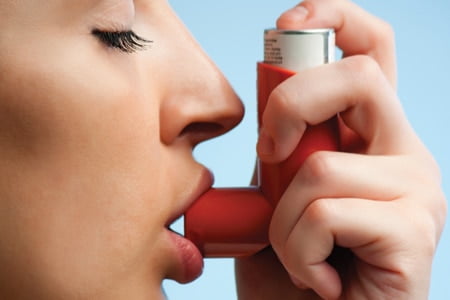
For most adults asking about inhaled insulin brands, the practical answer is simple: current options are limited, and Afrezza is the main modern marketed inhaled mealtime insulin readers will encounter. It is rapid-acting human insulin powder breathed through a small device for mealtime coverage. It does not replace basal insulin, and it is not suitable for people with certain lung conditions. That context matters because the decision is less about brand choice and more about eligibility, lung safety, dosing fit, and access.
Key Takeaways
- Limited choices: Afrezza is the main modern example.
- Mealtime role: It covers meals, not basal needs.
- Lung screening: Spirometry is part of safe use.
- Technique matters: Device training affects consistency.
- Coverage varies: Documentation and formularies differ.
Current Inhaled Insulin Brands and Options
Current inhaled insulin brands are not a large group of interchangeable products. Afrezza is the widely recognized modern brand, while earlier inhaled insulin systems, including Exubera, are no longer marketed. Older names may still appear in searches, which can make the category look broader than it is for someone considering therapy today.
The practical latest inhaled insulin question usually points back to Afrezza, not to several new brands. That makes the first decision route-based: whether pulmonary insulin fits your diabetes plan, lung health, meal patterns, and monitoring habits. If your clinician is comparing mealtime options, it helps to understand how inhaled insulin sits beside rapid-acting injections, cartridges, and pump boluses. For broader timing context, see Prandial Insulin Types.
Limited adoption has several possible reasons. People may need lung testing before starting, prescribers may be less familiar with the workflow, coverage may require extra documentation, and cartridge-based dosing takes training. Earlier devices also shaped public perception because some were bulky and difficult to integrate into daily routines. Low uptake does not mean inhaled therapy cannot be useful for a specific adult. It does explain why practical access can feel narrower than with injected insulin.
How Pulmonary Mealtime Insulin Works
Pulmonary insulin works by delivering dry human insulin powder into the deep lungs. The alveoli, which are tiny air sacs, provide a large surface for absorption into the bloodstream. This route supports rapid mealtime action, so it is used for prandial coverage rather than steady background coverage.
That distinction matters. Basal insulin provides background support between meals and overnight, while mealtime insulin addresses food-related glucose rises. Inhaled insulin can have a faster onset and shorter action profile than some injected bolus insulins, but individual response varies. Lung function, inhalation technique, meal composition, glucose trends, and clinician-directed dose adjustments all influence results.
People using basal insulin may still need it. Inhaled mealtime therapy should not be viewed as a full insulin replacement unless a prescriber has designed the whole regimen that way. For a wider view of devices and monitoring tools used alongside insulin, Diabetes Tech explains how pens, pumps, and CGMs fit into care.
Where It Fits in Type 1 and Type 2 Diabetes
Inhaled insulin may fit some adults who need rapid mealtime insulin and can complete lung-function screening. In type 1 diabetes, mealtime insulin is typically paired with basal insulin because the body makes little or no insulin. Inhaled mealtime insulin does not replace that background requirement.
In type 2 diabetes, the fit can look different. Some adults need mealtime insulin after other therapies no longer cover post-meal glucose well. Others may already use basal insulin and need additional prandial support. The reason for insulin need can differ between insulin resistance and insulin deficiency, which is why Insulin Resistance vs Insulin Deficiency can help frame the discussion.
It is also important to know what inhaled insulin is not for. It is not used to treat diabetic ketoacidosis, a serious emergency caused by severe insulin deficiency. It is also not a workaround for lung disease screening. Suitability depends on the official label, a clinician assessment, and the person’s ability to use the inhaler correctly.
Device Handling and Training Basics
An insulin inhaler is breath-powered, so technique is part of the treatment. The device uses single-use powder cartridges, and the person inhales the medicine through the mouthpiece. A clinician, pharmacist, or diabetes educator should demonstrate how to load the device, inhale consistently, and handle common device questions.
Cartridge-based dosing also feels different from pen dosing. Cartridges may be combined according to a prescribed plan, but they do not offer the same fine increments that some insulin pens provide. This is one reason dose conversion should stay clinician-directed. If you already use pens or cartridges, Insulin Cartridges can help clarify how cartridge systems differ in handling and storage.
Storage and moisture also matter because powder products can be sensitive to handling conditions. Training usually covers how to keep the device clean and dry, when to replace parts, and what to do if a cartridge appears damaged. Those details are practical, but they also affect dose consistency.
Quick tip: Ask for a hands-on demonstration before relying on the device at home.
Inhaled Insulin vs Injections: How to Compare
Inhaled insulin is not automatically better than injections. It is a different delivery route with different strengths, limits, and monitoring needs. The right comparison depends on what problem you are trying to solve, such as needle burden, post-meal timing, dosing flexibility, or device preference.
| Decision Point | Inhaled Mealtime Insulin | Injected Rapid-Acting Insulin |
|---|---|---|
| Route | Breathed through an inhaler into the lungs. | Given under the skin by pen, syringe, or pump. |
| Role | Used for meals, not basal coverage. | Used for meals or corrections, depending on the plan. |
| Dose flexibility | Uses cartridge combinations set by the prescriber. | Some pens and pumps allow smaller adjustment steps. |
| Training needs | Requires inhale technique and cartridge handling. | Requires injection technique and site rotation. |
| Safety screening | Requires lung-function assessment. | Does not require spirometry for the route itself. |
| Best fit question | Can lung screening, technique, and meal timing work together? | Can injection routine, dose precision, and supplies fit daily life? |
Injected analogs remain common because the tools are familiar, broadly used, and available in several formats. If your question is delivery mechanics, Insulin Pen vs Syringe compares common injection routes. If your question is mealtime pharmacology, Fiasp vs Humalog gives context on rapid analog differences.
Product-level references can also help you understand format differences. A page such as Novorapid Cartridge can be useful when comparing an injected cartridge format against an inhaled cartridge system. It should not be used to decide a dose or switch therapy without clinician direction.
Safety Checks, Side Effects, and Lung Function
Safety screening focuses on the lungs because the medicine is inhaled before it reaches the bloodstream. Spirometry is the breathing test commonly used to assess lung function. One key measure is FEV1, or forced expiratory volume in one second, which estimates how much air a person can force out quickly.
People with chronic lung disease, including asthma or COPD, are generally not candidates because acute bronchospasm can occur. Bronchospasm means sudden tightening of the airways, which can cause wheezing or breathing trouble. People who smoke or recently stopped smoking also need careful label-based review because inhaled insulin may not be recommended in those groups.
Common Afrezza side effects can include cough, throat irritation, and hypoglycemia, which means low blood glucose. Any insulin can cause hypoglycemia, especially if food intake, activity, illness, alcohol use, or other medicines change. Symptoms may include sweating, shaking, confusion, weakness, or fast heartbeat. Severe low blood glucose requires urgent help.
Report persistent cough, wheezing, shortness of breath, or a noticeable change in breathing after starting therapy. Seek urgent care for severe breathing difficulty, signs of severe hypoglycemia, seizure, loss of consciousness, or symptoms of a serious allergic reaction. Lung testing is not a formality; it helps identify people who may be harmed by an inhaled route.
Why it matters: A needle-free option still needs medical screening before use.
Access, Coverage, and Practical Cost Context
Coverage for inhaled insulin brands depends on plan rules, lung-function documentation, and local dispensing pathways. There is no universal answer to whether Afrezza is covered by insurance. Some formularies may include it, some may require prior authorization, and some may prefer injected rapid-acting insulin first.
Cost planning should include more than the cartridge fill. Spirometry visits, device training, glucose monitoring supplies, and alternative formulary options may all affect the total picture. If you are comparing affordability across diabetes treatments, Medication Access Planning can help structure the conversation without focusing on one product alone.
For medication access, CanadianInsulin.com functions as a prescription referral platform. Where required, prescription details may be confirmed with the prescriber. Dispensing, where permitted, is handled by licensed third-party pharmacies. Some patients also compare cash-pay options, including routes that do not rely on insurance, depending on eligibility and jurisdiction.
What to do next is practical. Ask the prescriber which lung tests are needed, which cartridge combinations match the plan, how refills are handled, and what monitoring changes are expected. Ask the pharmacy whether the product is routinely stocked or needs special ordering. These questions help prevent delays and reduce confusion after a prescription is written.
Authoritative Sources
- FDA Afrezza Prescribing Information: Official label details contraindications, spirometry monitoring, adverse reactions, and use limits.
- American Diabetes Association Insulin Basics: Consumer-level context on insulin categories and delivery approaches.
- ADCES Inhaled Insulin: Professional education on inhaled insulin as a delivery option.
Recap
Inhaled insulin brands are best understood as a narrow current category rather than a broad marketplace. Afrezza is the main modern example, and its value depends on fit: mealtime needs, lung safety, device technique, coverage, and comfort with cartridge-based dosing. It may offer needle-free mealtime dosing for some adults, but it also adds screening and training steps that injected insulin does not require.
Use this information to prepare a focused discussion with your care team. The key questions are whether the route is safe for your lungs, whether the action profile fits meals, and whether the access pathway is practical.
This content is for informational purposes only and is not a substitute for professional medical advice.


