
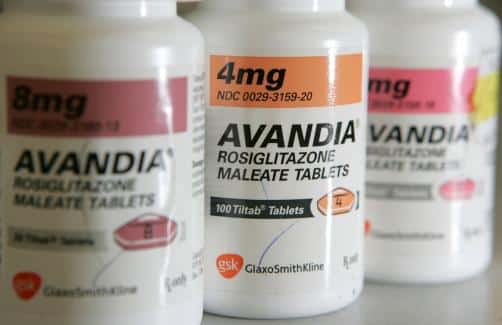
Rosiglitazone is an oral type 2 diabetes medicine that improves insulin sensitivity. It belongs to the thiazolidinedione class and is best understood as a glucose-lowering option that requires careful heart, liver, weight, and edema monitoring. It is not a first-choice medicine for every person, and its role depends on cardiovascular history, other diabetes therapies, and local availability.
Its brand name is Avandia, and the active ingredient is rosiglitazone maleate. The medication is used with nutrition, activity, and other diabetes care measures to help improve glycemic control in adults with type 2 diabetes. It is not used for type 1 diabetes or diabetic ketoacidosis.
Key Takeaways
- Drug class: A thiazolidinedione insulin sensitizer.
- Main use: Glycemic control in type 2 diabetes.
- Key risk: Fluid retention and heart failure worsening.
- Monitoring focus: Weight, edema, liver symptoms, and glucose trends.
- Access varies: Availability depends on region, formulary, and supply.
What Rosiglitazone Is and Where It Fits
Rosiglitazone is a thiazolidinedione, often shortened to TZD, which means it targets insulin resistance rather than stimulating insulin release. This distinction matters because hypoglycemia is less common when a TZD is used alone. The risk changes when it is combined with insulin or medicines that increase insulin secretion.
In type 2 diabetes, insulin resistance means muscle, fat, and liver cells do not respond to insulin as effectively. This can keep glucose levels elevated even when the pancreas still produces insulin. TZDs may help those tissues respond better, but the effect develops gradually. Clinicians usually review A1C, fasting glucose patterns, weight, edema history, and comorbid conditions before considering this class.
The medication’s generic name is rosiglitazone, while Avandia is the best-known rosiglitazone brand name. Readers comparing diabetes therapies may also find Common Diabetes Medications useful for class-level context. For condition-based browsing, the Type 2 Diabetes Articles collection groups related educational posts.
Why it matters: A medication’s class often predicts its benefits, risks, and monitoring needs.
Mechanism of Action in Plain Language
Rosiglitazone works mainly by activating peroxisome proliferator-activated receptor gamma, or PPAR-gamma. This receptor helps regulate genes involved in glucose and fat metabolism. When activated, it can improve insulin sensitivity in adipose tissue and muscle and may reduce glucose output from the liver.
The rosiglitazone mechanism of action explains why results are not immediate. Unlike rapid-acting insulin or some secretagogues, it does not push glucose down within hours. Clinicians usually evaluate response over weeks, using A1C and glucose patterns rather than a single reading. This slower onset also means dose changes should be reviewed carefully.
Insulin sensitivity is one part of a broader care plan. Nutrition, physical activity, sleep, weight changes, kidney function, and other medicines can all affect glucose readings. For a broader lifestyle and physiology discussion, see Improving Insulin Sensitivity.
Tracking A1C alongside estimated average glucose can help patients understand longer-term trends. This calculator can convert between A1C and estimated average glucose for general education, but it does not replace clinician interpretation.
HbA1c & eAG Calculator
Convert between HbA1c percentage and estimated average glucose using the ADAG relationship.
These calculations are for education only and do not replace clinical advice, diagnosis, or treatment. Always confirm medical decisions with a qualified healthcare professional.
Uses, Indications, and Dosing Discussions
The main rosiglitazone uses relate to glycemic control in adults with type 2 diabetes. It is used as an adjunct to diet and exercise, and sometimes with other glucose-lowering medicines. It is not a treatment for type 1 diabetes, and it does not treat diabetic ketoacidosis.
Rosiglitazone dosage is individualized by the prescriber. The official label provides dose ranges and administration details, but patients should not change their dose without medical guidance. In practice, clinicians consider baseline A1C, current therapy, edema risk, liver history, and whether the patient uses insulin or a sulfonylurea.
Combination therapy needs extra attention. When a TZD is paired with insulin or insulin secretagogues, glucose may fall more than expected. Fluid retention may also become more clinically important in some combinations. For a broader discussion of multi-drug treatment planning, Triple Combination Therapy explains how clinicians think through overlapping benefits and risks.
People often compare TZDs with metformin because both can be used in type 2 diabetes care. Metformin is commonly used early in therapy, while TZDs are usually considered when individualized factors support their use. For background on that cornerstone medicine, review the Metformin Comprehensive Guide.
Safety Risks, Contraindications, and Monitoring
The most important safety concern is fluid retention, which can worsen or trigger congestive heart failure. This risk appears in official labeling for the class. People with symptoms such as new shortness of breath, rapid weight gain, or swelling in the legs should seek medical evaluation promptly.
Rosiglitazone contraindications include established restrictions in certain heart failure settings. The medication is generally not used in people with New York Heart Association Class III or IV heart failure. Clinicians also use caution when cardiac disease, edema, or insulin therapy is present. These decisions require patient-specific review.
Other rosiglitazone side effects can include weight gain, edema, and changes in blood counts. Bone fracture risk, particularly in women, has been reported with TZD use. Macular edema, a swelling condition affecting the retina, has also been reported rarely. Patients should report new vision changes, unexplained swelling, or unusual fatigue.
Liver monitoring also matters. Baseline liver enzyme testing is often considered before starting therapy, and symptoms such as dark urine, persistent nausea, right upper abdominal pain, or yellowing of the skin should prompt medical review. These symptoms do not prove liver injury, but they should not be ignored.
Practical Monitoring Points
- Weight changes: Watch for rapid unexplained gain.
- Edema symptoms: Report ankle or leg swelling.
- Breathing changes: Seek care for new shortness of breath.
- Glucose patterns: Review trends after medication changes.
- Vision symptoms: Mention blurred or changed vision.
- Liver symptoms: Report jaundice or dark urine.
Quick tip: Bring home glucose logs and weight notes to medication reviews.
Why Rosiglitazone Was Restricted and Whether It Is Still Available
Rosiglitazone was not universally “banned” in the same way across all countries. Its use became restricted or limited in some settings after cardiovascular safety concerns, especially myocardial infarction risk signals, received regulatory attention. Later reviews changed restrictions in some jurisdictions, but access remains dependent on local regulation and supply.
In the United States, prior prescribing restrictions were removed after additional review, but commercial availability has varied. In other regions, formulary status and local rules may differ. Anyone asking whether rosiglitazone is still on the market should check current national drug databases, institutional formularies, or a prescriber’s local references.
Availability also differs from clinical suitability. A medicine can be available yet still be inappropriate for a specific person because of heart failure risk, liver concerns, interacting medicines, or treatment goals. CanadianInsulin.com functions as a prescription referral platform; where required, prescription details may be confirmed with the prescriber, while dispensing is handled by licensed third-party pharmacies where permitted.
Interactions, Metabolism, and Combination Therapy
Rosiglitazone metabolism mainly involves the liver enzyme CYP2C8. This is relevant because some medicines can raise or lower rosiglitazone exposure. Gemfibrozil, a lipid-lowering medicine, can increase exposure by inhibiting CYP2C8. Rifampin can reduce exposure by enzyme induction.
Rosiglitazone interactions are not limited to enzyme effects. Combining a TZD with insulin can increase the need to monitor for edema and hypoglycemia. Nonsteroidal anti-inflammatory drugs, certain blood pressure medicines, and other therapies that affect fluid balance may also complicate monitoring. Clinicians usually review the full medication list, including over-the-counter drugs and supplements.
Combination planning should reflect the person’s broader diabetes profile. Kidney function, cardiovascular disease, hypoglycemia history, body weight, and treatment preferences can all influence choices. The Type 2 Diabetes condition page offers a browseable list of related therapies, while the Diabetes Product Category can help readers understand therapy types without replacing clinical advice.
Rosiglitazone and Pioglitazone: Similar Class, Different Questions
Rosiglitazone and pioglitazone are both TZDs, so they share a core insulin-sensitizing mechanism. They are not interchangeable for every patient. Their labeling, safety discussions, lipid effects, and regulatory histories differ, which is why clinicians evaluate them separately.
Both drugs can cause fluid retention and weight gain. Both require caution in people at risk for heart failure. Pioglitazone has also had separate safety discussions, including bladder cancer-related warnings in some references. Rosiglitazone has had more prominent historical scrutiny around myocardial infarction signals. These issues do not make one medicine automatically better for all patients.
For readers who want the class comparison from another angle, Pioglitazone Mechanism of Action explains how a related TZD works. Comparing mechanisms can make it easier to understand why shared class risks still require drug-specific review.
Questions to Prepare for a Clinician Review
A focused medication review helps clarify whether rosiglitazone still fits the treatment plan. Patients should avoid starting, stopping, or changing diabetes medicines on their own. Instead, they can prepare specific questions that make the appointment more useful.
- Current goal: What A1C range is appropriate?
- Heart history: Does edema or heart failure change suitability?
- Other medicines: Could insulin or gemfibrozil affect risk?
- Liver review: Are baseline or follow-up tests needed?
- Bone health: Does fracture risk affect the decision?
- Access status: Is the medicine currently available locally?
- Alternatives: Which classes fit current health priorities?
People comparing treatment pathways can also browse the Diabetes Articles collection for broader education. Some patients explore cash-pay options and cross-border fulfilment depending on eligibility and jurisdiction, but access decisions should stay separate from clinical suitability.
Authoritative Sources
Official prescribing information gives the most detailed label-backed warnings, contraindications, and dosing language. Review the FDA label for Avandia for formal safety information.
Patient-friendly drug summaries can help reinforce counseling points. MedlinePlus provides a plain-language rosiglitazone drug information page covering warnings and common precautions.
Clinical background on pharmacology and monitoring is available through the National Library of Medicine. See the NCBI Bookshelf rosiglitazone review for a clinician-oriented overview.
Recap
Rosiglitazone can improve insulin sensitivity in adults with type 2 diabetes, but it requires careful patient selection and monitoring. Its most important safety issues involve fluid retention, heart failure risk, possible fractures, liver symptoms, and interactions that affect exposure or glucose control.
The next step is not to judge the medication in isolation. Review it alongside current A1C trends, heart and liver history, other diabetes medicines, and local availability. A prescriber can help determine whether continuing, avoiding, or replacing it makes sense for the individual care plan.
This content is for informational purposes only and is not a substitute for professional medical advice.


