
Please note: a valid prescription is required for all prescription medication.
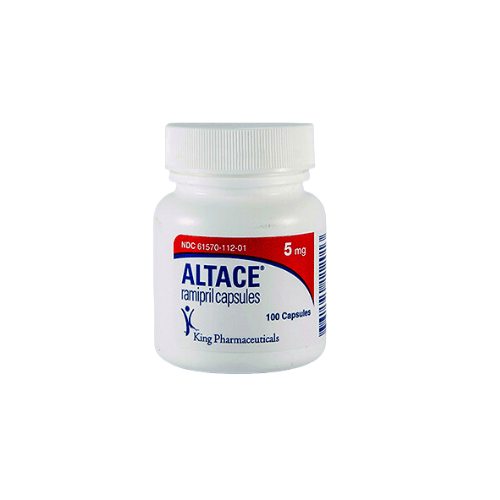

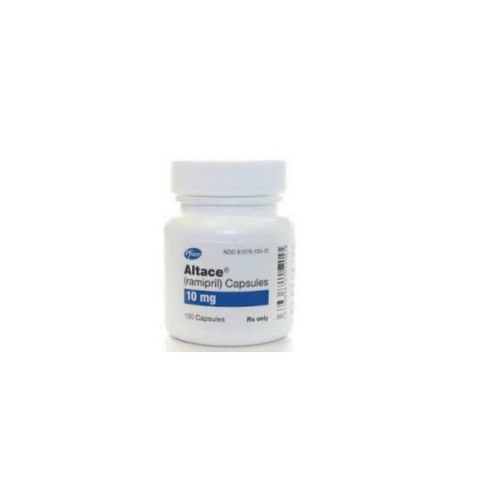
Altace
Buy Altace Online


Altace is the brand name for ramipril, an ACE inhibitor used in cardiovascular care. It can be ordered online, with current price information shown during checkout and the strength matched to the directions from your clinician. Choose the dose strength and quantity carefully, because ramipril products are used on an ongoing schedule rather than for quick symptom relief.
Altace may be used for high blood pressure, certain risk-reduction goals in people at increased cardiovascular risk, and selected patients after a heart attack. The active ingredient affects blood vessel tone and hormone signals involved in blood pressure regulation. If US delivery from Canada is part of your ordering plan, keep the medicine name, strength, form, quantity, and shipping address consistent before completing the order.
Altace Price, Strength, and Quantity Choices
The Altace price shown at checkout can vary by strength, quantity, brand or generic name, and the form being ordered. Start with the current product name and milligram strength rather than an old cart, saved screenshot, or outside search result. A lower package total does not always mean a better value if the unit count or strength is different.
Commonly searched ramipril strengths include 1.25 mg, 2.5 mg, 5 mg, and 10 mg. Your correct Altace dosage depends on the clinician’s directions and should not be changed to fit a lower cost or a more convenient quantity. If the medicine label uses the generic name, ramipril, make sure the active ingredient and strength match what you intend to order.
- Strength: Match the milligram amount to your medication directions.
- Form: Confirm whether the product is described as capsules or tablets when ordering.
- Quantity: Compare total units, not only the package name.
- Brand or generic: Make sure the name aligns with the clinician’s instructions.
- Refill planning: Order early enough to avoid gaps in an ongoing regimen.
Quick tip: Compare strength and unit count together before judging Altace cost.
For broader category browsing, the Cardiovascular Products category groups related heart and blood pressure medicines. Use category navigation to find relevant medicines, not to decide whether one is appropriate for you.
How to Order Altace Online
To order Altace online, choose the medicine name, strength, form, and quantity that match your current medication directions. Enter order information accurately and keep your medication label nearby if you are refilling. We may review order details when clarification is needed, especially when the name, strength, or quantity does not align cleanly.
Altace from Canada may be considered by people comparing cash-pay routes or cross-border service logistics. Use the live checkout information for the current price, product name, and shipping details. Avoid relying on search snippets, old emails, or a previous package, because product and quantity choices can change over time.
- Choose Altace or ramipril by the exact medicine name you need.
- Match the strength to your medication directions.
- Review whether the order describes capsules, tablets, or another form.
- Confirm the quantity and shipping address before payment.
- Read the storage and safety information before starting a new supply.
This order process reduces common selection errors, such as choosing a nearby strength or confusing a brand product with a generic alternative. It also keeps the purchase decision connected to safe, continuous use.
What Altace Is Used For
Altace uses are mainly cardiovascular. Ramipril is used to treat hypertension, which means high blood pressure. Lowering blood pressure over time helps reduce strain on blood vessels, the heart, kidneys, and brain, but the benefit depends on regular use and monitoring.
Ramipril may also be used to reduce the risk of major cardiovascular events in certain higher-risk adults. In selected patients, it may be used after a heart attack when heart failure signs or reduced heart function are present. These uses depend on the patient’s diagnosis, kidney function, other medicines, and overall cardiovascular risk.
Altace is not a rescue medicine for chest pain, sudden severe symptoms, or a hypertensive emergency. Seek urgent medical help for chest pain, severe shortness of breath, fainting, stroke symptoms, or swelling that affects breathing or swallowing. For condition-based browsing, the Hypertension and Heart Failure sections can help organize related categories after a clinician has discussed treatment choices.
Ramipril Classification and How It Works
Ramipril belongs to the ACE inhibitor class. ACE inhibitor means angiotensin-converting enzyme inhibitor, a medicine type that reduces formation of angiotensin II, a substance that can narrow blood vessels and increase aldosterone-related fluid and salt effects. By reducing this pathway, ramipril can help blood vessels relax and support blood pressure control.
The effect is gradual and measured through blood pressure readings, symptoms, and sometimes laboratory results. Some people notice lightheadedness when starting therapy or after a dose change, especially if they are dehydrated or taking other blood pressure medicines. Others may not feel different even when blood pressure improves, which is why home readings and follow-up appointments matter.
Because ACE inhibitors affect kidney blood flow and potassium balance, clinicians often consider kidney function, potassium levels, and other medicines before and during treatment. Do not add potassium supplements, potassium-containing salt substitutes, or new anti-inflammatory pain medicines without asking a healthcare professional who knows your medication list.
Capsules, Tablets, and Label Matching
Altace capsules and Altace tablets are common search terms, but the form you receive should match the medicine directions and the product description during ordering. Ramipril has been referenced in capsule and tablet forms in different markets and labeling contexts. Do not assume that two forms can be handled the same way just because they contain the same active ingredient.
Capsules should not be opened, crushed, or mixed with food unless the product label or a dispensing professional says that is acceptable. Tablets should not be split unless the specific product and instructions support splitting. If the form looks different from your previous supply, ask for confirmation before taking the first dose.
| Detail to match | Why it matters |
|---|---|
| Medicine name | Altace is the brand name; ramipril is the active ingredient. |
| Strength | Milligram strength affects the amount taken each dose. |
| Form | Capsule or tablet wording can affect handling instructions. |
| Quantity | Total units influence refill timing and cost comparison. |
| Directions | Use should follow clinician instructions, not general web information. |
Why it matters: Small differences in strength or form can change how the medicine is used.
Altace Dosage Questions and Daily Use Basics
Altace doses are individualized. Some people take ramipril once daily, while others may have different schedules based on the treatment goal and tolerability. Take the medicine exactly as directed on your medication label, and do not increase, skip, or double doses without clinical guidance.
People often ask whether ramipril should be taken at night. Timing is individualized because dizziness, blood pressure patterns, other medicines, and daily routine all matter. If the medicine makes you lightheaded, or if your blood pressure readings are lowest at a certain time of day, ask your clinician or pharmacist whether the timing should be adjusted.
Consistent use is important because high blood pressure and cardiovascular risk often have no daily symptoms. If you miss a dose, follow the instructions given with your medicine or contact a healthcare professional for advice. Avoid making up your own schedule, especially if you take diuretics, other blood pressure medicines, or medicines that affect kidney function.
Storage, Handling, and Shipping Considerations
Ramipril products are usually stored at room temperature, away from excess heat, moisture, and direct light. Keep the container tightly closed and store it away from bathrooms, humid counters, and hot cars. The storage wording on the dispensed label should take priority.
When a mailed supply arrives, inspect the outer package and inner container. Confirm the medicine name, strength, form, and unit count before placing it with other medications. Keep Altace in its original container when possible, especially during travel, because the label identifies the medicine and its directions.
Altace is not typically managed like refrigerated insulin or biologic medicines, even though shipping conditions still matter. Prompt, express, cold-chain shipping language may appear in broader store logistics, but oral cardiovascular medicines should still be protected from heat, moisture, and damage. If capsules or tablets look cracked, discolored, wet, or otherwise compromised, ask the dispensing professional before using them.
Side Effects, Warnings, and When to Get Help
Altace side effects can include cough, dizziness, headache, fatigue, nausea, and weakness. A persistent dry cough is a well-known ACE inhibitor effect and is one of the common reasons people discuss a change with their clinician. Dizziness may be more noticeable when standing quickly, after the first doses, after a dose increase, or during dehydration.
Serious allergic-type swelling can occur with ACE inhibitors. Angioedema means deeper swelling, often involving the face, lips, tongue, throat, or airway. Get emergency care if swelling affects breathing, swallowing, or the throat. A past episode of ACE inhibitor-related angioedema is an important safety concern.
Ramipril should not be used during pregnancy because medicines acting on the renin-angiotensin system can injure or cause death to a developing fetus. Discuss pregnancy, planned pregnancy, or suspected pregnancy with a clinician promptly. Breastfeeding, kidney disease, liver disease, low blood pressure, dehydration, and prior severe reactions also deserve careful review.
- Common effects: Dry cough, dizziness, headache, fatigue, nausea, or weakness.
- Blood pressure effects: Lightheadedness can occur, especially after starting.
- Kidney effects: Kidney function may need laboratory monitoring.
- Potassium effects: Hyperkalemia means potassium can become too high.
- Urgent symptoms: Face, lip, tongue, or throat swelling needs immediate care.
Contact a healthcare professional if you develop fainting, severe dizziness, signs of dehydration, reduced urination, irregular heartbeat, or symptoms that feel unusual after starting ramipril. Do not stop a long-term blood pressure medicine without asking a clinician unless emergency symptoms require urgent care.
Interactions, Potassium, and Monitoring
ACE inhibitors can interact with potassium supplements, salt substitutes containing potassium, potassium-sparing diuretics, lithium, certain anti-inflammatory pain medicines, and other blood pressure medicines. These combinations are not always prohibited, but they can raise the risk of low blood pressure, kidney problems, or high potassium. A complete medication list is often safer than memory when reviewing interactions.
Monitoring may include blood pressure readings, kidney function tests, and potassium levels. People with diabetes, kidney disease, heart failure, older age, dehydration risk, or diuretic use may need closer follow-up. If you track home blood pressure, bring the readings to appointments instead of relying on a single office measurement.
Food questions often focus on potassium. You may be asked to avoid potassium-containing salt substitutes or to limit high-potassium supplements, depending on kidney function and blood test results. Normal food choices should be discussed with a clinician or dietitian when potassium is a concern. The article on cardiovascular health topics can help frame general heart-health questions, but individualized diet and medicine changes should come from your care team.
Brand Altace, Generic Ramipril, and Related Choices
Altace and approved generic ramipril contain the same active ingredient when the generic is dispensed appropriately. Country-specific naming, form, and substitution practices can differ, so the practical step is to match the medicine name, strength, form, and quantity to your directions. If you are paying cash, compare ramipril cost and Altace cost using the same strength and unit count.
Other ACE inhibitors are not automatic substitutes for ramipril. Medicines in the same class can differ in dosing schedules, labeled uses, interactions, tolerability, and patient-specific fit. Switching between ACE inhibitors, or from an ACE inhibitor to another blood pressure class, should be done with clinical direction.
If you are reviewing broader heart and blood pressure therapy, keep three questions separate: what medicine was recommended, what exact strength and form you are ordering, and what monitoring is needed after use begins. That approach helps avoid choosing a medicine only because it appears nearby in a cardiovascular category or has a lower visible cash price.
Authoritative Sources
Authoritative sources are included for label-level use and safety information, not for individualized treatment decisions.
- Official label details are available from the FDA prescribing information.
This content is for informational purposes only and is not a substitute for professional medical advice.
Blood Pressure Average Calculator
Average home blood pressure readings and show a simple screening range.
Average BP
-
entered readings only
Range
-
screening category
These calculations are for education only and do not replace clinical advice, diagnosis, or treatment. Always confirm medical decisions with a qualified healthcare professional.
Mean Arterial Pressure Calculator
Calculate estimated mean arterial pressure from systolic and diastolic blood pressure.
MAP
-
DBP + one-third pulse pressure
These calculations are for education only and do not replace clinical advice, diagnosis, or treatment. Always confirm medical decisions with a qualified healthcare professional.
Pulse Pressure Calculator
Calculate pulse pressure from systolic and diastolic blood pressure.
Pulse pressure
-
SBP - DBP
These calculations are for education only and do not replace clinical advice, diagnosis, or treatment. Always confirm medical decisions with a qualified healthcare professional.
eGFR Calculator
Estimate kidney filtration using the 2021 CKD-EPI creatinine equation.
eGFR
-
mL/min/1.73 m2
G category
-
requires clinical context
These calculations are for education only and do not replace clinical advice, diagnosis, or treatment. Always confirm medical decisions with a qualified healthcare professional.
Creatinine Clearance Calculator
Estimate creatinine clearance using the Cockcroft-Gault equation.
CrCl
-
mL/min estimate
These calculations are for education only and do not replace clinical advice, diagnosis, or treatment. Always confirm medical decisions with a qualified healthcare professional.
Express Shipping - from $29.99
Shipping with this method takes 3-5 days
Prices:
- Dry-Packed Products $29.99
- Cold-Packed Products $39.99
Standard Shipping - $19.99
Shipping with this method takes 5-10 days
Prices:
- Dry-Packed Products $19.99
- Not available for Cold-Packed products
What is Altace used to treat?
Altace is used in cardiovascular care, including treatment of high blood pressure. Ramipril may also be used for certain risk-reduction goals in higher-risk adults and in selected patients after a heart attack, depending on the clinician’s assessment.
What is the most common side effect of ramipril?
A persistent dry cough is a well-known ACE inhibitor side effect and is commonly discussed with ramipril. Dizziness, headache, fatigue, nausea, and weakness can also occur, especially when treatment starts or the dose changes.
Should Altace be taken at night?
The best time to take Altace depends on your directions, blood pressure pattern, dizziness risk, and other medicines. Do not change timing on your own; ask a clinician or pharmacist if symptoms or readings suggest a timing issue.
What foods should be avoided with ramipril?
Ask about potassium-containing salt substitutes, potassium supplements, and very high-potassium diets if kidney function or potassium levels are a concern. Food advice should be individualized because ramipril can raise potassium in some people.
Is Altace the same as ramipril?
Altace is the brand name for ramipril. When an approved generic ramipril is dispensed appropriately, it contains the same active ingredient, but the product name, form, strength, and substitution instructions should still be matched carefully.
Rewards Program
Earn points on birthdays, product orders, reviews, friend referrals, and more! Enjoy your medication at unparalleled discounts while reaping rewards for every step you take with us.
You can read more about rewards here.
POINT VALUE
How to earn points
- 1Create an account and start earning.
- 2Earn points every time you shop or perform certain actions.
- 3Redeem points for exclusive discounts.
You Might Also Like
Select options
This product has multiple variants. The options may be chosen on the product page
Select options
This product has multiple variants. The options may be chosen on the product page
Select options
This product has multiple variants. The options may be chosen on the product page
Select options
This product has multiple variants. The options may be chosen on the product page