
Please note: a valid prescription is required for all prescription medication.
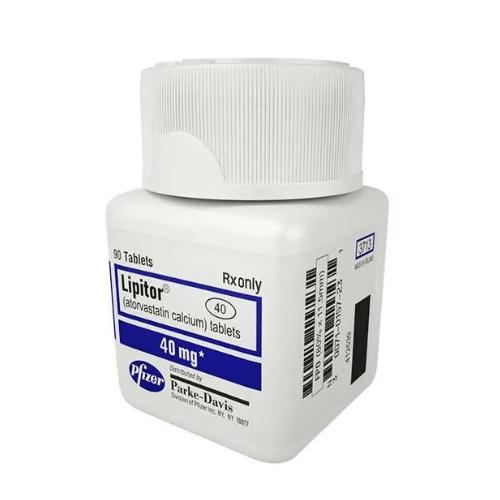
Lipitor
Buy Lipitor Online


Lipitor is a brand-name atorvastatin calcium tablet used as a cholesterol-lowering medicine. You can buy Lipitor online, view the current price for the tablet strength and quantity shown during ordering, and match the dose to the directions from your clinician. Lipitor tablets are commonly prescribed in 10mg, 20mg, 40mg, and 80mg strengths, and each strength should be treated as a separate choice.
Atorvastatin belongs to a medicine class called statins. Statins reduce cholesterol production in the liver and are usually used together with diet, exercise, and other cardiovascular risk-management steps. If your order involves US delivery from Canada, keep the product name, strength, quantity, and account information consistent throughout checkout.
Lipitor Price, Tablet Strengths, and Quantity
Lipitor price comparisons should start with the exact tablet strength. A total for Lipitor 10mg should not be used to estimate Lipitor 20mg, Lipitor 40mg, or Lipitor 80mg because each strength represents a different amount of atorvastatin in each tablet. Quantity also changes the amount shown at checkout, so compare the total tablet count together with the strength.
Lipitor cost may also differ from generic atorvastatin cost. Brand and generic wording matters because the medicine name, manufacturer, and substitution rules can affect what is supplied. If the directions specify brand Lipitor, use the brand product. If atorvastatin is acceptable for your treatment plan, keep the same mg strength and tablet count when comparing.
If you are paying without insurance, use the cash price shown for the exact strength and quantity rather than calculating from another tablet size. Cash-pay totals, insurance copays, and plan rules can follow different paths. The displayed amount for the medicine you choose is the most practical figure for Lipitor cost without insurance.
Quick tip: Match the mg strength first, then compare tablet count and total amount.
| Ordering detail | What to check |
|---|---|
| Medicine name | Confirm whether the directions say Lipitor or atorvastatin. |
| Strength | Match the mg strength exactly, such as 10mg, 20mg, 40mg, or 80mg. |
| Quantity | Use the total tablet count when comparing totals. |
| Brand or generic | Keep the wording aligned with the treatment directions. |
| Final checkout information | Make sure the name, contact details, and medicine choice are accurate. |
How to Order Lipitor Online
Start with the tablet strength written in your treatment directions, then choose the quantity that matches the intended supply. Lipitor tablets are not interchangeable across strengths during ordering. Two lower-strength tablets should not be used as a substitute for one higher-strength tablet unless a clinician or pharmacist has specifically told you to do that.
During checkout, use the same personal and contact information that appears in your health records. We may review order details and help clarify medicine information when something appears inconsistent. This step helps reduce mix-ups between brand Lipitor, atorvastatin tablets, strength changes, or quantities that look similar in a product menu.
- Choose Lipitor only if the brand name matches your directions.
- Match the mg strength exactly.
- Check the total number of tablets.
- Keep the original medication label nearby.
- Review your contact information before submitting the order.
- Do not change strength or schedule for convenience.
People looking for Lipitor US shipping from Canada or atorvastatin US delivery from Canada should still begin with the medicine directions, not the delivery route. Shipping logistics cannot make a different strength, quantity, or brand substitution appropriate. The product choice should stay aligned with the clinician-directed plan.
What Lipitor Treats
Lipitor is used with diet and other measures to improve cholesterol levels. It can lower LDL cholesterol, often called bad cholesterol, and triglycerides. It may also help raise HDL cholesterol, often called good cholesterol. Clinicians may use atorvastatin for adults and some pediatric patients with specific cholesterol disorders.
Lipitor is also used to reduce the risk of heart attack, stroke, and certain heart procedures in people with cardiovascular risk factors. The reason for treatment can differ from person to person. Some people take it mainly for high LDL cholesterol, while others take it as part of a broader plan to reduce cardiovascular risk.
For broader condition browsing, the High Cholesterol category groups related cholesterol medicines and treatment materials. The Cardiovascular Articles section can also help frame general questions about cholesterol, heart health, and long-term risk management.
Lipitor and Atorvastatin Calcium Tablets
Lipitor contains atorvastatin calcium as the active ingredient. Atorvastatin is an HMG-CoA reductase inhibitor. That means it blocks an enzyme involved in cholesterol production in the liver. Lower liver cholesterol production can help reduce circulating LDL cholesterol when the medicine is taken as directed.
Brand Lipitor and generic atorvastatin are closely related because they use the same active ingredient, but the ordering choice still matters. Your directions may name the brand, the generic, or allow substitution. Packaging, manufacturer, and appearance may differ between products, so do not rely on tablet color or shape alone when checking the medicine.
Each dose strength is a clinical decision. A change from Lipitor 20mg to Lipitor 40mg is not a packaging preference; it changes the atorvastatin amount taken per tablet. If your directions change, choose the new strength from the beginning and do not estimate the new regimen from an old supply.
Tablet Dosing Basics and Daily Use
Lipitor doses are individualized. Official labeling describes atorvastatin tablets as commonly taken once daily, and they may be taken at any time of day, with or without food. Follow the timing and dose written for you, because cholesterol goals, age, other conditions, and interacting medicines can influence the plan.
Taking the medicine at the same time each day can make the routine easier to remember. Some people pair it with another daily habit, such as brushing teeth or an evening medication schedule. If you miss doses often, ask a clinician or pharmacist how to improve consistency without doubling up or changing the dose on your own.
| Tablet strength | Ordering significance |
|---|---|
| Lipitor 10mg | A lower tablet strength that must match the written directions. |
| Lipitor 20mg | A separate strength, not interchangeable with 10mg at checkout. |
| Lipitor 40mg | A higher atorvastatin amount per tablet. |
| Lipitor 80mg | The highest commonly listed Lipitor tablet strength in the supplied content. |
Do not crush, split, or combine tablets unless a clinician or pharmacist has told you to do so. Keep using the strength named in your current directions until a healthcare professional changes it. If your cholesterol results improve, that does not automatically mean the medicine should be stopped.
Storage, Handling, and Travel
Lipitor tablets are generally stored at controlled room temperature. Keep the container away from excess heat, moisture, and direct light. A bathroom cabinet is often a poor location because humidity can rise after showers. The labeled container also keeps the strength, medicine name, and directions visible.
When the medicine arrives, check the package condition, medicine name, strength, quantity, and expiry date before use. If the tablets look different from what the label describes, or the container appears damaged, ask a pharmacist before taking a dose. Do not combine different strengths in one bottle because it increases the chance of a dosing mistake.
For travel, keep Lipitor in the original labeled container and pack enough supply for the trip. Store tablets in carry-on luggage when possible so the medicine remains accessible. Avoid leaving tablets in a hot car, direct sunlight, or damp environments for long periods.
Side Effects, Warnings, and When to Get Help
Common side effects with atorvastatin can include digestive upset, diarrhea, joint pain, muscle aches, and symptoms that feel like a cold in some people. Many side effects are mild, but new or worsening symptoms should be discussed with a healthcare professional, especially if they affect daily activities or continue.
The most important statin warning is unexplained muscle pain, tenderness, or weakness. Rarely, statins can cause severe muscle breakdown called rhabdomyolysis. Contact a clinician promptly if muscle symptoms are severe, occur with fever or unusual tiredness, or are accompanied by dark-colored urine. Risk may be higher in older adults, people with kidney problems, and people using certain interacting medicines.
Liver-related warnings also matter. Official labeling lists acute liver failure and decompensated cirrhosis as contraindications. Seek medical help for yellowing of the skin or eyes, dark urine, severe fatigue, or upper abdominal pain. A serious allergic reaction is uncommon but needs urgent care if swelling, rash with breathing trouble, or throat tightness occurs.
- Common effects: Digestive upset, mild aches, or cold-like symptoms may occur.
- Muscle warning: Report severe pain, weakness, or dark urine promptly.
- Liver warning: Watch for yellow skin, dark urine, or severe fatigue.
- Allergy warning: Get urgent help for swelling or breathing difficulty.
- Blood sugar: Glucose levels may rise slightly in some people.
The official patient information advises stopping therapy when pregnancy is recognized and advises against breastfeeding during treatment. Discuss pregnancy, planned pregnancy, or breastfeeding with a clinician before using atorvastatin. These safety topics should be handled by someone who can review your full medical history.
Interactions and Monitoring
Atorvastatin is processed through liver pathways that other medicines can affect. Certain antibiotics, antifungals, HIV treatments, hepatitis C treatments, cyclosporine, gemfibrozil, and other lipid-lowering medicines may raise atorvastatin levels or increase muscle-related risk. Large amounts of grapefruit juice can also raise atorvastatin exposure.
Alcohol use and liver history should be discussed with a clinician because both can affect safety monitoring. People with diabetes may also discuss glucose monitoring, since statins can slightly increase blood sugar in some patients. Monitoring may include cholesterol panels, liver-related blood tests, symptom checks, and medication interaction review.
Why it matters: Interaction risks can change whether the same Lipitor strength remains suitable.
- Tell a clinician about all prescription and nonprescription medicines.
- Ask before adding new antibiotics or antifungals.
- Discuss grapefruit juice intake if it is part of your routine.
- Report unexplained muscle symptoms early.
- Keep cholesterol follow-up appointments as directed.
Do not stop Lipitor suddenly because of a possible interaction unless a clinician tells you to. Instead, ask whether the interacting medicine, statin dose, timing, or monitoring plan needs adjustment. For people managing both cholesterol and diabetes questions, statin and glucose discussions can be prepared using the Cardiovascular Articles section along with clinician advice.
Brand Lipitor, Generic Atorvastatin, and Related Choices
Lipitor is the brand name for atorvastatin calcium tablets. Atorvastatin is the generic active ingredient name. A clinician may choose brand Lipitor, generic atorvastatin, or another cholesterol medicine depending on cholesterol goals, prior response, interaction risks, and tolerability.
Not every cardiovascular medicine lowers cholesterol in the same way. Some products reduce cholesterol absorption, some lower blood pressure, and others affect clotting risk. If your directions name Lipitor, do not switch to another cardiovascular medicine because it appears in the same category.
The Cardiovascular Products category can help organize related heart and cholesterol medicines for people managing more than one condition. Keep each medicine matched to its own name, strength, timing, and safety checks. This is especially important when cholesterol, blood pressure, and diabetes medicines are used together.
Questions to Ask Before Ordering
Before ordering Lipitor tablets, make sure the medicine choice fits the current treatment plan. The right choice is not only the lowest total or the largest quantity. It should match the active ingredient, brand or generic wording, tablet strength, supply amount, allergies, and other medicines already being used.
- Is the medicine name Lipitor or atorvastatin?
- Which mg strength is written in the current directions?
- How many tablets are needed for the intended supply?
- Are there liver problems, kidney problems, or muscle symptoms to discuss?
- Are grapefruit juice, alcohol intake, or interacting medicines relevant?
- When should cholesterol labs or follow-up visits occur?
Keep the current medication label and recent directions available while ordering. If a strength changed after a clinic visit, use the new instructions rather than reordering the prior tablet. If the label, instructions, or medicine name seem inconsistent, ask a pharmacist or clinician to clarify before taking the medication.
Authoritative Sources
The following sources support the safety, dosing, and use information summarized above:
- Official prescribing information: FDA Lipitor Prescribing Information for approved uses, dosing ranges, contraindications, warnings, interactions, and pregnancy-related guidance.
- Patient information: Pfizer Patient Information for patient-facing warnings, side effects, and when to seek medical help.
This content is for informational purposes only and is not a substitute for professional medical advice.
Cholesterol Ratio Calculator
Calculate common lipid ratios and non-HDL cholesterol from a standard cholesterol panel.
Total / HDL
-
cholesterol ratio
LDL / HDL
-
lipid ratio
Non-HDL
-
total minus HDL
These calculations are for education only and do not replace clinical advice, diagnosis, or treatment. Always confirm medical decisions with a qualified healthcare professional.
LDL Cholesterol Calculator
Estimate LDL cholesterol from total cholesterol, HDL, and triglycerides using the Friedewald equation.
Estimated LDL
-
Friedewald estimate
Non-HDL
-
total minus HDL
These calculations are for education only and do not replace clinical advice, diagnosis, or treatment. Always confirm medical decisions with a qualified healthcare professional.
Cholesterol Unit Converter
Convert cholesterol and triglyceride values between mg/dL and mmol/L.
mg/dL
-
US lipid unit
mmol/L
-
-
These calculations are for education only and do not replace clinical advice, diagnosis, or treatment. Always confirm medical decisions with a qualified healthcare professional.
Express Shipping - from $29.99
Shipping with this method takes 3-5 days
Prices:
- Dry-Packed Products $29.99
- Cold-Packed Products $39.99
Standard Shipping - $19.99
Shipping with this method takes 5-10 days
Prices:
- Dry-Packed Products $19.99
- Not available for Cold-Packed products
What is Lipitor used for?
Lipitor is used with diet and other risk-management steps to lower LDL cholesterol and triglycerides. It may also reduce the risk of heart attack, stroke, and certain heart procedures in people with cardiovascular risk factors.
Is Lipitor the same as atorvastatin?
Lipitor is the brand name. Atorvastatin calcium is the active ingredient. Generic atorvastatin products use the same active ingredient, but the ordering choice should follow the medicine name, strength, and substitution directions given by a clinician.
What Lipitor strengths are commonly used?
Common Lipitor tablet strengths include 10mg, 20mg, 40mg, and 80mg. These strengths are not interchangeable during ordering, and a dose change should come from a clinician rather than from tablet availability or price.
When should Lipitor be taken?
Official labeling states atorvastatin may be taken once daily at any time of day, with or without food. Follow the timing and dose directions given for your own treatment plan.
What side effects should be reported with Lipitor?
Report severe or unexplained muscle pain, weakness, dark urine, yellowing of the skin or eyes, severe fatigue, or symptoms of an allergic reaction. Mild digestive upset or aches can occur, but persistent or concerning symptoms should be discussed with a clinician.
Does grapefruit interact with Lipitor?
Large amounts of grapefruit juice can increase atorvastatin levels and may raise the risk of side effects. Ask a clinician or pharmacist what limit is appropriate if grapefruit is part of your regular diet.
Rewards Program
Earn points on birthdays, product orders, reviews, friend referrals, and more! Enjoy your medication at unparalleled discounts while reaping rewards for every step you take with us.
You can read more about rewards here.
POINT VALUE
How to earn points
- 1Create an account and start earning.
- 2Earn points every time you shop or perform certain actions.
- 3Redeem points for exclusive discounts.
You Might Also Like
Select options
This product has multiple variants. The options may be chosen on the product page
Select options
This product has multiple variants. The options may be chosen on the product page
Select options
This product has multiple variants. The options may be chosen on the product page
Select options
This product has multiple variants. The options may be chosen on the product page