

Depression Medications and Resources
Browse Depression medications, related condition pages, and plain-language articles for patients and caregivers comparing treatment resources.
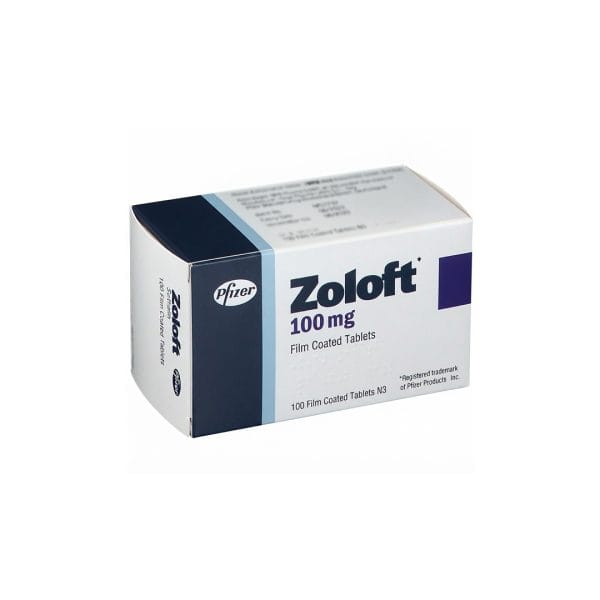
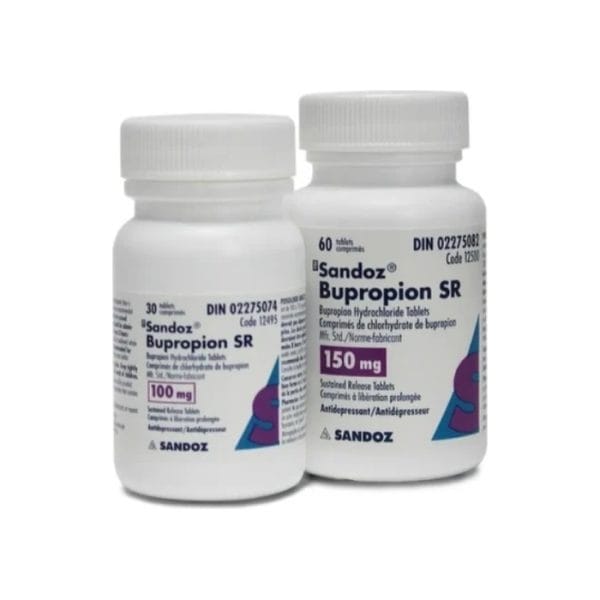
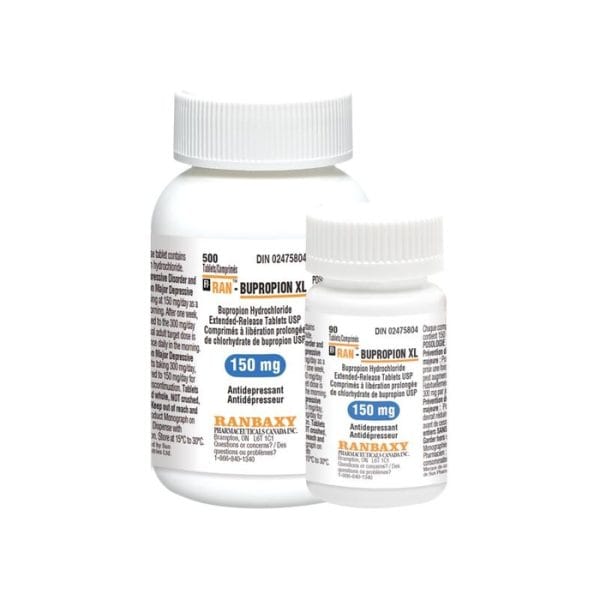
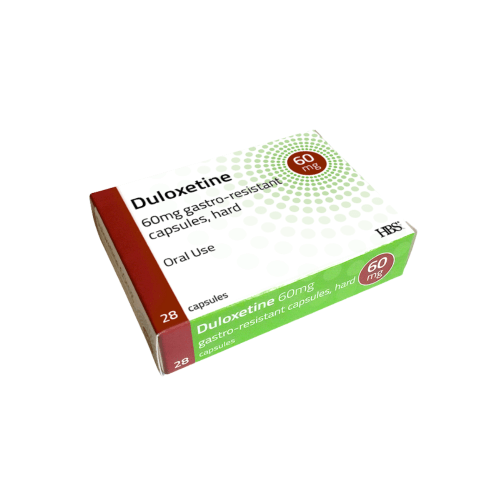
Prices in USD, the lowest price for each product; your dose and quantity set the final price. Struck prices are the US and Canadian comparison prices shown on each product page.
Depression: products, conditions and resources
Depression can affect mood, sleep, appetite, energy, focus, and daily routines. This condition collection helps patients and caregivers browse depression medications, related mental health categories, and educational articles in one place. Use it to compare medication classes, review nearby condition pages, and prepare practical questions for a licensed clinician.
This page is not a depression diagnosis tool. It is a browsing resource for people reviewing treatment options after symptoms have been discussed with a healthcare professional. Some listed products may require a valid prescription, and CanadianInsulin.com may help confirm prescription details with the prescriber when required.
Depression Medications in This Collection
Antidepressants are medicines used in depression treatment and other approved mental health uses. They differ by drug class, dosage form, side effect profile, interaction risk, and monitoring needs. Product pages can help you review basic details before discussing fit with a prescriber.
Common classes include SSRIs (selective serotonin reuptake inhibitors), SNRIs (serotonin and norepinephrine reuptake inhibitors), atypical antidepressants, tricyclic antidepressants, and MAOIs (monoamine oxidase inhibitors). These classes work in different ways, and clinicians choose among them using symptoms, history, current medicines, age, pregnancy status, and safety considerations.
| Browse path | What it can help you compare |
|---|---|
| Fluoxetine | An SSRI option often reviewed for mood and anxiety-related indications. |
| Escitalopram | An SSRI product page for form, strength, and prescription details. |
| Zoloft | A brand-name SSRI page for patients comparing familiar product names. |
| Duloxetine | An SNRI option that may be reviewed when mood and pain symptoms overlap. |
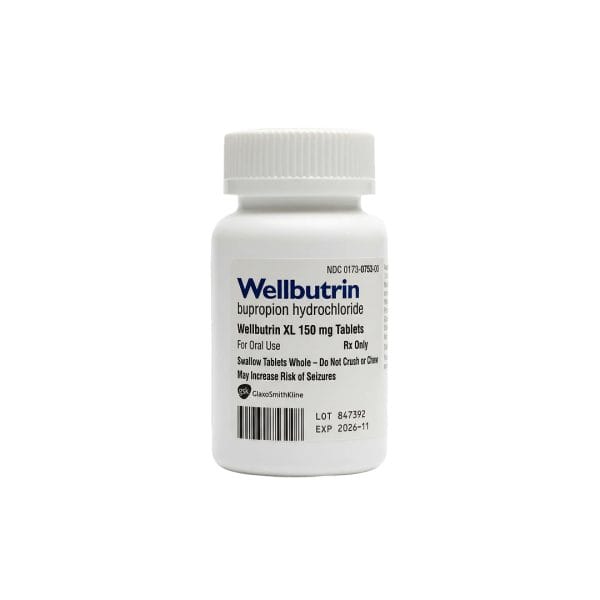
| Wellbutrin XL | An atypical antidepressant product page with extended-release format details. |
Quick tip: Bring your current medicine list when comparing antidepressants with a clinician.
How to Compare Depression Treatment Options
Depression treatment may include medication, psychotherapy, sleep support, activity planning, social support, and follow-up visits. Medication choice usually starts with the symptom pattern and safety profile, not with a single “best” antidepressant. A clinician may also screen for anxiety, substance use, thyroid concerns, trauma, and bipolar disorder before recommending a plan.
When browsing product pages, focus on details that support a safer conversation. Check whether the product is an SSRI, SNRI, or atypical antidepressant. Note the form, such as tablet, capsule, or extended-release tablet. Review storage instructions, warnings, and interaction notes. Avoid changing doses, stopping treatment, or combining herbal products without professional guidance.
- Compare the medicine class and whether it matches the prescriber’s plan.
- Check the dosage form, especially if swallowing or timing is a concern.
- Review warning sections for age-related risks and mood changes.
- Ask how long follow-up should continue before benefit is assessed.
- Confirm what to do if a dose is missed or side effects appear.
Symptoms, Diagnosis, and When Care Is Urgent
Depression symptoms can include persistent low mood, loss of interest, fatigue, sleep changes, appetite changes, slowed thinking, guilt, and poor concentration. In clinical depression, symptoms usually last long enough and become severe enough to affect work, school, relationships, or self-care. Major depressive disorder is one diagnosis within a wider group of mood disorder conditions.
Only a qualified professional can assess depression diagnosis and rule out other causes. Some people have persistent depressive disorder, which is longer lasting but often less intense. Others may have seasonal affective disorder, postpartum depression, or symptoms linked with another health condition. Emergency care is needed for suicidal thoughts, self-harm risk, psychosis, or a plan to harm someone else.
The National Institute of Mental Health explains depressive disorders in patient-friendly language, including symptoms and care options.
Related Mental Health Browse Pages
Depression can overlap with anxiety, obsessive thoughts, hormonal mood changes, and bipolar depression. Related condition pages help you avoid mixing distinct treatment paths. This matters because some medicines used for major depressive disorder may not be appropriate for every mood pattern.
Use Bipolar Depression when symptoms include past periods of unusually elevated or irritable mood. Open Seasonal Affective Disorder when mood changes follow a seasonal pattern. Review Premenstrual Dysphoric Disorder for severe cyclical mood symptoms linked with the menstrual cycle. The broader Mental Health product category can help compare related medication listings across conditions.
Why it matters: Similar symptoms can need different treatment sequencing and monitoring.
Educational Articles for Broader Context
Some readers want to understand how depression intersects with physical health, diabetes, weight-related medicines, or public awareness campaigns. Educational articles can support those questions without replacing a clinician’s assessment.
Start with Diabetes and Depression if blood sugar management and mood symptoms affect each other. Review Semaglutide and Depression or Ozempic and Mood Changes when questions involve GLP-1 medicines and mental health. Awareness resources such as World Mental Health Day can help caregivers find plain-language talking points and stigma-reduction themes.
Using This Collection Safely
Depression management often takes time, follow-up, and honest symptom tracking. If a medicine is prescribed, use the product page as a reference for form and handling details, not as instructions to start, stop, or adjust treatment. Keep notes about sleep, appetite, energy, side effects, and daily function so visits stay focused.
CanadianInsulin.com operates as a prescription referral platform. When applicable, dispensing is handled by licensed third-party pharmacies where permitted. Use this collection to narrow your reading, compare relevant product pages, and prepare informed questions before the next clinical conversation.
This content is for informational purposes only and is not a substitute for professional medical advice.
Related conditions
All medical conditions →Frequently asked questions
About browsing Depression resources on this page.
How should I use this Depression category?
Use this category as a navigation page for depression medications, related condition pages, and educational articles. Product links can help you compare class, form, and handling details. Condition links can help you separate depression from overlapping mood patterns. Articles can support background reading. A clinician should guide diagnosis, medication selection, dose changes, and monitoring.
What should I compare before discussing antidepressants with a clinician?
Compare the medication class, dosage form, warning sections, possible interactions, and whether the product matches the name your prescriber mentioned. It also helps to list current medicines, supplements, allergies, pregnancy status, and past response to antidepressants. Do not stop or switch antidepressants based only on a product page.
When is depression care urgent?
Seek urgent help if depression includes suicidal thoughts, self-harm, a plan to harm someone else, hallucinations, severe confusion, or an inability to stay safe. These situations need immediate professional support. For non-urgent symptoms, a primary care clinician, psychiatrist, therapist, or licensed mental health professional can assess symptoms and discuss treatment options.
Why are related conditions listed on this page?
Related conditions are included because low mood can overlap with bipolar depression, seasonal affective disorder, premenstrual dysphoric disorder, anxiety symptoms, and other mental health concerns. Browsing these pages can help you prepare better questions. It should not replace a formal evaluation, because different mood patterns can require different treatment planning.
Related articles
View all articles →
Ozempic Side Effects in Females: Symptoms, Risks, and Next Steps
OverviewOzempic side effects in females are usually digestive, such as nausea, constipation, diarrhea, vomiting, stomach pain, and early fullness. Some people also…
Read more →
Zepbound Side Effects Long-Term: Monitoring and Safety
Most Zepbound side effects long-term monitoring focuses on patterns, not panic. Digestive symptoms are common early on and often become easier to…
Read more →
Is Food Noise an Eating Disorder? How to Tell the Difference
Key Takeaways Food noise is persistent, repetitive food thoughts. Eating disorders involve behaviors, distress, and impairment over time. Hunger and cravings are…
Read more →
Ozempic Danger: Safety Risks, Red Flags, and Next Steps
Overview Social posts and headlines can make ozempic danger feel inevitable. In reality, safety comes down to context: your diagnosis, other medications,…
Read more →The contents of CanadianInsulin.com are for informational purposes only and should not be considered medical advice. We do not guarantee the accuracy of the content on CanadianInsulin.com, nor do we assume any responsibility for any actions taken using the information found on our website. Always consult with your family physician or a qualified health care provider about any health or medical concerns.