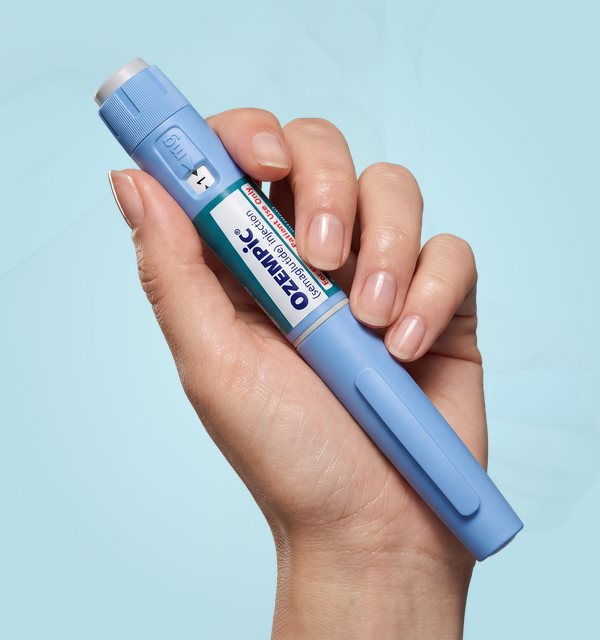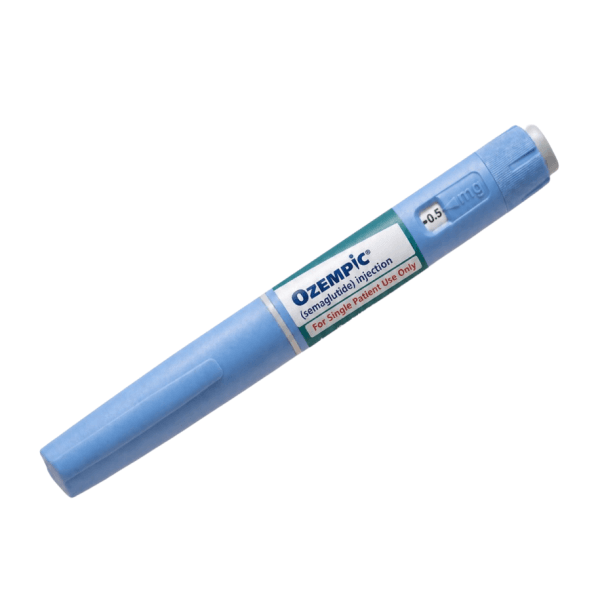



The long-term side effects of ozempic are usually related to digestion, nutrition, gallbladder problems, and the effects of sustained weight loss. Most side effects are manageable, but severe abdominal pain, repeated vomiting, dehydration, vision changes, or symptoms of thyroid swelling need prompt medical review. The key is to separate expected adjustment symptoms from warning signs that should not be ignored.
Key Takeaways
- Common issues include nausea, constipation, reflux, and reduced appetite.
- Serious risks are uncommon, but warning symptoms matter.
- Rapid weight loss can affect muscle, hair, skin, and gallbladder health.
- “Ozempic face” usually reflects facial fat loss, not direct tissue damage.
- Stopping treatment can bring appetite return and weight regain.
What Counts as Long-Term Use?
Long-term use usually means months to years of ongoing semaglutide treatment, rather than the first few dose-adjustment weeks. In real life, “long term” also includes the body changes that happen while appetite stays lower. Those changes can affect food intake, bowel habits, hydration, muscle mass, and how quickly weight changes.
Ozempic contains semaglutide, a GLP-1 receptor agonist. GLP-1 (glucagon-like peptide-1) is a hormone signal involved in appetite, insulin response, and stomach emptying. Slower stomach emptying can help people feel full sooner, but it can also contribute to nausea, reflux, bloating, and constipation.
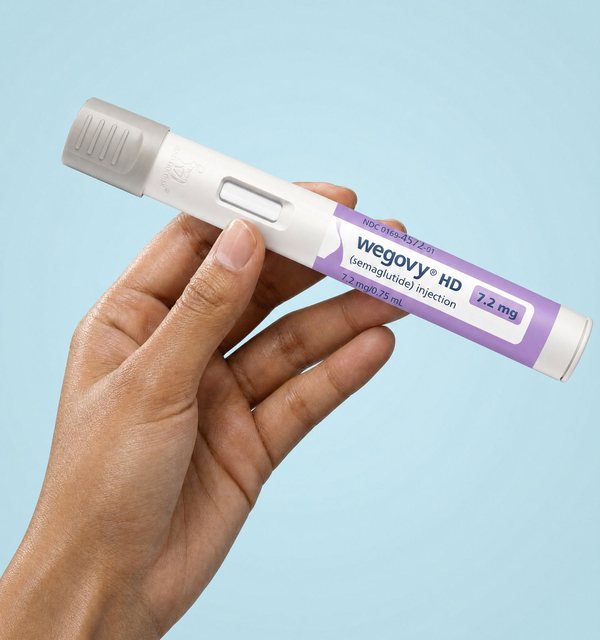
One source of confusion is that Ozempic is commonly discussed in weight-loss settings, while its approved use depends on product and jurisdiction. Wegovy is another semaglutide brand used in chronic weight management. If you want background on duration questions, see How Long Can You Take Ozempic.
CanadianInsulin.com is a prescription referral platform, not a medical care provider. Prescription details may be confirmed with the prescriber where required, while dispensing is handled by licensed third-party pharmacies where permitted.
Common Effects That Can Persist After the First Few Months
Digestive symptoms are the most common longer-running concern. They may start early, improve, then return after dose changes, illness, travel, or changes in eating patterns. Searches for Ozempic side effects after 3 months often describe this uneven pattern.
Digestive symptoms
Nausea, constipation, diarrhea, reflux, belching, and early fullness can continue for some people. These symptoms do not always mean the medication is unsafe, but they can affect hydration and nutrition over time. Severe or worsening symptoms deserve medical review, especially if you cannot keep fluids down.
Food choices can change tolerability. Many people search for Ozempic foods to avoid, but triggers vary. Large portions, fried meals, very sweet foods, alcohol, carbonation, and coffee may worsen reflux or stomach upset in some users. Small meals and slower eating often help people identify patterns without creating a rigid diet.
Nutrition, fatigue, and muscle loss
Reduced appetite can become a problem when it leads to low protein, low fiber, or too little fluid. Over months, this can contribute to fatigue, constipation, dizziness, or loss of lean mass. Muscle loss is not unique to GLP-1 medicines. It can occur with any rapid or poorly supported weight-loss approach.
Quick tip: Bring a three-day food, fluid, and symptom log to your next appointment.
A general tracking tool can help you estimate weight-change patterns over time. It does not provide medical advice or decide whether treatment is appropriate.
Weight-Loss Progress Calculator
Track percentage body-weight change and progress toward a target weight.
These calculations are for education only and do not replace clinical advice, diagnosis, or treatment. Always confirm medical decisions with a qualified healthcare professional.
If fatigue persists, clinicians may look at sleep, hydration, nutrition, blood glucose patterns, anemia, thyroid disease, and other causes. Do not assume every symptom comes from one medication. A pattern log makes the discussion more useful.
Serious Risks and Red-Flag Symptoms
The most concerning long-term side effects of ozempic are uncommon, but they have clear warning signs. These include severe abdominal pain, persistent vomiting, dehydration, kidney stress, gallbladder problems, pancreatitis, and certain thyroid-related symptoms described in product labeling.
Pancreas and gallbladder symptoms
Pancreatitis means inflammation of the pancreas. Possible warning signs include severe, persistent upper abdominal pain that may spread to the back, often with vomiting. Gallbladder problems can cause right upper abdominal pain, fever, yellowing of the skin or eyes, or pain after fatty meals. Rapid weight loss itself can also increase gallstone risk.
Why it matters: Severe abdominal pain with vomiting should not be treated as routine nausea.
If these symptoms occur, seek urgent medical assessment. Do not restart or change a medicine on your own after a severe reaction. Your clinician can review the event, other risk factors, and next steps.
Kidney, dehydration, and vision concerns
Repeated vomiting or diarrhea can lead to dehydration. Dehydration can strain the kidneys, especially in people with kidney disease or other medicines that affect fluid balance. Warning signs include very low urine, dizziness, confusion, fainting, or inability to keep fluids down.
Vision changes also need attention. Semaglutide labeling discusses diabetic retinopathy complications in some people with type 2 diabetes, particularly when blood glucose improves quickly. Blurry vision, new floaters, or sudden changes should be reviewed promptly by a clinician or eye-care professional.
Thyroid warnings and cancer fears
Searches about GLP-1 side effects and cancer often refer to the boxed warning about thyroid C-cell tumors seen in rodent studies. The human relevance is uncertain, but labels advise against use in people with a personal or family history of medullary thyroid carcinoma or MEN2 (multiple endocrine neoplasia type 2).
Possible thyroid warning symptoms include a neck lump, trouble swallowing, trouble breathing, or persistent hoarseness. These symptoms do not prove cancer, but they should be evaluated. Avoid relying on social media lists that group unrelated risks together without context.
Appearance Changes: Ozempic Face, Hair Shedding, and Skin
Ozempic face is a non-medical term for facial volume loss during weight reduction. It usually reflects loss of facial fat, especially in the cheeks and temples. It is not usually described as a direct injury to the face from semaglutide.
Online pictures of Ozempic face before and after can be misleading. Lighting, filters, age, stress, hydration, sleep, and total weight change all affect facial appearance. The same pattern can happen after weight loss from diet, surgery, illness, or other medicines.
People often ask whether Ozempic face is reversible. Some facial fullness may return if weight is regained, but skin elasticity varies by age, genetics, sun exposure, smoking history, and rate of weight loss. Slower weight change, resistance training, and adequate protein may help support overall body composition, but they cannot guarantee a specific facial result.
Hair shedding is another common concern. Some people notice increased shedding after rapid weight loss, illness, emotional stress, low iron, or low protein intake. Clinicians often consider telogen effluvium, a temporary shedding pattern after physical or emotional stress. If hair loss is sudden, patchy, severe, or accompanied by fatigue or menstrual changes, ask about other causes.
For more detail on sex-specific symptom patterns, see Ozempic Side Effects In Females. Men can also experience digestive effects, hair shedding, appearance changes, and fatigue, although online discussions often focus more on women.
Mood, Sleep, Alcohol, and Heart-Related Symptoms
Mood and sleep changes can be difficult to interpret because many factors overlap. Weight change, reduced food intake, alcohol, stress, blood glucose changes, and pre-existing anxiety or depression can all affect how you feel. If low mood, anxiety, or insomnia appears after starting or adjusting treatment, track timing and severity.
Some people search for Ozempic heart side effects after noticing palpitations, chest discomfort, or changes in exercise tolerance. Chest pain, fainting, severe shortness of breath, or symptoms of stroke are emergency symptoms and should not be attributed to routine side effects. For non-urgent symptoms, clinicians may review hydration, caffeine, blood glucose, other medicines, and cardiovascular history.
Alcohol can worsen nausea, reflux, dehydration, and blood glucose swings in some people. It may also complicate pancreatitis risk discussions for people with heavier alcohol use or a history of pancreatitis. For a deeper safety discussion, read Ozempic And Alcohol.
Questions about depression or sleep changes should be taken seriously. See Depression Or Mood Changes for related context. If you have thoughts of self-harm, seek immediate emergency or crisis support.
What Happens After Stopping?
Side effects after stopping can include appetite return, bowel pattern changes, and weight regain. This does not mean the body is “damaged.” It often reflects the loss of the medicine’s appetite and stomach-emptying effects, combined with the same environment and biology that influenced weight before treatment.
Some digestive symptoms may settle after stopping, but timing varies. If severe symptoms continue, medical review is still important. Ongoing abdominal pain, repeated vomiting, dehydration, black stools, or jaundice should not be dismissed because a medication was discontinued.
Planning the transition matters. A clinician may discuss nutrition, activity, weight monitoring, diabetes care, or other treatment options. People with type 2 diabetes should be especially careful because blood glucose may change when medication plans change. The Type 2 Diabetes Hub can help readers browse related diabetes categories, but individualized care should come from a healthcare professional.
How to Monitor Symptoms Over Time
A simple symptom record is often more useful than a vague memory of feeling unwell. Bring dates, food patterns, bowel changes, hydration clues, and weight trends to your appointment. Include any dose changes or missed doses only as factual notes, not as a reason to adjust treatment without guidance.
- Digestive pattern: nausea, reflux, constipation, diarrhea, or vomiting.
- Hydration clues: urine output, dizziness, dry mouth, or faintness.
- Food intake: protein, fiber, meal size, and tolerated foods.
- Weight pace: rapid changes or unexpected regain.
- Alarm symptoms: severe pain, jaundice, chest pain, or vision changes.
- Mental health: sleep, mood, anxiety, and alcohol use.
If you are deciding whether symptoms are expected or concerning, label-based safety information is the best starting point. A practical site overview, Ozempic Safety Guide, covers broader warning signs and patient questions.
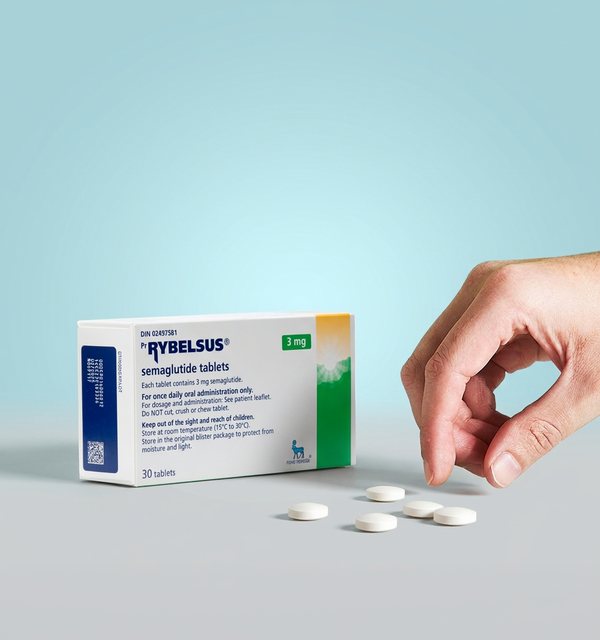
Some readers compare semaglutide forms or related products while discussing tolerability. Product pages such as Ozempic Semaglutide Pens, Rybelsus Semaglutide Pills, and Wegovy can provide product context, but they do not replace a clinician’s review of risks, eligibility, or monitoring.
How GLP-1 Safety Fits Into Broader Treatment Choices
GLP-1 long-term side effects are discussed across several medicines, not just one brand. Products may differ by active ingredient, approved indication, route, and individual tolerability. The best fit depends on medical history, goals, other medications, and how side effects affect daily life.
Be cautious with claims about “GLP-1 patches” or unverified compounded products. Patch delivery is not the standard approved form for semaglutide products, and online safety claims may not reflect regulated labeling. If a product’s source, ingredients, or oversight are unclear, discuss it with a licensed clinician or pharmacist.
For broader reading, the Weight Management Articles collection gathers educational content on related topics. The Weight Management Category lists related product options for browsing, not medical decision-making.
Authoritative Sources
For primary safety language, start with the official prescribing information. The Ozempic prescribing information describes labeled warnings, contraindications, and adverse reactions.
Regulatory and professional sources can help separate known risks from rumors. Health Canada provides Drug Product Database information for authorized drug products in Canada. The American Diabetes Association also publishes diabetes education and care resources for patients and clinicians.
The long-term side effects of ozempic are best understood as a mix of labeled medication risks, nutrition changes, and individual health factors. Use reliable sources, track symptoms, and bring specific concerns to your healthcare professional.
This content is for informational purposes only and is not a substitute for professional medical advice.