

Diabetic Macular Edema Treatment Options
Browse Diabetic Macular Edema products and resources for patients and caregivers comparing eye injections, related conditions, and education topics.
Prices in USD, the lowest price for each product; your dose and quantity set the final price. Struck prices are the US and Canadian comparison prices shown on each product page.
Diabetic Macular Edema: products, conditions and resources
Diabetic Macular Edema can affect central vision, so this condition collection helps patients, caregivers, and clinic teams browse relevant eye-injection products and education resources. Use it to compare anti-VEGF options, review related retinal conditions, and open focused articles before discussing care with an eye specialist.
This page does not replace a retina exam or prescribing advice. It organizes product pages, condition pages, and educational articles so you can find the most relevant next step faster.
What This Diabetic Macular Edema Collection Includes
Diabetic macular edema develops when damaged retinal blood vessels leak fluid into the macula, the part of the retina used for sharp central vision. It is closely linked with diabetic retinopathy, but it describes swelling in a specific retinal area rather than the full range of diabetes-related retinal damage.
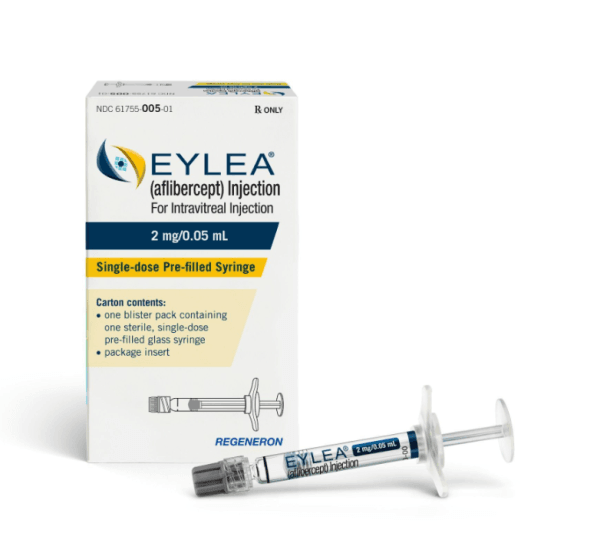
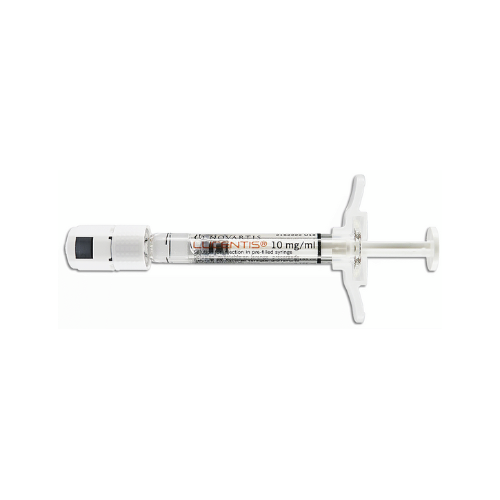
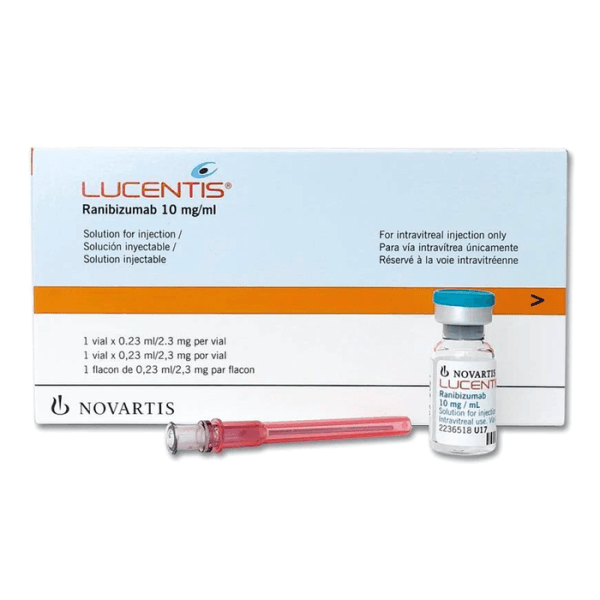
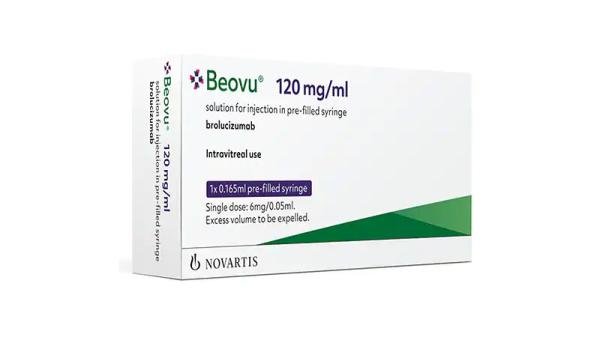
The product list focuses on intravitreal medicines, meaning medications injected into the eye by a trained specialist. Anti-VEGF agents block vascular endothelial growth factor, a signal that can increase leakage and abnormal vessel activity. Representative product pages include Eylea, Lucentis Prefilled Syringe, Lucentis Vial 10 mg/mL, and Beovu Pre-Filled Syringe.
Product pages can help you check form, brand, packaging, and handling notes. They are not treatment instructions. A retina specialist decides whether an eye injection is appropriate, how often monitoring is needed, and whether a change in therapy should be considered.
Symptoms, Causes, and Imaging Terms You May See
Common diabetic macular edema symptoms can include blurred central vision, distortion, reduced contrast, or trouble reading fine print. Some people notice changes slowly. Others may have swelling found during a dilated eye exam before symptoms become obvious.
Diabetic macular edema causes usually relate to long-term blood vessel injury from diabetes. High glucose, blood pressure, kidney disease, and lipid problems can all affect retinal leakage. Inflammation can also contribute, which is why some treatment discussions include corticosteroid pathways, even when anti-VEGF injections remain common first-line options.
Retina clinics often use OCT, or optical coherence tomography, to track swelling. Diabetic macular edema OCT images show cross-sections of the retina and can document fluid pockets, retinal thickness, and cystoid spaces. Terms such as cystoid macular edema OCT, clinically significant macular edema, and oct classification of diabetic macular edema may appear in reports or referral notes.
Quick tip: Bring recent OCT reports or images when visiting a new retina clinic.
How to Compare Eye Injection Product Pages
Diabetic macular edema injections differ by drug class, presentation, clinic workflow, and monitoring needs. Some pages describe prefilled syringes, while others describe vials. These details matter for clinic preparation, storage checks, and documentation, but they do not determine the right medicine for an individual eye.
When comparing product pages, focus on practical category details rather than trying to choose treatment alone. Useful points include:
- Whether the product is supplied as a vial or prefilled syringe.
- Which active ingredient and brand name the page lists.
- Storage and handling information shown on the product page.
- Whether the product is used in retina care workflows.
- Questions to confirm with the prescriber, including eye history and follow-up plans.
Patients often ask about a new treatment for diabetic macular edema or whether one product is better than another. The answer depends on eye findings, prior response, lens status, injection tolerance, and safety history. Product pages can support browsing, but clinical decisions require an ophthalmologist or retina specialist.
CanadianInsulin.com operates as a prescription referral platform. Where required, prescription details may be confirmed with the prescriber before dispensing through licensed third-party pharmacies, where permitted.
Related Retinal and Diabetes Categories
Diabetic retinopathy with macular edema treatment often overlaps with broader retinal disease management. The Diabetic Retinopathy category can help you compare how retinal stages, screening, and medication options relate to macular swelling.
Macular swelling can also occur after retinal vein problems. If a clinician mentions vein-occlusion swelling, browse Macular Edema From Retinal Vein Occlusion or Macular Edema Following Retinal Vein Occlusion for condition-aligned product navigation.
Systemic diabetes care remains part of the picture. The Type 2 Diabetes category and the Non-Insulin Diabetes Medications product category can help you browse related diabetes treatment areas. Supplies used in daily diabetes care are grouped under Diabetes Supplies.
Articles That Support Better Questions
Educational articles can help you prepare for appointments without replacing medical advice. The article How Does Diabetes Affect the Eyes explains how diabetes can affect eye structures and why routine eye exams matter.
If you are comparing anti-VEGF names, Eylea vs Lucentis discusses two common retina medicines in a reader-friendly format. For a deeper look at one product, Lucentis Uses, Side Effects, Dosage can help you identify questions to raise with a clinician.
Broader diabetes reading may also be useful when eye disease appears alongside changing glucose control. The Diabetes Articles archive collects education pieces, while Diabetes Symptoms, Causes, Treatment, and Prevention reviews general diabetes topics in one place.
Codes, Costs, and Safety Questions to Confirm
People searching for diabetic macular edema icd-10 may see different codes depending on eye laterality, diabetes type, and retinopathy stage. Examples include searches for nonproliferative diabetic retinopathy with macular edema icd-10 or proliferative diabetic retinopathy with macular edema icd-10. Coding should be confirmed by the treating clinic or billing professional.
Macular edema injection cost can vary by product, coverage rules, clinic fees, and location. Some patients explore cash-pay options or cross-border fulfilment depending on eligibility and jurisdiction, but product availability and access requirements can change. Confirm current details before relying on any listing.
Safety questions should stay specific. Ask the retina team about eye injection for diabetic retinopathy side effects, infection precautions, pressure checks, and warning symptoms after an injection. Also ask whether eye drops have any role, since searches for the best eye drops for macular edema can be misleading when the swelling needs specialist evaluation.
Why it matters: Retinal swelling can progress silently, even when vision seems stable.
Using This Page as a Browsing Starting Point
Start with the product page if you need form, packaging, or handling information for a named medicine. Choose a related condition page when the diagnosis involves diabetic retinopathy, retinal vein occlusion, or another source of macular swelling. Use the articles when you want plain-language background before an appointment.
Diabetic macular edema treatment planning should stay with a qualified eye-care professional. This collection is most useful for organizing product options, related categories, and practical questions before clinical review.
This content is for informational purposes only and is not a substitute for professional medical advice.
Related conditions
All medical conditions →Frequently asked questions
About browsing Diabetic Macular Edema resources on this page.
How should I use this Diabetic Macular Edema category?
Use it as a browsing page for condition-related products and education. Product links help you review forms, brands, and handling details. Condition links help you compare related retinal diagnoses. Articles can help you prepare better questions for an eye specialist. The category does not diagnose disease, choose treatment, or replace an exam.
Are Diabetic Macular Edema and diabetic retinopathy the same?
They are related but not identical. Diabetic retinopathy describes diabetes-related damage to retinal blood vessels. Diabetic Macular Edema describes swelling in the macula, which can occur as part of diabetic retinopathy. A retina specialist may discuss both terms when reviewing imaging, staging, and treatment planning.
What should I compare before opening an eye injection product page?
Start with the product name, active ingredient, and format, such as vial or prefilled syringe. Then review storage and handling notes if they are listed. Do not compare products as if they are interchangeable for your eye. Prior response, OCT findings, eye pressure history, and other medical factors should be reviewed by the prescriber.
Can this category explain ICD-10 codes or injection costs?
It can point you toward terms commonly searched with the condition, but coding and cost details depend on the clinic, diagnosis, coverage, product, and jurisdiction. ICD-10 coding should be confirmed by the treating office or billing team. Cost questions should be checked with the clinic, insurer, pharmacy, or referral platform handling the request.
Related articles
View all articles →
Lucentis Treatment Cost and Savings in Canada: What Shapes Access
Lucentis treatment cost and savings in Canada depend on more than the medicine itself. The monthly total can include the drug, the…
Read more →
Pioglitazone and Heart Failure: Evidence, Risks, and Uses
Pioglitazone is a thiazolidinedione (TZD) used to improve insulin sensitivity in type 2 diabetes. Its brand name is Actos. Interest in cardiometabolic…
Read more →
Metformin Blindness: Eye Risks, Protection, and Red Flags
Metformin blindness is not a typical or expected effect of routine metformin use. For most people with type 2 diabetes, metformin supports…
Read more →
Pioglitazone Mechanism of Action in Diabetes Care
Pioglitazone helps lower blood glucose in type 2 diabetes by making the body more responsive to insulin. The pioglitazone mechanism of action…
Read more →The contents of CanadianInsulin.com are for informational purposes only and should not be considered medical advice. We do not guarantee the accuracy of the content on CanadianInsulin.com, nor do we assume any responsibility for any actions taken using the information found on our website. Always consult with your family physician or a qualified health care provider about any health or medical concerns.