

Hirsutism Care Options
Browse Hirsutism care options, related medications, and condition resources for patients comparing hormone, metabolic, and self-care pathways.
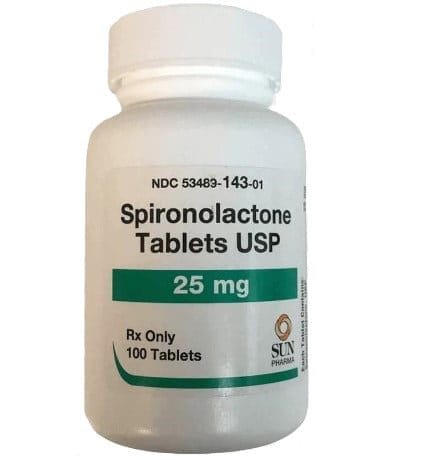
Prices in USD, the lowest price for each product; your dose and quantity set the final price. Struck prices are the US and Canadian comparison prices shown on each product page.
Hirsutism: products, conditions and resources
Hirsutism is a condition-focused collection for patients and caregivers comparing medications, related endocrine resources, and practical self-care topics. Use this page to understand which product pages, condition categories, and educational guides may help frame a conversation with a licensed clinician. It supports browsing, not self-diagnosis or dose selection.
Hirsutism in women usually means coarse, darker hair in areas where androgens, or male-type hormones, strongly affect follicles. Common sites include the upper lip, chin, chest, abdomen, or back. The listings and resources here connect that symptom pattern with possible hormone, metabolic, and grooming-related care pathways.
Hirsutism treatment options in this collection
This category includes medication pages and related condition resources that often appear in hirsutism care plans. Some options target androgen effects on hair follicles. Others support metabolic issues that can contribute to androgen excess, especially when insulin resistance or polycystic ovary syndrome is part of the picture.
Product pages in this collection let you compare form, strength information, handling notes, and prescription-related details. For anti-androgen pathways, Spironolactone is a common reference point to discuss with a prescriber. For metabolic factors, Metformin may be relevant when a clinician is also evaluating cycle changes, insulin resistance, or type 2 diabetes risk.
CanadianInsulin.com operates as a prescription referral platform. When required, prescription details may be confirmed with the prescriber before pharmacy processing occurs.
How to compare hirsutism medication pages
Start with the reason a clinician is considering treatment. Hirsutism causes can include polycystic ovary syndrome, idiopathic hirsutism, familial hirsutism, adrenal or ovarian disorders, and certain medicines. That background affects whether a prescriber focuses on androgen activity, metabolic health, cycle regulation, cosmetic support, or further testing.
When comparing a hirsutism medication page, look for details that help you prepare questions rather than make independent changes. Useful fields often include the active ingredient, tablet or topical form, available strengths, storage basics, and warnings about pregnancy, potassium, kidney function, or other relevant safety topics.
- Confirm whether the option is intended to affect hormones, metabolism, or hair growth locally.
- Check whether the page describes a prescription product or an educational resource.
- Review handling and storage notes before comparing similar products.
- Ask a clinician how long a hair-growth cycle may take to respond.
- Discuss contraception needs before using anti-androgen therapy if pregnancy is possible.
Quick tip: Bring a medication list and menstrual history to appointments about new facial or body hair.
Testing, symptoms, and when evaluation matters
Hirsutism diagnosis usually begins with history, a medication review, menstrual patterns, and a physical exam. Clinicians may use a scoring system to estimate hair distribution. Lab tests for hirsutism can include total testosterone, free testosterone, DHEAS, and other hormone or metabolic tests when symptoms suggest a specific driver.
A hirsutism test is not one single test for every person. A hormone test for hirsutism may be useful when hair growth is new, worsening quickly, or paired with irregular periods, acne, scalp hair thinning, or weight-related metabolic concerns. A hirsutism test online may help organize questions, but it cannot replace clinical assessment or laboratory testing.
Prompt medical evaluation is important if symptoms appear rapidly, deepen the voice, increase muscle mass, cause new clitoral enlargement, or come with severe metabolic changes. These signs can suggest stronger androgen exposure and need professional review. A concise patient reference from MedlinePlus describes common causes and testing for excess hair growth.
Self-care and supportive choices
Hirsutism self-care often focuses on comfort, skin health, and consistent grooming between medical visits. Shaving, trimming, depilatory products, threading, waxing, laser hair reduction, and electrolysis may all be discussed depending on skin type, hair color, budget, and access. These approaches can reduce visible hair, but they do not treat an underlying endocrine cause.
Many people search for hirsutism treatment natural options or hirsutism treatment at home. Lifestyle changes that support insulin sensitivity may help some people with PCOS-related metabolic features, but they should not replace evaluation when symptoms are significant. Supplements for hirsutism, including popular hormone or insulin-related products, vary in evidence and quality. Review hirsutism supplements with a clinician or pharmacist, especially if you take prescription medicines.
Some care plans include a hirsutism treatment cream for facial areas. Topical options may slow new facial hair growth while grooming methods manage existing hair. They require consistent use and are usually evaluated alongside other treatments rather than viewed as a quick fix.
Related conditions that can affect hair growth
Several related categories can help you narrow the next page to open. For irregular cycles, acne, and androgen-related symptoms, the Polycystic Ovary Syndrome category aligns closely with pcos hirsutism treatment discussions. The Acne category may also be useful when excess hair and breakouts appear together.
Metabolic and thyroid categories can help when hair changes overlap with broader endocrine questions. Browse Type 2 Diabetes for product and condition links tied to blood sugar management. The Obesity category may be relevant when weight-focused treatment is part of a clinician-led plan. The Hypothyroidism category helps separate thyroid-related hair concerns from androgen-driven patterns.
Educational articles can clarify overlapping questions. Ozempic for PCOS discusses a metabolic medication in a PCOS context. Metformin and Hair Loss addresses a common medication concern. Diabetes and Hair Loss can help readers compare scalp hair changes with unwanted facial or body hair.
Questions to bring to a clinician
Hirsutism treatment works best when the likely cause is clear enough to guide next steps. Ask which hormone causes facial hair growth in females in your situation, whether PCOS is likely, and whether testing should happen before medication starts. Also ask how to treat hirsutism while protecting skin from irritation caused by frequent grooming.
If your main concern is how to stop facial hair growth due to PCOS naturally, ask which lifestyle changes are reasonable and which symptoms still need medical evaluation. If your concern is mild hirsutism or familial hirsutism, ask whether observation, cosmetic methods, or prescription treatment fits your goals. The Endocrine Society guideline outlines evaluation and treatment recommendations for clinicians.
Use this collection to compare relevant product pages, condition categories, and articles before appointments. The strongest next page depends on whether your main question involves hormones, metabolic health, skin symptoms, or grooming support.
This content is for informational purposes only and is not a substitute for professional medical advice.
Related conditions
All medical conditions →Frequently asked questions
About browsing Hirsutism resources on this page.
What can I compare on this Hirsutism category page?
You can compare related product pages, condition categories, and educational articles connected with unwanted coarse hair growth. Product pages may show form, strength information, handling notes, and prescription-related details. Condition pages help you browse connected endocrine or metabolic topics, such as polycystic ovary syndrome, acne, thyroid disease, obesity, or type 2 diabetes. The page is meant to support preparation and browsing, not to choose treatment without clinical guidance.
Can hirsutism happen without PCOS?
Yes. PCOS is a common cause, but it is not the only one. Some people have idiopathic hirsutism, where routine testing does not identify a clear endocrine disorder. Familial patterns, medications, adrenal or ovarian conditions, and other hormone changes may also play a role. A clinician can decide whether symptoms, timing, menstrual changes, or other signs suggest lab testing or imaging.
How should I think about natural or at-home approaches?
At-home care usually focuses on grooming, skin protection, and healthy metabolic habits. These steps may improve comfort and confidence, but they do not always address the cause of androgen-related hair growth. Supplements and natural products can interact with medicines or create side effects. It is safest to discuss them with a clinician or pharmacist, especially if symptoms are new, worsening, or linked with irregular periods.
When should I ask about lab tests for hirsutism?
Ask about testing when hair growth starts suddenly, worsens quickly, appears with irregular periods, or comes with acne, scalp hair thinning, weight changes, or signs of virilization. Clinicians may consider testosterone, DHEAS, or other hormone and metabolic tests based on the full history. Testing choices vary by person, so an online questionnaire cannot replace a medical assessment.
Related articles
View all articles →
Metformin and Hair Loss: Evidence, Mechanisms, and Care Tips
Concerns about metformin and hair loss are common in diabetes and PCOS communities. This guide explains what is known, what is suspected,…
Read more →The contents of CanadianInsulin.com are for informational purposes only and should not be considered medical advice. We do not guarantee the accuracy of the content on CanadianInsulin.com, nor do we assume any responsibility for any actions taken using the information found on our website. Always consult with your family physician or a qualified health care provider about any health or medical concerns.