

Polycystic Ovary Syndrome Medications and Resources
Browse Polycystic Ovary Syndrome care options, related medications, condition pages, and articles to compare formats, goals, and clinician discussion points.
Prices in USD, the lowest price for each product; your dose and quantity set the final price. Struck prices are the US and Canadian comparison prices shown on each product page.
Polycystic Ovary Syndrome: products, conditions and resources
Polycystic Ovary Syndrome is a condition-focused collection for people comparing product options and educational resources related to PCOS care. Use this page to review medications, related women’s health categories, and articles that explain metabolic and hormonal factors in plain language. It can help you prepare better questions before discussing pcos treatment with a clinician.
PCOS can involve irregular ovulation, androgen excess (higher levels of hormones linked with acne or excess hair growth), and insulin resistance. This collection does not diagnose symptoms or choose therapy for you. Instead, it organizes relevant browsing paths so you can compare pcos medication options, supportive resources, and related conditions in one place.
What This Polycystic Ovary Syndrome Collection Includes
PCOS care often spans more than one product type or health topic. This collection includes prescription medication pages, condition-aligned browse pages, and educational articles. The strongest starting point depends on your main question: cycle changes, metabolic health, weight concerns, acne, hair growth, or fertility planning.
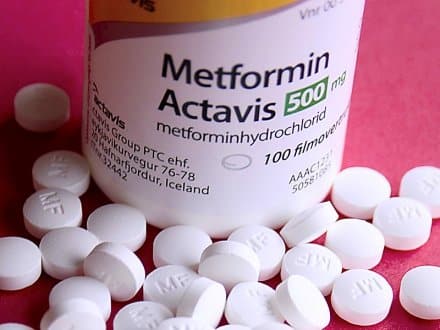
Metformin is commonly discussed when insulin resistance is part of PCOS care. The Metformin product page can help you review the medication as a specific item, while Metformin and Insulin Resistance explains why clinicians may consider it in metabolic care. Some visitors also compare GLP-1 or incretin-related medicines used for diabetes or weight management, such as Ozempic Semaglutide Pens, Rybelsus Semaglutide Pills, Wegovy, or Mounjaro KwikPen. These pages should be used for product comparison, not as a substitute for prescribing guidance.
CanadianInsulin.com operates as a prescription referral platform. Where required, prescription details may be confirmed with the prescriber before pharmacy dispensing is arranged through licensed third-party pharmacies, where permitted.
How to Compare PCOS Treatment Options
When reviewing pcos treatment choices, start with the goal your clinician is addressing. PCOS plans may focus on menstrual regularity, androgen-related symptoms, glucose markers, weight management, fertility planning, or long-term cardiometabolic risk. Different product pages and articles answer different browsing needs.
- Medication class: Compare whether the product is used for insulin sensitivity, weight management, glucose control, or another related purpose.
- Form: Tablets, pills, and injectable pens differ in handling, routine, and storage requirements.
- Clinical goal: Match your browsing to the issue being discussed, such as insulin resistance, acne, hirsutism, or triglycerides.
- Prescriber input: Confirm kidney function, pregnancy intentions, other medicines, and monitoring needs before changing therapy.
- Resource type: Use product pages for item details and articles for background reading.
Quick tip: Write down your main PCOS goal before comparing products or articles.
People often search for pcos symptoms and treatment together. Common PCOS symptoms can include irregular periods, acne, excess facial or body hair, weight changes, and difficulty getting pregnant. Pain can occur for many reasons, so pcos symptoms pain should be discussed with a clinician rather than assumed to be part of PCOS.
Metabolic Health, Weight, and Related Browse Paths
Insulin resistance is a frequent reason people with PCOS compare metabolic medications and weight-focused resources. The Insulin Resistance Medications article gives a broader reading path for medicine classes. If weight is part of the care conversation, the Weight Management category gathers related product options, while Losing Weight With Insulin Resistance focuses on lifestyle and metabolic context.
Diet is another common browsing theme. A pcos treatment diet usually means a practical eating pattern that supports glucose control, sustainable weight goals, and overall nutrition. It is not a cure. Claims such as how to cure pcos permanently or how i cured my pcos can be misleading because PCOS is usually managed over time, with goals adjusted as symptoms, labs, and life plans change.
Some people also ask about pcos supplements, including myo-inositol, inositol, inositol supplement formats, or inositol powder. This page can support that research by helping you separate supplement questions from prescription medication questions. Inositol benefits and inositol side effects should be reviewed using product labels, clinician advice, and reliable medical sources, especially if pregnancy is possible or other medicines are used.
Related Symptoms and Women’s Health Resources
PCOS can overlap with visible skin and hair symptoms. The Hirsutism condition page is useful when excess hair growth is part of the concern. The Acne page can help you browse related condition resources when breakouts are a major symptom. These pages help organize browsing, but they do not replace a diagnosis.
Cardiometabolic factors can also shape follow-up. If lab results show lipid changes, the High Triglycerides page may help you understand related product and education paths. For menstrual and mood-related symptom patterns, Premenstrual Dysphoric Disorder offers a separate condition browse page. PCOS and PMDD are not the same, but symptom tracking may help clinicians sort timing and triggers.
The Women’s Health category offers a broader product view. The Women’s Health Articles archive is better for educational reading, including fertility, hormone, and metabolic topics.
Fertility, Pregnancy Planning, and PCOS Questions
PCOS is one reason people look for fertility-related information. Irregular ovulation can make timing less predictable, and insulin resistance may also affect care planning. If you are comparing pcos treatment for pregnancy, avoid changing medications or supplements without clinical guidance. Pregnancy plans can change which products are appropriate.
The article Diabetes and Fertility may help when glucose control and reproductive planning overlap. It is not limited to PCOS, but it can clarify why metabolic health often enters fertility discussions. For medication-specific questions, product pages should be paired with prescriber advice, current lab results, and pregnancy intentions.
Why it matters: Fertility goals can change the risk-benefit discussion for several therapies.
How to Use This Page Safely
PCOS meaning is simple at the surface: a hormonal and metabolic condition that can affect cycles, skin, hair growth, and fertility. The causes of pcos are more complex and may include genetic, hormonal, and insulin-related factors. PCOD vs PCOS is another common comparison; terminology varies by region, but clinicians usually focus on symptoms, exam findings, labs, and ultrasound results when needed.
Use this collection to narrow what you want to review next. Product pages help compare forms and item details. Condition pages group related browsing paths. Articles explain concepts such as insulin resistance, weight management, and fertility. If you use cash-pay options, eligibility and jurisdiction can affect the process, and dispensing is handled by licensed third-party pharmacies where permitted.
Before discussing polycystic ovary syndrome treatment, gather your recent labs, cycle history, current medicines, supplements, and pregnancy plans. This makes it easier to compare pcos treatment choices with your clinician and choose the most relevant next resource on this page.
This content is for informational purposes only and is not a substitute for professional medical advice.
Related conditions
All medical conditions →Frequently asked questions
About browsing Polycystic Ovary Syndrome resources on this page.
How should I start browsing this PCOS collection?
Start with your main concern, then choose the resource type that fits it. Product pages help compare specific medication formats and item details. Condition pages help when symptoms such as acne, hirsutism, or high triglycerides are part of the picture. Articles are better for background on insulin resistance, weight management, fertility, and related treatment concepts.
What should I ask a clinician before comparing PCOS medication options?
Ask which goal the medication is meant to address, such as cycle regularity, insulin resistance, weight, androgen-related symptoms, or fertility planning. Also ask what labs need monitoring, whether pregnancy plans affect the choice, and how other medicines or supplements may interact. Do not change doses or stop therapy without prescriber guidance.
Are supplements such as inositol the same as prescription PCOS medicines?
No. Supplements such as myo-inositol or inositol powder are not the same as prescription medicines. They may be discussed as supportive options, but quality, ingredients, dosing, and suitability can vary. Review labels carefully and ask a clinician or pharmacist before combining supplements with prescription therapies, especially if pregnancy is possible.
Does PCOS ever go away permanently?
PCOS is usually managed rather than permanently cured. Symptoms can change over time, and some people see improvement with weight changes, nutrition, activity, medications, or hormonal treatment. Long-term follow-up may still matter because insulin resistance, lipid changes, fertility goals, and cycle patterns can shift across life stages.
Related articles
View all articles →
Ozempic Side Effects in Females: Symptoms, Risks, and Next Steps
OverviewOzempic side effects in females are usually digestive, such as nausea, constipation, diarrhea, vomiting, stomach pain, and early fullness. Some people also…
Read more →
Best GLP-1 Supplement for Weight Loss: Evidence and Safety
GLP-1 is a gut hormone tied to appetite and blood sugar control. Prescription GLP-1 drugs act directly on GLP-1 receptors. Supplements do…
Read more →
World Health Day 2025: Why Mothers And Newborns Are The Focus
World Health Day 2025: Better Care for Mothers and Newborns is the 2025 World Health Organization campaign focus for April 7. It…
Read more →
Metformin Cardiovascular Benefits: Cardioprotective Overview
Metformin remains first-line therapy for type 2 diabetes, yet its heart impact deserves equal attention. Evidence suggests Metformin cardiovascular benefits extend beyond…
Read more →The contents of CanadianInsulin.com are for informational purposes only and should not be considered medical advice. We do not guarantee the accuracy of the content on CanadianInsulin.com, nor do we assume any responsibility for any actions taken using the information found on our website. Always consult with your family physician or a qualified health care provider about any health or medical concerns.