
Please note: a valid prescription is required for all prescription medication.
Out of Stock
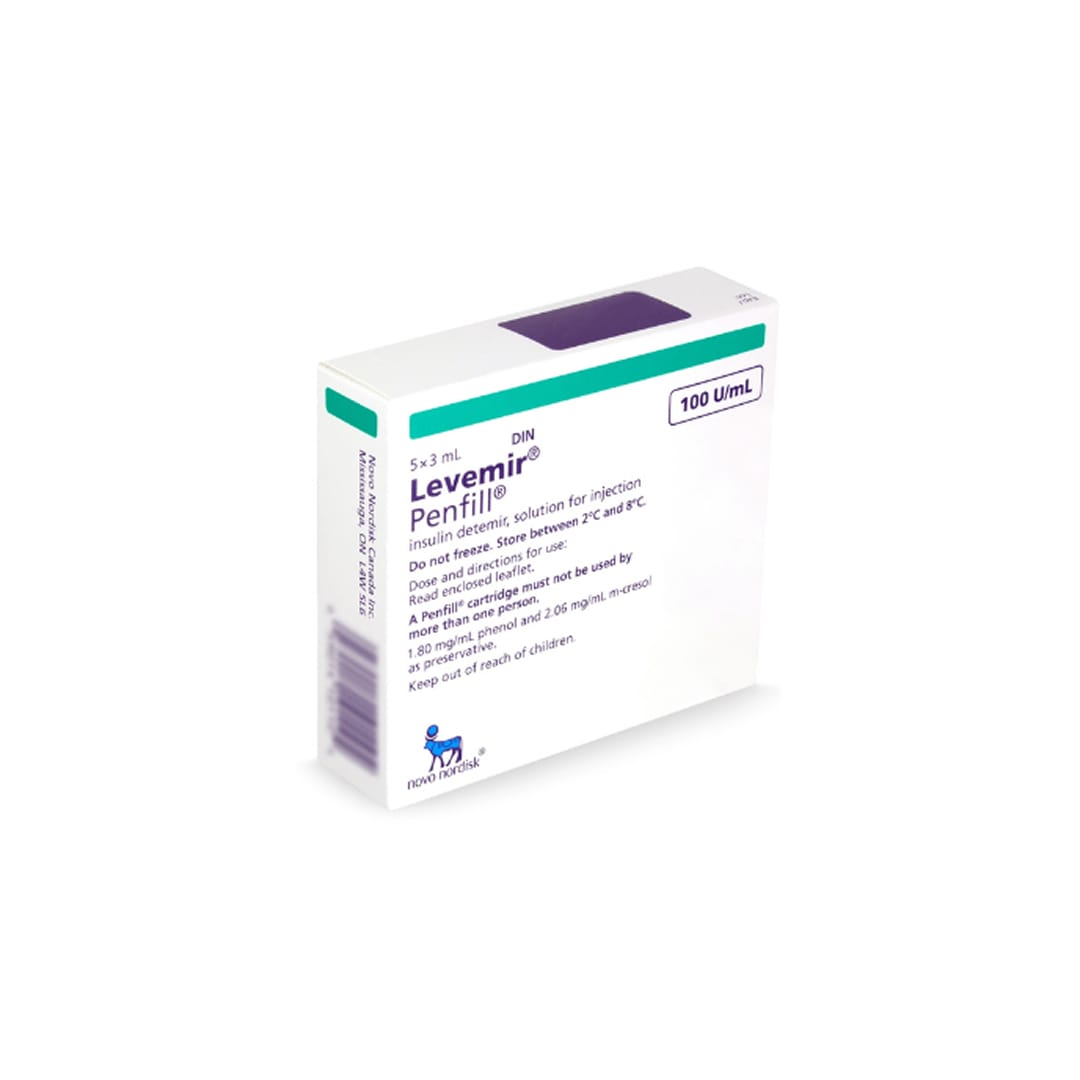
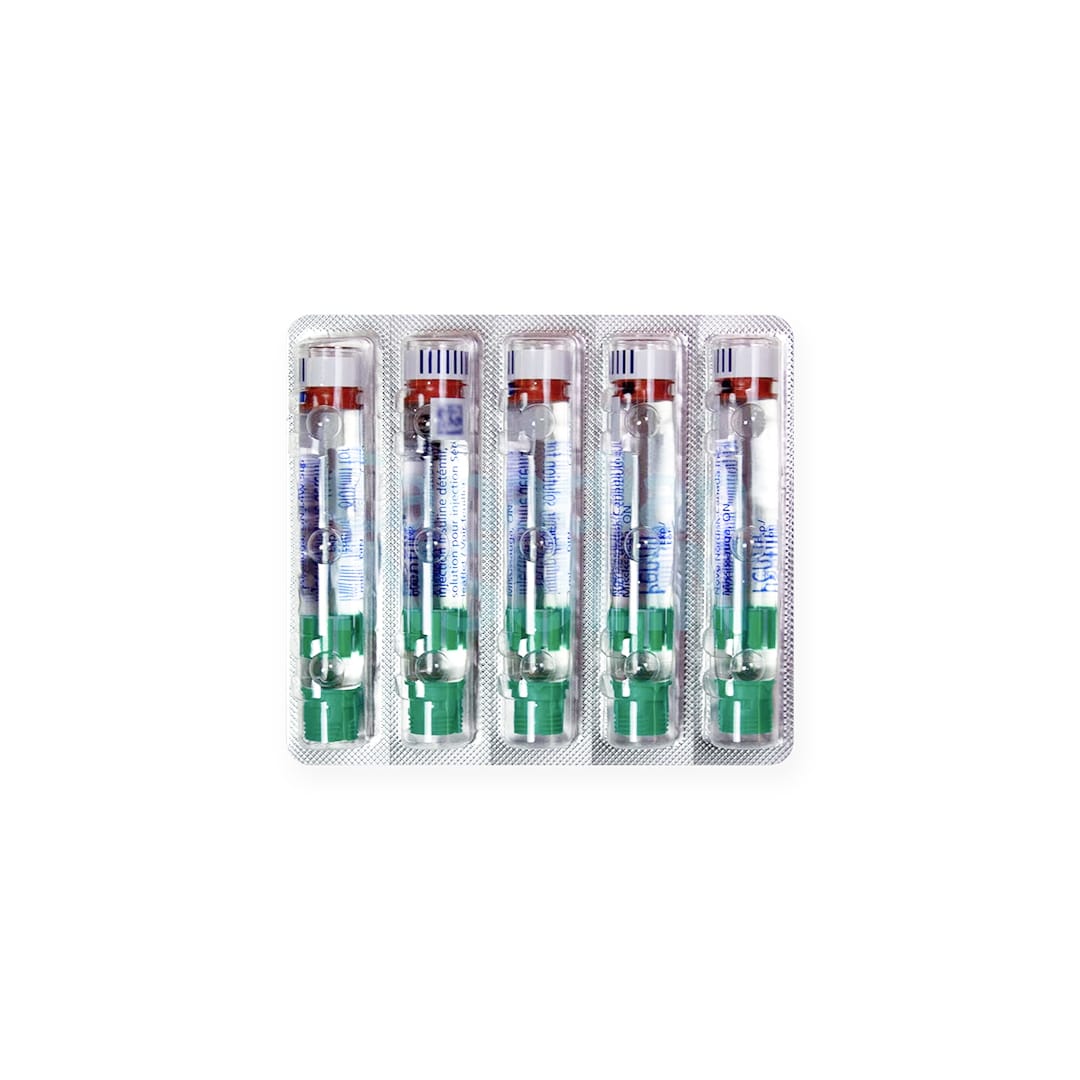
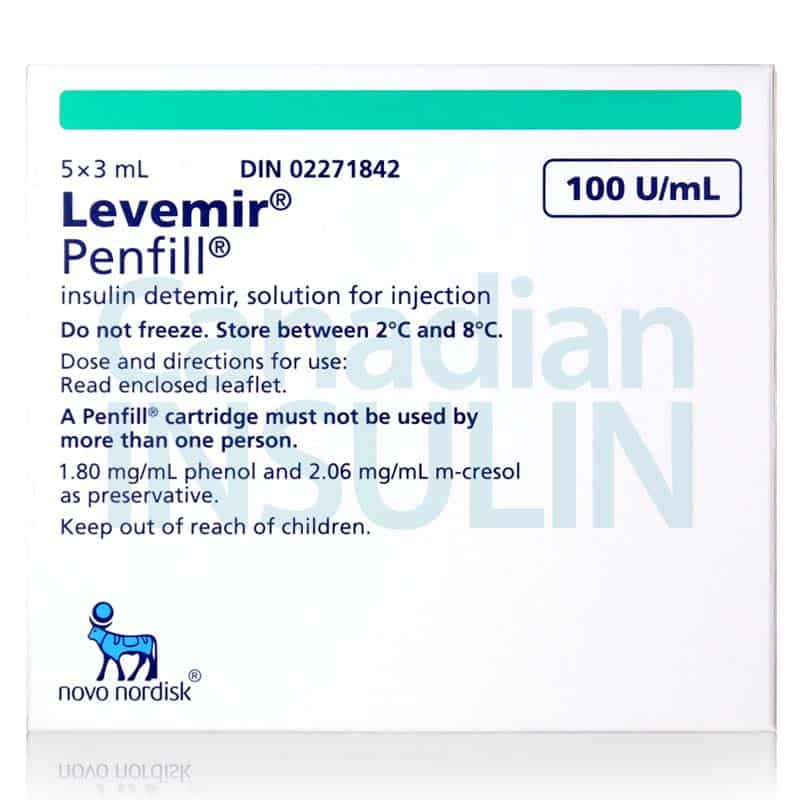
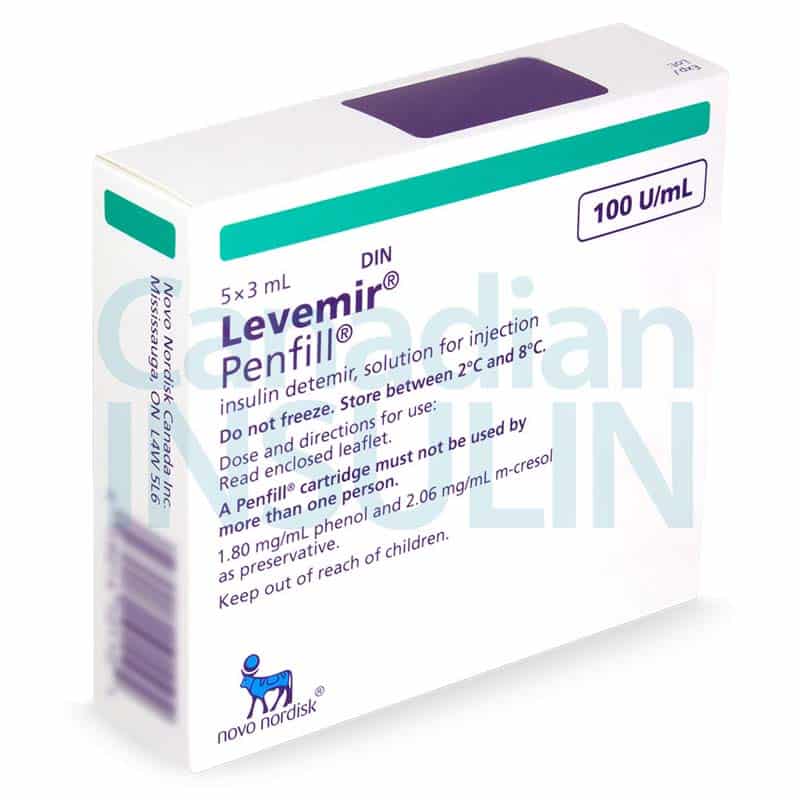
Levemir PenFill Cartridges
Buy Levemir PenFill Cartridges Online
Also available for your pet.


Levemir PenFill Cartridges contain insulin detemir, a long-acting basal insulin used to help manage diabetes mellitus. Levemir PenFill Cartridges can be bought online by choosing the cartridge strength and quantity that match your clinician’s directions. Review the 100 units/mL cartridge format, device fit, current price, and cold-chain handling needs before placing an insulin order.
The PenFill format is different from a vial or disposable prefilled pen. It is made for compatible reusable Novo Nordisk pen systems that accept PenFill cartridges, and it requires compatible single-use needles. Match the active ingredient, cartridge format, strength, and quantity to the directions you were given.
Because insulin is temperature sensitive and dosing errors can cause serious harm, ordering should be paired with careful product matching and safe storage planning. If US delivery from Canada is part of your order path, plan for prompt package receipt and follow the storage instructions supplied with the insulin.
Levemir PenFill Cartridges Price and Format
The Levemir PenFill cartridges price should be read together with the form and quantity shown during ordering. Cartridge packs are not the same as Levemir vials or disposable pens, and the total cost can change when the number of cartridges or cartons changes. Compare the final cart contents, not only the first amount you see.
Levemir PenFill 100 units/mL is commonly supplied as 3 mL cartridges. Each 3 mL cartridge contains 300 units of insulin detemir. A 5 x 3 mL pack, when offered, represents five separate cartridges and 15 mL total volume, not one injection or one dose. Your daily dose and refill timing should come from your treatment plan.
- Strength: Match 100 units/mL when that is the strength directed for you.
- Form: Choose PenFill cartridges only if you use a compatible reusable pen.
- Pack size: Count total cartridges and total millilitres before checkout.
- Quantity: Choose an amount that fits your refill schedule and storage capacity.
- Cash-pay planning: If paying without insurance, compare the total cart amount and any temperature-sensitive handling charges shown at checkout.
For other insulin forms, browse the insulin product category. Do not substitute a vial, disposable pen, or different long-acting insulin because the names appear related. Device format, concentration, and insulin type all matter.
How to Order This Insulin Online
Start with the exact name on your current carton or treatment instructions: Levemir PenFill, insulin detemir, cartridge format, and the strength shown. Then choose the quantity that matches the refill you need. If your reusable pen has a model name, keep it nearby while ordering so the cartridge format is not confused with another Levemir presentation.
We may review order details when additional confirmation is needed. This helps reduce mismatches between the insulin, the device format, and the quantity requested. Products are supplied through licensed pharmacies, and temperature-sensitive medicine should be received promptly after shipment.
When a Canada-to-US service path is used, review the destination information and handling notes before submitting the order. The shipping method may include prompt, express, cold-chain shipping, but insulin should still be inspected after arrival. Check the carton, active ingredient, strength, cartridge condition, and expiry date before storing it.
Quick tip: Keep a photo of your current Levemir PenFill carton and pen device name for future refills.
Cartridge Presentation and Compatible Pens
A Levemir PenFill Cartridge is a glass cartridge containing insulin detemir solution for subcutaneous injection. The PenFill system is designed for reusable Novo Nordisk insulin delivery devices that accept PenFill cartridges, such as NovoPen systems, with compatible disposable needles. It is not designed to be used by itself.
For a Levemir cartridge compatible pen, confirm both the pen model and the needle type. Do not force a cartridge into a device that does not fit. If the cartridge holder, plunger, dose mechanism, or needle connection does not work normally, stop and ask a healthcare professional or device supplier for help.
| Product attribute | What to verify |
|---|---|
| Active ingredient | Insulin detemir, a long-acting insulin analog. |
| Usual PenFill strength | 100 units/mL for the standard PenFill cartridge format. |
| Cartridge volume | 3 mL per cartridge, equal to 300 units. |
| Delivery device | Reusable Novo Nordisk PenFill-compatible insulin pens. |
| Needles | Use a new compatible needle for each injection as instructed. |
Inspect the insulin before each use. Levemir solution should be clear and colourless, with no particles, clumps, cloudiness, or colour change. Do not share pens, cartridges, or needles with another person, even if a new needle is attached.
What Levemir PenFill Insulin Is Used For
Levemir PenFill insulin is used to help manage blood glucose in people with diabetes mellitus. It provides basal insulin coverage, which means it supports background insulin needs between meals and overnight. Basal insulin is different from rapid-acting mealtime insulin.
People with type 1 diabetes often use a basal insulin with a separate rapid-acting insulin for meals and corrections. Some people with type 2 diabetes use basal insulin with other glucose-lowering medicines. The timing, dose, and combination plan should be individualized by a qualified healthcare professional.
Insulin detemir is not intended for treating diabetic ketoacidosis. Sudden changes in insulin type, strength, brand, or device can affect glucose control and hypoglycemia risk. If therapy is being changed because Levemir availability differs by market, ask what exact insulin, concentration, and device should replace it.
Availability and Discontinuation Considerations
Questions about Levemir cartridges discontinued status are common because insulin detemir withdrawal timelines have been discussed in some markets. Status can differ by country, product form, and remaining supply. That does not make every cartridge format interchangeable with a vial, disposable pen, or another basal insulin.
If your usual Levemir PenFill supply changes, ask your care team to name the replacement insulin and delivery device clearly. Long-acting alternatives may include other basal insulins, but they are not automatic dose-for-dose substitutes. A change may also require different needles, priming steps, storage habits, and glucose monitoring.
Customers who want to stay within cartridge-based therapy should pay close attention to device compatibility. A vial requires syringes, while a disposable pen already contains the delivery device. A PenFill cartridge requires a reusable pen that is designed for that cartridge system.
Storage, Handling, and Temperature Control
Insulin detemir is temperature sensitive. Unopened Levemir PenFill cartridges are generally stored in a refrigerator at 2°C to 8°C and should not be frozen. Keep cartridges away from direct heat and light. Do not use insulin that has been frozen or exposed to unsafe heat.
After a cartridge is in use or carried as a spare, many Levemir labels allow storage below 30°C for up to 42 days, or 6 weeks. Follow the leaflet supplied with your carton because storage wording can differ by market. Marking the first-use date can help prevent use beyond the allowed in-use period.
When the package arrives, inspect the outer carton, cartridge contents, product name, strength, and expiry date. The solution should remain clear and colourless. If the cartridge looks damaged, cloudy, or contaminated, do not use it until a healthcare professional or the support channel gives appropriate direction.
Why it matters: Temperature damage can reduce insulin quality before the printed expiry date.
For travel, keep insulin with you rather than in checked luggage, where temperatures can become extreme. Use an insulated case when needed, but avoid placing cartridges directly against ice packs unless the product instructions support that setup. Carry extra needles and supplies according to your travel plan.
Side Effects, Warnings, and Monitoring
The most important safety risk with any insulin is hypoglycemia, or low blood sugar. Symptoms can include sweating, shaking, hunger, headache, dizziness, confusion, fast heartbeat, blurred vision, or irritability. Severe hypoglycemia can cause seizure, loss of consciousness, or death if not treated promptly.
Do not use insulin detemir during an episode of low blood sugar. Avoid this medicine if you have had a serious allergic reaction to insulin detemir or any ingredient in the cartridge. Get urgent medical help for swelling of the face or throat, trouble breathing, widespread rash, collapse, or other signs of a severe allergic reaction.
- Common local effects: Redness, itching, swelling, or discomfort at the injection site.
- Skin changes: Repeated injections in one area can cause lumps, thickening, or dents.
- Metabolic effects: Weight gain and low potassium can occur with insulin therapy.
- Fluid retention: Swelling may worsen when insulin is used with some diabetes medicines.
- Device risks: Blocked needles, poor priming, or pen damage can affect delivered insulin.
Rotate injection sites as instructed. Do not inject into skin that is thickened, pitted, tender, bruised, scaly, hard, scarred, or damaged unless a clinician has given specific direction. Site rotation helps reduce skin changes that can interfere with insulin absorption.
Blood glucose monitoring helps show whether the insulin plan is working as intended. Your care team may also monitor potassium, kidney function, liver function, body weight, and patterns of hypoglycemia. Monitoring may need extra attention after illness, exercise changes, travel, missed meals, or changes to other diabetes medicines.
Interactions and Practical Safety Checks
Several medicines can change insulin needs or make low blood sugar harder to notice. Share your full medication list with your healthcare professional, including non-prescription products, supplements, alcohol use, and recent steroid or antibiotic courses. The goal is to reduce unexpected glucose swings and avoid preventable dosing mistakes.
| Interaction area | Why it matters |
|---|---|
| Other glucose-lowering medicines | They can increase the chance of hypoglycemia. |
| Beta-blockers | They may mask fast heartbeat and other warning signs of low glucose. |
| Corticosteroids | They may raise blood glucose and change insulin requirements. |
| Some diuretics | They may affect glucose or potassium balance. |
| Thiazolidinediones | Fluid retention and heart failure risk may increase with insulin. |
| Alcohol | It can make hypoglycemia harder to predict and recognize. |
Ask for individualized instructions for sick days, driving, exercise, fasting, missed meals, and time-zone changes. These situations can change glucose patterns. Dose adjustments should come from a qualified healthcare professional, not from online price, cartridge count, or device availability.
Access and Cash-Pay Planning
Levemir PenFill cash pay planning should start with the cartridge format, strength, pack count, and total quantity. Levemir PenFill without insurance may involve comparing the full cart total and refill frequency. A lower headline amount is not useful if the form or quantity does not match your actual insulin needs.
Device supplies can also affect the practical cost of using cartridges. Reusable pens, compatible needles, sharps containers, alcohol swabs, travel cases, and backup supplies may be needed. These items are separate from the insulin cartridge itself, so include them in your refill planning.
People managing diabetes often need more than one type of product, including glucose monitoring supplies and other medications. The broader diabetes product category can help organize related needs, while the diabetes articles category offers general education for product and treatment discussions.
Related Insulin Choices to Discuss
If therapy changes because of availability, tolerability, glucose patterns, or treatment goals, compare the replacement by active ingredient, concentration, delivery device, storage limits, and timing profile. Levemir PenFill contains insulin detemir. Other long-acting insulins can behave differently, even when they are used for basal coverage.
Long-acting insulin choices are grouped in the long-acting insulin category. If a clinician recommends a different insulin class or delivery format, review the exact product name and device instructions before changing supplies. A cartridge user may need different needles or a new pen system after a switch.
For people with type 1 diabetes, basal insulin is usually only one part of a larger regimen. The type 1 diabetes articles category can support background reading on daily management topics. For people with type 2 diabetes, the type 2 diabetes articles category may help frame questions about combination therapy, monitoring, and long-term care.
Authoritative Sources
These sources support the insulin detemir cartridge, storage, use, and safety information summarized above.
- Official patient information: Levemir PenFill patient leaflet.
- Manufacturer consumer information: Levemir consumer information in Canada.
This content is for informational purposes only and is not a substitute for professional medical advice.
Blood Glucose Unit Converter
Convert glucose readings between mg/dL and mmol/L without changing the clinical value.
mg/dL
-
US reporting unit
mmol/L
-
International reporting unit
These calculations are for education only and do not replace clinical advice, diagnosis, or treatment. Always confirm medical decisions with a qualified healthcare professional.
HbA1c & eAG Calculator
Convert between HbA1c percentage and estimated average glucose using the ADAG relationship.
HbA1c
-
percentage
eAG mg/dL
-
estimated average glucose
eAG mmol/L
-
estimated average glucose
These calculations are for education only and do not replace clinical advice, diagnosis, or treatment. Always confirm medical decisions with a qualified healthcare professional.
HOMA-IR Calculator
Estimate insulin resistance from fasting glucose and fasting insulin values collected from the same blood draw.
HOMA-IR
-
screening estimate, not a diagnosis
Formula used
-
depends on glucose unit
These calculations are for education only and do not replace clinical advice, diagnosis, or treatment. Always confirm medical decisions with a qualified healthcare professional.
Carb Serving Calculator
Convert total carbohydrate grams into carb choices for meal planning and diabetes education.
Carb choices
-
total carbs divided by choice size
Rounded choices
-
nearest half choice
Carb calories
-
4 kcal per gram
These calculations are for education only and do not replace clinical advice, diagnosis, or treatment. Always confirm medical decisions with a qualified healthcare professional.
CGM Time-in-Range Summary
Summarise CGM percentages across very low, low, in-range, high, and very high glucose bands.
Entered total
-
should equal 100%
Below range
-
very low plus low
Above range
-
high plus very high
Summary
-
common adult CGM targets vary by patient
These calculations are for education only and do not replace clinical advice, diagnosis, or treatment. Always confirm medical decisions with a qualified healthcare professional.
Customer Reviews
2.0 Based on 4 Reviews
Write a Review Ask a Question - Reviews
- Questions
Filter Reviews:
D(
08/22/2025
Dorothy (.  US
USHorrible Service
I have been trying to get the insulin for my dog for over a month. It is absolutely ridiculous that it has taken so long to get to get it. One shipment did arrive 2 weeks ago, but it was hot. There was minimal Ice packing did nothing to protect it during transit. It has taken more than two weeks and several calls and emails to receive a replacement. In fact I still have not received it. Our vet has contacted you several times stating the critical need, but to no avail. Its very unfortunate that there is such little care and concern for my dog's life from your company.
08/23/2025
CanadianInsulin.com
Dear Dorothy,We are truly sorry for the distress and inconvenience you’ve experienced with your recent order. We understand how critical this medication is for your dog’s health, and we deeply regret the delays and the condition of the initial shipment you received. This is not the level of service we strive to provide, and we recognize the seriousness of the situation.To ensure that your concerns are addressed promptly and thoroughly, we are assigning a dedicated Account Manager from our team who will coordinate closely with you to confirm the safe receipt of your replacement order, provide timely updates, and ensure your dog’s ongoing medication needs are fully met without further disruption.We greatly value your feedback as it helps us identify areas where we must do better, and please rest assured that we are reviewing this case closely to prevent a recurrence. Thank you for your patience and for allowing us the opportunity to make this right. We look forward to continuing to serve you and are always here if you need any assistance.Thank you for choosing Canadian Insulin!
EY
09/04/2023
Emma Y. USI recommend this product
Terrible Customer Services
Would love to tell you but ever got delivered to the correct address!!! Phoned to place my order as had had a terrible service previous time (they completely made up what my prescription said so reduced order to 1 box instead of 3 ordered) this time wanted to make sure they understood how to read the same prescription but appears when you phone them they don’t have the same info as the online system so they sent it to an address I lived at 4 years ago and then had the audacity to say it must have been a mix up!! Can’t be right as have moved twice since that address!!!! So now am waiting for new insulin to arrive which they still have to process the same way so could take 10 days and only have enough insulin to last about 4, don’t worry they informed me just go to a local pharmacy and get!!!! Hello I don’t have a prescription you do and to get a new one is a complete hassle….. Whole thing has been a nightmare!!!
09/07/2023
CanadianInsulin.com
Hi Emma,Thank you for bringing this to our attention. We sincerely apologize for the issues you've faced with your order and the inconvenience caused. This falls short of the service standards we strive to maintain.We understand your frustration with the incorrect delivery address and the challenges you're now facing. Our team will take the necessary steps to avoid similar incidents in the future. We'll assign someone from our Team to be in touch with you urgently to address this matter.We are committed to making this right and providing you with the support you need. Your experience is important to us and we value your patience and understanding.
EY
06/08/2023
Emma Y. USI recommend this product
Shambles
The item is fine, your processing of my order, your lack of understanding of how to read a prescription which will now cost me extra money is appalling and your dealing with my complaint which is now 2 weeks outstanding is extremely poor
06/12/2023
CanadianInsulin.com
Hi Emma,Thank you for reaching out to us with your feedback. We sincerely apologize for any inconvenience you have experienced regarding the processing of your order and the misinterpretation of your prescription. We understand the frustration caused and we will take up this matter with utmost urgency.We will take immediate action to improve our prescription process and address the issues you've raised. To do so, we'll assign someone to get in touch with you to gather more details and offer suitable resolution.We appreciate your patience and looking forward to resolving this matter to your satisfaction.
CW
01/06/2023
Cleo W. USI recommend this product
AWESOME
My dog uses this for his diabetes and it woks wonders for him. It reALLY KEEPS him on track!
Express Shipping - from $29.99
Shipping with this method takes 3-5 days
Prices:
- Dry-Packed Products $29.99
- Cold-Packed Products $39.99
Standard Shipping - $19.99
Shipping with this method takes 5-10 days
Prices:
- Dry-Packed Products $19.99
- Not available for Cold-Packed products
What is Levemir PenFill used for?
Levemir PenFill contains insulin detemir, a long-acting basal insulin used to help manage blood glucose in people with diabetes mellitus. It provides background insulin coverage and is not the same as rapid-acting mealtime insulin.
How many units are in a Levemir PenFill 3 mL cartridge?
Levemir PenFill 100 units/mL in a 3 mL cartridge contains 300 units of insulin detemir. A 5 x 3 mL pack contains five cartridges, so the total amount is 1,500 units across the pack.
Which pen is compatible with Levemir PenFill cartridges?
Levemir PenFill cartridges are designed for reusable Novo Nordisk pen systems that accept PenFill cartridges, such as NovoPen systems. Confirm the pen model and compatible needle type before use, and do not force a cartridge into a device that does not fit.
Are Levemir PenFill cartridges discontinued?
Some markets have announced or discussed withdrawal timelines for insulin detemir products, so status can differ by country and form. If your usual cartridge supply changes, ask a healthcare professional to identify the exact replacement insulin, strength, and device format.
How should Levemir PenFill cartridges be stored?
Unopened cartridges are generally stored refrigerated at 2°C to 8°C and should not be frozen. Once in use or carried as a spare, many labels allow storage below 30°C for up to 42 days or 6 weeks; follow the leaflet supplied with your carton.
What are common side effects of Levemir PenFill?
Common issues include low blood sugar and injection-site reactions such as redness, itching, swelling, or discomfort. Insulin can also cause weight gain, low potassium, and skin changes if injections are repeated in the same area.
Can Levemir PenFill be substituted with another insulin cartridge?
Do not substitute another insulin cartridge without clinical direction. Basal insulins can differ by active ingredient, concentration, device compatibility, onset, duration, and dose conversion needs.
Rewards Program
Earn points on birthdays, product orders, reviews, friend referrals, and more! Enjoy your medication at unparalleled discounts while reaping rewards for every step you take with us.
You can read more about rewards here.
POINT VALUE
How to earn points
- 1Create an account and start earning.
- 2Earn points every time you shop or perform certain actions.
- 3Redeem points for exclusive discounts.
You Might Also Like
Select options
This product has multiple variants. The options may be chosen on the product page
Select options
This product has multiple variants. The options may be chosen on the product page
Select options
This product has multiple variants. The options may be chosen on the product page
Select options
This product has multiple variants. The options may be chosen on the product page