

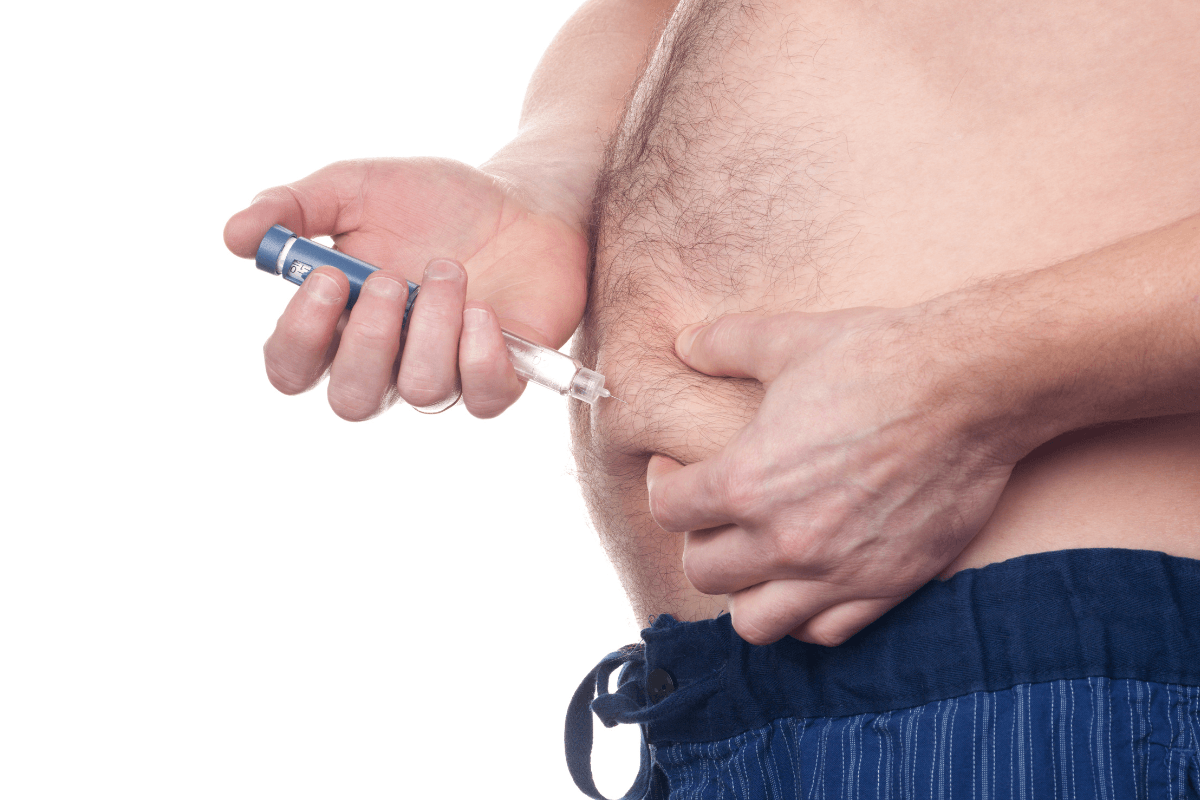
Mounjaro injection sites are limited to three approved areas: the abdomen, the front of the thigh, and the back of the upper arm. Mounjaro is injected subcutaneously, meaning into the fatty layer under the skin. Choosing the right area, rotating weekly, and using clean technique can reduce soreness, bruising, and missed or incomplete doses.
The safest site is usually the one you can reach, see, and use consistently. The abdomen is often easiest for self-injection. The thigh is also practical for many people. The upper arm may need help from another person because the target area is hard to see.
Key Takeaways
- Approved areas: Use abdomen, front thigh, or back upper arm only.
- Abdomen landmark: Stay at least two inches from the navel.
- Rotation matters: Move to a new spot each week.
- Clean technique: Wash hands and use a new needle when applicable.
- Seek help: Get urgent care for hives, swelling, or breathing trouble.
Where the Approved Sites Are
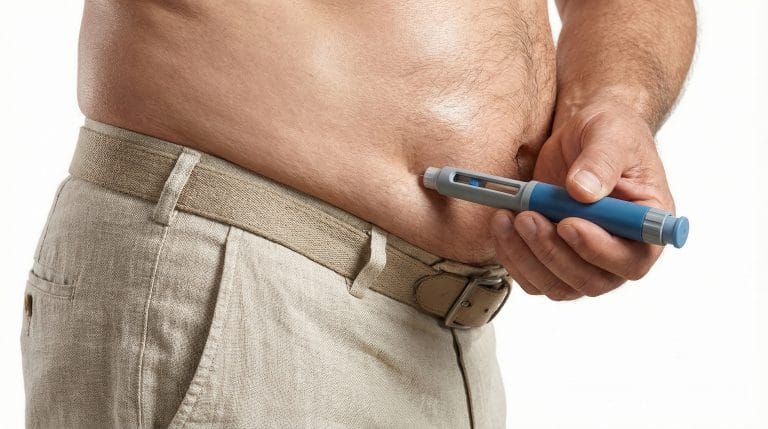
The approved Mounjaro injection sites are broad areas with enough subcutaneous tissue for an under-the-skin injection. They include the abdomen, the front of either thigh, and the back of the upper arm. Do not inject into a vein, muscle, scar, mole, bruise, or irritated patch of skin.
For the abdomen, choose a spot away from the navel. A common landmark is at least two inches, or about 5 cm, from the belly button. For the thigh, use the front, middle area between the hip and knee. For the upper arm, use the back of the arm, where another person can position the pen correctly.
Why it matters: Good landmarks help keep the dose in the subcutaneous layer.
Some readers look for a Mounjaro injection sites diagram or injection site pictures. Visuals can help, but the main rule stays simple: use only the labeled areas and avoid damaged skin. For device-specific visuals and operation details, see the Mounjaro KwikPen Guide. You can also review the manufacturer’s official Instructions for Use for labeled injection-site diagrams and handling steps.
Stomach, Thigh, or Arm: Which Site Is Better?
There is no single best place for everyone. The best site is the approved area you can use correctly and rotate without injecting into sore or changed skin. Comfort, reach, visibility, and routine usually matter more than choosing one body area every time.
The abdomen is popular because it is easy to see and reach. It also gives many rotation options. The thigh can be a good choice if you prefer sitting down during the injection. The upper arm can work well when a caregiver or trained helper gives the dose.
Many people ask whether it is better to inject in the stomach or thigh. For routine use, either site may be appropriate if it follows the product instructions. If one area becomes tender, itchy, or bruised, use a different approved region at the next scheduled dose and discuss persistent reactions with a clinician.
Do not choose a site because an online discussion claims it is the best place to inject for weight loss. Injection site choice is mainly about safe delivery, comfort, and consistency. It should not replace the dose plan, nutrition guidance, activity plan, or monitoring advice given by your healthcare team.
How to Prepare Before Injecting
Preparation lowers the chance of skin irritation and technique errors. Start by reading the instructions for your specific product, because pens and vial-based supplies may differ. Check the label, expiration date, and appearance of the solution before use.
Gather supplies before you start. Depending on the product format, you may need the pen, a new pen needle, an alcohol swab, a cotton ball or gauze, and a sharps container. Wash your hands with soap and water, then choose an approved site with clean, intact skin.
If the medicine has been refrigerated, follow the product instructions for handling before injection. Do not warm it with hot water, a microwave, or direct heat. If you use a pen that requires a separate needle, attach a fresh needle as directed and complete any required priming step.
Pen needle comfort depends on fit, length, and technique. For general background on needle sizes, see the Insulin Pen Needles Guide. If your clinician or pharmacist has recommended a compatible pen needle, product details such as BD Nano Pro Pen Needles may help you understand common device terminology.
Step-by-Step Technique for Common Sites
Use the instructions supplied with your prescribed product first. The steps below are a general orientation, not a substitute for the official device directions or hands-on training from a clinician.
Abdomen
Choose a spot at least two inches from the navel. Clean the skin with an alcohol swab and let it dry. Place the pen flat against the skin as directed, usually at a 90-degree angle. Activate the injection button and hold the pen in place for the full count in the device instructions.
Withdraw the pen straight out after the dose is complete. If there is a small drop of blood, press gently with gauze or a cotton ball. Do not rub the area, because rubbing can worsen irritation.
Thigh
To inject in the thigh, select the front middle portion of the upper leg. Avoid the inner thigh and areas close to the knee or groin. Sit down if it helps steady your hand and keep the muscle relaxed.
The phrase how to inject Mounjaro in thigh usually refers to using this central, fleshy region. Keep the pen steady against the skin. Press the injection button and hold for the required time. Then remove the device straight out and dispose of the used needle or pen as instructed.
Upper arm
The upper arm site is the back of the upper arm. Many people cannot reach or see this area well enough for safe self-injection. Another person may need to help so the injection enters the correct area and the device stays flat against the skin.
If a helper gives the injection, they should also wash their hands, check the site, and follow the device steps. The helper should avoid squeezing too tightly or angling the device into muscle.
For broader pen-operation context, the Mounjaro KwikPen product page can help readers identify device-related language. If you have been prescribed a vial rather than a pen, review vial-specific education such as Mounjaro Vial and follow your clinician’s syringe instructions.
How to Rotate Sites Without Losing Track
Rotation means changing the exact injection spot each week. It helps protect the skin from repeated trauma and may reduce lumps, tenderness, and bruising. You can stay within the same body region, but move at least one inch from the last spot.
A simple rotation plan can prevent guesswork. For example, you might use the right abdomen, left abdomen, right thigh, and left thigh across four weeks. Another person may add the upper arm if they help with injections. The goal is not a perfect pattern; it is avoiding the same small patch repeatedly.
Keep a brief log if you forget locations. Write the date, body region, side, and any reaction. A phone note or calendar reminder is enough for many people. Tracking also gives your clinician useful details if redness, itching, or bruising becomes frequent.
Quick tip: Mark your last region in a calendar after each dose.
Do not inject into lipohypertrophy, which means thickened or rubbery fatty tissue from repeated injections. Also avoid cuts, rashes, stretch-marked areas that are tender, and skin that feels unusually firm or warm.
Timing, Activity, and Weekly Routine
Mounjaro is taken once weekly as prescribed, and timing should match your clinician’s instructions and product labeling. Many people choose a repeatable time because it helps them remember. The best time to inject Mounjaro is usually the time you can follow consistently each week.
Food timing is not the same as injection-site selection. If your prescriber gave instructions about nausea, appetite changes, glucose monitoring, or other medicines, follow those instructions. People using insulin or medicines that can cause low blood glucose should ask their clinician how to monitor safely.
Exercise can influence local blood flow. As a practical comfort step, avoid injecting into a thigh immediately before a long run or intense leg workout. If you expect heavy leg activity, the abdomen may be easier that day. This is a comfort and consistency issue, not a reason to change your prescribed schedule without guidance.
For readers starting therapy, Understanding Mounjaro Dosage covers general dose-escalation concepts and why prescriber instructions matter. It can also help you frame questions about missed doses, side effects, and routine changes.
Redness, Itching, Bruising, and Other Site Reactions
Mild injection-site reactions can happen with subcutaneous medicines. Small bruises, brief stinging, tenderness, or mild redness often settle without special treatment. Still, reactions should be watched, especially if they spread, worsen, or happen repeatedly.
If a Mounjaro injection site is red and itchy, avoid scratching or rubbing it. A cool compress may ease discomfort. Do not apply medicated creams unless a clinician says they are appropriate for you. Use a different approved site for the next scheduled injection if the area remains irritated.
Contact a healthcare professional if redness expands, warmth increases, pain worsens, pus appears, or a lump persists. Seek urgent care for symptoms of a serious allergic reaction, including hives, swelling of the face or throat, dizziness, or trouble breathing.
Technique can affect local irritation. Reusing needles, injecting through damp alcohol, pressing too hard, or using the same patch repeatedly can increase discomfort. If reactions continue despite careful technique, your clinician may review your device steps, skin history, and other possible causes.
For a broader look at tolerability, see Mounjaro Side Effects. Product labeling and official safety information should guide urgent-symptom decisions, especially when symptoms suggest allergy or severe gastrointestinal problems.
When a Syringe or Vial Is Involved
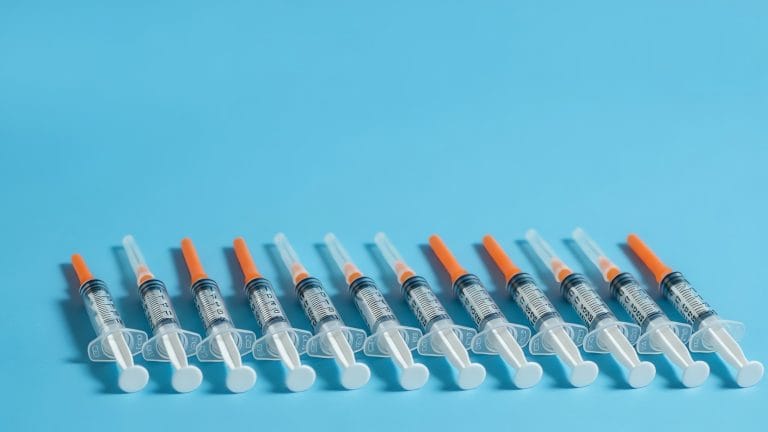
Most injection-site advice still applies when a vial and syringe are used, but the preparation steps differ. Syringes require correct drawing technique, accurate measurement, and proper needle disposal. Use this format only as prescribed and only with training from a qualified healthcare professional.
The question how to inject Mounjaro with syringe should not be answered from general internet instructions alone. Small measurement errors can matter. Your care team should show you how to draw up the dose, remove air bubbles if instructed, and inject safely.
If syringes are part of your prescribed setup, device specifications should match your clinician’s instructions. Product information such as BD Ultrafine II Syringes can help explain common syringe features, but it should not replace individualized training.
Access and Cost Context Without Changing Technique
Injection technique does not change because of insurance status, pharmacy source, or monthly cost. The same approved sites, rotation principles, and safety checks apply. Cost questions are separate from where and how to inject.
Some patients explore cash-pay options or cross-border fulfillment depending on eligibility and local rules. CanadianInsulin.com functions as a prescription referral platform, and dispensing is handled by licensed third-party pharmacies where permitted. This access context should not replace prescription verification, label review, or clinician guidance.
If supply changes lead to a different pen, vial, or related tirzepatide product, review the new instructions before injecting. Devices can look similar while having different handling steps. For example, related medicines such as Zepbound may involve overlapping ingredient discussions, but each product’s labeling should be followed exactly.
Authoritative Sources
For labeled injection sites, device steps, and disposal instructions, review the manufacturer’s Mounjaro Instructions for Use.
For approved indications, warnings, adverse reactions, and safety information, see the FDA’s current Mounjaro prescribing information.
For general sharps disposal principles, the FDA provides sharps disposal container guidance.
Recap
Mounjaro injection sites are the abdomen, front thigh, and back upper arm. Rotate the exact spot each week, avoid irritated skin, and use the device exactly as labeled. The abdomen and thigh are often easiest for self-injection, while the upper arm may require help.
Call a clinician if site reactions persist, spread, or become painful. Seek urgent care for symptoms of a serious allergic reaction. When instructions conflict, follow the official product labeling and the advice of your healthcare professional.
This content is for informational purposes only and is not a substitute for professional medical advice.