
Compare prices. See your savings.
 US comparison
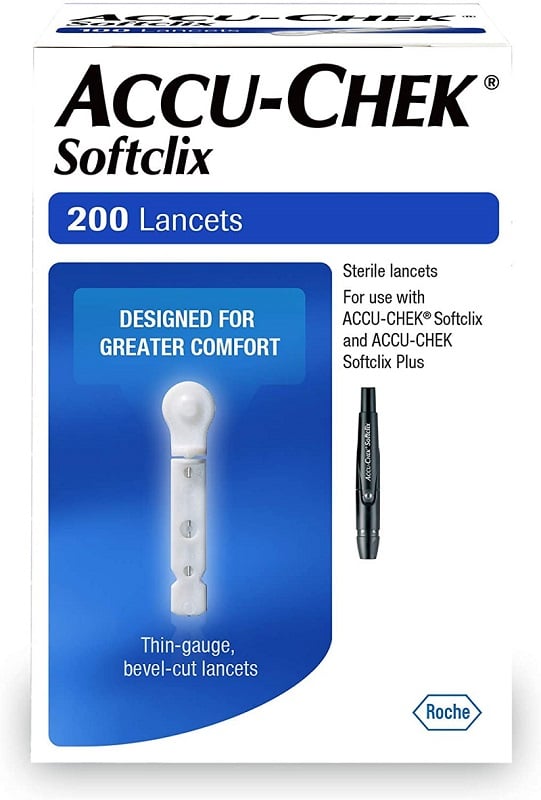
Buy Accu-Chek Softclix Lancets Online
 Fast, secure shipping
Health tools
Research and education tools. They do not replace clinical advice, diagnosis, or treatment.
Blood Glucose Unit Converter
Convert glucose readings between mg/dL and mmol/L without changing the clinical value.
These calculations are for education only and do not replace clinical advice, diagnosis, or treatment. Always confirm medical decisions with a qualified healthcare professional.
HbA1c & eAG Calculator
Convert between HbA1c percentage and estimated average glucose using the ADAG relationship.
These calculations are for education only and do not replace clinical advice, diagnosis, or treatment. Always confirm medical decisions with a qualified healthcare professional.
CGM Time-in-Range Summary
Summarise CGM percentages across very low, low, in-range, high, and very high glucose bands.
These calculations are for education only and do not replace clinical advice, diagnosis, or treatment. Always confirm medical decisions with a qualified healthcare professional.
About Accu-Chek Softclix Lancets
Accu-Chek Softclix Lancets are sterile 28 gauge finger lancets for capillary blood sampling with the Accu-Chek Softclix lancing device. They can be bought online for routine blood glucose testing, with pack counts chosen from the quantities shown during ordering. Match the lancet family, box count, and testing routine to the instructions from your diabetes care team.
Softclix lancets help create a small finger-stick puncture so a blood drop can be applied to a compatible glucose test strip. The lancet does not measure glucose, deliver insulin, or replace a meter; it is one supply within a complete monitoring setup. Customers arranging US delivery from Canada should choose the correct Softclix product family and keep current device packaging nearby while ordering.
Accu-Chek Softclix Lancets Price and Pack Count
The Accu-Chek Softclix Lancets price should be read together with the box count, checkout quantity, and device family. A 100 count box may suit one testing schedule, while a 200 count supply may reduce how often you restock if your clinician has recommended frequent testing. The total number of sterile lancets matters because each lancet is intended for one puncture.
Cash-pay customers and people paying without insurance should focus on the final cart quantity rather than an old receipt or search result. If 100 count and 200 count choices appear separately, make sure you are choosing the number of boxes you actually need. Do not change your blood glucose testing frequency to stretch a pack or finish one faster.
| Ordering detail | What to check |
|---|---|
| Pack count | Match the 100 count, 200 count, or other displayed quantity to your testing routine. |
| Gauge | Look for the 28 gauge sterile lancet description when replacing your current supply. |
| Device family | Use with the Accu-Chek Softclix lancing device, not every Accu-Chek lancing system. |
| Related supplies | Meter strips, lancets, needles, and sensors have separate compatibility requirements. |
Quick tip: Keep your current lancet box until the replacement supply arrives, then compare the product name and device family.
How to Order Softclix Lancets Online
To order Accu-Chek Softclix Lancets online, start with the Softclix name and the count displayed for the box. Then match the item to the lancing device you use at home. The Softclix family is specific, and a similar Accu-Chek name does not automatically mean the lancets fit the same holder.
Have your meter, lancing device, and current package available before checkout. The meter helps identify which test strips you need, while the lancing device identifies the lancets. These are separate decisions, even when the supplies are used during the same blood glucose test.
The diabetes supplies category is useful when restocking monitoring items together. It groups testing and injection supplies, but product families still need to be matched one by one. Lancets should not be substituted based only on brand name, color, or a partial product description.
Compatibility With the Softclix Lancing Device
Accu-Chek Softclix Lancets are made for the Accu-Chek Softclix lancing device. They should not be assumed to fit every Accu-Chek meter kit, every universal lancet holder, or a drum-style lancing system. If your device cap, package insert, or old box names another lancet family, use that information to choose a different compatible supply.
Device fit affects both safety and comfort. A lancet that does not seat correctly may wobble, fail to fire, or expose the sharp point during handling. Forcing the wrong lancet into a holder can also damage the device, making future finger-stick testing less reliable.
Some lancing devices use individual lancets, while others use drums, cartridges, or preloaded systems. Softclix lancets are individual sterile lancets for the Softclix device. If your current device uses a different loading method, do not assume an individual Softclix lancet is interchangeable.
Why it matters: Correct device fit helps the lancet puncture cleanly and reduces avoidable handling risk.
Use in Blood Glucose Testing
Accu-Chek Softclix diabetes lancets are used to make a small skin puncture for finger-stick blood sampling. A drop of blood is then placed on a compatible test strip for the meter to read. The lancet itself does not store readings, calculate glucose values, or change blood sugar.
Finger-stick testing may be part of diabetes management for people with type 1 diabetes, type 2 diabetes, gestational diabetes, or other monitoring needs directed by a clinician. Testing frequency depends on the care plan, medication regimen, risk of low blood sugar, and the type of meter or continuous glucose monitoring system being used. Follow the schedule recommended by your healthcare professional.
The broader diabetes information area can help place monitoring supplies in context, while type 1 diabetes and type 2 diabetes sections cover condition-specific treatment considerations. These sections do not replace device instructions, but they can support conversations about testing routines, meter use, and supply planning.
Gauge, Depth, and Comfort
The 28 gauge designation describes the thin metal point of the lancet. Gauge is a sizing system: a higher gauge number generally indicates a thinner needle. Comfort still depends on several factors, including the lancing device, depth setting, skin thickness, finger condition, and testing site.
Use the lancing depth recommended for your device and skin needs. The goal is to produce a blood drop large enough for the test strip without repeated punctures. If you often need to lance twice, have frequent bruising, or cannot get enough blood, ask your diabetes care team to review your technique and site choice.
Warm, clean hands can make finger-stick sampling easier for many people. Wash and dry your hands before testing, and avoid squeezing the finger so hard that the sample becomes diluted with tissue fluid. Rotating fingers may reduce soreness when testing is frequent.
Sterile Handling and Single-Use Safety
Each Accu-Chek Softclix sterile lancet should stay capped until use. Load it according to the lancing device instructions, and keep fingers away from the sharp point. Do not set an uncapped lancet on a counter, carry loose lancets in a pocket, or store them where children or pets can reach them.
Use a new lancet for each puncture. Reusing lancets can dull the point, increase discomfort, and raise contamination risk. Do not share lancets or lancing devices, even with family members, because blood exposure can spread infection.
Common finger-stick effects include brief pain, a small amount of bleeding, tenderness, or mild bruising. These effects are often related to depth setting, technique, testing frequency, or skin condition. Seek medical advice promptly if a puncture site develops increasing redness, warmth, swelling, drainage, severe pain, or bleeding that does not stop with normal pressure.
Extra caution may be needed if you take blood thinners, have reduced sensation in your fingers, have poor circulation, or have a condition that raises infection risk. These issues do not automatically rule out finger-stick monitoring, but they are reasons to confirm technique and site selection with a healthcare professional.
Storage, Travel, and Disposal
Store unopened lancet boxes in a clean, dry area at room conditions unless the package label says otherwise. Lancets do not require insulin-style cold storage. Protect the box from moisture, crushed packaging, damaged caps, and other conditions that could compromise sterile handling.
After use, place the lancet in an approved sharps container or a puncture-resistant container allowed by local rules. Do not throw loose sharps into household trash. Never try to straighten a used lancet, and avoid recapping a used sharp unless the device instructions specifically describe a safe method.
Travel planning should include enough unused lancets for the testing schedule, plus a safe way to store used sharps. Work, school, exercise, and long travel days can all affect when testing occurs. Keep supplies organized so unused sterile lancets remain separate from used sharps.
For broad browsing, other diabetes supplies may help you separate monitoring accessories from injection accessories. The diabetes articles category also covers common supply and monitoring topics for patients who want more background before speaking with a clinician.
Test Strips, Meters, and Related Supply Choices
Accu-Chek Softclix Lancets and test strips are separate products. The lancet must match the lancing device, while the strip must match the glucose meter. Using the right lancet does not prove that a strip is compatible with the meter, and using the right strip does not prove that a lancet fits the lancing device.
When restocking, check the meter name, strip family, lancet family, and any device instructions. Diabetes supplies may appear together in one cart, but they perform different roles. A meter reads the sample, a strip holds the sample, and a lancet helps obtain the blood drop.
Customers using insulin or injectable diabetes medicines may also need needles, syringes, alcohol swabs, or storage accessories. Those items are not interchangeable with lancets. The broader diabetes product category can help organize related supply types without replacing the compatibility checks for each device.
What to Ask Your Diabetes Care Team
Ask how often to test, which fingers or alternate sites are appropriate, and what to do if readings are hard to obtain. The answer may depend on your meter, test strip sample size, skin condition, circulation, medications, and overall treatment plan.
It is also reasonable to ask about painful testing, repeated bruising, or trouble getting a blood drop. A small change in depth setting, site rotation, hand warming, or device technique may help. Do not change diabetes medicine, insulin doses, or testing frequency on your own because of lancet discomfort.
If your testing routine changes, update supply planning accordingly. More frequent testing usually means more lancets and strips, while less frequent testing may change reorder timing. Keep unused supplies within their packaging until needed so product names and instructions remain easy to verify.
Authoritative Sources
The following sources support Softclix device fit, handling, and use details for this lancet family.
- Manufacturer product information: Official Accu-Chek Softclix Lancets information describes Softclix lancet features and intended device family.
- Manufacturer use instructions: Official Softclix lancing device instructions outline loading and handling steps.
This content is for informational purposes only and is not a substitute for professional medical advice.
This content is for informational purposes only and is not a substitute for professional medical advice.
Two ways to ship
Cold-packed medications travel by Express shipping. Dry-packed medications can ship Express or Standard.
Earn points on every order
Earn points on birthdays, product orders, reviews, friend referrals, and more! Enjoy your medication at unparalleled discounts while reaping rewards for every step you take with us.
Register and/or Login
Create an account and start earning.
Earn Rewards
Earn points every time you shop or perform certain actions.
Redeem
Redeem points for exclusive discounts.
Ways to save
We stand behind our prices
We work hard to offer the very best available price. If you find a lower price on the same product, we will match it.
Learn how →Tiered pricingNew tiered pricing is here
Buy more and save more on the medications you trust: save 7% per pack when you buy 2, and 14% per pack when you buy 3 or more.
See tiered pricing →You might also like
View all →
Related articles
View all →
Continuous Glucose Monitoring: How CGMs Fit Diabetes Care
Continuous glucose monitoring is a way to track glucose throughout the day and night with a small wearable sensor. It matters because…
Read more →
Lancets for Blood Sugar Testing: Safe Selection and Use
Lancets are small sterile needles used to prick the skin for a drop of capillary blood, most often during a fingerstick blood…
Read more →
Toujeo Side Effects: Safety, Warning Signs, and Routines
Toujeo side effects most often involve low blood sugar, weight gain, injection-site irritation, swelling, or mild stomach symptoms. Serious reactions are less…
Read more →
Benefits of Dapagliflozin in Heart, Kidney, and Glucose Care
Dapagliflozin can help lower blood sugar, reduce heart failure events, and slow kidney decline in selected adults. The benefits of Dapagliflozin are…
Read more →Speak to us
Our customer service team are highly experienced and friendly. Get in touch today.
Are Accu-Chek Softclix Lancets 28 gauge?
Yes. The supplied product information describes Accu-Chek Softclix Lancets as 28 gauge sterile lancets. Gauge refers to the thin metal point, but comfort also depends on the lancing device, depth setting, skin condition, and technique.
Do Softclix lancets fit every Accu-Chek lancing device?
No. Accu-Chek Softclix Lancets are made for the Accu-Chek Softclix lancing device. They should not be assumed to fit FastClix, drum-style systems, universal holders, or every Accu-Chek meter kit.
Can one Softclix lancet be used more than once?
Each lancet is intended for one puncture. Reusing a lancet can dull the point, increase discomfort, and raise contamination risk. Dispose of used lancets in an approved sharps container or another puncture-resistant container allowed by local rules.
Are Accu-Chek Softclix Lancets the same as test strips?
No. The lancet makes a small skin puncture to obtain a blood drop. A test strip receives the blood sample and works with a compatible meter to measure glucose. Match lancets to the lancing device and strips to the meter.
What pack count should I choose?
Choose the displayed pack count that matches your testing routine and reorder needs. A 100 count box may suit one schedule, while a 200 count supply may suit another. Follow your clinician’s testing plan rather than changing frequency to fit a box size.
Speak to our team
 Call toll free1-844-560-7790
 Emailservice@canadianinsulin.com
Monday to Friday 7am – 11pm EST
Saturday 7am to 7pm EST
Sunday 8am – 5pm EST