
Please note: a valid prescription is required for all prescription medication.
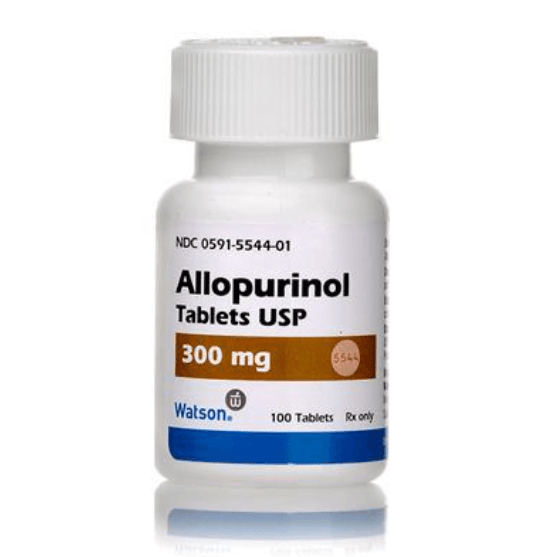
Allopurinol
Allopurinol: Buy It With Prescription and Safety Details


How to Buy This Medicine and What to Know First
Allopurinol is a prescription medicine, and this product page helps patients compare how to buy it, what requirements apply, and which safety issues to review before starting. It is used to lower uric acid for gout prevention and selected high-urate conditions, not to relieve acute flare pain. Some patients explore US delivery from Canada when local rules, documentation, and pharmacy eligibility allow; CanadianInsulin.com supports prescription referral while licensed pharmacies handle dispensing where permitted.
The main decision points are straightforward: a prescriber must choose the regimen, the medicine needs time to lower urate, and monitoring often includes kidney function, liver tests, and uric acid levels. This treatment belongs to a class called xanthine oxidase inhibitors (medicines that reduce uric acid production). By blocking the xanthine oxidase enzyme, it can lower urate in blood and urine over weeks to months.
It is not usually used as a rescue treatment during a sudden gout flare. Starting or adjusting urate-lowering therapy can coincide with flare activity in some patients, so clinicians may plan prevention and follow-up separately. Read the pharmacy label and official medication guide before use.
- Prescription status: A valid prescription is required where applicable.
- Main goal: Lower urate gradually for prevention.
- Key checks: Kidney function, liver tests, and interactions.
- Not for flares: Acute pain usually needs a separate plan.
Why it matters: Lower urate is a long-term goal, while flare pain needs a separate plan.
Who It’s For and Access Requirements
Clinicians commonly consider Allopurinol for gout prevention when recurrent flares, tophi, kidney stone history, or persistent high urate make long-term control appropriate. It may also be used for selected cases of chronic hyperuricemia (high uric acid), prevention of uric acid kidney stones, or high urate related to some cancer therapies. The exact reason for treatment should match the prescription directions.
It may be avoided in anyone who previously had a severe hypersensitivity reaction to this drug. Extra caution is common in chronic kidney disease, because dose selection and monitoring may differ. In patients with certain higher-risk ancestries, clinicians may consider HLA-B*58:01 testing to reduce the risk of severe skin reactions.
Access requirements generally include a valid prescription with clear strength, directions, quantity, and prescriber details. Pharmacy teams may also need allergy, kidney function, and medication-list information to screen for avoidable risks. Eligibility can vary by jurisdiction and policy.
Dosage and Usage
Allopurinol tablets are taken by mouth, usually once daily, although some regimens divide higher daily amounts. Prescribers often start low and adjust gradually using lab results, tolerability, and the indication. The labeled schedule should be followed unless a clinician gives different written directions.
The best time to take the dose is often the time a patient can take it consistently. Taking it after food may reduce stomach upset for some people. Fluids may be encouraged when kidney stone risk is part of the treatment plan.
If a dose is missed, label guidance commonly advises taking it when remembered unless it is close to the next scheduled dose. Doubling doses is generally avoided unless a prescriber specifically directs it. Any persistent nausea, rash, new fever, or change in urination should be discussed promptly.
- Consistency: Take doses at the same time.
- Food option: Food may reduce stomach upset.
- Lab follow-up: Urate and kidney tests may be repeated.
- Flare planning: Early flare prevention may be considered.
Strengths and Forms
The medicine is commonly supplied as oral tablets. The Allopurinol 100 mg tablet is often associated with lower starting regimens, while the 300 mg tablet is a common maintenance strength when clinically appropriate. Tablet appearance can differ by manufacturer, so imprint codes are more reliable than color.
Patients may see generic labeling, older brand references such as Zyloprim, or the name Aloprim depending on prior records and local availability. These names should not be used to identify a tablet without checking the label and imprint. Availability of a specific manufacturer or pack size can vary.
| Form | Strength | Common Use Context |
|---|---|---|
| Oral tablet | 100 mg | Often used when prescribers begin with a lower strength |
| Oral tablet | 300 mg | Common strength for established regimens |
Storage and Travel Basics
Store tablets at controlled room temperature as directed on the container. Keep them away from excess heat, moisture, and direct light. A dry cabinet is often better than a bathroom or kitchen counter.
For travel, keep tablets in the original labeled container when possible. Carry an up-to-date medication list and a photo of the label, especially if tablet appearance changes after a refill. For broader pain and inflammation topics, the Pain Inflammation Articles hub offers related educational resources.
Quick tip: Confirm an unfamiliar tablet by imprint code before taking it.
Side Effects and Safety
Allopurinol can cause mild side effects such as nausea, diarrhea, stomach upset, headache, drowsiness, or changes in taste. Some people notice more gout flare activity when urate levels begin to shift. That pattern does not mean the drug is treating acute pain.
Serious reactions are uncommon but need early assessment. Rash can be an early sign of severe hypersensitivity, including Stevens-Johnson syndrome/toxic epidermal necrolysis (serious skin blistering) or DRESS (drug reaction with eosinophilia and systemic symptoms). Fever, facial swelling, mouth sores, peeling skin, dark urine, yellowing skin or eyes, unusual bleeding, or severe fatigue should be assessed urgently.
Monitoring may include serum urate, kidney function, liver enzymes, and blood counts, especially after changes or when other risks are present. The official medication guide should be reviewed for warning signs. Patients should report new rash or systemic symptoms rather than waiting for the next routine visit.
Drug Interactions and Cautions
Drug interactions can be clinically significant with this therapy. Azathioprine and mercaptopurine are among the most important because metabolism changes can raise toxicity risk; prescribers typically adjust or avoid combinations. Warfarin effects may also need closer INR monitoring.
The label also discusses interactions or cautions involving theophylline, didanosine, ampicillin or amoxicillin, and some diuretics. Thiazide diuretics may increase the chance of rash in certain patients, particularly when kidney function is reduced. A complete medication and supplement list helps clinicians and pharmacists screen for overlapping risks.
Alcohol intake, dehydration, crash dieting, and abrupt diet changes can complicate gout control in some people. These factors do not all interact directly with the medicine, but they may affect urate patterns and flare risk. A clinician can clarify which restrictions are relevant to the individual treatment plan.
Compare With Alternatives
Several prescription alternatives can lower urate, but they work differently and are not simple swaps. Febuxostat is another xanthine oxidase inhibitor and may be considered when intolerance or response issues arise; labeling includes cardiovascular warnings in some settings. Probenecid is a uricosuric agent (helps the kidneys remove urate) and may be less suitable with kidney impairment or uric acid stone history.
Pegloticase is an intravenous uricase enzyme used for selected severe, refractory gout under specialist supervision. Acute flare treatments, such as anti-inflammatory medicines, address pain and swelling but do not replace long-term urate lowering. The Pain Inflammation category can help patients browse related therapy areas, while products such as Gabapentin target different pain pathways and are not substitutes for urate control.
Prescription, Pricing and Access
A prescription should clearly state the strength, directions, quantity, and intended duration. Searches for Allopurinol online should still lead back to prescription verification, allergy review, and interaction screening. CanadianInsulin.com may help confirm prescription details with the prescriber when required; licensed third-party pharmacies complete dispensing where allowed.
The medication’s cost can vary by strength, days supplied, manufacturer, and plan rules. Coverage may differ between private plans and public programs, and some plans may require prior authorization or step therapy. A generic supply may still have different out-of-pocket amounts because fees and plan structures differ.
For people without insurance, cash-pay estimates should be separated from clinical monitoring needs, such as periodic lab work. Documentation may need to confirm prescriber details and match the directions on the prescription. If available for the situation, Program Terms can explain general program information without guaranteeing eligibility.
Authoritative Sources
For FDA label details, see DailyMed Allopurinol Labels.
For patient drug information, see MedlinePlus Drug Information.
For gout care background, review American College of Rheumatology Gout Overview.
Medication transit may involve prompt, express, cold-chain shipping when product handling requirements apply.
This content is for informational purposes only and is not a substitute for professional medical advice.
Express Shipping - from $25.00
Shipping with this method takes 3-5 days
Prices:
- Dry-Packed Products $25.00
- Cold-Packed Products $35.00
Standard Shipping - $15.00
Shipping with this method takes 5-10 days
Prices:
- Dry-Packed Products $15.00
- Not available for Cold-Packed products
What does this medicine do for gout?
It lowers uric acid by blocking xanthine oxidase, an enzyme involved in uric acid production. Lower urate levels can help reduce crystal buildup that contributes to gout flares and tophi over time. It is not an acute pain reliever, so a sudden flare may need a separate plan from a clinician. Lab monitoring helps show whether urate levels are moving toward the intended target.
When is the best time to take it?
The best time is usually the time a patient can take the dose consistently each day. Some people take it after food because that may reduce stomach upset. The exact schedule should follow the prescription label and official instructions, especially if the daily amount is divided. If timing problems, missed doses, or side effects occur often, a clinician or pharmacist can review the regimen.
What safety symptoms should be reported quickly?
A new rash should be reported promptly, especially if it occurs with fever, mouth sores, facial swelling, peeling skin, or flu-like symptoms. These can be early warning signs of serious hypersensitivity reactions. Dark urine, yellowing skin or eyes, unusual bleeding, severe fatigue, or major changes in urination also need medical review. Monitoring may include kidney function, liver enzymes, blood counts, and uric acid levels.
What should be avoided during treatment?
Patients should avoid making medication changes without clinician guidance, especially if taking azathioprine, mercaptopurine, warfarin, certain antibiotics, theophylline, didanosine, or diuretics. Alcohol excess, dehydration, crash dieting, and abrupt dietary changes can complicate gout control for some people. These factors do not affect everyone the same way, so restrictions should be individualized by the treating clinician.
What should I ask my clinician before starting?
Useful questions include why urate-lowering therapy is being recommended, what uric acid target is being used, and how often labs should be checked. It is also important to discuss kidney disease, liver problems, past rashes, pregnancy or breastfeeding, and all current medicines or supplements. Patients with certain ancestry backgrounds can ask whether HLA-B*58:01 testing is relevant before treatment begins.
Rewards Program
Earn points on birthdays, product orders, reviews, friend referrals, and more! Enjoy your medication at unparalleled discounts while reaping rewards for every step you take with us.
You can read more about rewards here.
POINT VALUE
How to earn points
- 1Create an account and start earning.
- 2Earn points every time you shop or perform certain actions.
- 3Redeem points for exclusive discounts.
You Might Also Like
Select options
This product has multiple variants. The options may be chosen on the product page
Select options
This product has multiple variants. The options may be chosen on the product page
Select options
This product has multiple variants. The options may be chosen on the product page
Select options
This product has multiple variants. The options may be chosen on the product page
Related Articles
Weight Management
Weight Loss With Saxenda: Expectations, Risks, and Next Steps
Weight loss with Saxenda is usually gradual, not dramatic at the start. Saxenda is the brand name for liraglutide, a GLP-1 receptor agonist, which is a medicine class that can…
Type 2 Diabetes,
Semaglutide Weight Loss Medication: Safety, Options, and Expectations
A semaglutide weight loss medication is a GLP-1 receptor agonist (a hormone-mimicking drug that can reduce appetite) used in some settings to support chronic weight management. It changes hunger and…
Diabetes, Weight Management
What Are Sugar Alcohols? Sweeteners, Side Effects, and Facts
If you are asking what are sugar alcohols, the short answer is this: they are sweeteners called polyols that show up in many sugar-free or reduced-sugar foods. They are carbohydrates,…
Diabetes, Type 2
What Fruits Are Good for Diabetics? How to Choose Wisely
Most people with diabetes can eat fruit. The best choices are whole fruits with fiber, such as berries, apples, pears, citrus, cherries, and kiwi. When people ask what fruits are…