
Please note: a valid prescription is required for all prescription medication.
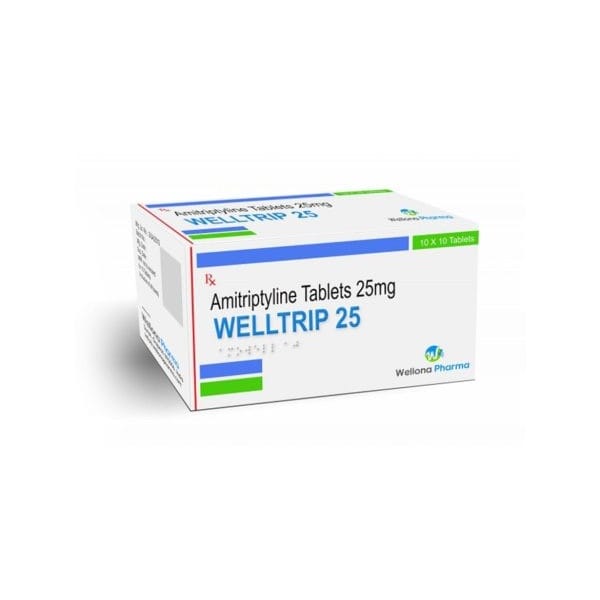
Amitriptyline
Amitriptyline Product Overview: Uses, Dosage, Safety
Price:
Price range: $25.99 through $171.99
You save


Amitriptyline is a prescription medicine in the tricyclic antidepressant class. It is used for depression and is also prescribed in lower doses for certain pain and headache conditions. This page explains typical uses, practical dosing concepts, safety considerations, and basic handling information.
What Amitriptyline Is and How It Works
This medicine is a tricyclic antidepressant (TCA), a group that affects brain signaling chemicals involved in mood and pain processing. CanadianInsulin functions as a prescription referral service rather than a dispensing pharmacy, so medication details may be discussed separately from clinical care. TCAs can increase levels of serotonin and norepinephrine by reducing reuptake at nerve endings, which may improve depressive symptoms over time. These same pathways are also involved in how the nervous system “turns down” certain pain signals, which is why TCAs are sometimes used for chronic nerve-related discomfort.
In addition, this treatment has anticholinergic effects (blocks acetylcholine, a neurotransmitter involved in digestion, sweating, and eye focus) and antihistamine effects, which can contribute to dry mouth, constipation, and sleepiness. Some patients explore Ships from Canada to US as one cross-border option, depending on eligibility and local rules. Response varies by indication and by person, and symptom improvement may take days to weeks depending on the goal of therapy.
Who It’s For
Clinicians most commonly prescribe this medication for major depressive disorder. It may also be used off label for chronic pain conditions, including amitriptyline for nerve pain, and for prevention of certain headache patterns. In practice, it is sometimes chosen when sleep disruption co-occurs with mood symptoms, because sedation can be a prominent effect for some people. If you are browsing by condition, you can review related product lists in the Depression Hub, Neuropathic Pain, or Migraine Hub.
This drug is not appropriate for everyone. It is generally avoided in people who have taken an MAOI antidepressant recently, and it may be contraindicated after a recent heart attack. Extra caution may be needed for older adults, people with certain heart rhythm conditions, seizure disorders, bipolar disorder (risk of switching to mania), narrow-angle glaucoma, or urinary retention/prostate enlargement. Pregnancy and breastfeeding decisions should be individualized with a clinician. For patients who also experience anxiety symptoms, the Anxiety Hub can help compare options, while keeping in mind that treatment selection depends on your medical history.
Dosage and Usage
For amitriptyline dosage, prescribers typically start with a low amount and adjust gradually based on response and tolerability. Schedules differ by indication. Depression regimens may use divided doses or a single bedtime dose, while headache prevention and nerve pain treatment often use smaller bedtime dosing. Because sedation is common, bedtime administration is frequently considered, especially early in therapy. Effects on mood can take a few weeks, while effects on sleep continuity may be noticed sooner in some people.
General administration points include taking tablets consistently at the same time each day, following label directions, and avoiding abrupt dose changes without clinical guidance. If a dose is missed, clinicians often advise following the pharmacy label instructions rather than “doubling up.” Alcohol and other sedating substances can increase drowsiness and impair coordination. If you feel sleepy or lightheaded, avoid driving or operating machinery until you know how the medicine affects you.
- Timing: often taken at night
- Consistency: take same time daily
- Follow-up: report new symptoms
- Stopping: taper may be needed
Strengths and Forms
This medication is commonly supplied as oral tablets in multiple strengths, and availability can differ by jurisdiction and pharmacy. Common tablet strengths include 10 mg, 25 mg, 50 mg, and 100 mg. The generic ingredient is amitriptyline hydrochloride, and an older brand name you may see referenced is Elavil. Tablet color and imprint can vary among manufacturers, so the most reliable identifier is the pharmacy label plus the imprint code.
If you are switching between manufacturers or strengths, confirm the tablet appearance with a pharmacist to avoid confusion. People who use pill organizers should keep the original labeled container available for reference. Some patients find it helpful to document the exact strength and schedule in their medication list, especially when multiple medicines are used for sleep, mood, pain, or headache prevention.
Storage and Travel Basics
Store tablets at room temperature in a dry place, away from excess heat and direct light. Avoid storing medication in bathrooms, where humidity can be high. Keep the container tightly closed and out of reach of children and pets. If you travel, carry doses in the original labeled packaging to reduce the chance of mix-ups and to support identification if you need medical care away from home.
Quick tip: If tablets crumble or discolor, ask a pharmacist before using them.
When planning trips, consider how time-zone changes might affect dosing time, especially if sedation is expected. If you use other medicines that require careful handling, keep a simple written list of drug names, strengths, and dosing times. That can help reduce errors when routines change.
Side Effects and Safety
Like many TCAs, this medicine can cause sleepiness, dizziness, dry mouth, constipation, blurred vision, and trouble urinating. Weight gain and increased appetite may occur for some people. Standing up quickly can lead to lightheadedness due to blood pressure changes, particularly early in treatment. Amitriptyline can also affect alertness, so mixing it with alcohol or sedating medications can increase impairment.
More serious concerns include new or worsening mood symptoms, suicidal thoughts (especially in adolescents and young adults), fainting, irregular heartbeat, seizures, severe allergic reaction, or symptoms consistent with serotonin syndrome (agitation, confusion, sweating, tremor, fever). Seek urgent care for chest pain, severe weakness, trouble breathing, or sudden vision pain with halos, which may suggest acute angle-closure glaucoma in susceptible individuals. For a general example of how some patients track side effects over time with chronic medicines, see Address Synjardy Side Effects; the same symptom-journaling approach can be discussed with a clinician for any prescription.
If you want broader context on mental health treatment topics, the Mental Health Articles hub may be useful for background reading. For pain-related topics and options, the Pain Inflammation Articles hub can help you compare general approaches to symptom management.
Drug Interactions and Cautions
Amitriptyline has clinically important interactions with several medication types. It should not be taken with MAOIs, and extra caution is needed with other serotonergic drugs (some antidepressants, certain migraine medicines, and some opioids) due to serotonin syndrome risk. Many medicines that cause sedation, including alcohol, benzodiazepines, sleep aids, and antihistamines, can add to drowsiness and slow reaction time. Anticholinergic drugs can worsen constipation, urinary retention, and blurry vision.
Why it matters: Interaction risks often depend on dose, timing, and your other conditions.
Some antidepressants and other drugs can change how TCAs are metabolized (processed), including medicines that inhibit CYP2D6 (a liver enzyme). That may raise levels and side effects. Drugs that can affect heart rhythm may also be a concern in people with underlying conduction issues. For safe use, share a complete list of prescriptions, OTC products, and supplements with your clinician and pharmacist, including cannabis products where relevant.
Compare With Alternatives
Choice of therapy depends on the condition being treated, side-effect priorities, and other health issues. For depression, commonly used alternatives include SSRIs (such as sertraline or escitalopram) and other newer antidepressants. For patients who also have chronic pain symptoms, an SNRI may be considered; one example in this category is Duloxetine Page. For neuropathic pain, anticonvulsant options may be used, including Gabapentin Page.
For migraine prevention, alternatives can include beta blockers, certain antiseizure medicines, and newer migraine-specific preventives, depending on the pattern and coexisting conditions. Non-drug approaches like sleep regularity, hydration, trigger tracking, and physical therapy can be part of a plan for both headache and chronic pain. If you are comparing medication classes, browsing hubs like Mental Health and Pain Inflammation can help you see related options in one place.
Pricing and Access
Amitriptyline is prescription-only, and availability may vary by strength, manufacturer, and pharmacy sourcing. Coverage differs widely across plans and formularies, and your out-of-pocket amount can depend on whether a generic is used, the quantity dispensed, and the pharmacy’s dispensing fee structure. For people without insurance, cash-pay costs can also vary by dose strength and tablet count, so it helps to have the exact prescription details available when comparing options.
Access may involve documentation and verification steps, especially when patients consider cross-border fulfilment. When required, prescription details are confirmed with the prescriber before referral, which helps align the request with the written order. You may also be asked for updated contact information and prescriber identifiers to reduce delays from incomplete records. For a neutral overview of available site programs, you can review the Promotions Page for general information, noting that offerings and eligibility can change.
In jurisdictions where this pathway is permitted, dispensing and fulfilment are handled by licensed third-party pharmacies where permitted. If you have questions about substitutions (for example, switching tablet strength or manufacturer), those should be clarified with the prescriber and the dispensing pharmacy before any change is made. Keep your medication list current, and consider asking for written instructions when more than one daily dose is used.
Authoritative Sources
For U.S. labeling details and pharmacology information, see DailyMed drug label database.
For patient-friendly safety and use information, review MedlinePlus: Amitriptyline.
Where cross-border fulfilment is appropriate, third-party pharmacies may use prompt, express, cold-chain shipping when a product requires it.
This content is for informational purposes only and is not a substitute for professional medical advice.
Express Shipping - from $25.00
Shipping with this method takes 3-5 days
Prices:
- Dry-Packed Products $25.00
- Cold-Packed Products $35.00
Standard Shipping - $15.00
Shipping with this method takes 5-10 days
Prices:
- Dry-Packed Products $15.00
- Not available for Cold-Packed products
What is amitriptyline used for?
Amitriptyline is a prescription tricyclic antidepressant. Its FDA-approved use is treatment of depression, but clinicians also use it off label for conditions such as neuropathic (nerve) pain and migraine prevention. Some people are prescribed low doses when sleep disruption co-occurs with pain or headache patterns, because sedation can be an expected effect. The right use depends on your diagnosis, other medications, and medical history, so the intended goal of therapy should be clearly documented on the prescription.
How long does amitriptyline take to work?
The timeline depends on what it is being used to treat. Sleepiness can occur after the first doses, which is why bedtime dosing is common. Mood benefits for depression often take several weeks and may build gradually. For migraine prevention or neuropathic pain, some people notice changes earlier, but full benefit can still take time and may require careful dose adjustment by the prescriber. If symptoms worsen, or new symptoms appear, the prescriber should be informed promptly.
Can amitriptyline be used for nerve pain or migraines?
Yes, it is commonly used off label for neuropathic pain and for prevention of certain migraine patterns. In these settings, clinicians often prescribe lower doses than those used for depression, partly to balance benefit with side effects like sedation, dry mouth, and constipation. Not everyone tolerates it well, especially older adults or people with heart rhythm issues. The decision typically considers prior treatment trials, other health conditions, and whether sleep disturbance is part of the symptom pattern.
What side effects should I monitor while taking amitriptyline?
Common effects include sleepiness, dizziness, dry mouth, constipation, blurred vision, and difficulty urinating. Some people notice weight gain or increased appetite. More serious symptoms to monitor include fainting, palpitations, seizures, severe agitation or confusion, and signs of serotonin syndrome (sweating, tremor, fever, rapid heartbeat). Mood changes and suicidal thoughts require urgent attention, particularly in younger patients. If you have glaucoma risk or urinary retention, discuss warning signs with your clinician before starting.
Does amitriptyline interact with other antidepressants or sleep aids?
It can. Combining amitriptyline with other serotonergic medicines may increase the risk of serotonin syndrome, and adding sedating drugs (alcohol, benzodiazepines, antihistamines, or sleep aids) can worsen drowsiness and impair coordination. Some antidepressants and other drugs can raise tricyclic levels by affecting liver metabolism, which may increase side effects or heart rhythm risk. A pharmacist can screen for interaction concerns, but they need a complete list of prescriptions, over-the-counter products, and supplements.
What should I ask my clinician before starting amitriptyline?
Ask what the target symptom is (depression, nerve pain, migraine prevention, or sleep-related symptoms) and how success will be measured. Confirm how and when to take it, what to do if a dose is missed, and whether a taper is needed if stopping. Discuss your history of heart disease, fainting, seizures, bipolar disorder, glaucoma, urinary retention, and any pregnancy or breastfeeding considerations. Also ask for a review of all current medications and supplements to identify interaction and sedation risks.
Rewards Program
Earn points on birthdays, product orders, reviews, friend referrals, and more! Enjoy your medication at unparalleled discounts while reaping rewards for every step you take with us.
You can read more about rewards here.
POINT VALUE
How to earn points
- 1Create an account and start earning.
- 2Earn points every time you shop or perform certain actions.
- 3Redeem points for exclusive discounts.
You Might Also Like
Select options
This product has multiple variants. The options may be chosen on the product page
Select options
This product has multiple variants. The options may be chosen on the product page
Select options
This product has multiple variants. The options may be chosen on the product page
Select options
This product has multiple variants. The options may be chosen on the product page
Related Articles
Type 2 Diabetes,
Oral Wegovy Explained: Facts, Risks, and Access Options
The phrase oral wegovy is best understood as a search term, not a settled product name. Most people use it to mean a pill version of semaglutide for weight management,…
Diabetes, General Health,
Glp-1 Drugs Over The Counter: What’s Real And What’s Not
Key Takeaways Prescription GLP-1 medicines are not sold as true OTC drugs. Many “GLP-1” supplements aim to support fullness, not mimic prescriptions. Online “no prescription” offers raise counterfeit and quality…
Diabetes, Type 2
GLP-1 Cost Without Insurance: Compare Cash-Pay Options
Key Takeaways Many people searching for glp-1 cost without insurance are trying to plan for a long-term expense. The total can change based on the drug, the pharmacy, and how…
Cardiovascular, Diabetes, Nephrology,
SGLT2 Inhibitors Drugs: Names, Uses, And Safety Notes
Key Takeaways They lower glucose by increasing urinary sugar loss. Common options include dapagliflozin, empagliflozin, canagliflozin, and ertugliflozin. Some products combine an SGLT2 inhibitor with metformin. Risks include dehydration and…