
Please note: a valid prescription is required for all prescription medication.
Baytril
Buy Baytril Online


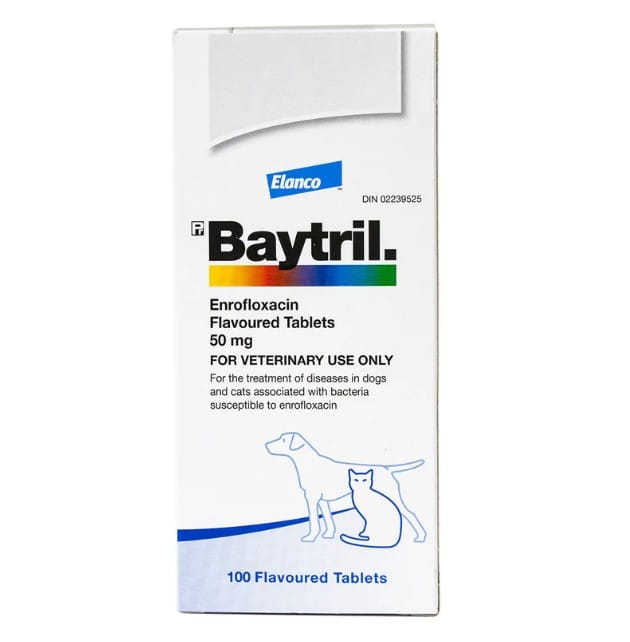
Baytril is the brand name for enrofloxacin, a veterinary fluoroquinolone antibiotic used against susceptible bacteria in animals. You can buy Baytril online and choose the form, strength, and quantity shown during ordering to match the veterinarian’s written directions for the animal being treated. Baytril may appear as tablets, injectable solution, or oral solution depending on the animal species and product configuration.
The active ingredient and route matter as much as the brand name. Baytril tablets, Baytril injection, and Baytril oral solution are not interchangeable simply because they contain enrofloxacin. Use the animal’s label instructions to match species, strength, route, quantity, and handling requirements before completing an order.
Baytril Price and Form Selection
Baytril price comparisons should start with the exact form and strength being purchased. A lower unit amount may not mean a lower treatment cost if the product has a different concentration, bottle volume, tablet count, or route. Compare the total quantity and the labeled strength before using price alone to guide a purchase.
Baytril cost can vary between tablets, injectable solutions, and oral liquids. Cash-pay customers should still match the veterinary directions first, then evaluate the current price for the correct form. Baytril without insurance may be compared by tablet count, vial size, or bottle volume, but those package details are not the same as an individual animal’s dose.
| Form | What to match | Why it matters |
|---|---|---|
| Baytril tablets | Tablet strength, count, species, and quantity | Baytril tablets for dogs and cats may be shown in strengths such as 22.7 mg, 68 mg, or 136 mg when offered. |
| Baytril injectable solution | Concentration, vial size, route, and animal type | Baytril 100 and Baytril 10% describe concentration-based products, not a single dose. |
| Baytril oral solution | Concentration, bottle volume, measuring instructions, and species | Liquid enrofloxacin products can have different directions for pets, birds, or other animals. |
Quick tip: Match the route first, then compare strength, quantity, and price.
How to Order Baytril Online
To order Baytril online, choose the product form that matches the animal’s veterinary instructions. The brand name, active ingredient, strength, route, and quantity should align with the label for the animal being treated. We may review order details when information needs clarification.
US delivery from Canada may be available as part of the service context for suitable orders. Shipping choices can include prompt, express, cold-chain shipping when a product requires special handling, although many product-specific storage needs depend on the actual form being purchased.
- Choose the form named in the animal’s directions: tablet, injectable solution, or oral solution.
- Match the strength exactly, using mg, mg/mL, or percentage concentration as shown.
- Confirm the species named for treatment, such as dog, cat, bird, cattle, or swine.
- Review the quantity as tablets, milliliters, vial size, or bottle volume.
- Keep the clinic label and animal records available for safe use and follow-up.
Do not substitute Baytril injection for tablets, or liquid for tablets, unless the veterinarian changes the instructions. Different forms can have different routes, concentrations, measuring needs, and label warnings. If any detail conflicts with the veterinary directions, ask the clinic to clarify before use.
Matching Enrofloxacin Form, Strength, and Species
Baytril enrofloxacin and enrofloxacin Baytril both refer to the same active antibiotic. The practical buying decision still depends on the formulation. A tablet strength, a 10% oral or injectable concentration, and a Baytril 100 product are different product decisions.
Baytril tablets are commonly associated with companion-animal treatment when a veterinarian chooses oral enrofloxacin. If the animal’s directions name a tablet strength such as 22.7 mg, 68 mg, or 136 mg, match that number directly before choosing the quantity. Splitting or combining tablets should only be done when specifically directed by the veterinarian.
Baytril injectable solution may be used in different veterinary settings than tablets. Injection products require attention to concentration, route, animal species, vial size, handling, and user training. Injectable veterinary medicines should be handled by someone who understands the animal’s directions and the product label.
Baytril oral solution can be important when liquid dosing is chosen for a particular animal or species. Baytril for birds may involve different measuring and administration details than Baytril for dogs or Baytril for cats. The animal’s species, age, weight, and infection site all affect the veterinarian’s choice of product.
Why it matters: The same active ingredient can carry different risks and instructions in different animal species.
What Baytril Antibiotic Is Used For
Baytril antibiotic treatment is used in veterinary medicine for infections caused by bacteria that are susceptible to enrofloxacin. A veterinarian may consider it for certain skin, wound, respiratory, urinary, soft-tissue, or other bacterial infections, depending on the animal, exam findings, and diagnostic results.
Enrofloxacin is not used for every illness that looks infectious. It does not treat viral infections, fungal disease, parasites, or inflammation that is not caused by susceptible bacteria. Culture and sensitivity testing may help identify the organism and guide antibiotic selection when an infection is hard to treat or has returned.
Species differences are important. Baytril for cats requires special caution because excessive exposure to enrofloxacin has been associated with retinal injury and vision problems. Baytril for dogs may involve age-related and growth-related considerations. Large-animal products may carry strict food-animal residue warnings and withdrawal instructions.
Leftover antibiotics should not be used for another pet or animal. Similar symptoms can have different causes, and the wrong antibiotic can delay care, worsen side effects, or contribute to antimicrobial resistance. Veterinary follow-up is especially important when fever, pain, appetite loss, breathing changes, urinary signs, or wound drainage continue during treatment.
Storage, Handling, and Delivery Checks
Storage needs depend on the Baytril form. Keep the medicine in its original labeled container, away from children, pets, heat, excess moisture, and direct light unless the label gives different instructions. Do not transfer tablets or liquid into an unlabeled bottle, especially if more than one animal receives medication at home.
Tablets should remain dry and protected from crushing or contamination. Liquid products require careful measuring and may need shaking or specific discard instructions. Injectable products should be inspected as directed and used only with the route and technique named by the veterinarian or product label.
When the order arrives, match the product name, active ingredient, strength, total quantity, and route against the clinic label before the first dose. If the animal boards, travels, or receives care from more than one person, keep the labeled container with the animal’s records. If a dose is missed, vomited, spilled, or given incorrectly, contact the veterinarian rather than changing the schedule yourself.
Side Effects, Warnings, and Monitoring
Common Baytril side effects can include vomiting, diarrhea, reduced appetite, drooling, or tiredness. Some animals may react differently depending on species, age, infection severity, other medicines, hydration, and underlying illness. Injection-site irritation may occur with injectable enrofloxacin products.
Serious reactions need prompt veterinary attention. Seek help if the animal develops facial swelling, trouble breathing, collapse, severe or bloody diarrhea, seizures, sudden behavior changes, yellowing of the gums or eyes, sudden vision changes, or worsening illness during treatment. Cats need particular caution because retinal toxicity has been reported with enrofloxacin exposure.
Growing animals may have cartilage or joint-related risks with fluoroquinolone antibiotics, so age, breed, and growth status matter. Animals with seizure history or neurologic disease may need closer evaluation. Food-producing animals require strict label compliance, including residue warnings, slaughter withdrawal times, and limits on extra-label use.
Tell the veterinarian about all medicines, supplements, fortified foods, and feeds the animal receives. Minerals such as calcium, iron, aluminum, magnesium, and zinc can reduce absorption of oral fluoroquinolones when given too close together. Sucralfate, antacids, certain supplements, nonsteroidal anti-inflammatory drugs, theophylline, cyclosporine, and medicines that affect the nervous system may need additional review.
Monitoring focuses on infection improvement and side effects. Do not stop early, extend treatment, or change the amount because symptoms seem better. Antimicrobial stewardship means using antibiotics only as directed and avoiding unnecessary repeat courses. If the animal does not improve, worsens, or relapses, the veterinarian may reassess the diagnosis, request culture testing, or choose another treatment.
Questions to Ask Before Using This Antibiotic
Before starting Baytril, ask which infection is being treated and what improvement should look like. It is also useful to ask how soon to report persistent fever, appetite changes, vomiting, diarrhea, worsening pain, urinary difficulty, breathing changes, or wound drainage. Clear follow-up instructions help prevent delayed care if the infection does not respond.
Ask whether the animal’s other medicines or supplements should be separated from oral enrofloxacin. Products containing minerals can reduce absorption, and some medicines may increase side effect concerns. The veterinarian can also explain whether the animal needs recheck exams, culture results, imaging, wound care, or other supportive treatment.
For cats, ask specifically about vision-related warning signs and why the chosen amount is appropriate. For young dogs or growing animals, ask about joint and cartilage precautions. For birds and large animals, ask how the species-specific instructions differ from companion-animal directions.
Related Veterinary Medication Categories
Baytril belongs to the broader group of veterinary medicines used when bacterial infection is suspected or confirmed. The Pet Bacterial Infection collection can help you navigate products grouped around veterinary infection care, but those products should not be treated as direct substitutes without veterinary direction.
You can also browse Pet Medications for other animal-health products. Product choice depends on species, infection site, culture results, prior treatment history, safety risks, and the form that the animal can receive reliably.
Alternatives to Baytril may include another antibiotic class, topical therapy, wound drainage, surgery, culture-guided treatment, or no antibiotic if infection is not confirmed. The best option depends on the bacteria involved and the animal’s overall condition.
Authoritative Sources to Check
The primary sources for safe Baytril use are the current package insert, the veterinary label, and the written clinic instructions. These materials should identify the species, route, strength, storage requirements, warnings, and any food-animal restrictions that apply to the product being used.
For tablets, verify the mg strength and tablet count. For injectable and liquid products, verify concentration, total volume, route, and species instructions. Do not estimate doses, change formulation, or combine products unless the veterinarian specifically changes the animal’s directions.
This content is for informational purposes only and is not a substitute for professional medical advice.
Express Shipping - from $29.99
Shipping with this method takes 3-5 days
Prices:
- Dry-Packed Products $29.99
- Cold-Packed Products $39.99
Standard Shipping - $19.99
Shipping with this method takes 5-10 days
Prices:
- Dry-Packed Products $19.99
- Not available for Cold-Packed products
What is Baytril used for in animals?
Baytril is enrofloxacin, a veterinary antibiotic used for infections caused by susceptible bacteria. A veterinarian may consider it for certain skin, wound, respiratory, urinary, or other bacterial infections depending on the animal and diagnostic findings.
Are Baytril tablets, injection, and oral solution interchangeable?
No. Baytril tablets, injectable solution, and oral solution can have different strengths, concentrations, routes, and species instructions. Match the exact form and strength named in the animal’s directions.
What affects Baytril price?
Baytril price depends on the form, strength or concentration, package size, quantity, and route. Compare the total tablet count, vial size, bottle volume, and labeled strength rather than unit price alone.
What side effects can Baytril cause?
Common side effects may include vomiting, diarrhea, reduced appetite, drooling, tiredness, or injection-site irritation. Serious signs such as trouble breathing, seizures, severe diarrhea, collapse, or sudden vision changes need prompt veterinary attention.
Why does Baytril require extra caution in cats?
Cats require extra caution because enrofloxacin exposure has been linked with retinal toxicity, which can affect vision. Use only the form and amount directed by the veterinarian, and report vision or behavior changes quickly.
Can minerals or supplements affect oral Baytril?
Yes. Calcium, iron, aluminum, magnesium, zinc, antacids, sucralfate, and some fortified foods or supplements can reduce absorption of oral fluoroquinolones if given too close together. Ask the veterinarian how to separate them.
Rewards Program
Earn points on birthdays, product orders, reviews, friend referrals, and more! Enjoy your medication at unparalleled discounts while reaping rewards for every step you take with us.
You can read more about rewards here.
POINT VALUE
How to earn points
- 1Create an account and start earning.
- 2Earn points every time you shop or perform certain actions.
- 3Redeem points for exclusive discounts.
You Might Also Like
Select options
This product has multiple variants. The options may be chosen on the product page
Select options
This product has multiple variants. The options may be chosen on the product page
Select options
This product has multiple variants. The options may be chosen on the product page
Select options
This product has multiple variants. The options may be chosen on the product page