
Please note: a valid prescription is required for all prescription medication.
Metoclopramide
Buy Metoclopramide 10mg Online


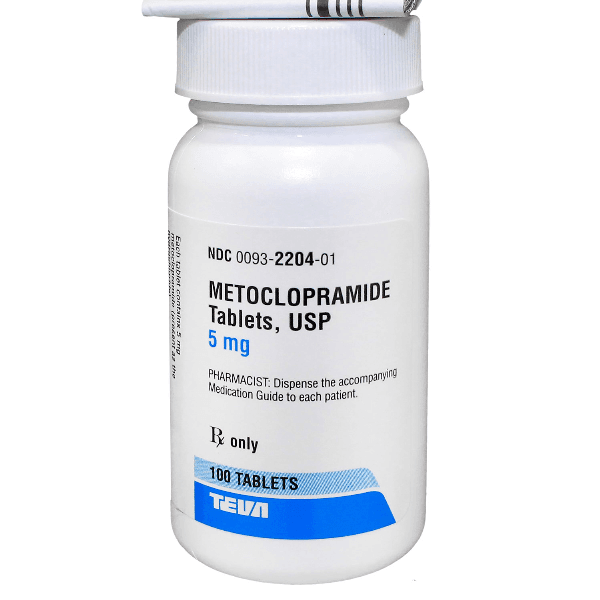
Metoclopramide is a gastrointestinal medication used when a clinician wants to improve stomach emptying or treat certain nausea-related symptoms. You can buy Metoclopramide online and choose the strength and quantity shown during ordering, including Metoclopramide 10mg when it matches your clinician’s directions. The medicine should be matched by active ingredient, tablet strength, form, and total count before checkout.
Metoclopramide tablets contain the same active drug associated with the brand Reglan, and labels may also use the name metoclopramide hydrochloride. The 10mg strength describes the amount of active drug in each tablet, not how often it should be taken. Use the written directions from your clinician or pharmacist for timing, duration, and any monitoring plan.
Metoclopramide 10mg Price and Tablet Selection
Metoclopramide price depends on the tablet strength, quantity, manufacturer, and any order-specific details shown during checkout. When you assess the Metoclopramide cost, compare the exact strength and total tablet count rather than only the final total. A 10mg tablet supply with a different count may have a different per-tablet cost even when the active ingredient is the same.
Cash-pay Metoclopramide budgeting should focus on the medicine being supplied, the tablet count, and the strength on the label. Metoclopramide price without insurance may differ from a coupon site, local pharmacy quote, or coverage-based estimate because those figures may reflect different manufacturers, quantities, or payment rules. If US delivery from Canada is part of your order flow, review the address and handling information carefully before completing checkout.
Quick tip: Match the tablet count and strength before comparing totals across pharmacies.
| Shopping detail | What to verify | Why it matters |
|---|---|---|
| Active ingredient | Metoclopramide or metoclopramide hydrochloride | Different label wording can refer to the same medicine. |
| Strength | Metoclopramide 10mg when prescribed | Strength affects how directions are followed. |
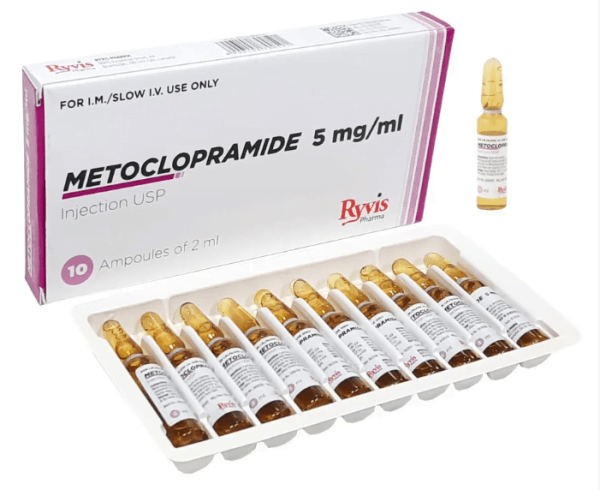
| Form | Oral tablet | Tablets are not automatically interchangeable with liquid or injection forms. |
| Quantity | Total number of tablets supplied | Count affects refill planning and per-tablet comparison. |
| Manufacturer | Name and appearance on the container | Generic tablets can look different between manufacturers. |
How to Order Metoclopramide Online
Choose the Metoclopramide tablets that match the active ingredient, strength, and quantity written for you. The order process may ask for medication-use and clinician-related information so the details can be reviewed when needed. Keep the medicine name and directions available to reduce delays caused by mismatched strengths or unclear instructions.
Do not change tablet strength, dose timing, or treatment duration to fit a package size or price. If the tablet you receive looks different from a previous fill, compare the label for active ingredient and strength. Ask a pharmacist or clinician if the imprint, color, packaging, or directions seem unclear.
Metoclopramide tablets are usually easier to handle than refrigerated medicines because they are not cold-chain products. However, tablets still need protection from excess heat, moisture, and damage during storage and travel. Keep the original labeled container with you when crossing borders or moving between care settings.
Metoclopramide Uses and Treatment Fit
Metoclopramide helps increase movement in the upper digestive tract and also has anti-nausea effects. Clinicians may use oral metoclopramide for selected patients with diabetic gastroparesis, a condition where the stomach empties too slowly. It may also be used in specific gastroesophageal reflux disease cases when other therapy has not provided enough relief.
Metoclopramide for gastroparesis may help symptoms such as early fullness, nausea, vomiting, bloating, or discomfort related to delayed stomach emptying. People reviewing digestive conditions can also browse information on gastroparesis, gastroesophageal reflux disease, and nausea and vomiting. These condition categories can support product discussions, but they do not replace individual diagnosis or treatment instructions.
Metoclopramide for GERD is not the same as an acid reducer. Acid reducers lower acid production or neutralize acid, while metoclopramide affects stomach movement and certain nausea pathways. That difference matters because the medicine carries movement-related warnings and is usually reserved for situations where the expected benefit justifies those risks.
Generic Reglan, Metoclopramide HCl, and Label Names
Metoclopramide is the generic name for the active drug historically associated with Reglan. A label that says metoclopramide hydrochloride or Metoclopramide HCl identifies the salt form of the same active ingredient. Generic Reglan wording can help people recognize the medicine, but the practical buying decision still depends on strength, form, quantity, and directions.
Generic tablets from different manufacturers may have different shapes, colors, markings, or bottle labels. Those appearance differences do not automatically mean the medicine is different, but they should be checked if they are unexpected. The container should clearly identify the active ingredient and the tablet strength.
Country-specific brand names, manufacturers, and labeling conventions can differ. Focus on the active ingredient, the strength printed on the container, and the directions from your clinician. If a prior fill used a brand name and the new bottle uses generic wording, ask a pharmacist to confirm the match before taking it.
Dosage, Timing, and Duration Questions
Metoclopramide dosage is individualized. A Metoclopramide 10mg tablet does not determine the total daily dose, meal timing, or length of therapy by itself. Follow the exact instructions provided with your medication, including whether the dose is timed before meals, at bedtime, or on another schedule.
Do not take extra tablets, shorten the interval between doses, or continue treatment longer than directed because symptoms persist. U.S. labeling includes a boxed warning for tardive dyskinesia, a movement disorder that may be irreversible. The FDA-approved labeling warns against treatment for longer than 12 weeks because risk increases with duration and cumulative exposure.
If you miss a dose, follow the instructions from your clinician or pharmacist rather than doubling the next dose. Older adults, people with kidney problems, and people taking medicines that affect the brain or nervous system may need closer follow-up. Ask what symptoms require prompt contact and when treatment should be reassessed.
Side Effects, Warnings, and Monitoring
Common Metoclopramide side effects can include drowsiness, tiredness, restlessness, dizziness, headache, diarrhea, nausea, or trouble sleeping. Some people feel sedated or less alert. Avoid driving, operating machinery, or alcohol until you know how the medication affects you.
Serious symptoms need urgent medical attention. Seek help for uncontrolled movements of the face, tongue, jaw, arms, or legs; severe muscle stiffness; fever; confusion; fast heartbeat; fainting; seizures; or signs of a severe allergic reaction. These symptoms may suggest tardive dyskinesia, neuroleptic malignant syndrome, acute dystonic reactions, or another serious problem.
Metoclopramide may not be appropriate for people with gastrointestinal bleeding, blockage, or perforation; pheochromocytoma; seizure disorder; a history of tardive dyskinesia; certain movement reactions; or allergy to metoclopramide. It may worsen Parkinson-like symptoms and can affect mood in some people. Tell your clinician about depression, suicidal thoughts, kidney disease, liver disease, pregnancy, breastfeeding, neurologic conditions, or past medication-related movement symptoms.
Why it matters: Early reporting of abnormal movements may reduce the chance of ongoing harm.
Interactions and Medication Review
Metoclopramide affects both stomach movement and nervous-system signaling, so interactions deserve careful review. Tell your clinician and pharmacist about antipsychotics, other dopamine-blocking medicines, sedatives, opioid pain medicines, alcohol, anticholinergic medicines, levodopa, dopamine agonists, and certain antidepressants. Combining drugs that increase sedation or movement-related reactions can raise safety concerns.
Because metoclopramide changes how quickly the stomach empties, it may affect the absorption timing of some oral medicines. People using diabetes medications should ask whether changes in stomach emptying could affect meal timing, glucose monitoring, or interpretation of nausea symptoms. Symptoms from gastroparesis, medication side effects, and blood glucose swings can overlap.
Before starting therapy, ask which side effects should be reported immediately, when follow-up should occur, and what to do if symptoms do not improve. This is especially important when metoclopramide is used for diabetic gastroparesis, persistent nausea, or reflux symptoms after other therapies have not worked well.
Storage, Handling, and Travel
Store Metoclopramide tablets in the labeled container as directed, usually at room temperature in a dry place away from excess heat, light, and moisture. Keep the bottle closed and out of reach of children and pets. Do not use tablets that are crumbled, discolored, damaged, or past the expiry date.
Metoclopramide tablets do not usually require prompt, express, cold-chain shipping because they are not refrigerated insulin products. They should still be protected from heat, moisture, and rough handling. If you travel, carry the labeled container so the medicine name, strength, and directions remain available.
Do not transfer tablets into an unlabeled container for long-term storage. If you use a pill organizer, keep the original bottle until the supply is finished so you can confirm the active ingredient, strength, lot details, and expiry date if a question arises.
Related Digestive Treatment Choices
Metoclopramide is not interchangeable with ondansetron, acid reducers, laxatives, or diabetes medicines. It works partly by increasing upper digestive movement, while other gastrointestinal products may reduce acid, block nausea pathways, treat constipation, or address a different cause of symptoms. The best comparison depends on the condition being treated and the clinician’s plan.
For broader browsing, the gastrointestinal products category groups digestive medications and related therapies. The gastrointestinal articles section can help frame questions about reflux, nausea, stomach emptying, and medication-related digestive symptoms. Use those materials to prepare better questions rather than to substitute one treatment for another.
Pet medications may also include digestive products, but human metoclopramide instructions should not be applied to animals without a veterinarian’s direction. If you are shopping for an animal, use the pet medications category and follow veterinary guidance. Human dose assumptions can be unsafe for pets.
When to Contact a Clinician
Contact a clinician if symptoms worsen, new neurologic symptoms appear, or nausea and vomiting prevent fluids, food, or other medicines from staying down. Persistent vomiting can lead to dehydration and may signal a condition that needs urgent evaluation. Severe abdominal pain, black stools, blood in vomit, fainting, or signs of bowel blockage should not be managed by adjusting metoclopramide on your own.
Ask whether your treatment plan includes a stop date or a reassessment point. Because movement-related risk increases with longer use, duration matters as much as dose. A clear plan helps avoid unintended long-term exposure.
Bring a full medication list to each review, including non-prescription products, supplements, alcohol use, and occasional sedatives or pain medicines. Interaction risk can change when another medicine is added, stopped, or taken more often than usual.
Authoritative Sources
Official labeling supports boxed-warning, duration-limit, contraindication, side-effect, and interaction information. FDA prescribing information for Reglan tablets.
Patient-focused medication safety information can help clarify symptoms that need medical attention. MedlinePlus drug information for metoclopramide.
This content is for informational purposes only and is not a substitute for professional medical advice.
Express Shipping - from $29.99
Shipping with this method takes 3-5 days
Prices:
- Dry-Packed Products $29.99
- Cold-Packed Products $39.99
Standard Shipping - $19.99
Shipping with this method takes 5-10 days
Prices:
- Dry-Packed Products $19.99
- Not available for Cold-Packed products
What is Metoclopramide 10mg used for?
Metoclopramide 10mg tablets may be used for selected digestive conditions, including diabetic gastroparesis and certain GERD cases when other therapy has not provided enough relief. Clinicians may also consider metoclopramide for nausea and vomiting when appropriate.
Is Metoclopramide the same as Reglan?
Metoclopramide is the generic active ingredient associated with the brand Reglan. Labels may also say metoclopramide hydrochloride or Metoclopramide HCl. Always match the active ingredient, tablet strength, and directions on your container.
What are common Metoclopramide side effects?
Common side effects can include drowsiness, fatigue, restlessness, dizziness, headache, diarrhea, nausea, or trouble sleeping. Serious abnormal movements, severe stiffness, fever, confusion, fainting, seizures, or allergic symptoms need urgent medical attention.
How long can Metoclopramide be taken?
Treatment duration should follow the clinician’s directions. U.S. labeling warns against use for longer than 12 weeks because the risk of tardive dyskinesia increases with treatment duration and cumulative exposure.
Can Metoclopramide interact with other medicines?
Yes. Important interactions may involve antipsychotics, dopamine-blocking drugs, sedatives, alcohol, opioid pain medicines, anticholinergic drugs, levodopa, dopamine agonists, and some antidepressants. Share a full medication list before starting therapy.
How should Metoclopramide tablets be stored?
Store tablets in the labeled container, usually at room temperature in a dry place away from excess heat, light, and moisture. Keep them out of reach of children and pets, and do not use damaged or expired tablets.
Rewards Program
Earn points on birthdays, product orders, reviews, friend referrals, and more! Enjoy your medication at unparalleled discounts while reaping rewards for every step you take with us.
You can read more about rewards here.
POINT VALUE
How to earn points
- 1Create an account and start earning.
- 2Earn points every time you shop or perform certain actions.
- 3Redeem points for exclusive discounts.
You Might Also Like
Select options
This product has multiple variants. The options may be chosen on the product page
Select options
This product has multiple variants. The options may be chosen on the product page
Select options
This product has multiple variants. The options may be chosen on the product page
Select options
This product has multiple variants. The options may be chosen on the product page