
Please note: a valid prescription is required for all prescription medication.
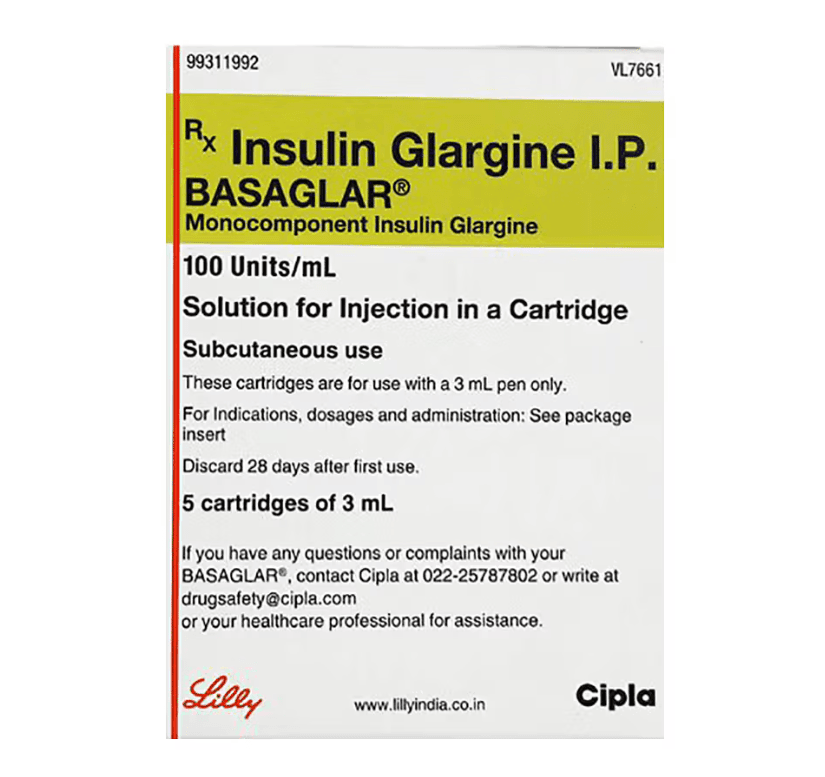
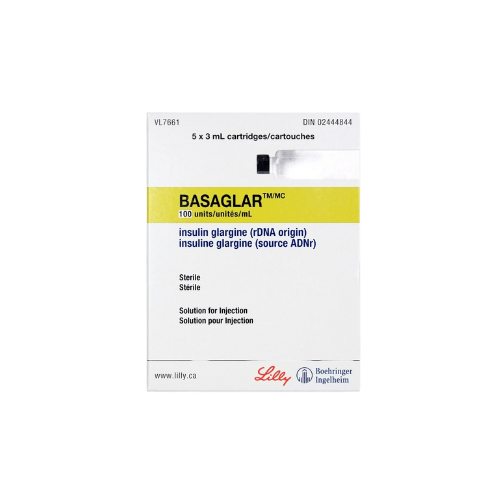
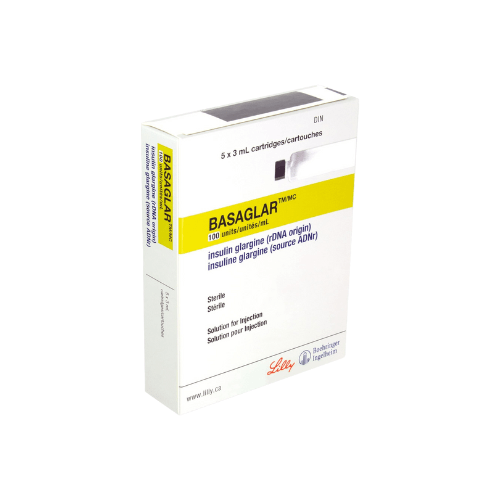
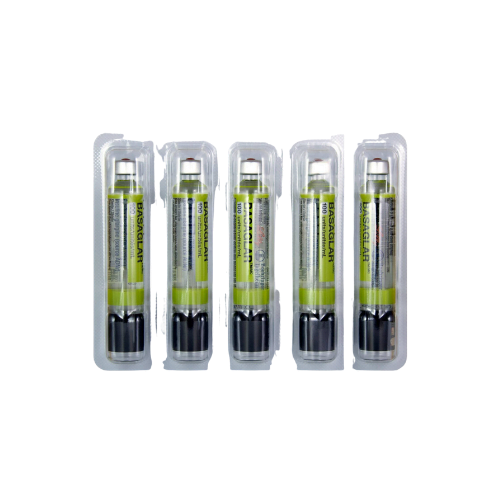
Basaglar Cartridge
Basaglar Cartridge: Buy With Prescription Basics
Price:
$115.99
You save


Basaglar Cartridge is a cartridge presentation of insulin glargine, a long-acting (basal) insulin used to help manage blood glucose in diabetes.
Some patients explore Ships from Canada to US when comparing prescription insulin access pathways.
This overview explains how the medicine works, practical handling, and Basaglar Cartridge price considerations at a high level.
What Basaglar Cartridge Is and How It Works
This medicine contains insulin glargine, a modified insulin designed to provide a steady background insulin level over many hours. After injection under the skin, small deposits form and slowly release insulin, which helps lower blood glucose by moving sugar from the blood into cells and reducing glucose output from the liver. It is not intended to correct high blood sugar quickly, so many people who use basal insulin also use mealtime insulin when prescribed.
Basal insulin supports “between-meal” and overnight glucose control, which can matter for fasting readings and overall stability. As a prescription referral service, CanadianInsulin may confirm prescription details with the prescriber. For background on cartridge-based systems, see Insulin Cartridges Types Benefits and browse related education in Diabetes Articles.
Who It’s For
Insulin glargine is used for diabetes when a clinician determines that a long-acting insulin is appropriate. It may be prescribed for adults, and in some settings for children, depending on local labeling and the specific product presentation. People with Type 1 Diabetes typically use basal insulin alongside rapid-acting insulin for meals, while many with Type 2 Diabetes may use basal insulin alone or with other glucose-lowering medicines.
This medicine is not used to treat diabetic ketoacidosis (a medical emergency that needs rapid-acting insulin and urgent care). It should not be started during episodes of low blood sugar. Do not use it if there is a known allergy to insulin glargine or any component of the cartridge. If you are transitioning from another insulin, changes should be planned with a clinician to reduce the risk of hypo- or hyperglycemia.
Dosage and Usage
Dosing is individualized by the prescriber based on factors such as prior insulin exposure, body size, kidney or liver function, and glucose trends. Many regimens use insulin glargine once daily at the same time each day, but schedules can differ. Basal insulin is injected subcutaneously (under the skin) and is not meant for intravenous use. Basaglar Cartridge price is separate from clinical dosing decisions, but both are often reviewed during treatment planning.
Cartridges are designed to be used with specific reusable pen devices; compatibility depends on the pen model and the cartridge format supplied. If you use a pen system, follow the device instructions for loading a cartridge, attaching a new needle, priming as directed, and cleaning the exterior. Technique and safety basics are reviewed in How To Use Basaglar, and broader dosing concepts are summarized in Insulin Dosage Chart.
Why it matters: Consistent timing and site rotation can help reduce unexpected glucose swings.
Do not share pens or cartridges between people, even if a new needle is used, because blood-borne infections can spread. Avoid “stacking” doses or making corrections unless your prescriber has provided a plan. If a dose is missed, the safest next step is to follow the instructions provided for your specific regimen.
Strengths and Forms
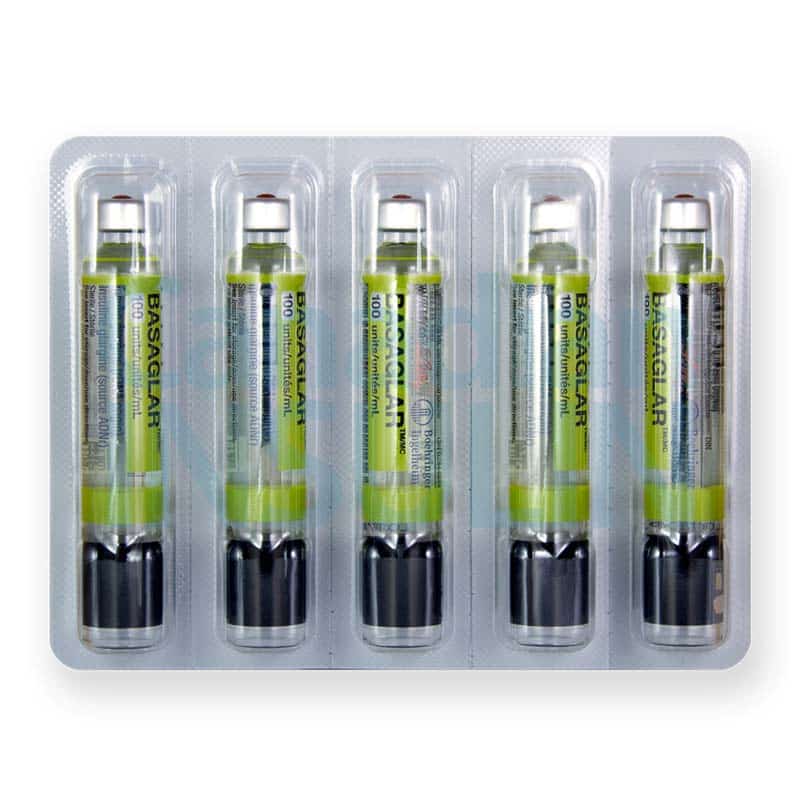
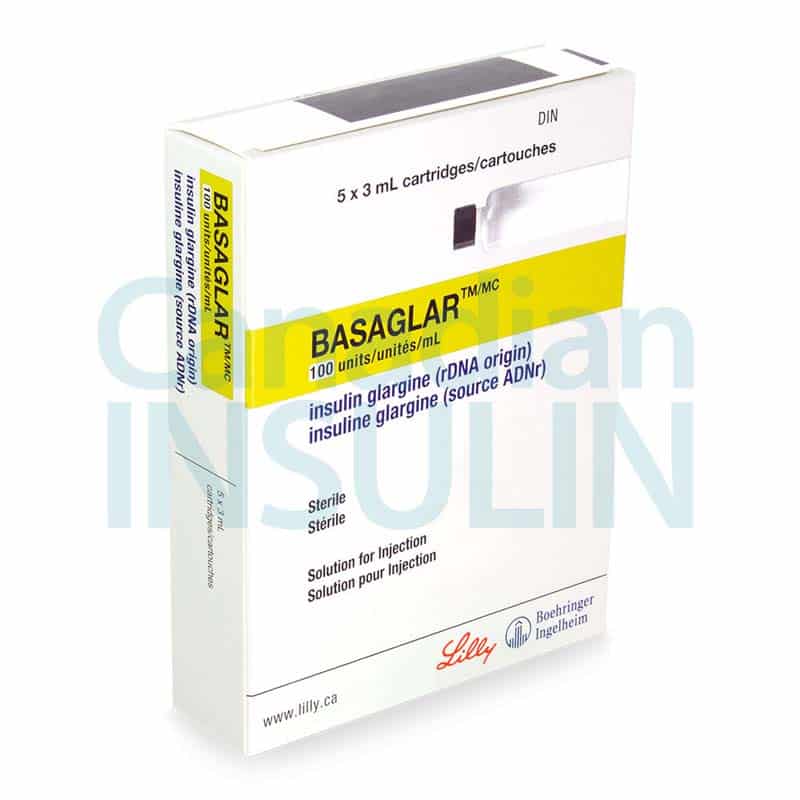
Basaglar cartridges contain insulin glargine in a prefilled cartridge that is inserted into a compatible pen device. The most common concentration for insulin glargine cartridges is 100 IU/mL, but availability and packaging can vary by country and pharmacy source. Basaglar Cartridge price may vary by presentation, package count, and the route used to obtain the prescription.
The form factor can matter for people who prefer reusable pens rather than disposable prefilled pens. Cartridges are also distinct from insulin vials, which are used with syringes, and from prefilled pen devices that cannot be reloaded. For browsing other insulin formats, the Diabetes Medications Insulin hub groups long-acting and rapid-acting options.
| Attribute | Typical details |
|---|---|
| Drug class | Long-acting (basal) insulin analog |
| Route | Subcutaneous injection |
| Common cartridge volume | 3 mL (may vary by market) |
| Common concentration | 100 IU/mL (check label) |
Storage and Travel Basics
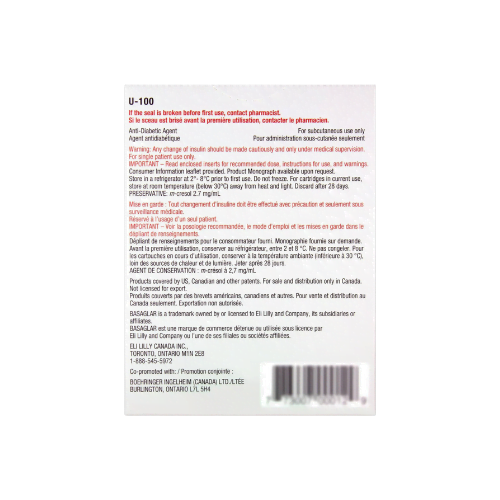
Unopened insulin is usually stored in a refrigerator and should not be frozen. Once a cartridge is in use, many insulin products can be kept at controlled room temperature for a limited time; the exact time-in-use limit depends on the specific cartridge labeling and local instructions. Keep insulin away from direct heat and sunlight, and do not use it if it has been frozen, overheated, or shows unexpected changes in appearance.
For travel, keep supplies together and plan for temperature control during transit and at the destination. Carry extra pen needles, alcohol swabs if you use them, and a backup plan in case a pen device fails. Basaglar Cartridge price is only one part of planning; replacement logistics and safe storage are equally important. Needle selection and handling are covered in Insulin Pen Needles Guide.
Quick tip: Keep the prescription label and a spare needle pack with your travel kit.
Dispose of used needles in a sharps container and follow local disposal rules. If you are unsure whether insulin remained within a safe temperature range, contact a pharmacist or clinician before using it. When starting a new cartridge, confirm the label name and concentration to avoid mix-ups with other insulin types.
Side Effects and Safety
The most common safety concern with any insulin is hypoglycemia (low blood sugar). Symptoms can include shakiness, sweating, fast heartbeat, confusion, headache, or unusual fatigue. Mild episodes may be treated with fast-acting carbohydrates if you have been instructed on how to do so, while severe hypoglycemia can cause loss of consciousness and requires emergency help. Basaglar Cartridge price discussions should not distract from reviewing a hypoglycemia plan with the prescriber.
Other possible effects include injection-site reactions (redness, itching, swelling), skin thickening or pits at frequent injection sites (lipodystrophy), and weight gain. Serious but less common risks include allergic reactions, low potassium (hypokalemia), and fluid retention. Seek urgent evaluation for signs of anaphylaxis such as trouble breathing, widespread hives, or swelling of the face or throat.
Monitoring is typically based on fingerstick glucose and/or continuous glucose monitoring where used. If glucose patterns change after illness, medication changes, diet shifts, or reduced food intake, a clinician may reassess the regimen. Do not change the dose on your own based only on a single reading.
Drug Interactions and Cautions
Many medicines can affect blood glucose or change how your body responds to insulin. Corticosteroids, some antipsychotics, and certain decongestants may raise glucose, while other diabetes medicines can increase the risk of hypoglycemia when combined with insulin. Alcohol can also contribute to delayed low blood sugar in some people.
Some drugs may mask typical warning signs of hypoglycemia, including certain beta-blockers used for blood pressure or heart conditions. Thiazolidinediones (TZDs) used with insulin can increase the risk of fluid retention and, in susceptible patients, worsening heart failure. Kidney or liver impairment can change insulin needs over time and warrants closer monitoring with a clinician.
Share a complete medication list at each visit, including over-the-counter products and supplements. For broader context on how insulin products differ across types, see Not All Insulin Products.
Compare With Alternatives
Several basal insulin options may be considered depending on prior therapy, dosing schedule, device preference, and formulary rules. Basaglar Cartridge price can differ from alternatives, but selection also involves clinical fit and patient-specific factors. Differences may include duration of action, available devices (cartridge, vial, prefilled pen), and how a product is titrated under clinician guidance.
Insulin glargine is also available as other branded products, including cartridge and pen presentations. Insulin detemir is another long-acting insulin that may be offered as a cartridge in some markets. Ultra-long options such as insulin degludec may be discussed for certain patients. To compare long-acting types at a high level, review Long Acting Insulin Names.
- Insulin glargine options: similar basal approach, different brands
- Insulin detemir: another basal insulin analogue
- Ultra-long basal insulins: longer action profiles
Product examples sometimes used for comparison include Lantus Cartridges and Levemir Penfill Cartridges, but the right option should be confirmed with a prescriber and pharmacist.
Pricing and Access
Access to insulin glargine cartridges depends on prescription requirements, local regulations, and pharmacy supply. Insurance coverage varies widely by plan and may require prior authorization or a preferred brand. For people paying cash, Basaglar Cartridge price can depend on package size, dispensing channel, and whether a biosimilar or alternative basal insulin is considered clinically appropriate. If you are navigating without insurance, a pharmacist can help explain typical documentation and substitution rules for your jurisdiction.
CanadianInsulin facilitates prescription referral and order coordination; dispensing is handled by licensed third-party pharmacies where permitted. Cross-border fulfillment depends on eligibility and jurisdiction, and additional verification may be required before a prescription can be processed. General program updates may be listed on Promotions.
When comparing options, it can help to confirm the exact cartridge format, concentration, and pen compatibility written on the prescription. If you are switching between a prefilled pen and a cartridge-based pen, ask a pharmacist to review device steps so that priming, needle changes, and disposal are done correctly.
Authoritative Sources
For prescribing and safety details, consult the official product labeling and recognized clinical references. A neutral label source is available at DailyMed drug labeling database.
For general standards of diabetes care and insulin use principles, see American Diabetes Association resources.
Where permitted and appropriate, medications may be prepared and transported using prompt, express, cold-chain shipping according to pharmacy requirements.
This content is for informational purposes only and is not a substitute for professional medical advice.
Customer Reviews
5.0 Based on 1 Reviews
Write a Review Ask a Question - Reviews
- Questions
Filter Reviews:
MP
11/06/2023
Mark P.  US
USI recommend this product
reliable!!
I always have a very positive experience order from Canadian Insulin. Basaglar works better than levemir and the refillable cartridges I get do not seem to be available in the US. Being that I do not have insurance, Can Ins is much cheaper than purchasing in the US. I highly recommend Canadian Insulin.
11/10/2023
CanadianInsulin.com
Hi Mark,We appreciate your kind words and we are thrilled to hear that you had a great experience with our service. It's always our goal to ensure a smooth and hassle-free experience for our customers. Your recommendation truly warms our hearts and motivates us even more!We look forward to serving you again in the future.Have a great day!
Express Shipping - from $25.00
Shipping with this method takes 3-5 days
Prices:
- Dry-Packed Products $25.00
- Cold-Packed Products $35.00
Standard Shipping - $15.00
Shipping with this method takes 5-10 days
Prices:
- Dry-Packed Products $15.00
- Not available for Cold-Packed products
What is a Basaglar cartridge used for?
Basaglar cartridges contain insulin glargine, a long-acting (basal) insulin used to help control blood glucose in diabetes. Basal insulin is intended to provide background insulin coverage between meals and overnight. In type 1 diabetes, it is usually used with rapid-acting mealtime insulin. In type 2 diabetes, it may be used alone or with other glucose-lowering medicines. The cartridge format is designed for use in certain reusable insulin pen devices, so device compatibility should be confirmed.
Is Basaglar a long-acting insulin and how quickly does it work?
Basaglar is considered a long-acting insulin (insulin glargine). It is formulated to release slowly after injection under the skin, providing a relatively steady effect over many hours rather than a fast peak. It is not intended for rapid correction of high blood sugar, which is why some people also use a separate mealtime insulin if prescribed. Individual onset and duration can vary, so clinicians typically adjust regimens using glucose patterns over time, not single readings.
How do I know if my pen device is compatible with a Basaglar cartridge?
Cartridge compatibility depends on the exact pen model and the cartridge system it was designed to accept. Some reusable pens are made for specific cartridge dimensions or manufacturer systems. Check the pen’s instructions for use and compare it with the cartridge labeling from the pharmacy. A pharmacist can verify fit and demonstrate safe loading and priming steps. Avoid forcing a cartridge into a device, and do not transfer insulin from a cartridge into another container unless explicitly instructed.
What are the most important side effects to watch for with insulin glargine?
The key risk with any insulin is hypoglycemia (low blood sugar). Symptoms may include sweating, shakiness, hunger, confusion, irritability, or dizziness; severe episodes can cause seizures or loss of consciousness and require emergency help. Injection-site reactions can occur, and repeated injections in the same area can cause lipodystrophy (skin thickening or pitting). Rare but serious risks include allergic reactions and low potassium. Ask your clinician what thresholds and symptoms should trigger urgent care.
How should Basaglar cartridges be stored when traveling?
In general, unopened insulin is kept refrigerated and should not be frozen. In-use insulin is often allowed at room temperature for a limited period, but the exact time depends on the specific product labeling. When traveling, protect insulin from direct heat and sunlight and keep it from freezing, including in checked luggage. Carry extra needles and a backup plan if a pen device fails. If you suspect insulin was exposed to unsafe temperatures, a pharmacist can advise whether it should be replaced.
What should I ask my clinician or pharmacist before switching from another basal insulin?
Ask which basal insulin you are switching from and to, and confirm the concentration, device format (cartridge versus prefilled pen versus vial), and the intended dosing schedule. Discuss how glucose will be monitored during the transition and what to do if readings run low or high. If you use other diabetes medicines, ask whether they change hypoglycemia risk with the new regimen. Also confirm pen technique, needle selection, and injection-site rotation to reduce dosing errors and skin problems.
Rewards Program
Earn points on birthdays, product orders, reviews, friend referrals, and more! Enjoy your medication at unparalleled discounts while reaping rewards for every step you take with us.
You can read more about rewards here.
POINT VALUE
How to earn points
- 1Create an account and start earning.
- 2Earn points every time you shop or perform certain actions.
- 3Redeem points for exclusive discounts.
You Might Also Like
Select options
This product has multiple variants. The options may be chosen on the product page
Select options
This product has multiple variants. The options may be chosen on the product page
Select options
This product has multiple variants. The options may be chosen on the product page
Select options
This product has multiple variants. The options may be chosen on the product page
Related Articles
Uncategorized
High Blood Sugar: Symptoms, Causes, and Urgent Signs
Hyperglycemia is the medical term for glucose above your target range. In everyday language, it means high blood sugar. It can happen with diabetes, severe stress, illness, steroid medicines, or…
Respiratory, Weight Management
Zepbound for Sleep Apnea: Who It May Help and Why CPAP Still Matters
Zepbound for sleep apnea may be appropriate for some adults, but it is not a blanket replacement for standard apnea treatment. The current discussion mainly involves obstructive sleep apnea (OSA),…
Weight Management
Generic Wegovy: Availability, Alternatives, and Cost Context
Generic Wegovy is usually a search for a lower-cost semaglutide option, but the term can be misleading. A true generic is a regulator-approved equivalent to a brand medicine, and patients…
Type 2 Diabetes,
Generic Ozempic Explained for Patients and Caregivers
Key Takeaways People searching generic ozempic are usually trying to confirm whether a lower-cost semaglutide option is a true approved equivalent, a compounded product, or a different diabetes medicine. Separate…