
Please note: a valid prescription is required for all prescription medication.
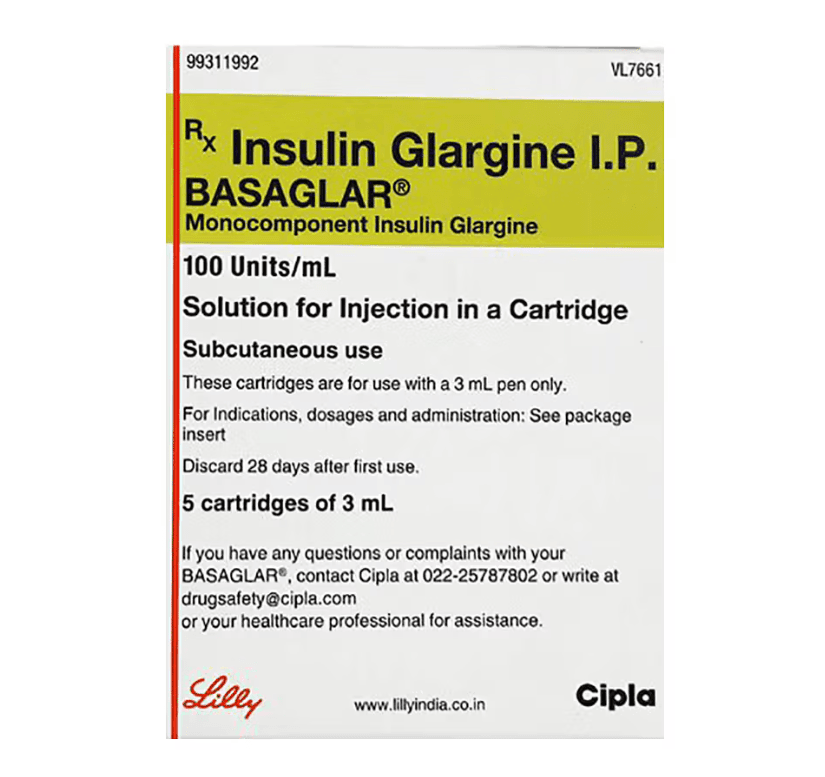
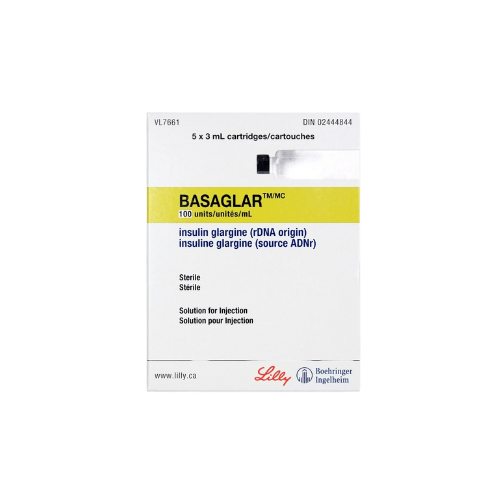
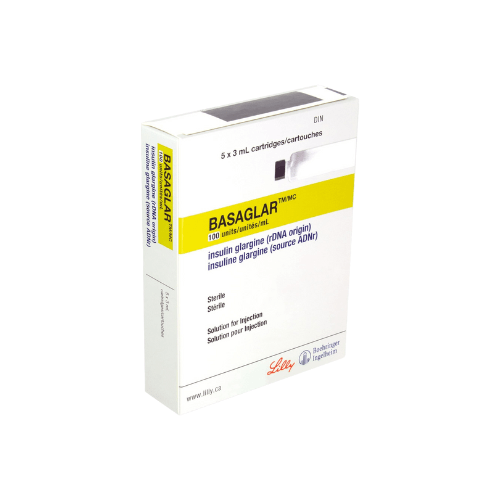
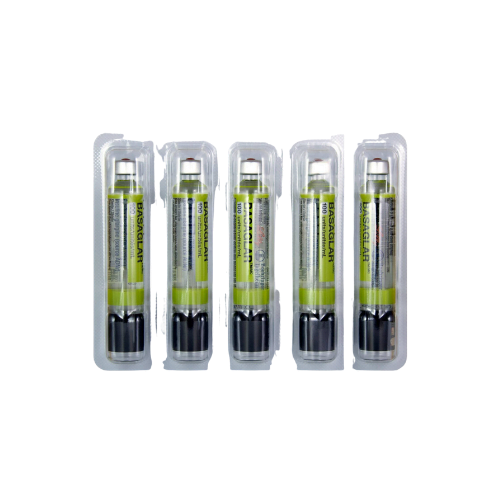
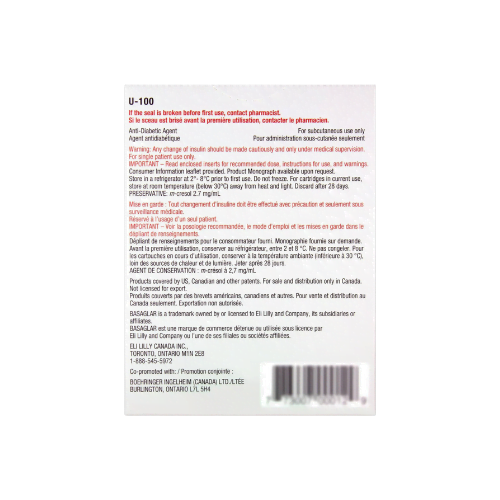
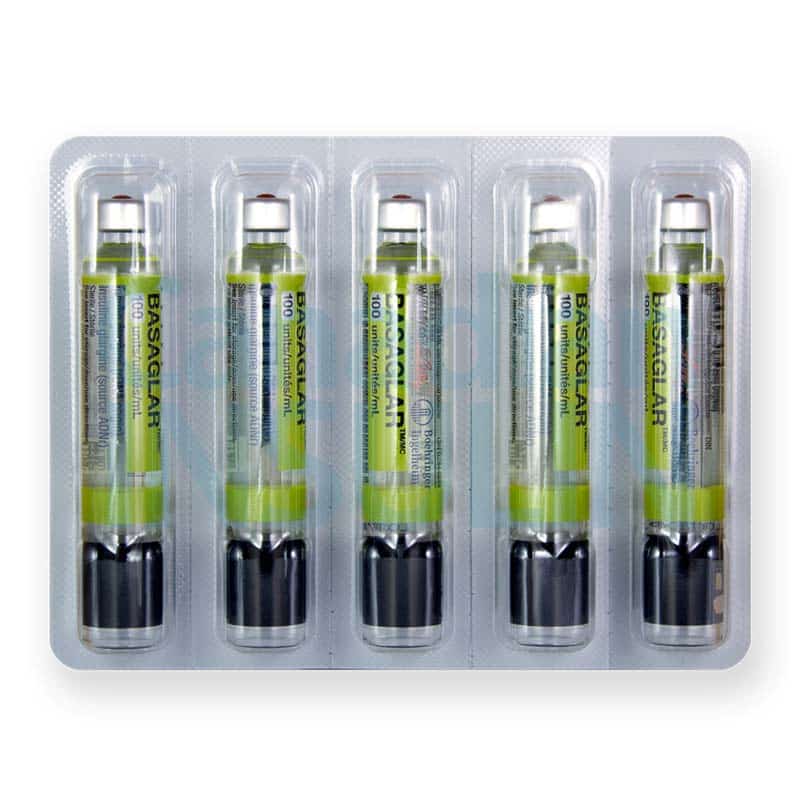
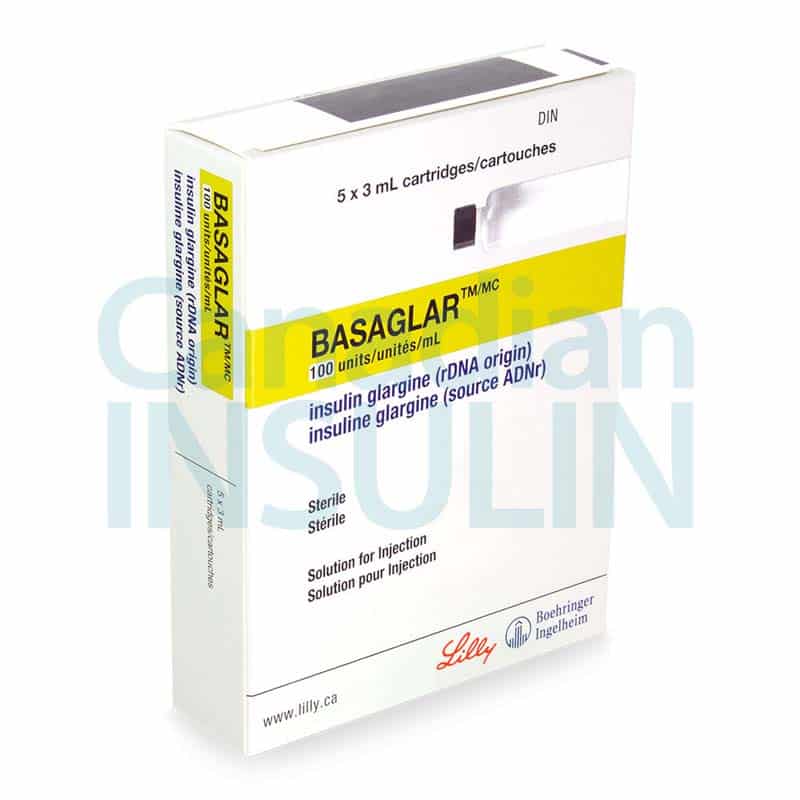
Basaglar Cartridge
Buy Basaglar Cartridge Online


Buy Basaglar Cartridge online with a valid prescription and compare current listed pricing, cartridge presentations, and safety basics before ordering. The Basaglar Cartridge price shown on this page should be checked alongside the selected strength, cartridge size, pack count, and any required handling. If you are exploring US delivery from Canada, use the listing details to match the insulin, device needs, and prescription information before checkout.
Basaglar is insulin glargine, a long-acting basal insulin used to help manage blood glucose in diabetes. This cartridge format is meant for use with a compatible insulin pen device, so the product form matters as much as the medicine name. Before you add the item to your cart, compare the displayed option with what your prescriber wrote, including concentration, quantity, and any device instructions.
Basaglar Cartridge Price and Available Options
The current listed Basaglar Cartridge price reflects the product option selected on this page. For insulin cartridges, the most important comparison points are concentration, cartridge volume, pack count, and total insulin units. Basaglar is commonly listed as a 100 Units/mL insulin glargine cartridge, and a 3 mL cartridge contains 300 units in total. That total content is not the same as a single dose.
When a Basaglar Cartridge pack of 5 is listed, the pack size can change the total amount supplied and the way you compare value. A pack with five 3 mL cartridges contains more total insulin than a single 3 mL cartridge, even though the concentration remains 100 Units/mL. Check the selected presentation before comparing it with Basaglar insulin price references from other sources.
If you are comparing Basaglar Cartridge without insurance, focus on the cash-pay amount shown for the exact cartridge and quantity selected. A Basaglar cash pay price can differ from an insurance copay, manufacturer list price, or pharmacy quote because each may use different coverage rules or pack assumptions. The useful comparison is the selected product, its total contents, and the amount due for that option.
| Listing detail | What to check | Why it matters |
|---|---|---|
| Strength | 100 Units/mL | Confirms the insulin concentration on the prescription. |
| Cartridge volume | Often 3 mL | Helps calculate total units per cartridge. |
| Pack count | Single or multi-pack | Changes the total supply being compared. |
| Device fit | Compatible pen system | Cartridges are not interchangeable with every pen. |
The Long-Acting Insulin collection can help you compare other basal insulin listings when your prescription allows a different product or presentation.
How to Order Online
To order Basaglar Cartridge online, choose the cartridge presentation that matches your prescription and review the selected quantity before checkout. Keep your prescriber and pharmacy label details nearby so the name, strength, and device instructions are easy to confirm. A valid prescription is required for this insulin.
Prescription details may be confirmed with your prescriber when needed. Supporting documents may also be requested if the selected insulin, quantity, or shipping destination requires clarification. This step helps reduce medication selection errors, especially when several insulin glargine products or pen formats look similar.
Cash-pay access may depend on product and location. If you are comparing Basaglar Cartridge cash-pay options, review the listed item itself rather than assuming it matches a pen, vial, or different glargine cartridge. What to do next is simple: match the prescription, confirm the device, check the pack count, and then review handling needs.
- Product name: Match Basaglar and insulin glargine wording.
- Strength: Confirm 100 Units/mL if listed.
- Form: Select cartridge, not vial or prefilled pen.
- Quantity: Check cartridge count and total mL.
- Device: Confirm the suitable pen before use.
Quick tip: Compare the cartridge label with your prescription before selecting a quantity.
Match the Cartridge, Pen, and Pack Details
A Basaglar insulin cartridge is a container of insulin glargine designed for a compatible pen device. It is different from a vial, which is usually used with syringes, and different from a prefilled pen, which already includes the delivery device. The cartridge format can be practical for patients who already use the prescribed reusable pen system.
Do not assume that any insulin cartridge fits any pen. A Basaglar Cartridge suitable pen should be identified by your clinician, pharmacist, or product instructions. Using the wrong pen can lead to dosing errors, leakage, or device failure. The Insulin Cartridges resource can help distinguish cartridges from vials and prefilled pens.
Pack details matter because insulin listings can describe both the cartridge volume and the number of cartridges supplied. A Basaglar 3ml cartridge at 100 Units/mL contains 300 units. If a pack contains five cartridges, the total amount supplied is larger, but the concentration remains unchanged. Your dose schedule should come from your clinician, not from pack size math.
- Cartridge: Requires the right reusable pen.
- Prefilled pen: Device and insulin are supplied together.
- Vial: Typically used with insulin syringes.
- Pack count: Affects total supply, not concentration.
The Insulin Pens resource is useful when comparing reusable pen systems and prefilled devices.
Use in Diabetes Care
Basaglar Cartridge injection contains insulin glargine, a long-acting insulin analog. It is used to improve blood glucose control in adults and pediatric patients with diabetes when basal insulin is appropriate. Basal insulin works in the background over an extended period, unlike rapid-acting insulin used around meals.
People with type 1 diabetes often use basal insulin as part of a broader insulin plan that includes mealtime insulin. Some people with type 2 diabetes may use basal insulin alone or with other diabetes medicines. The plan depends on clinical factors, glucose patterns, and the prescriber’s instructions. The Diabetes collection groups related products used in diabetes care.
Basaglar is not intended for treating diabetic ketoacidosis. It should not be used during episodes of low blood sugar. If your prescription has changed from another insulin glargine product, do not assume the same device, quantity, or directions apply until your care team confirms them.
Storage, Handling, and Travel Basics
Insulin is temperature sensitive, so storage is part of product selection. Unused Basaglar cartridges are generally stored in a refrigerator until use, according to the product leaflet. Do not freeze insulin, and do not use a cartridge that has been frozen. Heat, direct light, or damaged packaging can affect quality.
Once a cartridge is in use, follow the storage time and temperature limits in the official instructions supplied with your product. Many insulin products have different rules before and after first use. Check whether the cartridge should be kept in the pen, whether it needs the pen cap on, and when it should be discarded after opening.
For travel, keep insulin with you rather than placing it in checked luggage. Use an insulated case when temperatures may be outside the recommended range, but avoid placing the cartridge directly on ice or frozen gel packs. A cold-chain shipping process helps protect temperature-sensitive insulin during transit, but storage remains your responsibility after delivery.
- Before use: Follow refrigerated storage directions.
- During use: Track the in-use discard date.
- Temperature: Avoid freezing, heat, and sunlight.
- Travel: Keep insulin accessible and protected.
- Appearance: Do not use cloudy or damaged insulin.
Why it matters: Temperature damage may make insulin less reliable even when the cartridge looks intact.
Safety Checks Before Ordering
Before ordering insulin glargine, review the main safety points that affect everyday use. The most important risk is hypoglycemia, or low blood sugar. Symptoms can include sweating, shaking, hunger, headache, dizziness, fast heartbeat, confusion, or weakness. Severe low blood sugar can cause loss of consciousness or seizures and needs urgent help.
Basaglar should not be used during hypoglycemia or by anyone with a known allergy to insulin glargine or any product ingredient. Allergic reactions can include rash, swelling, trouble breathing, or severe dizziness. Injection site reactions may include redness, itching, swelling, or changes in skin texture. Rotating injection sites as instructed can help reduce local skin problems.
Other safety concerns include hypokalemia, or low potassium, which can be serious in some patients. Insulin needs may change with illness, stress, changes in meal pattern, kidney or liver problems, activity changes, or other medications. Do not change the Basaglar Cartridge dosage on your own. Dose adjustments should come from the prescriber managing your diabetes plan.
| Safety point | What to watch | Action |
|---|---|---|
| Low blood sugar | Shaking, sweating, confusion | Follow your clinician’s hypoglycemia plan. |
| High blood sugar | Thirst, frequent urination, fatigue | Contact your care team if readings stay high. |
| Allergic reaction | Rash, swelling, breathing trouble | Seek urgent medical attention. |
| Low potassium | Weakness, cramps, irregular heartbeat | Ask about monitoring if you are at risk. |
Never share insulin pens, cartridges, or needles, even if the needle has been changed. Sharing injection equipment can transmit infections. Use a new needle for each injection, dispose of sharps safely, and follow device instructions for priming and injection technique.
Interactions and Monitoring
Several medicines can affect blood sugar or change how insulin works. These may include other diabetes medicines, corticosteroids, beta blockers, diuretics, some psychiatric medicines, and certain heart or blood pressure treatments. Alcohol can also increase the risk of low blood sugar in some situations.
Thiazolidinediones, a class of diabetes medicines, may increase the risk of fluid retention and heart failure when used with insulin. Tell your clinician about all prescription medicines, over-the-counter products, and supplements you use. Monitoring matters because insulin needs can change over time.
- Glucose checks: Follow the schedule your clinician gives.
- Illness days: Ask how to manage readings and meals.
- New medicines: Confirm whether monitoring should change.
- Kidney or liver issues: Discuss added monitoring needs.
- Device problems: Report leaks, jams, or unexpected readings.
If blood sugar readings are repeatedly outside your target range, contact the clinician managing your diabetes. The answer may involve injection technique, timing, meal patterns, device fit, or a dose change, but those decisions should be individualized.
Compare Related Long-Acting Options
Basaglar insulin glargine cartridge is one long-acting insulin option. Other listings may use the same insulin class, a different device, or a different brand. Comparison is useful when your prescription names a specific product, allows substitution, or changes from a cartridge to a prefilled pen.
If your clinician writes for another insulin glargine product, compare the presentation carefully. Lantus Cartridges may be relevant for patients prescribed a cartridge format, while Lantus SoloStar Pens are a prefilled pen option. These products should not be swapped without prescriber direction because device compatibility and instructions can differ.
Some customers also compare long-acting insulin names, onset, and duration when speaking with their care team. The Long-Acting Insulin Names resource can support that conversation without replacing clinical guidance.
Authoritative Sources
For detailed label instructions, use the official prescribing information and patient leaflet supplied with your product. Regulator and manufacturer materials are the best sources for approved uses, contraindications, storage ranges, and device-specific steps.
Bring any uncertainty about device compatibility, missed doses, side effects, or repeated abnormal glucose readings to your clinician or pharmacist. Product pages can help you compare forms and order details, but treatment decisions need individualized medical oversight.
This content is for informational purposes only and is not a substitute for professional medical advice.
{acf_product_technical_information}
Blood Glucose Unit Converter
Convert glucose readings between mg/dL and mmol/L without changing the clinical value.
mg/dL
-
US reporting unit
mmol/L
-
International reporting unit
These calculations are for education only and do not replace clinical advice, diagnosis, or treatment. Always confirm medical decisions with a qualified healthcare professional.
HbA1c & eAG Calculator
Convert between HbA1c percentage and estimated average glucose using the ADAG relationship.
HbA1c
-
percentage
eAG mg/dL
-
estimated average glucose
eAG mmol/L
-
estimated average glucose
These calculations are for education only and do not replace clinical advice, diagnosis, or treatment. Always confirm medical decisions with a qualified healthcare professional.
HOMA-IR Calculator
Estimate insulin resistance from fasting glucose and fasting insulin values collected from the same blood draw.
HOMA-IR
-
screening estimate, not a diagnosis
Formula used
-
depends on glucose unit
These calculations are for education only and do not replace clinical advice, diagnosis, or treatment. Always confirm medical decisions with a qualified healthcare professional.
Carb Serving Calculator
Convert total carbohydrate grams into carb choices for meal planning and diabetes education.
Carb choices
-
total carbs divided by choice size
Rounded choices
-
nearest half choice
Carb calories
-
4 kcal per gram
These calculations are for education only and do not replace clinical advice, diagnosis, or treatment. Always confirm medical decisions with a qualified healthcare professional.
Corrected Sodium Calculator
Estimate sodium corrected for hyperglycemia using common 1.6 and 2.4 correction factors.
Corrected sodium
-
1.6 factor
Corrected sodium
-
2.4 factor
These calculations are for education only and do not replace clinical advice, diagnosis, or treatment. Always confirm medical decisions with a qualified healthcare professional.
Customer Reviews
5.0 Based on 1 Reviews
Write a Review Ask a Question - Reviews
- Questions
Filter Reviews:
MP
11/06/2023
Mark P.  US
USI recommend this product
reliable!!
I always have a very positive experience order from Canadian Insulin. Basaglar works better than levemir and the refillable cartridges I get do not seem to be available in the US. Being that I do not have insurance, Can Ins is much cheaper than purchasing in the US. I highly recommend Canadian Insulin.
11/10/2023
CanadianInsulin.com
Hi Mark,We appreciate your kind words and we are thrilled to hear that you had a great experience with our service. It's always our goal to ensure a smooth and hassle-free experience for our customers. Your recommendation truly warms our hearts and motivates us even more!We look forward to serving you again in the future.Have a great day!
Express Shipping - from $25.00
Shipping with this method takes 3-5 days
Prices:
- Dry-Packed Products $25.00
- Cold-Packed Products $35.00
Standard Shipping - $15.00
Shipping with this method takes 5-10 days
Prices:
- Dry-Packed Products $15.00
- Not available for Cold-Packed products
What is Basaglar Cartridge used for?
Basaglar Cartridge contains insulin glargine, a long-acting basal insulin used to help manage blood glucose in diabetes. It provides background insulin coverage over an extended period. People with type 1 diabetes usually need basal insulin as part of a plan that also includes mealtime insulin. Some people with type 2 diabetes may use basal insulin with or without other diabetes medicines. The exact role of Basaglar depends on the treatment plan set by the prescriber.
Is Basaglar Cartridge the same as insulin glargine?
Basaglar is a brand name for insulin glargine injection. Insulin glargine is the active ingredient and belongs to the long-acting insulin class. Even when products contain insulin glargine, device format, cartridge compatibility, labeling, and instructions may differ. Do not switch between brands, cartridges, vials, or prefilled pens unless the prescriber or pharmacist confirms the change. Matching the exact product and device helps reduce dosing and handling errors.
Which pen is used with Basaglar Cartridge?
A Basaglar cartridge must be used only with a compatible insulin pen system. Cartridges are not universal, and using the wrong pen can cause inaccurate dosing, leakage, or device malfunction. Check the product leaflet, pharmacy label, and prescriber instructions for the named pen device. If the pen name is unclear, ask your pharmacist or clinician before using the cartridge. Do not force a cartridge into a pen that is not designed for it.
What side effects should be monitored with insulin glargine?
The most important side effect to monitor is hypoglycemia, or low blood sugar. Symptoms may include sweating, shaking, hunger, dizziness, headache, fast heartbeat, confusion, or weakness. Severe low blood sugar can be dangerous and needs urgent treatment. Other possible concerns include injection site reactions, allergic reactions, weight gain, swelling, and low potassium. Tell your clinician if readings are repeatedly high or low, or if you notice rash, swelling, breathing trouble, or unusual weakness.
What should I ask my clinician before using a cartridge?
Ask which pen device fits the cartridge, how to store unused and in-use insulin, when to discard an opened cartridge, and what to do if blood sugar is too high or too low. It is also helpful to confirm whether your dose timing changes during illness, travel, meal changes, or new medication use. If you are switching from a pen or vial, ask whether injection technique or supplies will change.
Rewards Program
Earn points on birthdays, product orders, reviews, friend referrals, and more! Enjoy your medication at unparalleled discounts while reaping rewards for every step you take with us.
You can read more about rewards here.
POINT VALUE
How to earn points
- 1Create an account and start earning.
- 2Earn points every time you shop or perform certain actions.
- 3Redeem points for exclusive discounts.
You Might Also Like
Select options
This product has multiple variants. The options may be chosen on the product page
Select options
This product has multiple variants. The options may be chosen on the product page
Select options
This product has multiple variants. The options may be chosen on the product page
Select options
This product has multiple variants. The options may be chosen on the product page
Related Articles
Diabetes, Type 1
Symptoms of Low Sugar Levels in Blood: Signs and Next Steps
The symptoms of low sugar levels in blood can include shaking, sweating, hunger, a fast heartbeat, dizziness, anxiety, blurred vision, confusion, and unusual tiredness. Low blood sugar, also called hypoglycemia…
General Health, Weight
Body Mass Index (BMI): Ranges, Uses, and Limits
Body mass index (BMI) is a screening number based on weight and height. It helps estimate whether an adult falls into an underweight, healthy weight, overweight, or obesity range. It…
Research, Weight Management
How to Get Retatrutide: Legal Access and Safety Checks
Retatrutide access depends first on regulatory approval. If you are searching for how to get retatrutide, start by checking whether a regulator has approved a specific product where you live.…
Diabetes, Type 1
Continuous Glucose Monitoring: How CGMs Fit Diabetes Care
Continuous glucose monitoring is a way to track glucose throughout the day and night with a small wearable sensor. It matters because it shows patterns, direction, and alerts that a…