
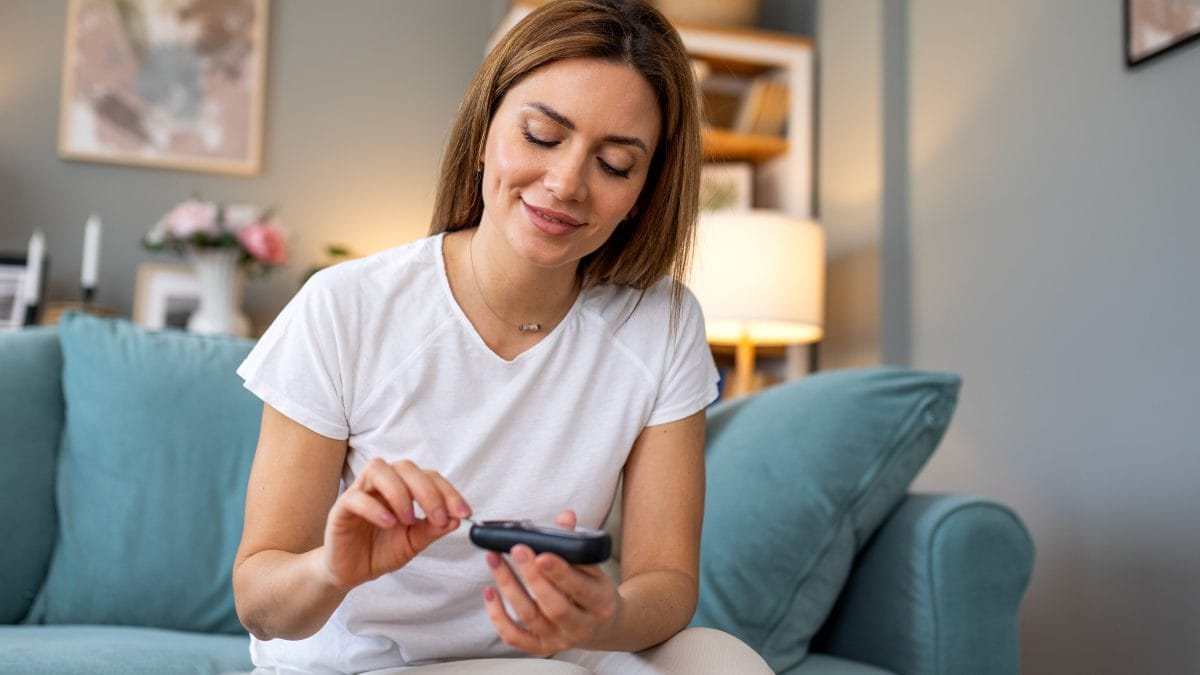
Continuous glucose monitoring is a way to track glucose throughout the day and night with a small wearable sensor. It matters because it shows patterns, direction, and alerts that a single fingerstick cannot, helping many people with diabetes spot highs and lows sooner.
A CGM is not perfect, and it does not replace medical care. Still, it can add useful context during meals, exercise, sleep, illness, and insulin use. If you are comparing options, the main questions are how it works, who may benefit, what its limits are, and how access usually works.
Key Takeaways
- A CGM measures glucose in interstitial fluid, not a direct blood drop.
- It can show trends, alerts, and overnight patterns that fingersticks may miss.
- People using insulin or having frequent lows often get the most practical value.
- Readings can lag during rapid changes, so unexpected results may need confirmation.
- Prescription rules, coverage, and device access vary by plan and jurisdiction.
What Continuous Glucose Monitoring Does
A CGM measures glucose in interstitial fluid, which is the fluid just under the skin. It does not read the same blood drop used in a fingerstick meter. Most systems include a small sensor worn on the body, a way to send data, and a display on a phone, receiver, or insulin pump.
Instead of giving one isolated number, the device builds a moving picture over time. Depending on the model, you may see automatic updates or retrieve readings by scanning the sensor. That lets you view your current level, recent history, and whether glucose appears to be rising, falling, or staying fairly steady.
Why trends matter more than a single number
A single reading tells you where glucose is at one moment. Trend data shows where it is heading. That difference matters after meals, during exercise, overnight, and when symptoms start before a fingerstick would normally be checked.
Many clinicians also review CGM reports for repeated patterns such as overnight lows, long periods of hyperglycemia (high blood sugar), or times of day when values swing sharply. The goal is not just to see one bad number. It is to understand whether that number is part of a pattern that may need attention.
What a CGM report usually shows
Beyond the current reading, most reports include recent glucose history, summaries of daily patterns, and alerts for preset high or low thresholds. Some reports also show time in range and glycemic variability, meaning how much glucose swings up and down over time.
That broader view changes the conversation. A CGM can help separate a one-off reading from a recurring problem, and it gives you and your care team a clearer way to discuss meals, activity, missed doses, illness, and sleep-related changes.
Why it matters: Trend arrows can show trouble before a single number looks extreme.
CGM Vs Fingerstick Checks
Fingerstick meters and CGMs answer different questions. A meter gives a direct blood glucose result at one moment. A CGM adds direction, duration, and pattern over time.
The practical issue is not which tool is always better. It is what each tool adds. For many people, a CGM reduces guesswork between meals and overnight, while a meter still serves as a useful backup when the situation is unclear.
| Feature | Fingerstick Meter | CGM |
|---|---|---|
| Sample | Blood drop | Interstitial fluid under the skin |
| View | Single moment | Ongoing pattern over time |
| Alerts | None by itself | May warn for highs or lows |
| Best use | Direct spot check | Trends, timing, and pattern review |
| When extra confirmation helps | Usually not needed | When symptoms and readings do not match |
The tradeoff is that CGM data can lag slightly behind blood glucose when levels change fast. That can happen after rapidly absorbed carbohydrates, insulin corrections, or hard exercise. Because of that, many people are advised to confirm an unexpected low or a reading that does not fit how they feel, following device instructions and clinician guidance.
It is also worth keeping basic meter skills. Sensors can fail, loosen, or briefly lose signal. A backup plan matters, especially during illness, severe symptoms, or travel.
Who May Benefit From Continuous Glucose Monitoring
Continuous glucose monitoring is often most helpful when glucose changes quickly, treatment is intensive, or low readings are easy to miss. It is commonly used in type 1 diabetes and can also help some people with type 2 diabetes, especially when insulin is part of treatment.
It may also help people who have frequent hypoglycemia (low blood sugar), large day-to-day swings, or trouble connecting symptoms with glucose patterns. For broader background, see T1D And T2D, the Type 1 Diabetes Hub, and Managing Type 1 Diabetes.
- Using insulin daily and needing more pattern data
- Having recurrent lows, especially overnight
- Seeing unexplained morning highs
- Managing variable meals, work, or exercise schedules
- Trying to connect symptoms with glucose changes
Some people with type 2 diabetes use CGM on an ongoing basis. Others may use it for a shorter period to learn more about their patterns. The value depends on whether the information will actually change day-to-day decisions, improve safety, or guide follow-up with a clinician.
For people without diabetes, routine use is less clearly established and should not replace medical evaluation of symptoms. A wearable sensor may generate data, but not every data stream is medically meaningful without context.
Where CGM Helps Day To Day
CGM is especially useful for finding patterns that are hard to catch with occasional checks. That includes early morning rises, after-meal spikes, exercise-related drops, and swings during illness or stress.
If mornings are frequently high, a CGM can show whether the rise starts before waking or after breakfast. A closer look at Fasting Hyperglycemia can help frame that pattern. If numbers jump after meals, the timing may fit Postprandial Hyperglycemia. When readings run high more broadly, this review of Hyperglycemia Signs explains what to watch for.
CGM can also uncover lows that happen when you are asleep, active, or not feeling symptoms clearly. That is one reason it can be valuable for people worried about Fasting Hypoglycemia or broader Dysglycemia, which means blood sugar that swings too high or too low.
Example: A person sees reasonable bedtime values but wakes up tired and shaky. A CGM report may reveal repeated overnight drops, which is difficult to prove with only one bedtime check and one morning check.
Shift work, irregular meals, and unexpected activity can also make glucose patterns harder to predict. In those situations, seeing trend direction may be as useful as seeing the number itself.
Quick tip: Before a clinic visit, note meals, activity, illness, or missed doses near unusual swings.
CGM data can also show when a high reading is isolated versus part of a more serious pattern. If glucose stays very high or symptoms escalate, review warning signs of Urgent Hyperglycemia.
Limits of Continuous Glucose Monitoring
Continuous glucose monitoring is useful, but it has real limits. Because the sensor measures fluid under the skin, there can be a short delay compared with blood glucose during rapid changes. That matters after fast-acting carbohydrates, insulin corrections, or intense exercise.
Unexpected readings do happen. Some people see false low alarms when pressure is placed on the sensor during sleep. Others notice gaps in data, skin irritation, or adhesion problems. A device can still be working as intended and yet feel difficult to live with every day.
Accuracy also depends on using the system as directed. Sensor placement, warm-up periods, scan frequency for some devices, and device-specific instructions can all affect performance. Some systems may also have setup or calibration steps that influence how reliable the readings feel in practice.
Living with a device on the body changes the emotional side of monitoring too. Some people like the constant feedback. Others feel worn down by alarms, trend arrows, or the sense of being watched by numbers all day. That does not mean the tool has failed. It means the burden of monitoring should be part of the decision.
If a reading does not match symptoms, pause before assuming the sensor is wrong or the symptom is unrelated. Confirming the result with a meter, checking the sensor site, and reviewing the trend direction can be more useful than reacting to one isolated number.
Data overload is another common issue. More numbers do not always lead to better choices. Many people do best when they focus on a few patterns first, such as overnight lows, pre-meal trends, or repeated spikes after specific meals.
Access to Continuous Glucose Monitoring
Access depends on the device, your diagnosis, local rules, and your health plan. Many CGMs used in diabetes care are prescription devices, while other glucose wearables may be marketed more as wellness tools than as part of medical management.
Some CGM orders still require prescriber confirmation.
If you are wondering whether you can simply buy a system on your own, the answer is sometimes, but not always. Requirements can differ by product and jurisdiction. Coverage rules can also differ based on insulin use, prior authorization needs, receiver coverage, and how a plan classifies sensors and related supplies.
Cost is a common concern. Out-of-pocket spending may include the sensor and, depending on the system, a separate receiver or other accessories. Because policies vary so much, it is usually more helpful to ask what your plan covers, what documentation is needed, and whether refills are handled under pharmacy benefits or another supply category.
Some people explore cash-pay options or cross-border fulfilment when coverage does not apply, but eligibility and jurisdiction matter. The safer starting point is to confirm that the device is appropriate for diabetes care and that you understand what paperwork, follow-up, and refill process may be required.
If you are learning the broader treatment landscape first, start with the Diabetes Hub.
Using CGM Data With Insulin and Clinic Visits
CGM reports are most useful when they lead to clear questions, not constant self-correction. A week of repeated patterns often says more than one bad afternoon. That is especially true for people using more complex regimens, including Basal-Bolus Therapy.
Where permitted, licensed third-party pharmacies manage dispensing and fulfilment.
Clinicians may look at overnight trends, time in range, meal-related rises, and recurring lows before considering changes. That is safer than reacting to every alert. If you already track doses, this article on Insulin Dose Adjustments explains why patterns matter more than isolated readings.
What to bring to a CGM review
- Recent sensor report or app summary
- Notes on meals and activity
- Times of symptoms or alarms
- Current medication or insulin list
- Specific questions about recurring patterns
That kind of preparation turns the visit into a pattern review instead of a number-by-number debate. It also makes it easier to discuss how CGM findings fit the larger plan described in Diabetes Treatment.
For many people, the practical goal is not a perfect graph. It is fewer surprises, safer lows, and a clearer sense of what daily habits are doing. Used well, CGM can support better questions about meals, activity, sick days, and when a pattern needs attention.
If the data regularly shows severe lows, sustained highs, vomiting, confusion, or symptoms that feel urgent, seek medical help rather than relying on the sensor alone.
Authoritative Sources
- NIDDK overview of continuous glucose monitoring
- CDC page on continuous glucose monitors
- American Diabetes Association on CGM
Continuous glucose monitoring can make glucose patterns easier to see, but the best value comes from understanding what the data can and cannot tell you. A calm review of trends, symptoms, and daily routines is usually more useful than chasing every number.
This content is for informational purposes only and is not a substitute for professional medical advice.


