
Please note: a valid prescription is required for all prescription medication.
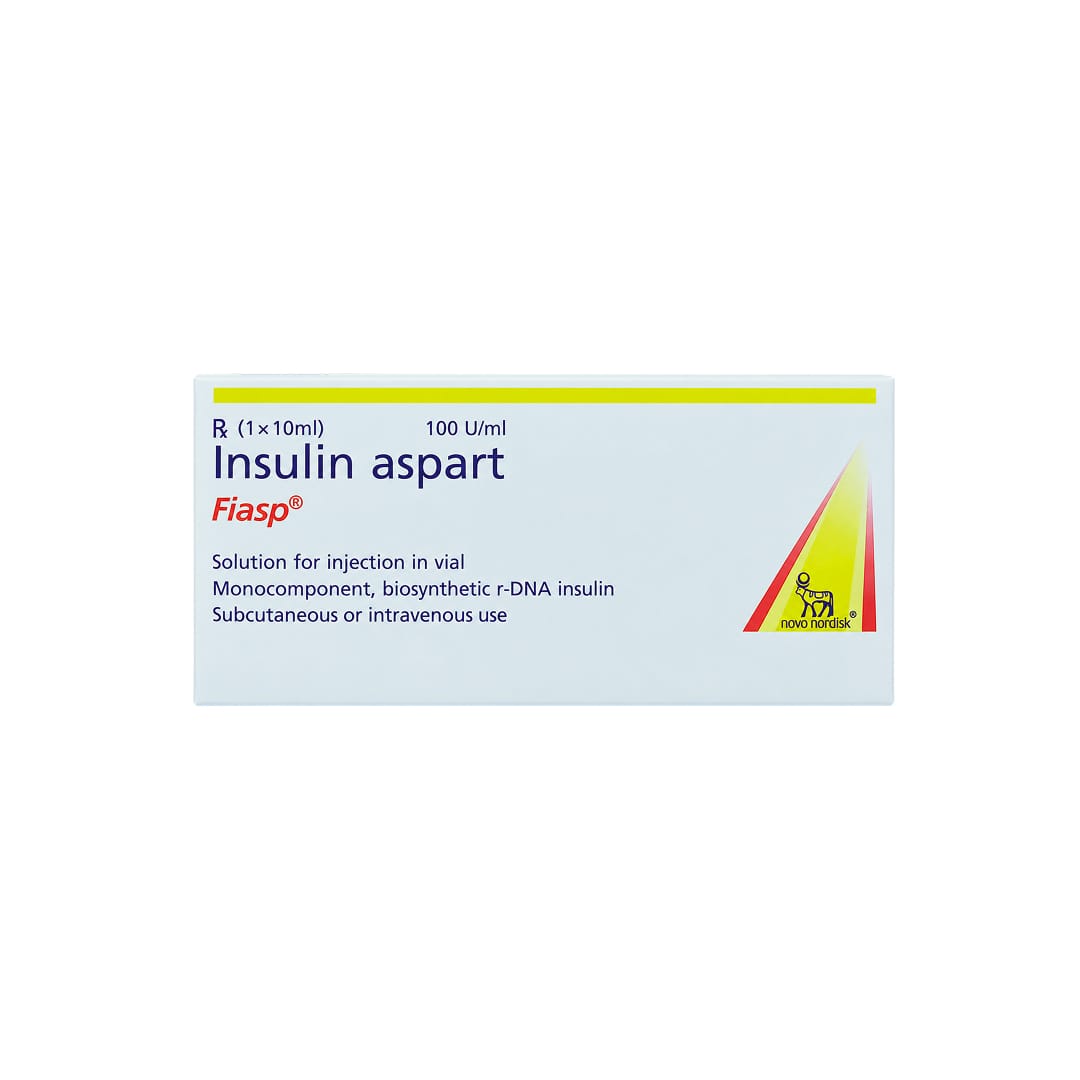
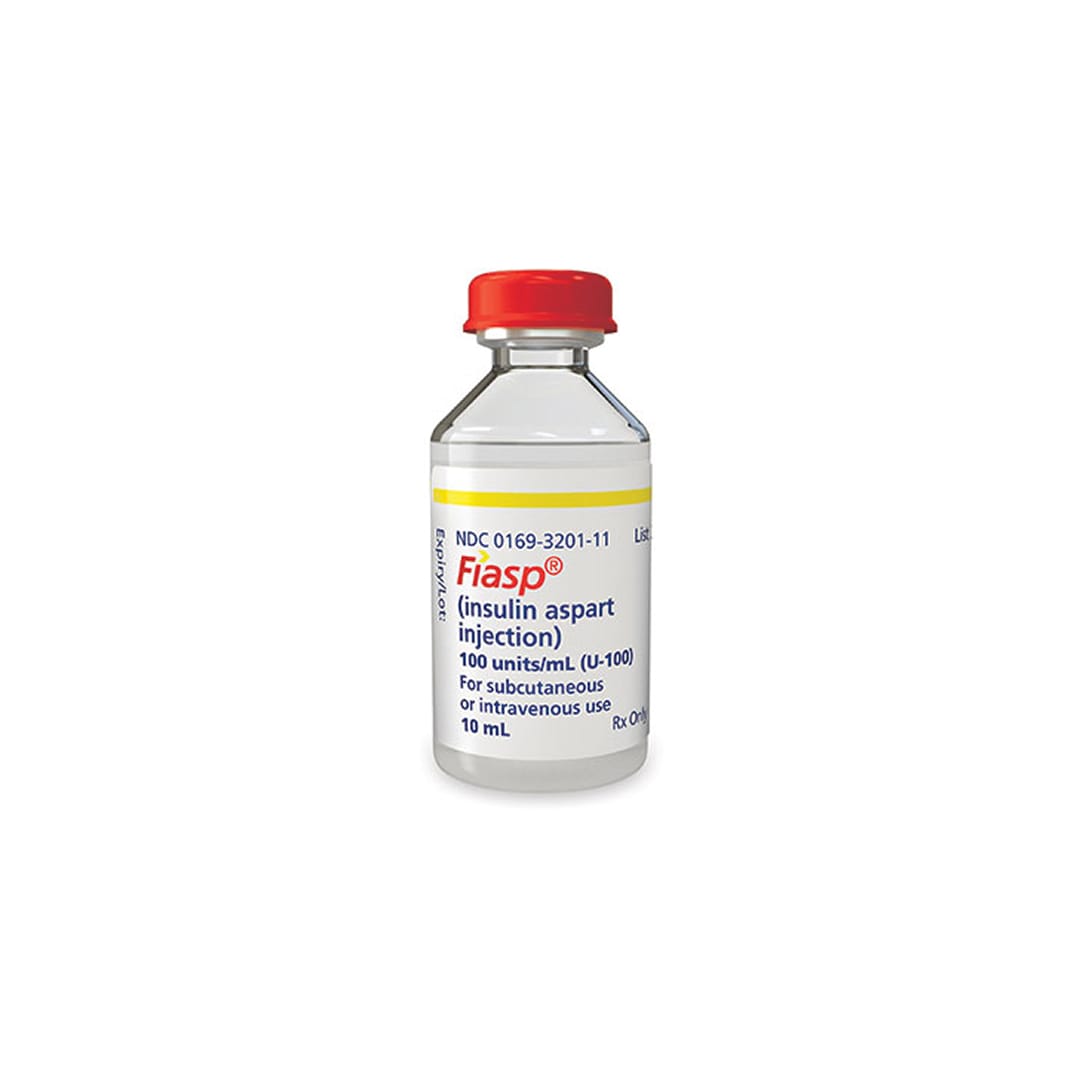
Fiasp Vial
Buy Fiasp Vial Online


Fiasp Vial is a rapid-acting insulin aspart injection supplied as a 100 U/mL vial for diabetes treatment when mealtime insulin is part of a care plan. It can be bought online, with current price and quantity choices shown during ordering. Match the vial form, 100 U/mL strength, and intended use method to the directions from your healthcare professional.
The vial format is commonly used with insulin syringes or compatible insulin pump systems. It is different from a cartridge or prefilled pen, even when the brand and concentration are similar. If you need US delivery from Canada, review the product name, strength, vial quantity, and cold-storage needs before completing the order.
Fiasp Vial Price and Quantity Choices
The Fiasp vial price should be read with the vial count, total volume, and concentration shown during ordering. A lower line amount may not be the better match if the quantity, form, or device format differs from what you use. For insulin, total units and vial count matter as much as the amount displayed beside the product.
Fiasp vials contain insulin aspart injection 100 U/mL. The 100 U/mL concentration means each milliliter contains 100 units of insulin; it does not tell any person how many units to inject. Individual dose, meal timing, correction use, and pump settings must come from the clinical plan you follow.
When looking at Fiasp vial cost without insurance or cash-pay ordering, keep the comparison focused on the same form and strength. Cartridges, prefilled pens, basal insulins, and premixed insulins are not interchangeable purchasing choices unless your clinician changes the treatment plan. The insulin medication category can help you keep vial, pen, and cartridge products organized by insulin type.
| Purchase detail | What to match |
|---|---|
| Product name | Fiasp insulin aspart injection. |
| Strength | 100 U/mL when that concentration is in your directions. |
| Form | Vial, not cartridge or prefilled pen. |
| Quantity | Vial count and total insulin units. |
| Supplies | Syringes, needles, pump reservoirs, or infusion sets may be separate. |
| Handling | Cold storage and visual inspection are part of safe use. |
Quick tip: Compare two insulin prices only after the form, strength, and total quantity match.
How to Buy Fiasp Insulin Vials Online
To buy Fiasp insulin vials online, choose the vial form, review the displayed quantity, and enter the required order information. We may review order details when clarification is needed. Keep clinic and medication information current so the order can be matched accurately to your treatment routine.
Before submission, compare four practical details: brand name, active ingredient, concentration, and form. Fiasp is the brand; insulin aspart is the active ingredient; 100 U/mL is the concentration; and vial is the container format. These details reduce the chance of accidentally choosing a pen, cartridge, or different insulin class.
Rapid-acting insulin should not be substituted based only on price or convenience. Fiasp, NovoLog, NovoRapid, Humalog, Apidra, regular insulin, and basal insulins may differ in ingredient, onset profile, delivery device, label instructions, and clinical role. If your current routine uses a vial with syringes or a compatible pump, make sure the supplies at home also match that route.
What Fiasp Vial Is Used For
Fiasp rapid acting insulin is used to improve blood glucose control in people with diabetes. It is a mealtime insulin, meaning its timing is linked to food intake and glucose monitoring. Official labeling describes administration at the start of a meal or within a short time after starting a meal, but personal timing should follow professional instructions.
In type 1 diabetes, rapid-acting insulin is commonly used with a longer-acting insulin unless a pump regimen is used. In type 2 diabetes, mealtime insulin may be added when non-insulin medicines, basal insulin, meals, activity, or illness patterns make additional glucose control necessary. The broader diabetes condition area explains how different diabetes treatments fit into long-term glucose management.
The vial may be used for subcutaneous injection with an insulin syringe, for certain insulin pump systems, or intravenously only in a supervised medical setting. Pump use requires device-specific instructions, reservoir handling, infusion-set changes, and backup planning. A vial is not automatically appropriate for every pump or every insulin delivery routine.
Product Details to Match Before Checkout
Fiasp insulin vial contains insulin aspart with added formulation components that help support its rapid mealtime use. The solution should be clear and colorless. Do not use a vial if the insulin looks cloudy, thickened, discolored, frozen, or contains particles.
The vial format requires accurate dose measurement. People using syringes need the correct insulin syringe type and clear dose markings. People using pumps need compatible reservoirs and infusion supplies. Delivery devices can affect daily handling, travel planning, and backup insulin routines.
- Brand: Fiasp.
- Active ingredient: insulin aspart injection.
- Concentration: 100 U/mL.
- Form: multidose vial format, not a pen or cartridge.
- Use setting: mealtime insulin use or compatible pump use when directed.
- Appearance: clear, colorless solution before use.
Some people ask whether Fiasp vials are discontinued. Availability can vary by market and supply channel, so rely on the current order status and clinical direction rather than older search results. If your exact insulin form is not suitable for your routine, ask a healthcare professional which alternative should be used instead.
Storage, Handling, and Cold-Chain Delivery
Insulin is temperature-sensitive. Unopened Fiasp vials should be refrigerated according to the product label, protected from freezing, and kept away from direct heat or sunlight. After first use, follow the labeled storage limits and consider marking the opening date if that helps your routine.
Orders that include refrigerated insulin may use prompt, express, cold-chain shipping. On arrival, inspect the package condition, confirm the medication name and concentration, and place the vial into appropriate storage promptly. If a vial has been frozen, overheated, damaged, or appears abnormal, pause use and contact a healthcare professional or pharmacist.
Home storage should protect both insulin and supplies. Do not store vials in a freezer, near a heating vent, on a sunny windowsill, or in a vehicle exposed to extreme temperatures. The rapid-acting insulin category can help distinguish mealtime insulin products from longer-acting insulin products when organizing diabetes medicines.
Travel requires extra planning because vials can break or be exposed to heat and freezing conditions. Keep insulin in protective packaging, avoid direct contact with ice packs unless the case is designed for medicines, and carry enough compatible supplies to measure doses accurately. Keep the medication label accessible in case a clinician, pharmacist, or airport screener needs to identify it.
Side Effects, Warnings, and Monitoring
Low blood sugar, also called hypoglycemia, is the most important risk with rapid-acting insulin. Symptoms may include shakiness, sweating, hunger, fast heartbeat, headache, blurred vision, confusion, weakness, or irritability. Severe hypoglycemia can cause seizures, loss of consciousness, or require emergency treatment.
Do not use Fiasp during an episode of hypoglycemia or after a serious allergic reaction to insulin aspart or any ingredient in the vial. Allergic reactions may include widespread rash, swelling of the face or throat, trouble breathing, dizziness, or severe itching. Seek urgent help for symptoms of a serious reaction.
High blood sugar, or hyperglycemia, can occur if insulin is missed, under-delivered, spoiled, stored incorrectly, or interrupted by a pump problem. Pump users need a backup plan for infusion-set failure or device malfunction. Persistent high readings, ketones during illness, vomiting, or symptoms of diabetic ketoacidosis need prompt clinical attention.
Other possible side effects include injection-site redness, itching, swelling, rash, weight gain, fluid retention, and skin thickening or pitting at repeated injection areas. Rotating injection sites as directed may reduce local skin problems. Insulin can also lower potassium levels in the blood, which may matter more for people using certain medicines or those with electrolyte concerns.
Many medicines can change glucose patterns or insulin needs. Some drugs may increase the chance of hypoglycemia, while others can raise glucose. Beta blockers may hide warning signs such as a fast heartbeat, and alcohol can make glucose patterns less predictable. Thiazolidinediones used with insulin may increase fluid retention and heart failure risk in susceptible people.
Monitoring may include fingerstick checks, continuous glucose monitoring, ketone testing during illness, and records of meals, activity, and correction doses. Do not adjust dose timing, pump settings, or correction factors without professional guidance. The type 1 diabetes and type 2 diabetes sections can help you find condition-specific education to discuss with your care team.
Why it matters: Rapid-acting insulin can affect glucose soon after use, so timing, monitoring, and storage all matter.
Vials Compared With Pens, Cartridges, and Other Insulins
Fiasp vials may be practical for people who already use insulin syringes or compatible pump supplies. Vials are less self-contained than prefilled pens because they require separate supplies and careful drawing or reservoir filling. Cartridges require a compatible reusable pen device and are not the same as vials.
Format changes can affect accuracy, portability, training, and daily routines. A person comfortable with a pen may not have the supplies or technique needed for a vial. A pump user may need vials, but pump compatibility still depends on the device instructions and clinical plan.
Other insulin products may have similar treatment roles but different practical requirements. Rapid-acting insulin analogs are not automatic substitutes for each other, and basal insulin is used for a different purpose. The broader diabetes medications category can help separate insulin from other diabetes medicine classes.
| Insulin format | Practical difference |
|---|---|
| Vial | Used with syringes or compatible pump systems. |
| Cartridge | Used with a compatible reusable pen device. |
| Prefilled pen | Combines insulin and pen hardware in one device. |
| Other rapid-acting insulin | May differ by ingredient, label, device, and timing instructions. |
| Basal insulin | Provides background insulin and is not a mealtime substitute. |
Questions to Ask Before Ordering
Several practical questions can prevent errors with mealtime insulin. Ask whether your routine requires syringes, pump reservoirs, infusion sets, pen needles, or backup insulin supplies. Also ask how to handle missed meals, illness, exercise, travel, and pump interruption if those situations apply to you.
If you are switching from another rapid-acting insulin, ask whether timing, dose, correction rules, or device instructions will change. Fiasp may be used around meals, but individual treatment plans differ. Never assume that the same number of units, same timing, or same device procedure applies across insulin products.
It is also useful to ask how long an opened vial should remain in use, where it should be stored during daily use, and what appearance changes make it unsafe. For general diabetes education, the diabetes articles section can help you prepare focused questions for your next appointment.
Authoritative Sources
Official labeling provides details on identity, concentration, administration routes, storage, contraindications, warnings, and adverse reactions: DailyMed Fiasp prescribing information.
Manufacturer clinical information summarizes Fiasp insulin aspart injection 100 U/mL and its labeled administration options: NovoMedLink Fiasp information.
Before ordering, match the Fiasp vial form, insulin aspart 100 U/mL strength, quantity, supplies, and storage plan to your treatment routine. Small differences between vials, cartridges, pens, and insulin classes can create important differences at home.
This content is for informational purposes only and is not a substitute for professional medical advice.
Research & Education Tool
Fiasp Vial Dosage Calculator
Enter the vial amount, diluent volume, and target amount to estimate concentration, draw volume on a 1 mL U-100 syringe, and approximate vial yield.
For research and educational use only. Check all values against the product label, certificate of analysis, and any applicable professional guidance before relying on the result.
mg
Concentration
-
mcg / mL
Volume per Dose
-
-
Estimated Draws / Vial
-
rounded down to whole draws
Draw Reference
Enter values to estimate the syringe mark.
0
-
-
-
-
Blood Glucose Unit Converter
Convert glucose readings between mg/dL and mmol/L without changing the clinical value.
mg/dL
-
US reporting unit
mmol/L
-
International reporting unit
These calculations are for education only and do not replace clinical advice, diagnosis, or treatment. Always confirm medical decisions with a qualified healthcare professional.
HbA1c & eAG Calculator
Convert between HbA1c percentage and estimated average glucose using the ADAG relationship.
HbA1c
-
percentage
eAG mg/dL
-
estimated average glucose
eAG mmol/L
-
estimated average glucose
These calculations are for education only and do not replace clinical advice, diagnosis, or treatment. Always confirm medical decisions with a qualified healthcare professional.
Carb Serving Calculator
Convert total carbohydrate grams into carb choices for meal planning and diabetes education.
Carb choices
-
total carbs divided by choice size
Rounded choices
-
nearest half choice
Carb calories
-
4 kcal per gram
These calculations are for education only and do not replace clinical advice, diagnosis, or treatment. Always confirm medical decisions with a qualified healthcare professional.
CGM Time-in-Range Summary
Summarise CGM percentages across very low, low, in-range, high, and very high glucose bands.
Entered total
-
should equal 100%
Below range
-
very low plus low
Above range
-
high plus very high
Summary
-
common adult CGM targets vary by patient
These calculations are for education only and do not replace clinical advice, diagnosis, or treatment. Always confirm medical decisions with a qualified healthcare professional.
Customer Reviews
4.9
Based on 12 Reviews
Write a Review
Ask a Question
- Reviews
- Questions
Filter Reviews:
DB
05/13/2026
Dean B.  US
USFiasp
Great! They make the process easy!
05/14/2026
CanadianInsulin.com
Hi Dean! Thank you for trusting Canadian Insulin for your healthcare needs! We’re thrilled to hear that your experience with Fiasp was great and that our process was easy for you. Providing top-quality customer service and making your ordering experience simple and stress-free are always our priorities. We truly appreciate your trust and look forward to continuing to support your healthcare journey!
DB
05/29/2025
Dean B. USPrescription
Canadian Insulin has a great customer service!
06/04/2025
CanadianInsulin.com
Hi Dean,Thank you for your review. We are committed to providing exceptional customer service and are happy to hear you were satisfied. Have a wonderful day!

TH
07/01/2024
Thomas H. USGreat!
Fiasp was all there. The only problem is the ice packs don’t last in the summer. I recommend using 3 ice packs instead of two for the summer heat. Overall it’s legit insulin. Helps in a tight spot if you don’t have insurance in the states.
07/03/2024
CanadianInsulin.com
Hi Thomas,Thank you for your feedback! We're glad to hear that you found Fiasp to be as expected. We appreciate your suggestion regarding the ice packs for summer deliveries and will consider this to improve our service. If you have any questions or need further assistance, please don't hesitate to reach out. We're here to support you.Thank you for choosing Canadian Insulin. Have a great day!
RV
09/07/2023
Richard V. USI recommend this product
Warm on arrival
Fiasp arrived at room temperature or slightly higher. Recommend 4 frozen cooling bags not 2!
09/12/2023
CanadianInsulin.com
Hi Richard,Thank you for bringing this matter to our attention. We apologize for the inconvenience caused by your recent order. We understand the importance of keeping the medication cold for optimal effectiveness.To address this matter, we'll assign someone to reach out immediately to offer suitable solution and uncover any underlying issue to prevent recurrence of the same issue.We look forward to resolving this matter with you and your patience is highly appreciated.
08/10/2023
Anonymous  PR
PRI recommend this product
Great product for the price
Works great for me !
08/21/2023
CanadianInsulin.com
Dear David,Thank you for your feedback. Your satisfaction is important to us. It's wonderful to know that the product is delivering great results for you and meets your expectations especially its value for money.We look forward serving you again in the future. Have a great day!
Express Shipping - from $29.99
Shipping with this method takes 3-5 days
Prices:
- Dry-Packed Products $29.99
- Cold-Packed Products $39.99
Standard Shipping - $19.99
Shipping with this method takes 5-10 days
Prices:
- Dry-Packed Products $19.99
- Not available for Cold-Packed products
What is Fiasp Vial used for?
Fiasp Vial is a rapid-acting insulin aspart injection used to improve blood glucose control in people with diabetes when mealtime insulin is part of the treatment plan. It is commonly timed around meals or used in compatible pump systems as directed by a healthcare professional.
Is Fiasp Vial the same as an insulin pen?
No. Fiasp Vial contains insulin aspart 100 U/mL in a vial and usually requires syringes or compatible pump supplies. A prefilled pen or cartridge uses different hardware, supplies, and handling steps.
What does Fiasp 100 U/mL mean?
Fiasp 100 U/mL means the vial contains 100 units of insulin in each milliliter of solution. It describes concentration only and does not determine an individual mealtime dose.
How should Fiasp vials be stored?
Unopened vials should be refrigerated according to the product label, protected from freezing, and kept away from heat and direct light. Inspect the insulin before use and do not use it if it is cloudy, discolored, frozen, or contains particles.
What are common safety concerns with Fiasp insulin?
Low blood sugar is the main safety concern with rapid-acting insulin. Other possible issues include injection-site reactions, allergic reactions, weight gain, swelling, skin changes at repeated injection areas, high blood sugar from missed or interrupted insulin, and low potassium.
Can Fiasp Vial be used in an insulin pump?
Fiasp Vial may be used in certain insulin pump systems when the device instructions and clinical plan support it. Pump users should follow reservoir, infusion-set, temperature, and backup-plan instructions from their healthcare team and pump manufacturer.
Rewards Program
Earn points on birthdays, product orders, reviews, friend referrals, and more! Enjoy your medication at unparalleled discounts while reaping rewards for every step you take with us.
You can read more about rewards here.
POINT VALUE
How to earn points
- 1Create an account and start earning.
- 2Earn points every time you shop or perform certain actions.
- 3Redeem points for exclusive discounts.
You Might Also Like
Select options
This product has multiple variants. The options may be chosen on the product page
Select options
This product has multiple variants. The options may be chosen on the product page
Select options
This product has multiple variants. The options may be chosen on the product page
Select options
This product has multiple variants. The options may be chosen on the product page