
Please note: a valid prescription is required for all prescription medication.
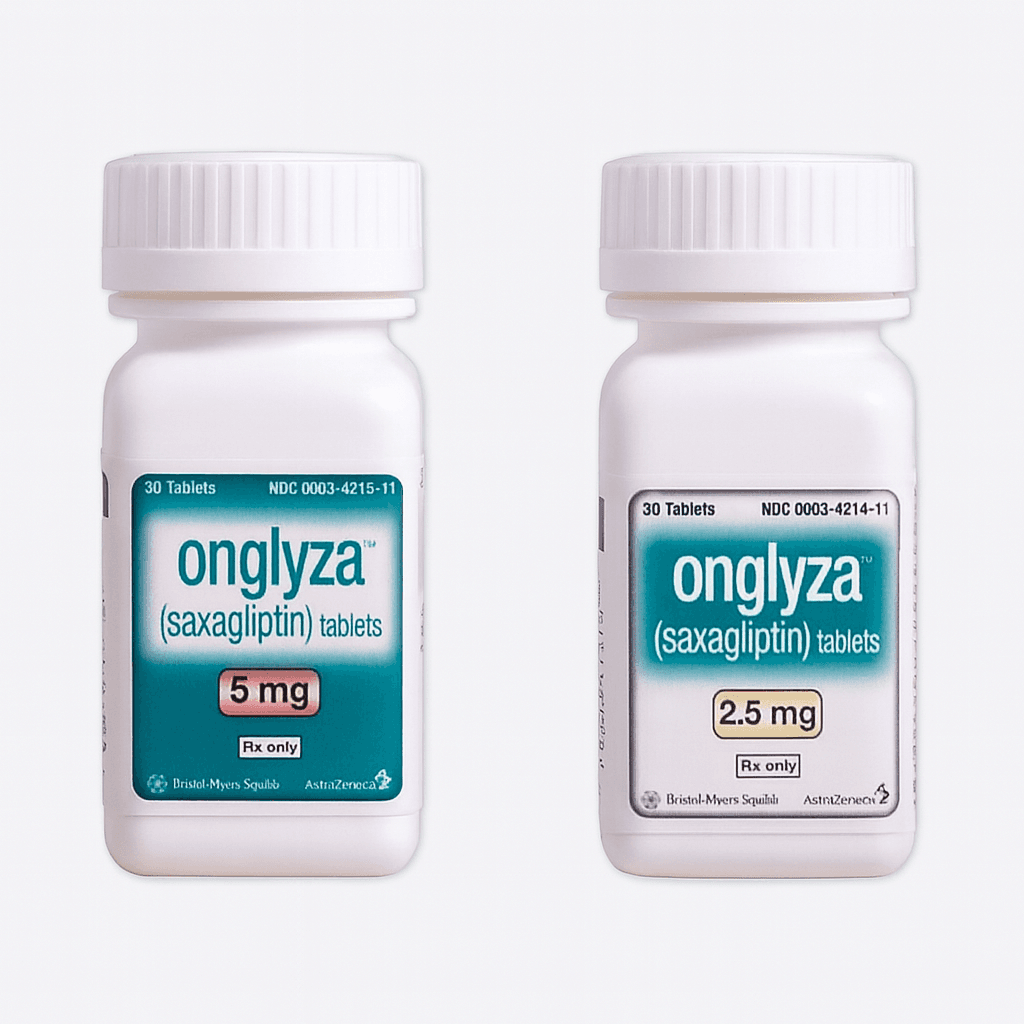
Onglyza
Buy Onglyza Online


Onglyza is a brand-name diabetes medication that contains saxagliptin, a DPP-4 inhibitor used to help manage blood sugar in adults with type 2 diabetes. You can buy Onglyza online, view the current Onglyza price, and choose the tablet strength shown during ordering. Match the strength and quantity to the directions from your clinician, especially when choosing between Onglyza 2.5 mg and Onglyza 5 mg tablets.
Saxagliptin tablets are taken by mouth and are usually considered alongside diet, exercise, and other diabetes medicines when a clinician builds a type 2 diabetes plan. The practical buying decisions are the tablet strength, tablet count, active ingredient, current cost, shipping details, and safety factors that affect daily use.
Onglyza Price, Cost, and Tablet Strengths
The Onglyza price should be read together with the strength and quantity being purchased. A lower total may reflect fewer tablets or a different strength, so the most useful comparison is the exact tablet strength and count you need. If you are paying cash or comparing Onglyza without insurance, focus on the final cart amount after the strength and quantity are chosen.
Onglyza 2.5 mg and Onglyza 5 mg are different strengths of saxagliptin. They should not be treated as interchangeable just because the displayed cost changes. Strength selection can depend on kidney function, other medicines, and individual treatment goals, so the strength should come from your care plan rather than from a price comparison.
| What to compare | Why it matters |
|---|---|
| Tablet strength | Choose the strength that matches your current directions. |
| Tablet quantity | Make sure the count matches the intended supply. |
| Active ingredient | Onglyza contains saxagliptin in each tablet. |
| Current total | Compare cost only after strength and quantity are set. |
| Label information | Review the medication name, strength, and patient details on arrival. |
| Supply planning | Allow time for order processing and US delivery from Canada when relevant. |
Quick tip: Do not choose a different strength only because it changes the displayed total.
How to Order Saxagliptin Tablets Online
Ordering Onglyza online starts with choosing the correct tablet strength and quantity. Use the name Onglyza and the active ingredient saxagliptin to verify that the medicine matches your current diabetes therapy. If your clinician has changed your therapy, use the most recent directions rather than an older bottle or past order history.
Before checkout, keep these details close so the order can be entered accurately:
- Medication name: Onglyza or saxagliptin, as directed.
- Tablet strength: 2.5 mg or 5 mg when those strengths are shown.
- Quantity: the number of tablets you intend to receive.
- Patient name: use the same identifying details used for your care.
- Medication list: include other diabetes drugs, heart medicines, and strong CYP3A4/5 inhibitors.
Onglyza from Canada may be considered by customers comparing cash-pay diabetes medication costs. Shipping language such as Ships from Canada to US describes the service route, not a reason to change your medicine, strength, or monitoring plan. Tablets should still be handled according to the medication label and checked when they arrive.
What Onglyza Treats
Onglyza is used with diet and exercise to help improve glycemic control in adults with type 2 diabetes. Type 2 diabetes is a long-term condition in which the body has difficulty using insulin effectively and keeping blood glucose within target ranges. You can browse broader type 2 diabetes treatment categories to understand where non-insulin medicines fit within diabetes care.
This medicine is not insulin. It is not used to treat type 1 diabetes or diabetic ketoacidosis, which is a serious emergency caused by high ketone levels. If blood sugar is very high, ketones are present, or symptoms such as vomiting, dehydration, deep breathing, or confusion occur, urgent medical care is needed rather than a routine tablet refill.
Some people take saxagliptin alone, while others use it with medicines such as metformin, sulfonylureas, or insulin. Combination treatment can improve glucose management for some adults, but it can also change monitoring needs. The diabetes category can help organize related therapies, though changes to a regimen should be made with a clinician.
How Saxagliptin Works
Saxagliptin belongs to the DPP-4 inhibitor class. DPP-4 inhibitors slow the breakdown of incretin hormones, which are natural chemical messengers involved in insulin release and glucagon control after meals. In plain terms, the medicine helps the body respond to food intake in a way that can support blood sugar control.
DPP-4 inhibitors are oral, non-insulin diabetes medications. They are different from injected insulin, GLP-1 receptor agonists, SGLT2 inhibitors, and older medicines such as sulfonylureas. If you want to view medicines in the same class, the DPP-4 inhibitors category groups related non-insulin options.
Onglyza does not replace meal planning, activity, A1C testing, or home glucose monitoring when those are part of your care plan. It also may not be suitable for every person with type 2 diabetes. Kidney function, a history of pancreatitis, heart failure risk, pregnancy planning, and other medicines can affect whether saxagliptin is appropriate.
Tablet Handling, Storage, and Travel
Onglyza tablets are stored at room temperature according to the product label. Keep the container closed and protect tablets from excess heat, moisture, and direct light. A bathroom cabinet, hot vehicle, or damp travel bag is usually a poor storage place for oral diabetes tablets.
When the package arrives, inspect the label, strength, quantity, and packaging condition before placing the tablets with your other medicines. If the strength, medication name, or patient information does not match your expectations, pause use and ask a healthcare professional for guidance. Do not combine Onglyza 2.5 mg and Onglyza 5 mg tablets in the same bottle, because similar tablets can be confused later.
Travel is easier when tablets remain in their original labeled container. Bring enough medicine for the trip and keep diabetes supplies together when possible. If you also use insulin or other temperature-sensitive products, follow separate storage instructions for those products; Onglyza tablets do not require the same cold-chain handling used for many injectable diabetes medicines.
Side Effects, Warnings, and Monitoring
Common side effects reported with saxagliptin include upper respiratory tract infection, urinary tract infection, and headache. Some people also experience low blood sugar when a DPP-4 inhibitor is used with insulin or an insulin secretagogue such as a sulfonylurea. Symptoms of low blood sugar may include sweating, shakiness, hunger, fast heartbeat, confusion, dizziness, or weakness.
Serious reactions are less common but need prompt attention. Do not ignore severe stomach pain that may spread to the back, because pancreatitis has been reported with medicines in this class. Swelling of the face, lips, tongue, or throat, trouble breathing, severe rash, blistering, or peeling skin can signal a serious allergic or skin reaction and needs urgent medical help.
Heart failure has also been reported in patients taking saxagliptin, especially in people with existing heart or kidney problems. Contact a healthcare professional if you develop new shortness of breath, swelling of the legs or feet, unusual fatigue, or rapid weight gain. Severe joint pain has also been reported with DPP-4 inhibitors and should be discussed promptly.
- Ask about kidney function testing before and during treatment.
- Discuss any history of pancreatitis, gallstones, or high triglycerides.
- Report heart failure symptoms quickly.
- Review hypoglycemia instructions if you also use insulin or a sulfonylurea.
- Keep an updated list of all prescription, OTC, and supplement products.
Why it matters: A current medication list helps reduce avoidable interaction and monitoring problems.
Interactions and Medicines to Discuss
Some medicines can increase saxagliptin exposure. Strong CYP3A4/5 inhibitors, including certain antifungals, antibiotics, and HIV medicines, may require extra review by a clinician or pharmacist. Do not stop or change another medicine on your own to make room for Onglyza.
Other diabetes medicines can change safety monitoring. Insulin and sulfonylureas can increase the chance of hypoglycemia when used as part of a multi-drug diabetes plan. Your clinician may want you to monitor home blood glucose more closely after therapy changes, illness, diet changes, or increased activity.
Regular monitoring often includes A1C testing, kidney function review, and home glucose checks when instructed. If you miss a tablet, follow the patient instructions provided with your medicine or ask a healthcare professional. Taking extra tablets to make up for missed doses can increase the risk of side effects.
How Onglyza Compares With Related Diabetes Options
Onglyza is one choice within the larger group of non-insulin diabetes medications. It may be considered when a clinician wants an oral medicine that works through the incretin pathway. Other type 2 diabetes treatments work differently and may have different effects on weight, heart outcomes, kidney outcomes, low blood sugar risk, and gastrointestinal tolerability.
Related diabetes categories can help you understand the wider treatment landscape. The diabetes medications category includes multiple classes, while the broader diabetes products category may include supplies and therapies used in diabetes care. These categories are useful for orientation, not automatic substitution.
Saxagliptin is sometimes discussed with other DPP-4 inhibitors, such as sitagliptin or linagliptin. Medicines in the same class can still differ in dosing considerations, kidney-related adjustments, interaction concerns, and individual tolerability. If your clinician suggests switching, confirm the medication name, strength, timing, and monitoring plan before ordering a replacement.
Questions to Ask Before Starting or Refilling
Onglyza fits best when the reason for therapy, glucose targets, and monitoring plan are clear. Ask how often to check blood sugar, when the next A1C test is due, and whether kidney function needs repeat testing. If your diabetes plan includes meal changes, weight goals, or exercise changes, ask how those changes may affect glucose readings.
People often ask whether Onglyza causes weight loss. Saxagliptin is not a weight-loss medicine. Weight can change for many reasons in diabetes care, including diet, activity, fluid balance, other medicines, and glucose control. Report unexpected rapid weight gain, swelling, or shortness of breath because those symptoms may point to fluid retention or heart concerns.
Ask what to do during illness, poor oral intake, vomiting, or dehydration. Sick-day plans are especially important for people taking multiple diabetes medicines. Clear instructions can help you know when to keep taking tablets, when to check glucose more often, and when to seek medical help.
Authoritative Sources
Official labeling is the baseline for indications, warnings, contraindications, adverse reactions, and dosing considerations: Official prescribing information for saxagliptin tablets.
Plain-language drug information can support side effect and precautions review: Mayo Clinic saxagliptin oral route information.
Canadian consumer information can help with product-specific storage, safety, and patient-use details: AstraZeneca Canada consumer information leaflet.
This content is for informational purposes only and is not a substitute for professional medical advice.
Blood Glucose Unit Converter
Convert glucose readings between mg/dL and mmol/L without changing the clinical value.
mg/dL
-
US reporting unit
mmol/L
-
International reporting unit
These calculations are for education only and do not replace clinical advice, diagnosis, or treatment. Always confirm medical decisions with a qualified healthcare professional.
HbA1c & eAG Calculator
Convert between HbA1c percentage and estimated average glucose using the ADAG relationship.
HbA1c
-
percentage
eAG mg/dL
-
estimated average glucose
eAG mmol/L
-
estimated average glucose
These calculations are for education only and do not replace clinical advice, diagnosis, or treatment. Always confirm medical decisions with a qualified healthcare professional.
HOMA-IR Calculator
Estimate insulin resistance from fasting glucose and fasting insulin values collected from the same blood draw.
HOMA-IR
-
screening estimate, not a diagnosis
Formula used
-
depends on glucose unit
These calculations are for education only and do not replace clinical advice, diagnosis, or treatment. Always confirm medical decisions with a qualified healthcare professional.
Carb Serving Calculator
Convert total carbohydrate grams into carb choices for meal planning and diabetes education.
Carb choices
-
total carbs divided by choice size
Rounded choices
-
nearest half choice
Carb calories
-
4 kcal per gram
These calculations are for education only and do not replace clinical advice, diagnosis, or treatment. Always confirm medical decisions with a qualified healthcare professional.
Glycaemic Load Calculator
Calculate glycaemic load from glycaemic index and available carbohydrate in a serving.
Glycaemic load
-
GI x carbs / 100
Range
-
single serving estimate
Total carbs used
-
serving carbs x servings
These calculations are for education only and do not replace clinical advice, diagnosis, or treatment. Always confirm medical decisions with a qualified healthcare professional.
Express Shipping - from $29.99
Shipping with this method takes 3-5 days
Prices:
- Dry-Packed Products $29.99
- Cold-Packed Products $39.99
Standard Shipping - $19.99
Shipping with this method takes 5-10 days
Prices:
- Dry-Packed Products $19.99
- Not available for Cold-Packed products
What is Onglyza used for?
Onglyza contains saxagliptin and is used with diet and exercise to help improve blood sugar control in adults with type 2 diabetes. It is not used for type 1 diabetes or diabetic ketoacidosis.
What is the difference between Onglyza 2.5 mg and Onglyza 5 mg?
They contain different amounts of saxagliptin per tablet. The strength should match your clinician’s directions, since kidney function, other medicines, and individual treatment factors can affect strength selection.
Does Onglyza cause low blood sugar?
Onglyza alone is not usually associated with the same hypoglycemia risk as insulin or sulfonylureas, but low blood sugar can occur when it is used with those medicines. Ask how to recognize and treat hypoglycemia if your regimen includes combination therapy.
What side effects should I watch for with saxagliptin?
Common side effects include upper respiratory tract infection, urinary tract infection, and headache. Seek medical help for severe stomach pain, allergic swelling, trouble breathing, blistering skin, severe joint pain, or heart failure symptoms such as swelling and shortness of breath.
How should Onglyza tablets be stored?
Store Onglyza tablets at room temperature as directed on the product label, away from excess heat, moisture, and direct light. Keep tablets in the original labeled container and out of reach of children and pets.
Rewards Program
Earn points on birthdays, product orders, reviews, friend referrals, and more! Enjoy your medication at unparalleled discounts while reaping rewards for every step you take with us.
You can read more about rewards here.
POINT VALUE
How to earn points
- 1Create an account and start earning.
- 2Earn points every time you shop or perform certain actions.
- 3Redeem points for exclusive discounts.
You Might Also Like
Select options
This product has multiple variants. The options may be chosen on the product page
Select options
This product has multiple variants. The options may be chosen on the product page
Select options
This product has multiple variants. The options may be chosen on the product page
Select options
This product has multiple variants. The options may be chosen on the product page