
A valid prescription is required for this medication.
Compare prices. See your savings.
 US comparison
 Canadian comparison
Buy Tradjenta Online
Rx Prescription required Fast, secure shipping
Health tools
Research and education tools. They do not replace clinical advice, diagnosis, or treatment.
Blood Glucose Unit Converter
Convert glucose readings between mg/dL and mmol/L without changing the clinical value.
These calculations are for education only and do not replace clinical advice, diagnosis, or treatment. Always confirm medical decisions with a qualified healthcare professional.
HbA1c & eAG Calculator
Convert between HbA1c percentage and estimated average glucose using the ADAG relationship.
These calculations are for education only and do not replace clinical advice, diagnosis, or treatment. Always confirm medical decisions with a qualified healthcare professional.
HOMA-IR Calculator
Estimate insulin resistance from fasting glucose and fasting insulin values collected from the same blood draw.
These calculations are for education only and do not replace clinical advice, diagnosis, or treatment. Always confirm medical decisions with a qualified healthcare professional.
Carb Serving Calculator
Convert total carbohydrate grams into carb choices for meal planning and diabetes education.
These calculations are for education only and do not replace clinical advice, diagnosis, or treatment. Always confirm medical decisions with a qualified healthcare professional.
Glycaemic Load Calculator
Calculate glycaemic load from glycaemic index and available carbohydrate in a serving.
These calculations are for education only and do not replace clinical advice, diagnosis, or treatment. Always confirm medical decisions with a qualified healthcare professional.
About Tradjenta
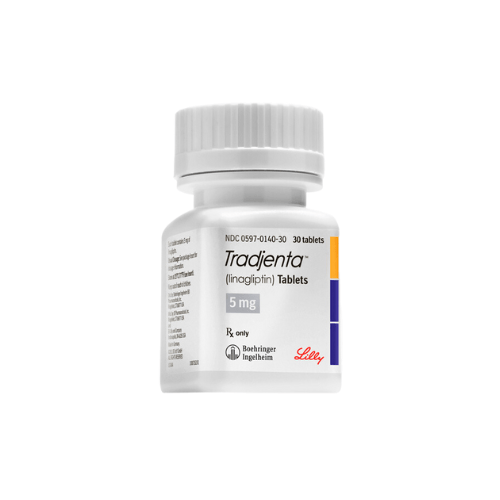
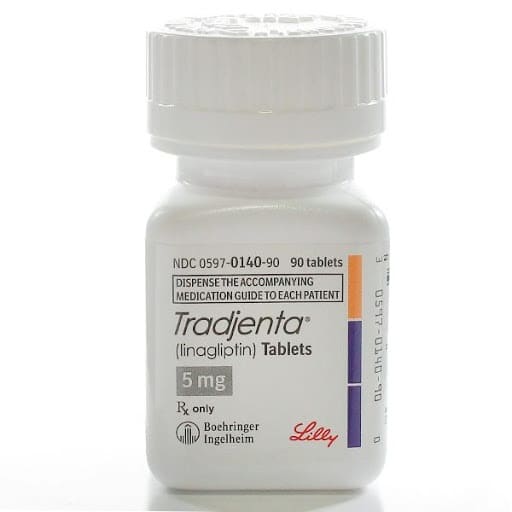
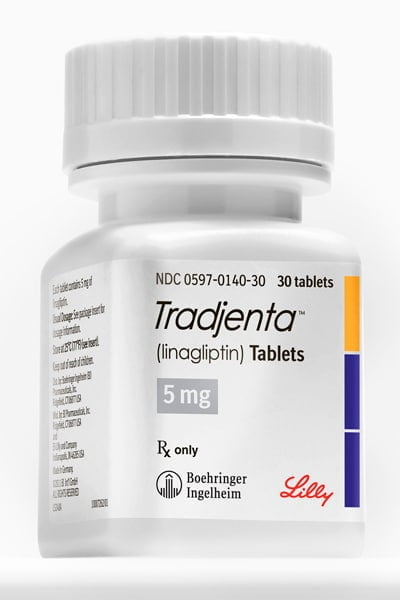
Tradjenta is the brand-name form of linagliptin, an oral diabetes medicine used with diet and exercise to help improve blood sugar in adults with type 2 diabetes. Tradjenta can be bought online, with current pricing shown during ordering and tablet quantity choices matched to your clinician’s directions. The 5 mg tablet strength should be checked against the medicine name, active ingredient, and directions you were given.
Linagliptin belongs to a group called DPP-4 inhibitors, which are non-insulin medicines that help incretin hormones support insulin release after meals and reduce excess glucagon. It is not insulin, not an injectable medication, and not a treatment for type 1 diabetes or diabetic ketoacidosis. If you are considering Tradjenta from Canada for US delivery from Canada, focus first on the correct tablet strength, total quantity, and safe-use information.
Tradjenta Price, Strength, and Tablet Quantity
The Tradjenta price shown during ordering depends on the tablet strength and total number of tablets chosen. Tradjenta 5 mg tablets should be matched to the directions from your clinician before the order is submitted. When different quantities are shown, compare the total tablet count rather than assuming each supply covers the same length of therapy.
Cash-pay situations can make the displayed amount especially important. If you are reviewing Tradjenta without insurance, look at the total cost, quantity, and any handling notes together. A lower line amount may not represent a better value if the package contains fewer tablets or does not match the intended supply.
Quick tip: Match the brand name, linagliptin 5 mg strength, and total tablet count before comparing amounts.
| Ordering detail | How to evaluate it |
|---|---|
| Medicine name | Tradjenta should match the name your clinician intended. |
| Active ingredient | Linagliptin identifies the DPP-4 inhibitor in the tablet. |
| Strength | Tradjenta 5 mg is the tablet strength described for this medicine. |
| Quantity | Use the total tablet count to understand the supply. |
| Payment path | Cash-pay and coverage situations may affect the final amount shown. |
Do not treat a larger quantity as a different dose. The strength tells you how much linagliptin is in each tablet, while the quantity tells you how many tablets are supplied. If the tablet count does not seem to match the treatment period you expected, ask your care team to clarify the directions before continuing.
How to Order Tradjenta Online
To order Tradjenta online, choose the tablet strength shown for the medicine, enter the quantity needed, and provide the requested order information accurately. We may review order details when clinical or documentation information is needed. Accurate patient, medicine, and clinician information helps prevent delays caused by mismatched names, old directions, or incomplete quantities.
The simplest order path starts with the product identity. Tradjenta is linagliptin, so the medicine name and active ingredient should align. If your clinician discussed a DPP-4 inhibitor but named a different medicine, do not substitute Tradjenta on your own; medicines in the same class can have different active ingredients and labeling.
Customers comparing Tradjenta US shipping from Canada should also keep handling differences in mind. Tablet medicines are managed differently from refrigerated diabetes products, so review order notes for each item in the cart instead of assuming one process applies to every medication.
What Tradjenta Treats in Type 2 Diabetes
Tradjenta is used with diet and exercise to improve glycemic control in adults with type 2 diabetes. Glycemic control means the overall pattern of blood sugar management, often measured through daily glucose readings and periodic A1C testing. It is not indicated for type 1 diabetes or diabetic ketoacidosis, a serious condition involving high ketones and uncontrolled blood sugar.
The medicine works by inhibiting DPP-4, an enzyme that breaks down incretin hormones. Incretins help the body release insulin when blood sugar is elevated after meals and reduce glucagon, a hormone that can raise blood sugar. This mechanism makes Tradjenta a non-insulin option within broader diabetes medication plans.
For broader browsing, the Type 2 Diabetes collection groups products connected to this condition. The DPP-4 inhibitors category can also help you distinguish linagliptin tablets from other medicines in the same non-insulin class.
Linagliptin Tablets and How They Differ From Other Diabetes Medicines
Tradjenta tablets contain linagliptin, which is different from metformin, insulin, GLP-1 receptor agonists, and SGLT2 inhibitors. Metformin is a biguanide that reduces liver glucose production and improves insulin sensitivity. Insulin replaces or supplements insulin directly, while GLP-1 and SGLT2 medicines work through different pathways.
Within the DPP-4 inhibitor class, active ingredients still matter. Januvia contains sitagliptin, Nesina contains alogliptin, and Tradjenta contains linagliptin. Class similarity may help frame a conversation, but it does not make the products automatically interchangeable for an individual treatment plan.
The broader non-insulin diabetes medications category can help place Tradjenta among tablet and other non-insulin choices. If you are browsing all diabetes medicines, the diabetes medications category provides a wider view across treatment types.
Use, Timing, and Monitoring Questions
Follow the directions from your clinician and the official labeling for how and when to take Tradjenta. Do not split tablets, change timing, skip doses intentionally, or combine medicines based only on online comparison. If the directions are unclear, ask the clinician or pharmacist responsible for your care before making a change.
Monitoring usually includes home blood glucose checks and periodic A1C testing, depending on your care plan. A1C reflects average blood sugar over several months and helps clinicians assess whether treatment goals are being met. Daily readings can show shorter-term patterns around meals, activity, illness, or medication changes.
Tradjenta is generally considered weight neutral, but individual weight changes can happen for many reasons in diabetes care, including diet, activity, fluid status, other medicines, and changes in glucose control. Report unexpected weight gain, swelling, shortness of breath, or worsening symptoms promptly, especially if you have heart or kidney concerns.
Storage, Handling, and Travel Basics
Store Tradjenta tablets according to the label, typically at controlled room temperature and away from excess moisture. Keep the bottle or package closed when not in use. Avoid transferring tablets into unmarked containers because the label, lot information, strength, and active ingredient may be needed later.
When travelling, keep the tablets in their original container when possible. Carry enough documentation to identify the medicine and strength during travel, clinic visits, or refill discussions. If multiple diabetes medicines travel together, separate them clearly so tablets are not confused with products that require refrigeration.
Orders that contain both tablets and temperature-sensitive diabetes products may involve different handling steps, including prompt, express, cold-chain shipping for items that require it. Tradjenta tablets should still be stored according to their own label, not according to insulin or injectable-product instructions.
Side Effects, Warnings, and Precautions
Before using Tradjenta, tell your clinician about all medical conditions and all medicines you take, including insulin, sulfonylureas, antibiotics, seizure medicines, supplements, and over-the-counter products. A complete list helps identify duplicate diabetes therapy, interaction concerns, and situations that may require closer monitoring.
Common side effects can include stuffy or runny nose, sore throat, cough, and diarrhea. These effects are not the only possible reactions. Contact a clinician if symptoms are persistent, severe, unusual, or occur alongside signs of low blood sugar or allergic reaction.
- Low blood sugar: Risk may increase when Tradjenta is used with insulin or a sulfonylurea.
- Pancreatitis: Severe stomach pain, sometimes with vomiting, needs urgent medical attention.
- Allergy: Hives, swelling, breathing trouble, or throat tightness can signal a serious reaction.
- Skin reactions: Blisters, peeling, or painful skin changes should be assessed promptly.
- Joint pain: Severe or disabling joint pain has been reported with DPP-4 inhibitors.
Tradjenta is contraindicated in people with a history of hypersensitivity to linagliptin or any ingredient in the medicine. Serious hypersensitivity reactions may include anaphylaxis, angioedema, exfoliative skin conditions, hives, or bronchial hyperreactivity. Stop-and-switch decisions should be made with a clinician, especially when other glucose-lowering medicines are involved.
Strong enzyme-inducing medicines such as rifampin may reduce linagliptin exposure. Insulin and sulfonylureas can increase the chance of hypoglycemia when used as part of a diabetes plan. Symptoms of low blood sugar may include shakiness, sweating, hunger, confusion, dizziness, fast heartbeat, or weakness.
Pregnancy, plans to become pregnant, breastfeeding, kidney disease, liver concerns, pancreatitis history, heart failure symptoms, and past allergic reactions should be discussed with your clinician. This information helps determine whether Tradjenta remains appropriate and what monitoring is needed.
Why it matters: Safety review helps ensure the tablet chosen online fits the rest of your diabetes plan.
Comparing Related DPP-4 and Diabetes Options
When comparing Tradjenta with another DPP-4 inhibitor, start with the active ingredient. Linagliptin, sitagliptin, and alogliptin are not the same medicine, even though they belong to the same class. Kidney function, other medications, past side effects, and treatment goals may influence which option a clinician chooses.
Some people ask whether linagliptin is the same as metformin. It is not. Metformin and linagliptin may both be used in type 2 diabetes, but they work through different mechanisms and have different side effect and monitoring considerations. A care plan may include one medicine or more than one, depending on the individual situation.
The Diabetes collection supports browsing across broader condition-related products. For education on diabetes treatment and monitoring topics, the Type 2 Diabetes articles section can help prepare questions for your next appointment.
Authoritative Sources
Official medical references can confirm approved use, contraindications, warnings, and patient safety information alongside your clinician’s directions.
- Official prescribing information describes linagliptin indications, contraindications, warnings, adverse reactions, and tablet strength.
- MedlinePlus linagliptin information summarizes patient-focused precautions, side effects, and safe-use points.
This content is for informational purposes only and is not a substitute for professional medical advice.
This content is for informational purposes only and is not a substitute for professional medical advice.
Customer reviews
Reviews from verified buyers, collected by Stamped.
- Reviews
- Questions
 US
UScustomer service
I've been working with Canadian Insulin for over 1 year... I had an issue with receiving my last order, for some reason, I never got it... I called CI, told them of the situation, and they immediately reshipped the order. Great company, easy to deal with.
CanadianInsulin.com
Hello again Faith,Thank you sincerely for your feedback. We deeply appreciate your loyalty over the past year.Your experience matters greatly to us, and we're delighted we could promptly assist when you faced an issue with your recent order. Your kind words reaffirm our commitment to excellent service and ease of interaction.We look forward serving you again in the future. Enjoy the rest of your day
USservice
Reps are very kind... Still waiting for the balance of my shipment... Ordered approx 3 weeks ago... 2 boxes of tradjenta... Thank you
CanadianInsulin.com
Hi Faith,Thank you for your kind words and appreciation of our Customer Service Team. We sincerely apologize for any delay in receiving your recent order. We understand how important it is for you to receive your order promptly and we would like to make sure you get updates on a timely manner. To address this concern, we'll assign someone to reach you out immediately to offer suitable solution and uncover any underlying issue with your order.We appreciate your patience and hoping to resolve this matter to your satisfaction.Have a great day!
USOK Service
Processing and shipping takes a long time!
CanadianInsulin.com
Hi Faith,Thank you for bringing this matter to our attention. We sincerely apologize for the inconvenience and frustration you have faced. We understand the importance of timely delivery and the need for a more flexible policy.We will take immediate action to improve our prescription process and address the issues you've raised. To do so, we'll assign someone to get in touch with you to gather more details and offer suitable resolution.We appreciate your patience and looking forward to resolving this matter to your satisfaction.Have a great day!
USGREAT SERVICE
Very easy to order from this company... Quick delivery .
CanadianInsulin.com
Hi Faith,Thank you for your order! We're happy to hear that you found our ordering process satisfactory. All we ask for is your support in our constant effort to continue delivering the same quality of service in the future. Please reach out if you need anything.Sincerely, Reyell R
Two ways to ship
Cold-packed medications travel by Express shipping. Dry-packed medications can ship Express or Standard.
Earn points on every order
Earn points on birthdays, product orders, reviews, friend referrals, and more! Enjoy your medication at unparalleled discounts while reaping rewards for every step you take with us.
Register and/or Login
Create an account and start earning.
Earn Rewards
Earn points every time you shop or perform certain actions.
Redeem
Redeem points for exclusive discounts.
Ways to save
We stand behind our prices
We work hard to offer the very best available price. If you find a lower price on the same product, we will match it.
Learn how →Tiered pricingNew tiered pricing is here
Buy more and save more on the medications you trust: save 7% per pack when you buy 2, and 14% per pack when you buy 3 or more.
See tiered pricing →You might also like
View all →
Related articles
View all →
Continuous Glucose Monitoring: How CGMs Fit Diabetes Care
Continuous glucose monitoring is a way to track glucose throughout the day and night with a small wearable sensor. It matters because…
Read more →
Type 1 Versus Type 2 Diabetes: Symptoms, Causes, and Care
type 1 versus type 2 diabetes comes down to why blood sugar rises. In type 1, the immune system destroys insulin-making cells…
Read more →
Is Zepbound for Diabetes or Weight Loss? Uses and Safety
Zepbound is approved for chronic weight management, not as a diabetes-labeled medicine. The reason people ask is Zepbound for diabetes or weight…
Read more →
National Diabetes Heart Connection Day: Heart Risks and Actions
National Diabetes Heart Connection Day is an awareness day focused on the close link between diabetes and cardiovascular disease. It encourages people…
Read more →Speak to us
Our customer service team are highly experienced and friendly. Get in touch today.
What is Tradjenta used for?
Tradjenta is used with diet and exercise to improve blood sugar control in adults with type 2 diabetes. It is not used to treat type 1 diabetes or diabetic ketoacidosis.
Is Tradjenta the same as linagliptin?
Tradjenta is the brand name for linagliptin. Linagliptin is the active ingredient and belongs to the DPP-4 inhibitor class of non-insulin diabetes medicines.
What strength is Tradjenta commonly supplied as?
The supplied product information identifies Tradjenta 5 mg tablets. Match the 5 mg strength and total tablet quantity to the directions from your clinician before ordering.
Can Tradjenta cause low blood sugar?
Tradjenta alone is less commonly associated with low blood sugar, but the risk can increase when it is used with insulin or a sulfonylurea. Ask your clinician how to recognize and manage hypoglycemia.
What side effects should I watch for with Tradjenta?
Common effects may include stuffy or runny nose, sore throat, cough, and diarrhea. Seek urgent care for severe abdominal pain, swelling of the face or throat, breathing trouble, serious skin reactions, or severe joint pain.
How should Tradjenta tablets be stored?
Store Tradjenta tablets according to the package label, generally at controlled room temperature and away from excess moisture. Keep tablets in the original container when possible so the medicine name and strength remain clear.
How does Tradjenta differ from Januvia or Nesina?
They are all DPP-4 inhibitors, but they contain different active ingredients. Tradjenta contains linagliptin, Januvia contains sitagliptin, and Nesina contains alogliptin, so they should not be substituted without clinician direction.
Speak to our team
 Call toll free1-844-560-7790
 Emailservice@canadianinsulin.com
Monday to Friday 7am – 11pm EST
Saturday 7am to 7pm EST
Sunday 8am – 5pm EST