
Please note: a valid prescription is required for all prescription medication.
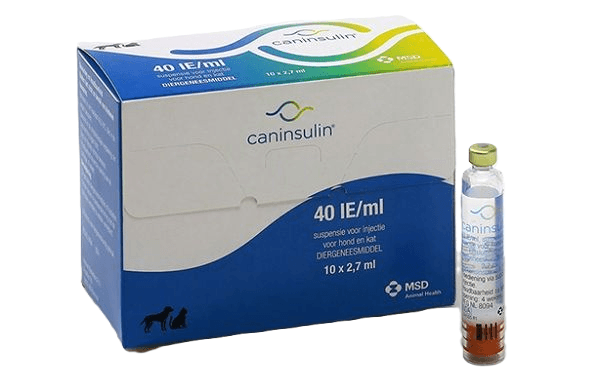
Caninsulin Cartridges
Buy Caninsulin Cartridges Online


Caninsulin Cartridges are veterinary insulin refills for diabetic dogs and cats using the VetPen system. They can be bought online in the cartridge format shown for the product, with the 40 IU/mL strength and 2.7 mL cartridge size matched to your veterinarian’s written directions. Each cartridge format should be chosen by product name, concentration, device compatibility, and quantity rather than by appearance alone.
Caninsulin insulin cartridges contain an intermediate-acting insulin suspension for animal use. The cartridges are intended for VetPen use, not for general human insulin pens, and they differ from vial-and-syringe insulin purchases. If you are arranging US delivery from Canada, match the carton, cartridge wording, and clinic instructions before adding the product to your pet’s routine.
Caninsulin Cartridges Price and Quantity Choices
Caninsulin Cartridges price depends on the cartridge presentation, quantity, and current cash-pay amount shown during ordering. The key product attributes are the 2.7 mL fill volume, 40 IU/mL concentration, and VetPen cartridge format. Cartridges and vials should not be substituted for each other unless the veterinary clinic has specifically changed the written plan and device training.
Each 2.7 mL cartridge contains 108 IU in total. That total helps estimate supply from a known unit amount, but it is not a dose recommendation. How long one cartridge lasts depends on the units given at each injection, the number of injections per day, priming steps, and any device waste explained by your clinic.
- Product format: refill cartridge for the VetPen system.
- Concentration: 40 IU/mL veterinary insulin suspension.
- Cartridge volume: 2.7 mL per cartridge.
- Total insulin: 108 IU per 2.7 mL cartridge.
- Animal-use context: dogs and cats managed by a veterinarian.
- Quantity decision: match the pack count to clinic directions and expected use.
A Caninsulin cartridge 10 pack should be chosen only when that exact pack count appears for the product and fits the veterinarian’s instructions. If you are comparing Caninsulin cartridges cost without insurance, compare the same 40 IU/mL VetPen cartridge format rather than a vial, another insulin concentration, or a similar-looking pen cartridge. Small differences in form or concentration can lead to dosing errors.
Quick tip: Keep the carton label or clinic instructions nearby while choosing the cartridge quantity.
How to Order Caninsulin VetPen Cartridges Online
Order Caninsulin VetPen cartridges by matching four details: product name, 40 IU/mL strength, 2.7 mL cartridge size, and VetPen compatibility. The pet’s name, clinic contact information, and current directions should be consistent with the order details. If the insulin type, device, or dose schedule has recently changed, ask the clinic to update the instructions first.
Order details may be reviewed when product form, quantity, or pet information needs clarification. These checks help prevent mix-ups between cartridges, vials, and different insulin concentrations. They do not replace the treatment plan, and they should not be used to adjust the amount or timing of insulin.
Insulin is temperature sensitive, so prompt, express, cold-chain shipping may be used for handling during transit. Move the cartridges to the storage conditions on the product label after arrival. Keep the packaging until the pack is finished so the product name, concentration, lot details, and storage instructions remain available.
Product Details to Match Before Use
Caninsulin 2.7 mL cartridges are veterinary refill cartridges, not universal insulin cartridges. They are intended for a reusable VetPen device, and the 40 IU/mL concentration differs from many human insulin products supplied as U-100. The device markings, delivered units, and clinic instructions all depend on the correct insulin concentration and pen system.
| Attribute | What to match |
|---|---|
| Product name | Caninsulin cartridge or Caninsulin VetPen cartridges. |
| Form | Suspension for injection in cartridges. |
| Strength | 40 IU/mL veterinary insulin. |
| Cartridge size | 2.7 mL cartridge volume. |
| Device | VetPen-compatible refill cartridge. |
| Animal use | Dogs and cats under veterinary supervision. |
The broader pet medications category can help separate animal-use products from human-use medications, but the cartridge decision should remain specific. For this insulin, the product name, cartridge size, concentration, and VetPen device should all match the veterinary plan.
Before the first injection from a new pack, inspect the carton, cartridge label, and VetPen instructions. Caninsulin is a suspension, meaning fine insulin particles must be evenly distributed in the liquid after gentle mixing. Do not use a cartridge that remains clumped, gritty, discolored, cracked, leaking, frozen, overheated, or uneven after mixing.
VetPen Compatibility and Administration Supplies
VetPen Caninsulin cartridges are designed for the VetPen system. Do not assume that another insulin pen can accept the cartridge, even if the cartridge looks similar. The pen, cartridge, and needle must fit together correctly so the dose measured by the device is delivered as intended.
If your pet previously used a vial and syringe, ask the veterinary clinic how the routine changes with a pen device. Vial use often involves U-40 syringes, while Caninsulin cartridges for VetPen are made for the pen system. Drawing insulin from a cartridge with a syringe can create dosing and contamination problems unless the clinic gives specific written instructions.
Needle type, attachment, priming, and replacement timing should follow VetPen instructions and clinic training. New caregivers should practice the device steps with the clinic before giving insulin alone. If the pen is difficult to prime, the needle bends, or the dose dial does not move normally, pause and ask for help rather than forcing the device.
Caninsulin suspension usually needs gentle rolling or inversion before use so the liquid appears evenly milky. Avoid vigorous shaking because foam can make priming and inspection harder. Priming removes air and confirms that insulin can flow through the needle, but it should be done only as directed because priming uses a small amount of insulin.
What Caninsulin Treats in Dogs and Cats
Caninsulin is used for diabetes mellitus in dogs and cats. Diabetes mellitus is a condition in which the body cannot regulate blood glucose properly, leading to high blood sugar and related symptoms. According to the animal-use monograph, Caninsulin is an intermediate-acting insulin for controlling hyperglycemia associated with diabetes mellitus in dogs and cats.
Caninsulin cartridges for dogs and Caninsulin cartridges for cats should be used only for the pet named in the clinic directions. Pets can respond differently because appetite, body weight, infections, dental disease, kidney disease, stress, activity, and other medicines can change glucose control. The veterinarian may assess response with blood glucose curves, fructosamine testing, urine checks, weight tracking, and symptom review.
Daily observations can be clinically useful. Track thirst, urination, appetite, body weight, energy, coordination, vomiting, missed meals, and behavior around injections. A simple written log helps the clinic identify patterns and helps another caregiver follow the same routine if you are away.
Condition-specific information for canine diabetes and feline diabetes can help you understand common monitoring topics to discuss with the veterinary team. Those resources support education, but the insulin amount, meal plan, and device technique should come from the clinic managing the pet.
How Long a Cartridge May Last
One 2.7 mL Caninsulin cartridge contains 108 IU. The number of days it lasts is calculated from the pet’s instructed units per injection, how many injections are given each day, and any insulin used during priming. For example, a higher daily unit total uses the cartridge faster than a lower daily unit total, but the clinic’s written directions control the actual routine.
Do not stretch a cartridge beyond the storage and in-use directions provided with the product. Insulin can lose suitability if it is kept too long, exposed to heat or freezing, contaminated, or unable to mix evenly. If a cartridge seems to empty sooner than expected, review priming, needle attachment, dose dialing, and leakage with the veterinary clinic.
Running out of insulin can disrupt glucose control. Reorder based on your pet’s daily schedule, the remaining cartridge count, and travel or weekend needs. Do not change doses to make a cartridge last longer, and do not use another pet’s insulin to fill a gap unless a veterinarian instructs you to do so.
Storage, Handling, and Travel
Store unopened Caninsulin cartridges according to the product label, usually refrigerated and protected from freezing, heat, and direct light. Keep the original carton until all cartridges are used. The carton helps identify the product, concentration, lot number, and handling directions if a question comes up.
During use, keep the cartridge and VetPen within the temperature range recommended by the manufacturer or veterinarian. Do not leave insulin in a hot car, near a freezer wall, in direct sunlight, or in checked luggage. If a cartridge may have frozen or overheated, ask the clinic whether it should be replaced before the next scheduled dose.
After travel or delivery, inspect the cartridge before returning it to the routine. Look for cracks, leakage, missing label information, unusual particles, or liquid that does not resuspend into an even milky appearance. A cartridge can look sealed but still be unsuitable if it was exposed to damaging temperatures.
For broader temperature practices, the diabetes articles section includes insulin handling topics that may help frame questions for the clinic. For Caninsulin cartridges, the product label and veterinary instructions should guide the final storage decision.
Safety, Side Effects, and Monitoring
The main safety concern with insulin is hypoglycemia, or low blood sugar. Signs in dogs or cats may include unusual hunger, weakness, trembling, wobbliness, sleepiness, behavior changes, disorientation, seizures, or collapse. Severe signs require urgent veterinary care.
Hypoglycemia risk may rise if a pet receives too much insulin, eats less than usual, vomits, exercises more than expected, or develops another illness. Meals and insulin timing are closely connected for many diabetic pets. Contact the veterinary clinic promptly if appetite, meal intake, vomiting, diarrhea, infection signs, or general health changes occur.
Other concerns can include injection-site irritation, stress during handling, difficulty attaching needles, device priming problems, or inconsistent cartridge mixing. Technique problems can change how much insulin is delivered. If injections become difficult, ask the clinic to observe the VetPen technique rather than guessing at a new method.
Tell the veterinarian about all medicines, supplements, diet changes, and recent health issues. Corticosteroids, progestogens, thyroid medicines, infections, dental disease, kidney disease, and weight changes can affect glucose control. The clinic can decide whether testing, dose review, or follow-up is needed.
Do not change the dose, timing, or device method based on one home reading unless the veterinarian has given a written plan for that situation. Home glucose monitoring can be useful, but it works best when the clinic explains which readings or symptoms require action.
Why it matters: The safest cartridge purchase is the one that matches the device, concentration, and veterinary plan.
Comparing Cartridges, Vials, and Related Insulin Choices
Cartridges, vials, and insulin pens can differ by concentration, action profile, injection device, storage steps, and measurement system. Caninsulin cartridges for VetPen are not the same purchase as a Caninsulin vial used with syringes. If the veterinarian changes from one form to another, ask whether needles, priming, injection training, and supply estimates also change.
Customers comparing insulin categories can browse intermediate-acting insulin or the broader insulin category. These sections help organize different insulin types and forms, but they should not be used to substitute a human insulin or another veterinary insulin for a pet.
The general diabetes category includes diabetes-related products, while diabetes medications groups medicine options more broadly. For Caninsulin Cartridges, the central comparison remains practical: VetPen compatibility, 40 IU/mL concentration, 2.7 mL cartridge size, and the quantity needed for the written schedule.
Authoritative Product Reference
Official animal-use monograph: Caninsulin Cartridge Animal Use describes the formulation, concentration, intermediate-acting insulin context, and labelled veterinary use in dogs and cats.
Use authoritative references together with the cartridge label and your veterinarian’s instructions. Online information can support product identification, storage checks, and device questions, but individualized decisions for a diabetic pet should come from the veterinary team.
This content is for informational purposes only and is not a substitute for professional medical advice.
Blood Glucose Unit Converter
Convert glucose readings between mg/dL and mmol/L without changing the clinical value.
mg/dL
-
US reporting unit
mmol/L
-
International reporting unit
These calculations are for education only and do not replace clinical advice, diagnosis, or treatment. Always confirm medical decisions with a qualified healthcare professional.
HbA1c & eAG Calculator
Convert between HbA1c percentage and estimated average glucose using the ADAG relationship.
HbA1c
-
percentage
eAG mg/dL
-
estimated average glucose
eAG mmol/L
-
estimated average glucose
These calculations are for education only and do not replace clinical advice, diagnosis, or treatment. Always confirm medical decisions with a qualified healthcare professional.
HOMA-IR Calculator
Estimate insulin resistance from fasting glucose and fasting insulin values collected from the same blood draw.
HOMA-IR
-
screening estimate, not a diagnosis
Formula used
-
depends on glucose unit
These calculations are for education only and do not replace clinical advice, diagnosis, or treatment. Always confirm medical decisions with a qualified healthcare professional.
CGM Time-in-Range Summary
Summarise CGM percentages across very low, low, in-range, high, and very high glucose bands.
Entered total
-
should equal 100%
Below range
-
very low plus low
Above range
-
high plus very high
Summary
-
common adult CGM targets vary by patient
These calculations are for education only and do not replace clinical advice, diagnosis, or treatment. Always confirm medical decisions with a qualified healthcare professional.
Carb Serving Calculator
Convert total carbohydrate grams into carb choices for meal planning and diabetes education.
Carb choices
-
total carbs divided by choice size
Rounded choices
-
nearest half choice
Carb calories
-
4 kcal per gram
These calculations are for education only and do not replace clinical advice, diagnosis, or treatment. Always confirm medical decisions with a qualified healthcare professional.
Express Shipping - from $29.99
Shipping with this method takes 3-5 days
Prices:
- Dry-Packed Products $29.99
- Cold-Packed Products $39.99
Standard Shipping - $19.99
Shipping with this method takes 5-10 days
Prices:
- Dry-Packed Products $19.99
- Not available for Cold-Packed products
How long will a Caninsulin cartridge last?
Each 2.7 mL Caninsulin cartridge contains 108 IU. How long it lasts depends on the units given per injection, injections per day, priming steps, and any device waste. Use the veterinarian’s written directions to estimate supply needs.
Where can I buy Caninsulin cartridges for VetPen?
You can buy Caninsulin Cartridges online in the VetPen-compatible cartridge format. Match the product name, 40 IU/mL strength, 2.7 mL size, quantity, and device instructions before use.
What syringes are used with Caninsulin cartridges?
Caninsulin cartridges are intended for the VetPen system, not routine syringe withdrawal. If your pet uses a vial, the clinic may discuss U-40 syringes. Do not change between cartridge and syringe use without veterinary instruction.
Can Caninsulin cartridges be used for cats and dogs?
Caninsulin cartridges are used in dogs and cats under veterinary supervision for diabetes mellitus. Use them only for the pet named in the clinic directions because dose schedules and monitoring needs differ by animal.
What should Caninsulin look like after mixing?
After gentle mixing, Caninsulin should look like an evenly milky suspension. Do not use a cartridge that remains clumped, gritty, discolored, cracked, leaking, frozen, overheated, or uneven after mixing.
Rewards Program
Earn points on birthdays, product orders, reviews, friend referrals, and more! Enjoy your medication at unparalleled discounts while reaping rewards for every step you take with us.
You can read more about rewards here.
POINT VALUE
How to earn points
- 1Create an account and start earning.
- 2Earn points every time you shop or perform certain actions.
- 3Redeem points for exclusive discounts.
You Might Also Like
Select options
This product has multiple variants. The options may be chosen on the product page
Select options
This product has multiple variants. The options may be chosen on the product page
Select options
This product has multiple variants. The options may be chosen on the product page
Select options
This product has multiple variants. The options may be chosen on the product page