

Humulin KwikPen how to use is mainly about safe preparation and consistent technique. Confirm the right pen, attach a new pen needle, prime the pen, dial only the prescribed dose, inject under the skin, hold the dose button for the label-directed count, then remove the needle and dispose of it safely. These steps matter because insulin errors can raise the risk of low blood sugar, missed doses, skin changes, or accidental needle injury.
Your prescription, pen label, and the Instructions for Use that came with your device should lead every injection routine. This overview explains the process in plain language, but it does not replace hands-on training from your diabetes care team.
Key Takeaways
- Use the exact insulin pen prescribed for you.
- Attach a new compatible needle before each injection.
- Prime the pen before injecting to confirm insulin flow.
- Mix cloudy insulin only when the label instructs it.
- Know low blood sugar signs before using insulin.
Humulin KwikPen How to Use: The Basic Sequence
The basic sequence is straightforward, but each step protects against a different error. A pen routine should feel deliberate, not rushed. If any step is unclear, pause and check the manufacturer instructions or ask a clinician, pharmacist, or diabetes educator before injecting.
- Wash and dry your hands before handling the pen.
- Check the insulin name, appearance, expiration date, and pen condition.
- If your specific insulin is cloudy, mix it exactly as the instructions describe.
- Remove the pen cap and attach a new pen needle.
- Prime the pen according to the Instructions for Use.
- Dial the dose prescribed by your clinician.
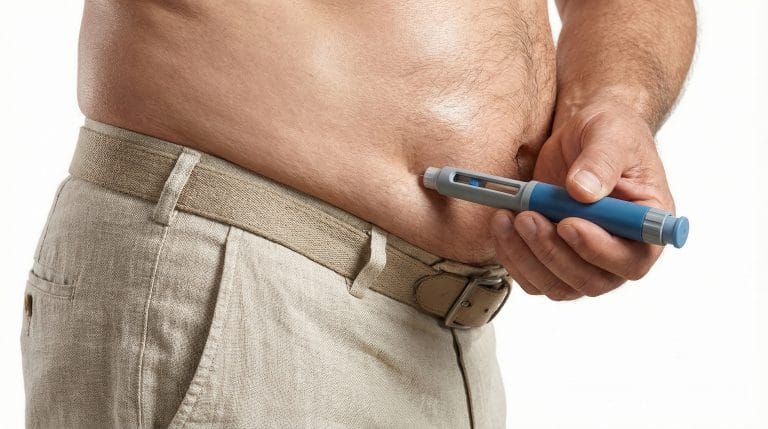
- Inject into a recommended subcutaneous site, meaning under-the-skin tissue.
- Remove the needle, discard it in a sharps container, and recap the pen.
Do not share an insulin pen with another person, even if the needle is changed. Blood can enter the device, and sharing creates infection risk. Also avoid reusing needles. A reused needle can be dull, blocked, bent, or contaminated.
Why it matters: Small technique mistakes can affect comfort, safety, and dose delivery.
Before the First Injection: Confirm Supplies and Labels
A Humulin KwikPen device is not just a generic insulin pen. The exact insulin type matters. Humulin products may include regular insulin, NPH insulin, or premixed insulin depending on the market and prescription. These insulins differ in timing and how they fit around meals or background insulin needs.
For a broader orientation, review Different Types of Insulin and Human Vs Analog Insulin. Those resources can help you understand why two insulin names may sound similar but act differently.
Before injecting, compare the pen label with your prescription. Look at the insulin name, concentration, expiration date, and any instructions about storage or appearance. Do not rely only on pen color, packaging memory, or a refill routine. If the label does not match your prescription, do not use the pen until the discrepancy is resolved.
You also need compatible pen needles, alcohol swabs if recommended in your care plan, a sharps container, and a glucose monitoring plan. Keep supplies together when possible. This reduces the chance of starting an injection and then discovering a missing needle or disposal container.
Preparing the Pen Without Missing Safety Checks
A Humulin KwikPen how to use routine should not start with the dose dial. It starts with inspection. Check whether the insulin should be clear or cloudy, then follow the product-specific instructions. Clear insulin should remain clear. Cloudy insulin formulas are mixed only when the label says they should be mixed.
Clear, cloudy, or clumped
Some NPH or premixed insulin products are naturally cloudy after proper mixing. The goal is an even appearance, not clumps, flakes, particles, or unusual discoloration. If the insulin does not look as described in the official instructions, do not inject it. Ask a pharmacist or prescriber how to replace or assess the pen.
Mixing instructions matter because insulin can settle. Some official instructions describe rolling the pen between the palms and turning it end-over-end before use. Follow the directions for your exact pen, not a general memory from another insulin product.
Needle attachment and priming
Attach a new needle before each injection. Remove the paper tab, place the needle straight on the pen, and secure it as the needle instructions describe. A crooked or loose needle can cause leakage, blocked flow, or discomfort.
Priming removes air and confirms that insulin can flow through the needle. This is sometimes called an air shot or flow check. If insulin does not appear after the priming steps in the official instructions, do not assume the dose will deliver correctly. Check for a blocked needle, replace the needle if instructed, and seek help if flow still does not appear.
Never store the pen with a needle attached. Leaving a needle on the pen can allow leakage, air entry, contamination, or blocked flow. After the injection, remove the needle and store the pen as the label directs.
Injecting With Consistent Pen Technique
The injection step should follow the method shown by your healthcare professional. Common injection areas include the abdomen, thigh, upper arm, or buttock, but your care plan may be more specific. Use the sites your clinician recommends, and rotate within those areas.
Site rotation helps reduce lipodystrophy, which means changes in fatty tissue under the skin. These changes can feel like lumps, thickened areas, or dents. Injecting into these areas may affect insulin absorption. Avoid skin that is bruised, scarred, tender, infected, hard, or unusually swollen unless your clinician has advised otherwise.
After you dial the prescribed dose, insert the needle as taught. Press and hold the dose button until the pen instructions say the injection is complete. Many insulin pen problems happen when the needle is pulled out too soon. If you notice insulin on the skin afterward, do not automatically repeat the dose. Contact your care team for guidance, because repeating insulin can cause low blood sugar.
Once the injection is complete, remove the needle carefully. Place it directly into a sharps container. Do not throw loose needles into household trash. If you do not have a sharps container, ask a pharmacy or local health authority what disposal option applies in your area.
Monitoring, Low Blood Sugar, and When to Pause
Good Humulin KwikPen how to use education also covers what happens after injection. Insulin can lower blood glucose, so monitoring matters. Follow your prescribed testing schedule, whether you use finger-stick readings, a continuous glucose monitor, or both.
Low blood sugar, also called hypoglycemia, can cause shaking, sweating, fast heartbeat, hunger, headache, irritability, confusion, or weakness. Symptoms can vary. Some people have fewer warning signs, especially after repeated lows or long-standing diabetes. Review What to Do When Blood Sugar Is Low for a plain-language safety overview.
If your meter, care plan, or educational materials use different glucose units, this converter can help compare mg/dL and mmol/L. It is a unit tool only and does not advise insulin dosing.
Blood Glucose Unit Converter
Convert glucose readings between mg/dL and mmol/L without changing the clinical value.
These calculations are for education only and do not replace clinical advice, diagnosis, or treatment. Always confirm medical decisions with a qualified healthcare professional.
Seek urgent medical help for severe low blood sugar, seizure, loss of consciousness, or confusion that prevents safe treatment. Also seek prompt help for symptoms of a serious allergic reaction, such as trouble breathing, swelling of the face or throat, widespread rash, or fainting. For more context, see Insulin Allergic Reaction Symptoms.
High glucose also deserves attention, especially if readings stay high, you feel very ill, or you have vomiting, dehydration, fruity breath, rapid breathing, or ketones. Do not change your insulin dose on your own to correct repeated highs or lows. Your care team can assess whether timing, injection technique, food intake, illness, activity, or medication changes are involved.
Common Confusions About Insulin Pens
Many questions about pen use come from practical details. The safest answer is usually product-specific, because labels and pen designs vary. Still, several common concerns have reliable general answers.
| Question | Plain answer | Safer next step |
|---|---|---|
| How many doses are in one pen? | The number of injections depends on the total insulin in the pen and your prescribed dose. | Check the label and do not try to use a pen beyond its available insulin. |
| Why does the insulin look cloudy? | Some NPH or premixed insulins are cloudy after proper mixing, while clear insulins should stay clear. | Use the appearance rules in your pen instructions and ask if you see clumps or particles. |
| What is the 3-hour rule? | This phrase often refers to avoiding repeated correction doses too close together in some diabetes plans. | Ask your clinician how insulin stacking applies to your exact insulin and dosing plan. |
| Which needle size should I use? | Compatible pen needle choice can depend on device fit, comfort, body size, and injection site. | Use the needle type recommended by your prescriber, pharmacist, or diabetes educator. |
| Can I skip priming? | Priming confirms flow and helps remove air before injection. | Follow the official Instructions for Use before each injection. |
The 3-hour rule can be especially confusing because it is not a universal rule for every insulin or every person. It is often discussed with correction dosing and insulin stacking, which means overlapping insulin effects. Humulin regular, NPH, and premixed products may have different timing considerations than rapid-acting insulin analogs. Your own plan should define when to test, eat, correct, or call for advice.
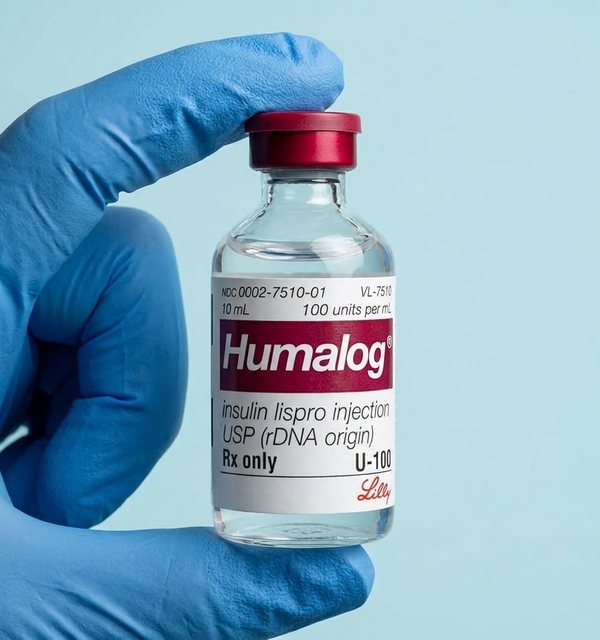
If you are comparing insulin names, Humulin Vs Humalog explains why similar-sounding products are not interchangeable. For tolerability questions, Humulin Side Effects covers common safety themes to discuss with a clinician.
How This Pen Fits With Other Diabetes Treatment Decisions
A pen technique article can explain the mechanics, but it cannot decide whether a Humulin product is right for you. That decision depends on your diabetes type, glucose patterns, meals, activity, other medicines, kidney function, pregnancy status, hypoglycemia risk, and access considerations.
People with diabetes may use insulin alone or with other medications. Some use basal insulin, mealtime insulin, premixed insulin, or non-insulin therapies. For broader context, the Diabetes Medications List explains major medication categories without replacing a personalized treatment plan.
If you are browsing insulin options, the Insulin Medications category is a product hub, not a treatment recommendation. If your prescription specifically involves NPH insulin in this device, the Humulin N KwikPen listing provides product navigation details.
CanadianInsulin.com functions as a prescription referral platform, not as your prescriber. Where required, prescription details may be checked with the prescriber before licensed third-party pharmacy fulfillment, where permitted. That access process does not replace clinical review of dose, timing, or injection technique.
Questions to Ask Before Technique Becomes Routine
Insulin routines become safer when you know what to do before a problem happens. Bring practical questions to your next appointment, especially if you are new to pen devices or changing insulin types.
- Which exact insulin am I using?
- Should this insulin look clear or cloudy?
- When should I take it around meals?
- Which sites should I rotate?
- What readings require urgent contact?
- How should I handle a missed dose?
- What should I do after partial delivery?
- How should I store opened pens?
Quick tip: Keep a written routine near your supplies until the steps feel familiar.
Also ask who to contact for device problems. A blocked needle, damaged pen, or confusing dose window is not something to troubleshoot by guessing. If vision, hand strength, tremor, memory, or fear of needles affects pen use, ask about training tools or caregiver support.
Authoritative Sources
These resources support the pen-use and safety points above:
- Lilly Humulin KwikPen Instructions for Use covers official pen preparation, priming, injection, and disposal steps.
- NIH MedlinePlus Human Insulin Injection Information reviews general human insulin use, precautions, and safety considerations.
- American Diabetes Association Hypoglycemia Information explains low blood sugar signs and treatment concepts.
A reliable pen routine is deliberate and repeatable. Check the label, prepare the pen, prime, inject as taught, monitor your glucose, and ask for help when the device, insulin appearance, or your symptoms do not match expectations.
This content is for informational purposes only and is not a substitute for professional medical advice.