
Please note: a valid prescription is required for all prescription medication.
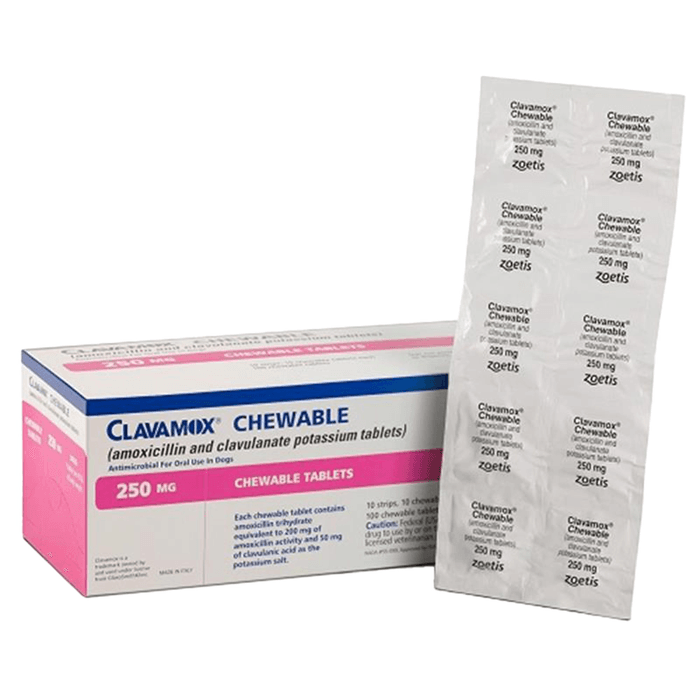
Clavamox
Clavamox for Dogs: Product Overview and Safety
Price:
Price range: $77.99 through $296.99
You save


Clavamox for dogs is a prescription antibiotic that combines amoxicillin with clavulanate to treat certain bacterial infections. Veterinarians prescribe it when the suspected bacteria are likely to be susceptible. This page reviews how it works, basic use patterns, key safety points, and practical handling.
What Clavamox Is and How It Works
Clavamox is an antimicrobial medicine in the penicillin family, formulated as amoxicillin plus clavulanate potassium. Amoxicillin interferes with bacterial cell-wall formation, while clavulanate helps block some beta-lactamase enzymes (bacterial defenses that can inactivate certain antibiotics). When needed, CanadianInsulin can help confirm prescription details with the prescribing veterinarian. This combination may be chosen when a veterinarian suspects organisms that could resist amoxicillin alone.
Clavamox is used for infections caused by bacteria, not viruses or allergies. The decision to use it often depends on the infection site, previous antibiotic exposure, and local resistance patterns. Some patients explore Ships from Canada to US when availability or eligibility differs across locations. Testing, such as a culture and susceptibility, can help confirm whether the bacteria are likely to respond and can guide antibiotic selection. For broader context on infection-focused care pathways, you can browse the Bacterial Infection hub.
Who It’s For
This medicine is commonly prescribed for dogs with suspected or confirmed bacterial infections involving the skin and soft tissue, the mouth and gums, the respiratory tract, or the urinary tract. In practice, a veterinarian may consider Clavamox for dogs when clinical signs and exam findings fit a bacterial pattern and when an antibiotic is appropriate. For urinary complaints, confirming infection (and not stones, inflammation, or endocrine disease) matters because symptoms can overlap.
Dogs with a known allergy to penicillins or cephalosporins may need a different option. Tell the veterinary team if a dog has had hives, facial swelling, or breathing trouble after antibiotics in the past. Extra caution may be needed for pets with significant kidney or liver disease, or for those with recurring gastrointestinal upset, because these factors can affect tolerability and monitoring. If the dog is pregnant, nursing, very young, or geriatric, the prescriber may adjust plans based on risk and benefit.
Dosage and Usage
Dosing is individualized by the veterinarian and is usually based on the dog’s weight, the infection type, and how severe it is. Many regimens use a consistent schedule (often about every 12 hours), followed for the full prescribed duration. For Clavamox for dogs, do not change the dose, frequency, or length of therapy without the prescriber’s direction. Stopping early can leave harder-to-treat bacteria behind, even if the dog looks better.
- Give with food: may reduce stomach upset.
- Use the right tool: measure liquid with an oral syringe.
- Keep a routine: give doses at consistent times.
- Handle missed doses: follow the veterinarian’s instructions.
- Finish the course: unless the prescriber stops it.
Why it matters: Incomplete courses can contribute to relapse and antibiotic resistance.
If vomiting occurs soon after a dose, or if diarrhea becomes persistent, the prescriber may recommend supportive steps or a reassessment. Avoid sharing leftover antibiotics between pets, even in the same household. The infection may be different, and the amount needed can vary by weight and diagnosis. If signs worsen during treatment—such as lethargy, fever, pain, or reduced urination—timely veterinary evaluation is important.
Strengths and Forms
Clavamox may be dispensed as tablets (including chewable forms) or as an oral suspension (liquid). The best form depends on the dog’s size, appetite, and how reliably doses can be given. Some owners refer to the oral suspension as Liquid Clavamox or Clavamox drops, especially when dosing small dogs or puppies. Strength options and packaging can vary by jurisdiction and by the dispensing pharmacy.
Check the prescription label for the exact strength per tablet or per mL and for any preparation notes. For liquids, the label may specify whether the suspension was supplied already mixed or requires reconstitution (adding a diluent before use). Use only the measuring device recommended by the pharmacy, since kitchen teaspoons are not accurate. If a pet spits out chewable medication, ask the veterinary team about safe, consistent alternatives rather than crushing or mixing without guidance.
Storage and Travel Basics
Storage depends on the form dispensed. Tablets are often kept in their original container, tightly closed, away from moisture, and at a controlled room temperature unless the label states otherwise. Many antibiotic suspensions have more specific handling requirements after they are prepared, and the label may include a short beyond-use period. Always follow the storage directions printed on the prescription label.
For travel, keep the medicine in its labeled container so the instructions and identification stay with it. Avoid leaving medications in a hot car, since temperature swings can degrade some products. If the dog takes a liquid, keep the dosing syringe clean and dry between uses and avoid touching the tip to the dog’s mouth to reduce contamination. If any product changes color, develops an unusual odor, or appears separated in a way the label does not describe, confirm next steps with the dispensing pharmacy or prescriber.
Side Effects and Safety
Like many antibiotics, gastrointestinal effects are among the most common tolerability issues. With Clavamox for dogs, mild vomiting, loose stool, or reduced appetite may occur, especially early in therapy. Giving doses with a small meal can help some dogs. Yeast overgrowth or changes in gut flora can also contribute to stool changes during or after a course.
- Ongoing vomiting: risk of dehydration.
- Severe diarrhea: especially watery or bloody.
- Marked lethargy: or weakness that is new.
- Skin reactions: hives, itching, facial swelling.
- Breathing changes: urgent evaluation needed.
Quick tip: Keep a simple log of doses and side effects.
Serious allergic reactions can occur with penicillin-class drugs and can be life-threatening. Seek urgent veterinary care for facial swelling, collapse, pale gums, or labored breathing. Persistent diarrhea can also become serious, particularly in small dogs, seniors, or pets with other illnesses. If adverse effects occur, the prescriber may advise pausing treatment, switching antibiotics, or testing for a different cause of symptoms. Do not restart after a reaction unless a veterinarian explicitly directs it.
Drug Interactions and Cautions
Provide the veterinarian with a complete medication and supplement list, including preventives, over-the-counter items, and herbal products. Antibiotic choice and monitoring can be influenced by other drugs that affect the gastrointestinal tract, kidney function, or bleeding risk. Keeping an updated list is a useful habit for any chronic condition; for an example of how medication classes differ, see Common Diabetes Medications. If probiotics are used, the prescriber may suggest spacing them away from antibiotic doses.
Clavamox is not appropriate for every infection, even when signs look “bacterial.” Ear disease, for example, may involve bacteria, yeast, inflammation, or parasites, and topical therapy might be preferred. Recurrent urinary issues may warrant culture testing, imaging, or evaluation for contributing diseases. If a dog has a history of antibiotic-associated diarrhea or suspected inflammatory bowel disease, the veterinary team may tailor supportive care and may monitor more closely during treatment.
Compare With Alternatives
Veterinarians choose antibiotics based on likely pathogens, infection location, patient factors, and test results when available. Clavamox for dogs is one option, but it is not interchangeable with other antibiotics without veterinary oversight. For example, a prescriber may consider a cephalosporin for certain skin infections or a tetracycline for specific organisms, depending on clinical context. See product information for Cephalexin and Doxycycline for general comparisons of form and class.
| Option type | General notes |
|---|---|
| Penicillin plus inhibitor | Often selected when beta-lactamase coverage is desired. |
| Cephalosporin | May be used for some skin and soft tissue infections. |
| Tetracycline | Used for certain susceptible bacteria and tick-borne infections. |
Other antibiotic classes (such as fluoroquinolones or nitroimidazoles) may be considered for specific infections or resistant organisms, but they also have distinct safety profiles and stewardship considerations. Culture and susceptibility testing can reduce trial-and-error and may limit unnecessary exposure. When a dog has repeated infections, discussing prevention strategies (skin care, dental care, bladder health, and underlying disease screening) can be as important as antibiotic selection.
Pricing and Access
Access to this medication typically requires a valid veterinary prescription. Out-of-pocket cost can vary with the dispensed form, the strength, the quantity, and whether pet insurance reimburses part of the expense; many families pay cash-pay, including those without insurance. Dispensing is handled by licensed third-party pharmacies where permitted. If a dog has allergies or prior adverse reactions, the prescriber may document alternatives, which can also affect what is dispensed.
Prescription details may need verification, especially when a record is incomplete or a strength/form substitution is requested. This can include confirming the patient name, directions, and prescriber credentials before the pharmacy prepares the medication. For readers interested in infection-related product browsing, you can review the Infectious Disease selection or the broader Pet Medications hub. For educational browsing, the Infectious Disease article category may also be helpful.
Some people also look for general guidance on avoiding suspect medications and packaging; the discussion in Illegal Weight Loss Pills covers common warning signs that can apply broadly. If a stable informational listing is available, Promotions Overview may describe current programs in general terms. Cross-border fulfilment can be considered in some cases, depending on eligibility and local regulations.
Authoritative Sources
These references provide background on antimicrobial use, resistance, and veterinary stewardship. They can help you interpret why culture testing, appropriate antibiotic selection, and completing therapy are emphasized in veterinary practice.
For general regulatory and clinical context, the following sources are widely used by clinicians and pharmacists:
- For U.S. animal-drug information, see FDA Animal Drugs @ FDA.
- For pharmacology overview, review Merck Veterinary Manual penicillins.
- For stewardship principles, read AVMA antimicrobial stewardship core principles.
When a prescription is validated and dispensing is permitted, partner pharmacies may use prompt, express, cold-chain shipping when temperature control is required.
This content is for informational purposes only and is not a substitute for professional medical advice.
Express Shipping - from $25.00
Shipping with this method takes 3-5 days
Prices:
- Dry-Packed Products $25.00
- Cold-Packed Products $35.00
Standard Shipping - $15.00
Shipping with this method takes 5-10 days
Prices:
- Dry-Packed Products $15.00
- Not available for Cold-Packed products
What is Clavamox used for in dogs?
Clavamox is a veterinarian-prescribed antibiotic used to treat certain bacterial infections in dogs when the bacteria are expected to be susceptible. It is commonly considered for infections involving skin and soft tissue, the mouth and gums, the urinary tract, and sometimes the respiratory tract. Because symptoms can overlap between bacterial and non-bacterial problems, a veterinarian may use an exam, history, and sometimes culture testing to confirm that an antibiotic is appropriate and to select the best option.
Can Clavamox be used for a dog urinary tract infection?
Clavamox is sometimes prescribed for urinary tract infections in dogs, but it is not the right choice for every urinary problem. Straining, frequent urination, accidents, or blood in the urine can also be caused by bladder stones, inflammation, or other diseases. A urinalysis and, in many cases, a urine culture help confirm infection and identify which antibiotics are likely to work. Follow the veterinarian’s directions closely and complete the full course unless told otherwise.
How should I give Clavamox to my dog?
Follow the prescription label exactly, since directions depend on your dog’s weight, the infection type, and the chosen form (tablet, chewable, or liquid). Many dogs tolerate doses better with food, but the prescriber’s instructions take priority. Use an oral syringe or measuring device for liquids rather than household spoons. If a dose is missed or the dog spits out medication, do not double the next dose unless the veterinarian instructs you to do so.
What are common side effects of Clavamox in dogs?
The most common side effects are gastrointestinal, such as decreased appetite, vomiting, or diarrhea. These effects are often mild, but they can become more serious if they persist or lead to dehydration, especially in small dogs or seniors. Allergic reactions are less common but can be dangerous; watch for hives, facial swelling, intense itching, or breathing difficulty. Contact a veterinarian promptly if side effects are severe, worsening, or accompanied by lethargy or weakness.
What should I do if my dog vomits after a dose?
If a dog vomits after taking a dose, the safest next step is to contact the prescribing veterinarian or clinic for instructions. Whether a dose should be repeated depends on timing, the dog’s condition, and the infection being treated. In some cases, giving medication with a small meal may help reduce nausea, but you should not change directions without veterinary guidance. Seek urgent care if vomiting is repeated, the dog cannot keep water down, or there are signs of dehydration or weakness.
What should I ask my veterinarian before starting Clavamox?
Useful questions include what infection is being treated, whether a culture or other testing is recommended, and what improvement should look like over time. Ask how long the course should be, what to do if a dose is missed, and which side effects need a call versus urgent evaluation. It also helps to review your dog’s full medication list, past antibiotic reactions, and any kidney, liver, or gastrointestinal history. Confirm storage instructions, especially if you receive a liquid suspension.
Rewards Program
Earn points on birthdays, product orders, reviews, friend referrals, and more! Enjoy your medication at unparalleled discounts while reaping rewards for every step you take with us.
You can read more about rewards here.
POINT VALUE
How to earn points
- 1Create an account and start earning.
- 2Earn points every time you shop or perform certain actions.
- 3Redeem points for exclusive discounts.
You Might Also Like
Select options
This product has multiple variants. The options may be chosen on the product page
Select options
This product has multiple variants. The options may be chosen on the product page
Select options
This product has multiple variants. The options may be chosen on the product page
Select options
This product has multiple variants. The options may be chosen on the product page
Related Articles
Weight Management
Generic Zepbound: Availability, Status, and Options
Key Takeaways Patients and caregivers often search for generic zepbound when they need a clear answer about availability, labeling, and lower-cost access. The term is common online, but it does…
Type 2 Diabetes,
Oral Wegovy Explained: Facts, Risks, and Access Options
The phrase oral wegovy is best understood as a search term, not a settled product name. Most people use it to mean a pill version of semaglutide for weight management,…
Diabetes, General Health,
Glp-1 Drugs Over The Counter: What’s Real And What’s Not
Key Takeaways Prescription GLP-1 medicines are not sold as true OTC drugs. Many “GLP-1” supplements aim to support fullness, not mimic prescriptions. Online “no prescription” offers raise counterfeit and quality…
Diabetes, Type 2
GLP-1 Cost Without Insurance: Compare Cash-Pay Options
Key Takeaways Many people searching for glp-1 cost without insurance are trying to plan for a long-term expense. The total can change based on the drug, the pharmacy, and how…