
Shipping with this method takes 3-5 days
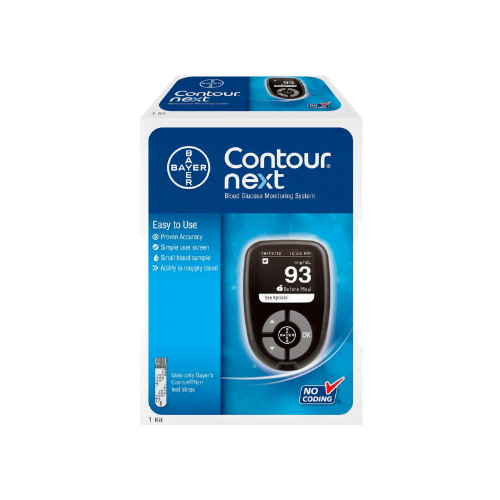
Contour Next Meter
Buy Contour Next Meter Online


Contour Next Meter is a finger-stick blood glucose meter used with compatible test strips and a lancing device to measure capillary blood sugar. It can be ordered online for home diabetes monitoring, with the device quantity and any related supplies matched to the testing routine your clinician recommends. If US delivery from Canada is part of your purchase decision, keep the meter model and supply requirements consistent with your diabetes care plan.
The Contour Next glucose meter belongs to the Contour Next blood glucose monitoring system. Similar model names can look alike, so the exact meter name, strip compatibility, and kit contents matter when you are choosing a device for daily use or replacing an older meter.
Contour Next Meter Price and Supply Costs
The Contour Next Meter price should be considered together with what you need to start or continue testing. A meter alone, a meter kit, and ongoing supplies can create different totals. The most useful comparison is the full testing setup you will actually use at home, not the device cost by itself.
For many people, ongoing test strips and lancets become the larger long-term expense. A low device cost may not help if compatible strips are difficult to maintain, while a kit may be practical when the included supplies match your routine. If you are paying cash or buying without insurance, look at the displayed total for the meter, the quantity, and the supply items you plan to add.
- Meter only: suitable when you already have compatible supplies and a working lancing device.
- Meter kit: useful when included starter items match your testing setup.
- Test strips: needed for each finger-stick blood glucose reading.
- Lancets: single-use sharps that must fit the lancing device.
- Control solution: used only when the meter instructions call for a system check.
Quick tip: Compare the device and routine supply needs together so the cart reflects real-world use.
How to Order the Meter Online
Order Contour Next Meter online by choosing the meter model and quantity that match your home monitoring plan. Review whether the item is a standalone meter or a kit, then add compatible supplies only when they are needed for your current setup. We may review order details when extra information is needed to help match the order to the device and quantity requested.
Close model names can cause ordering errors. A Contour Next One Meter, Contour Next Gen Meter, Contour Next EZ meter, and another Contour family device may not use identical features, accessories, or setup steps. The name on the box and the compatible strip system should match what you use at home.
| Order checkpoint | What to confirm |
|---|---|
| Meter model | Use the exact Contour Next name rather than the general Contour family name. |
| Kit contents | Look for whether a lancing device, lancets, case, or starter strips are included. |
| Strip system | Match test strips to the meter system before adding supply refills. |
| Quantity | Make sure the order reflects one meter, a kit, or separate accessories as intended. |
| Testing routine | Follow the schedule and action plan given by your diabetes care team. |
The blood glucose monitors category can help you compare meter-style choices without mixing them with medications or unrelated diabetes supplies.
Meter System Details That Affect Use
The Contour Next blood glucose meter uses a small blood sample from a finger stick and displays a glucose reading. The result can support day-to-day diabetes decisions when technique, strip handling, and timing are consistent. The meter does not diagnose diabetes by itself and does not replace laboratory testing when your clinician orders it.
A blood glucose monitoring system works as a meter-and-strip combination. The meter reads the sample through the strip, so incompatible, expired, or poorly stored strips can produce unreliable results. The lancing device and lancets are separate parts of the testing process, but they also need to fit your routine and be used safely.
| Component | Why it matters |
|---|---|
| Meter | Reads the strip sample and displays the glucose result. |
| Test strips | Must be compatible with the meter system and within expiry. |
| Lancing device | Holds the lancet used to obtain a finger-stick blood drop. |
| Lancets | Single-use sharps that should be changed as directed. |
| Control solution | Helps check system performance when used according to the manual. |
| Case or logbook | Supports storage, organization, or tracking depending on the kit. |
Product photos can sometimes show accessories for context. The contents that matter for your order are the meter model, quantity, and specific components included with the device or kit.
Compatible Strips, Lancets, and Kit Contents
Contour Next Meter strips are central to accurate testing because the system is validated around compatible strips. Match the strip label to the meter model, keep strips capped, and do not use strips after the expiration date. If a vial has been exposed to moisture, heat, or uncertain storage conditions, readings may be less dependable.
A Contour Next Meter Kit may reduce the need for separate starter supplies when the included components fit your testing habits. However, a kit is not automatically better than a meter-only choice. It depends on what you already own, how often you test, and whether the included lancing device and supplies match your needs.
- Before first use: read the meter guide for setup, battery, and error-message instructions.
- Before each test: wash and dry hands to reduce contamination from food or moisture.
- After opening strips: close the vial promptly and store it as directed.
- When results seem wrong: repeat the test only as directed and contact a healthcare professional if readings or symptoms are concerning.
Broader diabetes supplies may include items used with home monitoring, injection routines, or sharps handling. Keep meter accessories separate from medication supplies so testing steps stay organized.
What the Meter Is Used For
A Contour Next diabetes meter is used by people who need finger-stick blood glucose monitoring. It may be part of care for type 1 diabetes, type 2 diabetes, gestational diabetes, or another clinician-directed glucose monitoring plan. The meter gives a point-in-time capillary blood glucose reading rather than a continuous trend.
Home readings can help you discuss meals, activity, illness, medication timing, or insulin decisions with your care team. They are most useful when recorded with context, such as time of day, symptoms, food intake, exercise, and medication use. Your personal target range and testing frequency should come from a clinician who knows your health history.
The diabetes condition area provides broader context on diabetes care topics, while type 1 diabetes and type 2 diabetes sections can help frame why monitoring routines differ between people.
The meter should not be used to ignore symptoms. If you feel shaky, confused, faint, very thirsty, nauseated, or unusually weak, treat the symptoms and reading as a safety issue and follow your clinician’s instructions for urgent situations.
Using Finger-Stick Results Responsibly
Finger-stick glucose results depend on correct technique. Food residue on fingers, wet hands, an insufficient blood sample, expired strips, or damaged supplies may affect readings. Temperature and humidity can also influence the performance of strips and electronics when supplies are stored outside the conditions in the user guide.
If a result does not match how you feel, follow the meter instructions for repeat testing or error messages. Do not change insulin doses, diabetes medicines, meal plans, or testing frequency based only on a single unexpected number from a product purchase. Bring repeated unusual results or device problems to a healthcare professional.
Why it matters: A meter reading is safest when the number, symptoms, technique, and care plan make sense together.
Safety, Sharps, and When to Seek Help
The Contour Next glucometer itself is a monitoring device, but safe use still matters. Lancets are sharps and should not be reused by multiple people. Used lancets should go into an appropriate sharps container or other disposal method recommended in your area. Sharing a lancing device can expose users to blood-borne infection risk.
Know the symptoms your care team wants you to act on. Low blood sugar may cause sweating, trembling, hunger, fast heartbeat, confusion, irritability, or fainting. High blood sugar may cause thirst, frequent urination, fatigue, blurred vision, nausea, or abdominal discomfort. Some people have fewer symptoms, so individualized thresholds are important.
Seek urgent medical help for severe symptoms, loss of consciousness, seizure, persistent vomiting, confusion, suspected diabetic ketoacidosis, or readings your clinician has identified as emergency levels. Repeated error messages, damaged strips, or results that remain inconsistent after proper technique should also be discussed with a healthcare professional.
- Do not share: keep lancing devices and lancets for one person only.
- Use fresh lancets: follow your care plan and device instructions for lancet changes.
- Handle blood carefully: clean the testing area and wash hands after testing.
- Keep records: note readings that are unusual, repeated, or linked with symptoms.
Storage, Handling, and Travel
Store the meter and strips according to the manufacturer’s instructions packaged with the device. Most home meters should be kept dry, protected from direct sunlight, and away from extreme heat or cold. Bathrooms, hot cars, freezing luggage compartments, and damp cabinets are poor places for strip storage.
This type of device is not usually a refrigerated product and does not typically require cold-chain handling. The more important issues are moisture protection, temperature control, battery readiness, and keeping strips with the correct meter. For travel, pack the meter in a protective case and keep extra supplies accessible when appropriate.
US shipping from Canada may be relevant for customers organizing ongoing diabetes supplies, but delivery planning should not replace backup testing supplies at home. If you travel often, ask your care team how many strips and lancets to carry and how to handle readings during schedule changes, illness, or time-zone shifts.
- Keep strips sealed: close the vial immediately after removing a strip.
- Protect the meter: avoid impact, dust, moisture, and extreme temperatures.
- Check batteries: replace them according to the device guide.
- Pack a backup: carry extra strips and lancets when your care plan requires frequent testing.
Comparing Finger-Stick Meters and Related Monitoring Choices
A Contour Next blood glucose meter provides a direct finger-stick reading at the time of testing. A continuous glucose monitor, often worn on the body, estimates glucose trends between readings using a sensor. Some people use only a meter, while others use a meter alongside a sensor depending on clinical advice, coverage, comfort, and supply access.
When choosing between meter systems, focus on the features that affect daily use. Readability, blood sample handling, memory features, battery needs, strip supply, and ease of obtaining lancets can matter more than small differences in device appearance. A meter that is easy to use correctly may support more consistent monitoring.
The broader diabetes products category can help you separate monitoring supplies from insulin, non-insulin medicines, and other treatment items. For education by topic, the diabetes articles section can help with practical background to discuss with your care team.
| Choice factor | Why it matters |
|---|---|
| Strip availability | The meter is only useful if compatible strips are maintained. |
| Display and buttons | Readable numbers and simple navigation can reduce testing errors. |
| Sample handling | Consistent blood-drop technique supports more dependable readings. |
| Memory or logging | Stored results or written logs help clinical follow-up. |
| Routine fit | The best system is one you can use correctly and consistently. |
Authoritative Use References
The user guide packaged with the Contour Next meter should be the primary source for setup, operating steps, batteries, cleaning, error messages, control testing, and device limitations. Manufacturer materials can differ across Contour Next One, Contour Next Gen, Contour Next EZ, and other model names, so follow the instructions for the device in hand.
For clinical targets, testing frequency, sick-day instructions, and actions after unusual readings, use the plan provided by your diabetes care team. Recognized diabetes organizations and public health guidance generally emphasize that home glucose readings should be interpreted with symptoms, timing, medications, meals, and individualized treatment goals.
Bring the meter or log records to appointments when readings are difficult to interpret. Your clinician can help decide whether technique, strip handling, medication changes, illness, or another factor may explain repeated highs, lows, or unexpected results.
This content is for informational purposes only and is not a substitute for professional medical advice.
Blood Glucose Unit Converter
Convert glucose readings between mg/dL and mmol/L without changing the clinical value.
mg/dL
-
US reporting unit
mmol/L
-
International reporting unit
These calculations are for education only and do not replace clinical advice, diagnosis, or treatment. Always confirm medical decisions with a qualified healthcare professional.
HbA1c & eAG Calculator
Convert between HbA1c percentage and estimated average glucose using the ADAG relationship.
HbA1c
-
percentage
eAG mg/dL
-
estimated average glucose
eAG mmol/L
-
estimated average glucose
These calculations are for education only and do not replace clinical advice, diagnosis, or treatment. Always confirm medical decisions with a qualified healthcare professional.
CGM Time-in-Range Summary
Summarise CGM percentages across very low, low, in-range, high, and very high glucose bands.
Entered total
-
should equal 100%
Below range
-
very low plus low
Above range
-
high plus very high
Summary
-
common adult CGM targets vary by patient
These calculations are for education only and do not replace clinical advice, diagnosis, or treatment. Always confirm medical decisions with a qualified healthcare professional.
Carb Serving Calculator
Convert total carbohydrate grams into carb choices for meal planning and diabetes education.
Carb choices
-
total carbs divided by choice size
Rounded choices
-
nearest half choice
Carb calories
-
4 kcal per gram
These calculations are for education only and do not replace clinical advice, diagnosis, or treatment. Always confirm medical decisions with a qualified healthcare professional.
Glycaemic Load Calculator
Calculate glycaemic load from glycaemic index and available carbohydrate in a serving.
Glycaemic load
-
GI x carbs / 100
Range
-
single serving estimate
Total carbs used
-
serving carbs x servings
These calculations are for education only and do not replace clinical advice, diagnosis, or treatment. Always confirm medical decisions with a qualified healthcare professional.
Express Shipping - from $29.99
Prices:
- Dry-Packed Products $29.99
- Cold-Packed Products $39.99
Standard Shipping - $19.99
Shipping with this method takes 5-10 days
Prices:
- Dry-Packed Products $19.99
- Not available for Cold-Packed products
What is the Contour Next Meter used for?
The Contour Next Meter is used for finger-stick blood glucose monitoring. It provides a point-in-time blood sugar reading that can support a clinician-directed diabetes care plan.
Does the Contour Next Meter need specific test strips?
Yes. Blood glucose systems must be used with compatible test strips. Match the strip label to the meter model, keep strips within expiry, and store them as directed.
What is the difference between a Contour Next Meter and a Contour Next Meter Kit?
A meter-only item usually includes the device, while a kit may include starter accessories such as a lancing device, lancets, case, or strips. Contents can differ, so review the meter model and included components before ordering.
Can I use the meter if my reading does not match my symptoms?
If a reading does not match how you feel, follow the meter instructions for repeat testing or error messages and contact a healthcare professional when readings or symptoms are concerning.
How should Contour Next Meter supplies be stored?
Store the meter and strips according to the device instructions. Keep strips dry, capped, away from heat and humidity, and do not use them after the expiration date.
Rewards Program
Earn points on birthdays, product orders, reviews, friend referrals, and more! Enjoy your medication at unparalleled discounts while reaping rewards for every step you take with us.
You can read more about rewards here.
POINT VALUE
How to earn points
- 1Create an account and start earning.
- 2Earn points every time you shop or perform certain actions.
- 3Redeem points for exclusive discounts.
You Might Also Like
Select options
This product has multiple variants. The options may be chosen on the product page
Select options
This product has multiple variants. The options may be chosen on the product page
Select options
This product has multiple variants. The options may be chosen on the product page
Select options
This product has multiple variants. The options may be chosen on the product page
Related Articles
Weight Management
Weight Loss and Calories Calculator: Safe Planning Basics
A weight loss and calories calculator estimates daily calories for maintenance and planned weight change by using your age, sex, height, weight, activity level, and goal. It gives a starting…
Diabetes, Type 1
Humulin N Dosage Chart: Safe Use and Adjustment Factors
A Humulin N dosage chart can help you organize a prescribed insulin plan, but it should not decide your dose. Humulin N is insulin isophane, also called NPH insulin (neutral…
Diabetes, Type 1
Humalog KwikPen Generic Options and Insulin Lispro Safety
A Humalog KwikPen generic search usually comes down to one key point: Humalog KwikPen contains insulin lispro, but insulin copies are not always handled like traditional small-molecule generics. Some products…
Diabetes
Insulin Syringe Sizes: Barrel, Needle, and Safety Basics
Insulin syringe sizes describe three things: how much the barrel holds, how long the needle is, and how thin the needle is. These details matter because insulin is measured in…