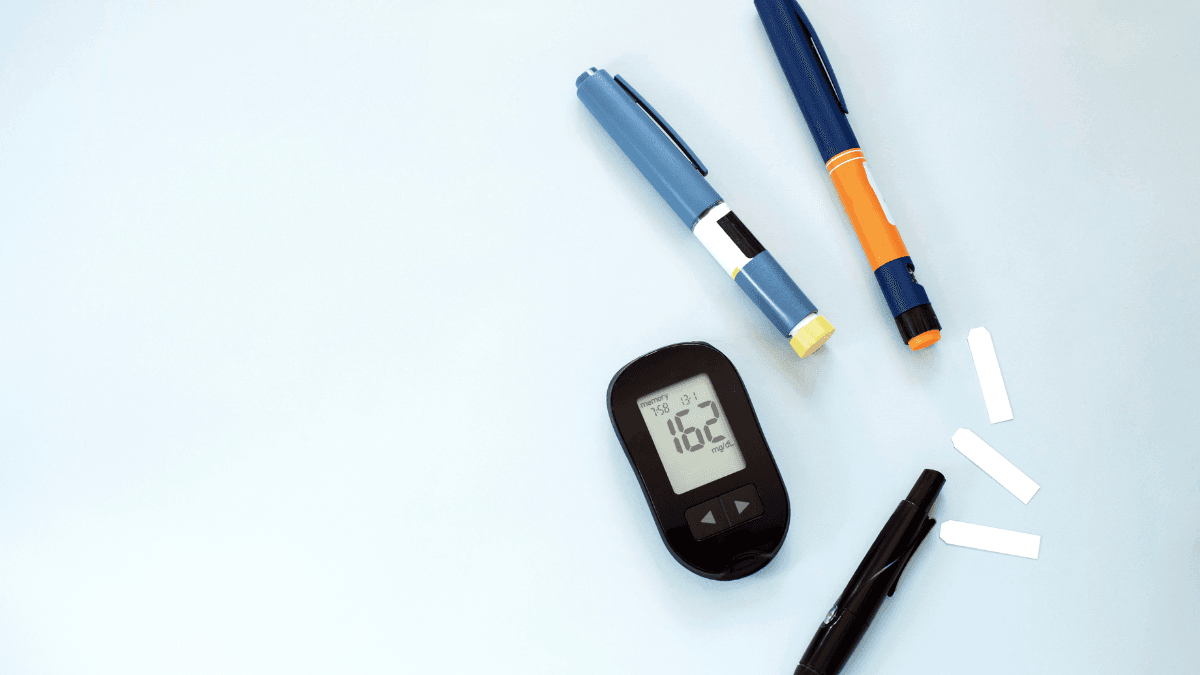
Premixed insulin combines mealtime and background insulin in one injection. It can simplify diabetes treatment for people with steady meal times, but the fixed ratio also makes timing, food intake, and glucose monitoring especially important.
This matters because one dose affects both post-meal glucose and between-meal glucose. A missed meal, delayed meal, or unexpected activity can raise the risk of hypoglycemia (low blood sugar). The safest plan is one that matches your routine and is reviewed with your diabetes care team.
Key Takeaways
- Two actions: Each dose contains a meal-covering component and a longer background component.
- Routine matters: Fixed ratios work best with predictable meals and activity.
- Timing differs: Human mixes and analog mixes may have different pre-meal timing.
- Less flexibility: Dose changes affect both components at the same time.
- Safety focus: Repeated lows, missed meals, or large schedule changes need clinical review.
What Is Premixed Insulin?
Premixed insulin is a ready-made blend of two insulin actions in one vial, cartridge, or pen. One part covers the rise in glucose after a meal. The other part provides intermediate background coverage over several hours.
Most products are described by a ratio, such as 70/30, 75/25, 50/50, or 30/70. The numbers show how much of the product belongs to each insulin component. The order and meaning can vary by naming convention, so the product label and prescriber instructions matter more than shorthand alone.
Human premixes usually combine regular insulin with NPH insulin. Analog premixes combine a rapid-acting insulin analog with a protamine-bound form that lasts longer. For background on how human and analog insulins differ, see Human Insulin vs Analog Insulin.
Why it matters: The ratio is fixed, so you cannot adjust mealtime and background insulin separately.
How Premixed Insulin Works After Injection
Premixed insulin has a biphasic profile, meaning it works in two phases. The faster phase helps limit the glucose rise after eating. The slower phase supports glucose control between meals and sometimes overnight, depending on timing and formulation.
With human premixes, the regular insulin component generally needs more lead time before eating than rapid-acting analog mixes. Analog premixes often act closer to meal time, but each product has its own instructions. Always follow the prescribed timing for the specific insulin you use.
The intermediate component is often cloudy because it contains suspended insulin particles. Some products need gentle resuspension before injection. If you use a cloudy insulin, learn how it should look before use and what changes may signal a problem. For more detail, read What Is Cloudy Insulin.
Because both components enter together, the timing of meals becomes part of the treatment plan. Skipping breakfast after a morning dose, for example, may leave the mealtime portion unmatched to food. Extra activity can also lower glucose more than expected.
Common Ratios, Names, and Formats
Premixed insulin examples include human 30/70 products and analog combinations such as 70/30, 75/25, or 50/50. Names vary by country, manufacturer, and device. Some regions also use names such as Mixtard for certain human premix products.
A ratio such as insulin 70/30 premix usually means the product contains a larger intermediate-acting portion and a smaller short- or rapid-acting portion. However, readers should not rely on the number alone. Confirm the exact active ingredients, ratio, concentration, and timing instructions on the label.
Device format also affects daily use. Vials require syringes and careful dose measurement. Cartridges and pens may be more convenient for some people, depending on the device and dose increments. Product pages such as Humulin 30/70 Vial and Novolin GE 30/70 Vials can help you identify common human premix formats, but treatment choice should stay with your clinician.
For analog mix formats, Humalog Mix KwikPens and NovoMix Penfill Cartridges 30 illustrate how premixed products may be supplied in pen-based systems. These examples are for product recognition, not a recommendation to switch.
Dosing Schedules and Timing: What Usually Drives the Plan
A premixed insulin regimen is usually built around consistent meals. Many plans use one or two daily injections, often linked with breakfast and the evening meal. Some people need different schedules, but any change should be directed by a qualified clinician.
Premixed insulin dose calculation is not a simple online formula. Clinicians consider current therapy, glucose patterns, A1C goals, meal timing, kidney function, hypoglycemia history, weight changes, and other medicines. They may adjust doses gradually using glucose logs rather than isolated readings.
The most useful home records usually show patterns. Fasting glucose, pre-meal glucose, bedtime glucose, and occasional post-meal readings can help identify whether timing, food intake, or dose review is needed. If your readings use different units, a converter can help you compare logs more clearly.
Blood Glucose Unit Converter
Convert glucose readings between mg/dL and mmol/L without changing the clinical value.
These calculations are for education only and do not replace clinical advice, diagnosis, or treatment. Always confirm medical decisions with a qualified healthcare professional.
This calculator converts blood glucose between mg/dL and mmol/L. It supports record review, but it does not choose insulin doses or replace clinical guidance.
For broader context on insulin planning, see Insulin Dosage Chart. It explains why insulin needs vary and why dose changes require individualized review.
Quick tip: Keep meal timing, carbohydrate portions, and activity notes beside glucose readings.
Premixed Insulin vs Basal–Bolus Therapy
Premixed insulin vs basal–bolus therapy is mainly a trade-off between simplicity and flexibility. Premixes reduce the number of separate decisions. Basal–bolus therapy separates background insulin from mealtime insulin, which can allow more tailored adjustments.
People with structured meals may find a premixed plan easier to follow. It can reduce injection burden and may suit routines with similar breakfast and supper timing each day. The main limitation is that increasing or lowering a dose changes both the meal and background components together.
Basal–bolus therapy may fit people with variable carbohydrates, shift work, skipped meals, frequent correction dosing, or unpredictable exercise. It may also be preferred in many type 1 diabetes plans because basal and mealtime needs often require separate adjustment. For a deeper comparison, read Basal vs Bolus Insulin.
Intermediate-acting insulin is central to many human premix products. To understand its onset, peak, and duration in context, see Intermediate-Acting Insulin Types.
Safety, Side Effects, and When to Seek Help
The most important premixed insulin side effect to watch for is hypoglycemia. Symptoms may include sweating, shakiness, hunger, confusion, fast heartbeat, weakness, or headache. Severe low blood sugar can cause seizure, loss of consciousness, or inability to swallow safely.
Other concerns can include weight gain, injection site reactions, lipohypertrophy (fatty lumps under the skin), and variable absorption if injection sites are not rotated. Some people also notice glucose swings when meals are delayed or activity changes suddenly.
Seek urgent medical help for severe low blood sugar, loss of consciousness, chest pain, severe dehydration, repeated vomiting, or symptoms of diabetic ketoacidosis such as deep rapid breathing, fruity-smelling breath, severe abdominal pain, or marked drowsiness. Contact your clinician promptly for repeated lows, frequent unexplained highs, or any dose error that worries you.
Alcohol, missed meals, illness, and new medicines can change glucose patterns. Do not stop or change insulin on your own because high glucose can also become dangerous. Ask your care team for sick-day instructions and a clear plan for handling low readings.
Patient Education Points for Daily Use
Daily technique affects how premixed insulin works. Wash your hands, check the product name, confirm the dose display or syringe marking, and inspect the insulin as instructed. Cloudy suspensions may need gentle rolling or mixing, while some products should not be used if they contain clumps or unusual particles.
Rotate injection sites within recommended areas. Repeated use of the same spot can cause tissue changes and less predictable absorption. Use a new needle as directed, and do not share pens, cartridges, or syringes.
Carry a source of fast-acting carbohydrate if you are at risk for lows. Keep backup testing supplies available, especially during travel, illness, or schedule changes. If you use a continuous glucose monitor, confirm unexpected symptoms with a finger-stick reading when advised by your care team.
Before switching between products, review the exact ratio, device, timing, and appearance. Similar names can hide meaningful differences. CanadianInsulin.com functions as a prescription referral platform, and prescription details may need confirmation with the prescriber where required; product selection and dosing still belong with your clinician.
Authoritative Sources
Major diabetes organizations describe premixed products as insulin combinations that can reduce regimen complexity but require attention to timing and hypoglycemia risk. The ADA Standards of Care provide current clinical guidance on diabetes treatment and monitoring.
Canadian recommendations also emphasize individualized therapy, glucose monitoring, and hypoglycemia prevention. See the Diabetes Canada clinical guidelines for practice guidance used by Canadian clinicians.
For product-specific labels and official monographs, Health Canada’s Drug Product Database can help locate approved medication information by product name or active ingredient.
Recap
Premixed insulin can simplify treatment by combining meal and background insulin in one dose. It works best when meals, activity, and injection timing are predictable. The same fixed ratio that makes it simpler also limits flexibility when life is less routine.
Use glucose records, meal notes, and hypoglycemia history to guide conversations with your care team. Ask about timing, missed meals, exercise, sick days, storage, and what symptoms should trigger urgent care. A safe plan should fit both your glucose goals and your daily routine.
This content is for informational purposes only and is not a substitute for professional medical advice.