
Shipping with this method takes 3-5 days
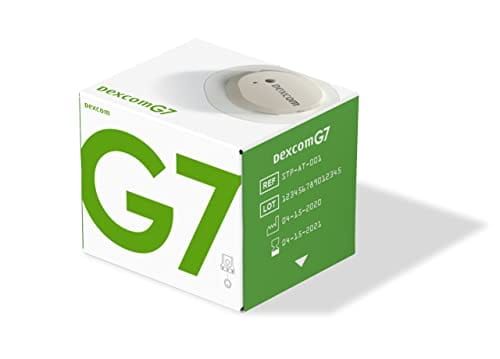
Dexcom G7 sensor (10 days)
Dexcom G7 Sensor Overview: Uses, Wear, and Safety
Price:
$119.99
You save


What Dexcom G7 sensor Is and How It Works
Dexcom G7 is a wearable continuous glucose monitoring system used to estimate glucose levels throughout the day and night. The Dexcom G7 sensor (10 days) sends glucose readings to a compatible phone app or receiver, along with trend information. This page summarizes how the device works, what to expect when wearing it, and practical safety considerations.
CanadianInsulin works as a prescription referral service and may confirm details with your prescriber. Some patients explore Ships from Canada to US as one cross-border option, depending on eligibility and jurisdiction. Continuous glucose monitoring, often shortened to CGM, measures glucose in interstitial fluid (the fluid between cells) rather than directly from a blood drop.
The sensor records readings frequently and can provide alerts when glucose is rising or falling. Many people use CGM data to support decisions about food, activity, and medication timing in coordination with a clinician. Because interstitial glucose lags behind blood glucose by several minutes, the number on the screen may not match a fingerstick at the exact same moment, especially during rapid changes.
Why it matters: Trend arrows add context that a single fingerstick number may miss.
Dexcom G7 uses a small filament under the skin to detect glucose and then transmits data wirelessly. The system may also support data sharing features, letting a caregiver view readings when set up in the app. For broader diabetes context and self-management topics, you can browse the Diabetes Category hub.
In some situations, fingerstick confirmation is still important, such as when symptoms do not match the CGM reading or when a reading seems unexpected. Inaccurate interpretation of CGM data can increase the risk of over-treating highs or lows. Dispensing, where permitted, is handled by licensed third-party pharmacies.
Who It’s For
Continuous glucose monitors are commonly used by people living with diabetes who need frequent glucose information, including those who use insulin and those who experience hard-to-detect lows. Clinicians may also recommend CGM for people adjusting therapy, monitoring patterns overnight, or learning how meals and activity affect glucose.
The Dexcom G7 sensor (10 days) may be considered for individuals who can safely wear a skin-adhered device and can respond to alerts appropriately. Suitability often depends on age, lifestyle, ability to use a compatible display, and care goals. Local rules and clinical practice vary, so it helps to review diabetes-related eligibility and monitoring expectations with a prescriber; the Medical Condition Diabetes hub can also help you navigate related product types.
CGM may not be appropriate for everyone. People with known sensitivity to adhesives, recurring skin infections at typical wear sites, or difficulty responding to alarms may need a different approach. Imaging and procedure restrictions can also apply to wearable devices, so the device labeling and clinician guidance matter for planned MRI, CT, or diathermy.
Dosage and Usage
Because this is a device, not a medication, “dose” generally refers to wear time and replacement timing. A single sensor is intended for continuous wear for the labeled duration, then removal and replacement with a new sensor. Starting a sensor typically involves inserting it using the included applicator, pairing it to a compatible app or receiver, and waiting through the system’s warm-up period before values display.
For most users, the Dexcom G7 sensor (10 days) is used as part of a routine that includes checking alerts, reviewing trends, and responding to symptoms. Follow the user guide for steps and on-screen prompts, and discuss any therapy adjustments with a clinician rather than changing medication based on one reading.
- Choose an approved wear site and clean, dry skin.
- Insert the sensor using the applicator as directed.
- Pair to the app or receiver and start the session.
- Respond to alerts and review trend data.
- Remove and replace on schedule.
It can be helpful to plan for times when CGM readings may be less reliable, such as during rapid glucose changes, when the sensor is newly started, or when pressure is applied over the sensor during sleep. If your clinician recommends occasional fingerstick checks, keep a meter available for those confirmation moments. For browsing related diabetes supplies, the Diabetes Supplies hub can be a useful starting point.
Strengths and Forms
Dexcom G7 is typically provided as a single-use wearable sensor with an insertion applicator. Unlike some older CGM systems that use a separate reusable transmitter, the G7 design integrates the transmitter with the sensor for the session. Packaging formats may vary by market and dispensing channel, such as single sensors or multi-sensor boxes.
The Dexcom G7 sensor (10 days) is designed to be worn on the body and paired with a compatible display device. The system may support optional accessories, such as overpatches or additional adhesive products, which can help with wear time for some people. Always use accessories that are compatible with the device instructions to avoid loosening, skin irritation, or inaccurate readings.
| Component | What it does |
|---|---|
| Wearable sensor | Measures interstitial glucose and transmits data |
| Applicator | Helps insert the sensor under the skin |
| App or receiver | Displays readings, trends, and alerts |
Quick tip: Keep your display device charged and within range for reliable alerts.
Storage and Travel Basics
Store sensors according to the temperature range and handling instructions in the product labeling. In general, keep sensors in their original packaging until use and avoid exposing them to extreme heat or freezing conditions. Do not use a sensor past its expiration date, and do not use packaging that appears opened or damaged.
Travel planning is mostly about protecting the sensor and maintaining access to your display device. Pack extra supplies such as skin prep, adhesive support products if you use them, and a backup glucose meter for confirmation checks. If you travel across time zones, consider how alert schedules and daily routines may shift, and review settings so alarms remain meaningful.
Food choices and activity can noticeably affect glucose patterns on CGM. If you are working on everyday routines, the guides Diabetes Friendly Diet Plan and Diabetes And Exercise offer practical context to discuss with a care team. For airport screening and device policies, follow the manufacturer’s guidance and bring documentation if recommended by your clinician.
Side Effects and Safety
The most common issues reported with wearable glucose sensors involve the skin where the device is worn. Redness, itching, irritation, bruising, bleeding, or discomfort can occur after insertion or during wear. Some people develop adhesive reactions that worsen with repeated exposure, so rotating sites and monitoring the skin matters.
The Dexcom G7 sensor (10 days) can also raise safety concerns if readings are misinterpreted or if the sensor data do not reflect symptoms. Seek prompt medical care for signs of severe allergic reaction, spreading redness, warmth, pus, fever, or significant swelling at the site. If you feel symptoms of low or high glucose that do not match what the device shows, use a glucose meter for confirmation and follow your clinician’s action plan.
Wearables may be affected by pressure on the sensor, which can contribute to unexpectedly low readings during sleep. Reviewing your trend history can help identify patterns and reduce repeated false alarms. For day-to-day coping strategies and routines, you may find it helpful to review Managing Type 2 Diabetes and workplace planning tips in Navigating Diabetes Management.
Drug Interactions and Cautions
Although CGM is a device, certain medications and physiologic states can affect readings in some systems. The most important step is to check the interference and precautions section of the user guide for your exact device configuration. If you take medications that may alter CGM performance, ask your clinician whether additional fingerstick confirmation is recommended in specific situations.
Medical procedures can also require special handling. Some imaging or energy-based treatments may require removing a sensor to avoid device damage or unsafe operation. Water exposure guidance varies by product, so follow labeling for bathing, swimming, and exercise. If the sensor loosens early, avoid taping it in a way that covers vents or interferes with insertion components, and use only compatible adhesive support methods described in the instructions.
Finally, consider alert fatigue. Frequent alarms can lead to ignoring important notifications, especially overnight. Adjusting alert thresholds should be done thoughtfully and, when appropriate, in collaboration with a care team so that safety alarms remain meaningful.
Compare With Alternatives
CGM options vary in how they are worn, how data are viewed, and which features are included. When comparing devices, it helps to focus on practical factors: wear duration, required warm-up time, alert customization, integration with other diabetes devices, and how easily you can share data with a clinician or caregiver.
The Dexcom G7 sensor (10 days) is one option within the broader CGM landscape. Other commonly discussed alternatives include Dexcom G6, FreeStyle Libre systems, and Medtronic Guardian systems. Differences may include whether a system is real-time versus scan-based, whether it uses a separate transmitter, how alarms are handled, and what compatibility exists with insulin pumps or automated insulin delivery settings.
Even with CGM, a standard blood glucose meter remains relevant for confirmation checks, sick-day management, and times when sensor data seems inconsistent. For navigating product types more generally, the Product Category Diabetes hub can help you compare categories without assuming one device is best for everyone.
Pricing and Access
Access to CGM can depend on prescription status, local regulations, and payer requirements. In many jurisdictions, Dexcom G7 is supplied on prescription, and clinicians may document the clinical rationale for ongoing glucose monitoring. Coverage rules differ between plans, and the device may be handled under a pharmacy benefit or a durable medical equipment pathway depending on the insurer.
For people managing expenses without insurance, cash-pay considerations can include sensor quantity, replacement frequency, and compatibility with existing devices. Some patients also explore cross-border fulfilment considerations such as US shipping from Canada, but requirements can vary by location and documentation. Cross-border fulfilment may be considered based on eligibility and jurisdiction.
If documentation is requested, it may include a current prescription, diagnosis details, and confirmation of compatible display devices. Before any supply is released, ensure your prescriber and pharmacist have up-to-date contact information and product specifics, since mismatches can delay verification. If you are comparing coverage changes or assistance pathways, the resources Medicare Part D Enhancements and Low Income Prescription Help provide general planning context.
Authoritative Sources
For device-specific instructions, warnings, and compatibility details, rely on the official manufacturer materials. A concise place to start is the manufacturer safety overview: Dexcom G7 Safety Information.
For broader clinical standards on CGM use and glucose monitoring, consult professional guidelines. A practical overview is available from: American Diabetes Association Continuous Glucose Monitors. For general medical device safety information, see: FDA Medical Devices.
When fulfilment is permitted, some orders may use prompt, express, cold-chain shipping for appropriate items.
This content is for informational purposes only and is not a substitute for professional medical advice.
Express Shipping - from $25.00
Prices:
- Dry-Packed Products $25.00
- Cold-Packed Products $35.00
Standard Shipping - $15.00
Shipping with this method takes 5-10 days
Prices:
- Dry-Packed Products $15.00
- Not available for Cold-Packed products
How long does a Dexcom G7 sensor last?
Dexcom G7 sensors are designed for a defined wear period per the product labeling, after which the sensor is removed and replaced with a new one. The display device (phone app or receiver) typically guides you through start, warm-up, and session end steps. If a sensor ends early or readings appear unreliable, follow the troubleshooting steps in the user guide and use a blood glucose meter for confirmation when symptoms do not match the CGM value. Your clinician can advise how CGM fits your overall monitoring plan.
Where can I wear the Dexcom G7 sensor?
Wear sites depend on the approved labeling for your region and, in some cases, the user’s age group. Commonly used areas are places with enough subcutaneous tissue and minimal friction from clothing, but you should follow the manufacturer’s site guidance rather than guessing. Rotate sites to reduce irritation and avoid areas with scarring, lipohypertrophy (thickened tissue from repeated injections), or active skin infection. If you have sensitive skin or recurring reactions, ask your clinician about barrier products and site rotation strategies.
Can I shower, exercise, or swim while wearing it?
Many users continue routine activities while wearing a CGM, but water exposure limits and adhesion guidance are device-specific. Review the user guide for details on bathing, swimming, and exercise, including how long the sensor can be submerged and whether certain activities increase the chance of loosening. Dry the area carefully after water exposure and check that the sensor remains firmly attached. If the sensor begins to peel, use only compatible adhesive support methods recommended in the device instructions.
When should I confirm a CGM reading with a fingerstick?
Fingerstick checks can be important when symptoms do not match the CGM reading, when glucose is changing rapidly, or when a value seems unexpected based on recent trends. Interstitial glucose can lag behind blood glucose, so the two readings may differ in fast-changing situations. Confirmation is also reasonable if you suspect hypoglycemia and need to act quickly, or if you are ill and readings are difficult to interpret. Follow your clinician’s plan for treating highs and lows and for when to verify results.
What does a pressure-related low reading mean?
Some people notice unexpectedly low CGM readings after lying on the sensor site, especially during sleep. Pressure over the sensor can affect local tissue fluid and contribute to readings that look lower than expected. If you suspect a pressure-related low, change position and recheck the trend. Use a blood glucose meter if you have symptoms of hypoglycemia or if the reading remains concerning. Discuss recurring overnight alarms with your clinician to review wear sites and alert settings.
How can I reduce skin irritation from the adhesive?
Skin irritation can range from mild redness to more significant allergic contact dermatitis. Practical steps include rotating wear sites, applying the sensor to clean and fully dry skin, and avoiding lotions where the adhesive will stick. Some people use barrier films or hypoallergenic tapes, but it is important to use products that do not interfere with insertion or sensor function. If you develop blistering, spreading redness, drainage, or severe itching, remove the sensor and seek medical advice. A clinician can help distinguish irritation from infection or allergy.
What should I ask my clinician before starting a CGM?
Useful questions include how CGM data should change your monitoring routine, when to confirm readings with a fingerstick, and what alert thresholds make sense for your safety goals. Ask about using CGM during exercise, driving, illness, and overnight, and whether any of your medications or treatments could interfere with readings. If you use insulin or a pump, discuss how CGM trends fit into your dosing strategy and what to do when readings seem inaccurate. Also review any procedure restrictions, such as imaging, that may require sensor removal.
Rewards Program
Earn points on birthdays, product orders, reviews, friend referrals, and more! Enjoy your medication at unparalleled discounts while reaping rewards for every step you take with us.
You can read more about rewards here.
POINT VALUE
How to earn points
- 1Create an account and start earning.
- 2Earn points every time you shop or perform certain actions.
- 3Redeem points for exclusive discounts.
You Might Also Like
Select options
This product has multiple variants. The options may be chosen on the product page
Select options
This product has multiple variants. The options may be chosen on the product page
Select options
This product has multiple variants. The options may be chosen on the product page
Select options
This product has multiple variants. The options may be chosen on the product page
Related Articles
Type 2 Diabetes,
Oral Wegovy Explained: Facts, Risks, and Access Options
The phrase oral wegovy is best understood as a search term, not a settled product name. Most people use it to mean a pill version of semaglutide for weight management,…
Diabetes, General Health,
Glp-1 Drugs Over The Counter: What’s Real And What’s Not
Key Takeaways Prescription GLP-1 medicines are not sold as true OTC drugs. Many “GLP-1” supplements aim to support fullness, not mimic prescriptions. Online “no prescription” offers raise counterfeit and quality…
Diabetes, Type 2
GLP-1 Cost Without Insurance: Compare Cash-Pay Options
Key Takeaways Many people searching for glp-1 cost without insurance are trying to plan for a long-term expense. The total can change based on the drug, the pharmacy, and how…
Cardiovascular, Diabetes, Nephrology,
SGLT2 Inhibitors Drugs: Names, Uses, And Safety Notes
Key Takeaways They lower glucose by increasing urinary sugar loss. Common options include dapagliflozin, empagliflozin, canagliflozin, and ertugliflozin. Some products combine an SGLT2 inhibitor with metformin. Risks include dehydration and…