
Please note: a valid prescription is required for all prescription medication.
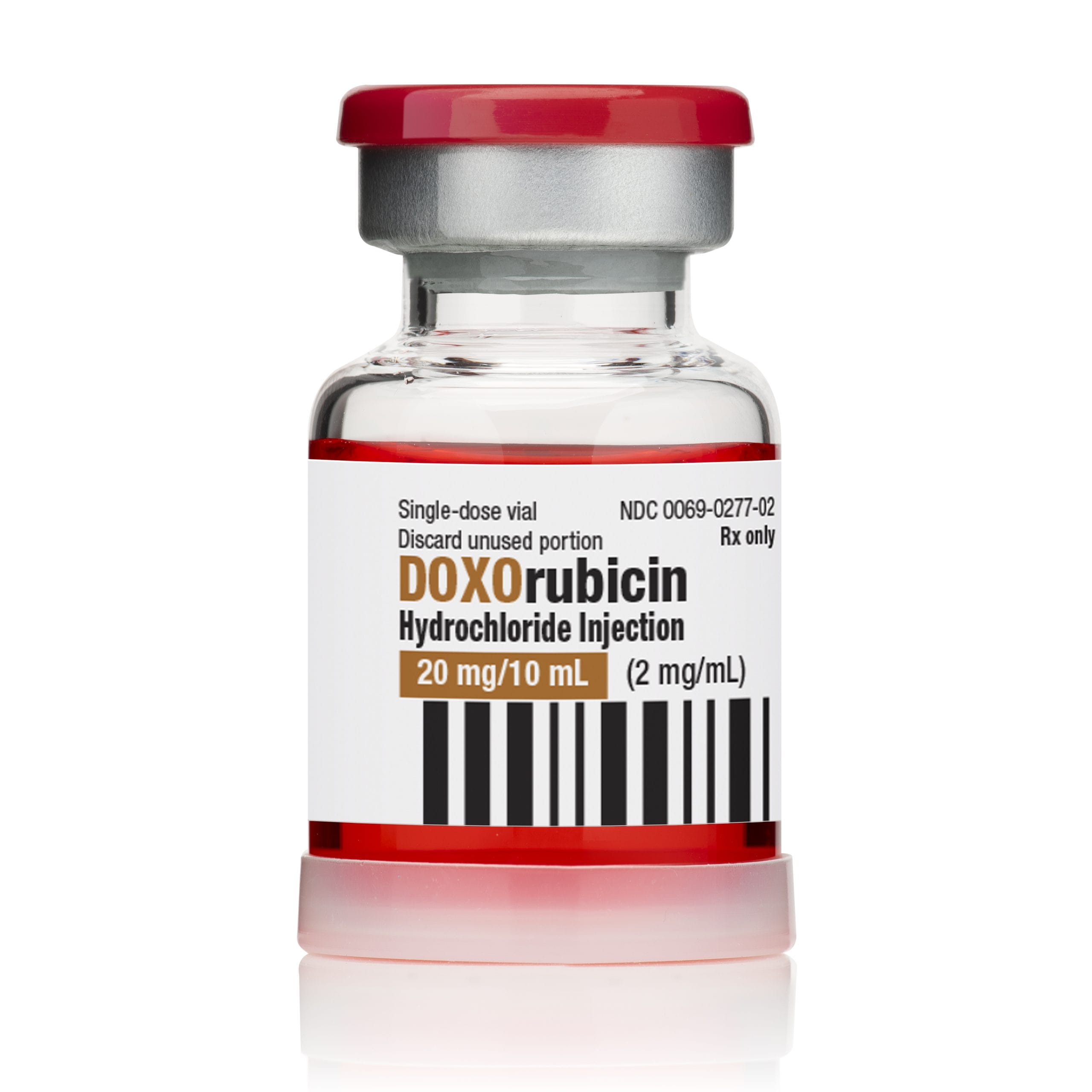
Doxorubicin Vial
Doxorubicin Vial Overview: Uses, Safety, and Storage
Price:
Price range: $96.99 through $209.99
You save


Doxorubicin is an intravenous chemotherapy medicine used in many cancer treatment plans. This page explains how Doxorubicin Vial is typically used, key safety risks, and practical handling topics. It is written to support informed discussions with an oncology care team.
What Doxorubicin Vial Is and How It Works
This medicine contains doxorubicin hydrochloride injection, an anthracycline chemotherapy (a class of anti-cancer medicines). It works mainly by damaging DNA inside rapidly dividing cells, which can slow or stop cancer cell growth. Because it can also affect healthy fast-growing cells, treatment plans include monitoring for side effects and complications.
CanadianInsulin operates as a prescription referral service and may confirm prescription details with the prescriber when needed. Some patients explore Ships from Canada to US options when cross-border fulfilment is permitted and appropriate. In practice, doxorubicin is used as part of combination regimens, and the benefits and risks depend on the cancer type, prior therapies, and overall health.
Who It’s For
Doxorubicin may be used in treatment protocols for several cancers, including some types of Breast Cancer, Lymphoma Hub, and Leukemia Hub. It is generally given in an oncology clinic or hospital setting and selected when an anthracycline is appropriate for the diagnosis and treatment goal. Use in children, adolescents, or older adults is regimen-specific and should follow specialized oncology guidance.
Doxorubicin Vial is not appropriate for everyone. Clinicians may avoid or delay anthracyclines in people with certain serious heart conditions, severe low blood counts (myelosuppression (lowered blood counts)), or a history of serious hypersensitivity to doxorubicin or related medicines. Pregnancy and breastfeeding considerations are important because this treatment can harm a developing fetus and may pose risks to an infant; contraception planning is usually discussed before therapy begins.
Dosage and Usage
Doxorubicin is administered by intravenous infusion (IV) by trained professionals; it is not a self-injection medicine. Dosing is individualized by the oncology team and commonly based on body surface area (BSA), the diagnosis, and the specific protocol. It may be given on a repeating cycle, sometimes in combination with other agents, with rest periods to allow recovery of blood counts and to manage toxicity.
For Doxorubicin Vial, administration details such as dilution, infusion time, and line selection follow the product label and institutional procedures. Because the drug can be a vesicant (can damage tissue if it leaks outside the vein), infusion sites are monitored closely and central venous access may be used in some plans. If an infusion is delayed or missed, the next steps are determined by the oncology team rather than by making up a dose independently.
Strengths and Forms
Doxorubicin hydrochloride injection is commonly supplied as a sterile solution in vials, often at a concentration such as doxorubicin 2 mg/mL injection. Presentations referenced in clinical settings can include doxorubicin 10 mg/5 mL vial, doxorubicin 50 mg/25 mL vial, and doxorubicin 200 mg/100 mL vial, though availability and packaging can vary by manufacturer and jurisdiction. Product labeling may describe the vial as single-dose or multiple-dose, and some versions may be preservative-free.
Doxorubicin Vial may be listed as doxorubicin vial USP or under legacy brand naming such as Adriamycin injection vial in certain references, while many facilities use generic versions. Cancer Products hubs can help teams compare related oncology medications by category, but selection should be driven by protocol requirements, compatibility, and safety considerations rather than name alone.
Storage and Travel Basics
Storage requirements depend on the specific manufacturer’s label, so the carton and vial instructions should be followed. In many settings, doxorubicin injection is protected from excessive heat, freezing, and direct light exposure, and it is stored in controlled conditions managed by the pharmacy. Handling controls are designed to preserve drug quality and to reduce exposure risk to staff and caregivers.
If Doxorubicin Vial must be transported between facilities, institutions typically use documented temperature control and secure packaging consistent with hazardous drug policies. At home, patients are not expected to store or handle chemotherapy vials. Used materials (such as tubing or protective supplies) are disposed of under clinic guidance to reduce accidental contact with the medicine.
Side Effects and Safety
Side effects can vary by regimen and dose intensity. Common effects may include nausea, vomiting, appetite changes, fatigue, hair loss, mouth sores (mucositis (painful inflammation of the mouth lining)), and low blood counts that raise infection or bleeding risk. Some people notice temporary reddish or orange urine after treatment; this can be expected but should still be mentioned to the care team if it is persistent or accompanied by pain.
More serious risks include cardiotoxicity (heart injury that can lead to reduced heart function), severe myelosuppression, infusion reactions, and tissue injury from extravasation (leakage into surrounding tissue). Monitoring can include blood tests (CBC and chemistry panels) and heart assessments such as echocardiograms, especially when cumulative anthracycline exposure increases.
Why it matters: A fever during low white counts can be an emergency.
Drug Interactions and Cautions
Medication review is important before each cycle. The oncology team considers other therapies that may increase heart strain (for example, certain targeted therapies or prior chest radiation), as well as drugs that affect liver function because doxorubicin is cleared largely through hepatic pathways. Timing with vaccines is also important; live vaccines are often avoided during immunosuppressive treatment, and inactivated vaccines may be less effective during periods of low immune response.
People receiving cancer therapy may also take long-term medicines for other conditions, including diabetes. If you want background on how non-cancer medicines work and how dosing discussions are framed, see resources such as Actos Work and Pioglitazone Dosage. These guides are not substitutes for oncology medication reconciliation, but they can help you prepare a clear medication list for your care team.
Compare With Alternatives
Oncology regimens are chosen based on diagnosis, staging, prior therapy, and patient-specific risk factors. In some situations, clinicians may consider other anthracyclines (such as epirubicin or daunorubicin) or different formulations (such as liposomal doxorubicin) to address protocol requirements or toxicity considerations. Each option has distinct labeling, dosing conventions, and monitoring expectations, so substitutions should not be made without protocol review.
Doxorubicin Vial is also often discussed alongside non-anthracycline chemotherapy agents used in combination plans. For example, cyclophosphamide products such as Procytox Product or agents like Vincristine Product may appear in certain protocols, but they are not interchangeable and carry different safety concerns. The best comparison is usually regimen-based rather than single-drug based.
Pricing and Access
Access to doxorubicin typically requires a valid prescription and an oncology treatment plan, and many patients receive it through a clinic-administered model. Coverage rules can vary widely across plans, and oncology therapies may involve prior authorization, clinical documentation, and benefit verification. For individuals paying out of pocket or without insurance, a cash-pay pathway may be discussed, but suitability depends on jurisdictional rules and the care setting’s ability to administer and monitor therapy.
When permitted, dispensing and fulfilment are completed by licensed third-party pharmacies. Cross-border fulfilment considerations can include prescription verification, product traceability (such as lot and expiry documentation), and safe handling requirements for hazardous medicines. If you are comparing educational resources while planning care discussions, you can browse the Cancer Articles hub; for general program updates, see Promotions Information.
Authoritative Sources
For FDA labeling details and warnings, consult the reference listing on DailyMed Drug Labels.
For a patient-friendly overview of chemotherapy concepts, see the National Cancer Institute information at NCI Chemotherapy Overview.
Where fulfilment is permitted, coordination may involve prompt, express, cold-chain shipping based on product handling requirements.
This content is for informational purposes only and is not a substitute for professional medical advice.
Express Shipping - from $25.00
Shipping with this method takes 3-5 days
Prices:
- Dry-Packed Products $25.00
- Cold-Packed Products $35.00
Standard Shipping - $15.00
Shipping with this method takes 5-10 days
Prices:
- Dry-Packed Products $15.00
- Not available for Cold-Packed products
What is doxorubicin used for?
Doxorubicin is an anthracycline chemotherapy used in a range of cancer treatment regimens. Depending on the diagnosis and protocol, it may be part of therapy for certain solid tumors and blood cancers, including some breast cancers, lymphomas, and leukemias. It is usually given in cycles and often combined with other anti-cancer medicines to target cancer cells in different ways. The specific reason it is chosen, and how it fits into a plan, should be explained by the treating oncology team.
How is doxorubicin given and where is it administered?
Doxorubicin is given intravenously by trained healthcare professionals, typically in an oncology clinic or hospital infusion unit. The dose and schedule are determined by the regimen, the cancer type, and clinical factors such as prior treatments and lab results. Administration procedures may include dilution, controlled infusion timing, and close monitoring of the IV site because the drug can injure tissue if it leaks outside the vein. Patients should not attempt to handle or inject chemotherapy vials at home.
Why can doxorubicin affect the heart?
Doxorubicin can cause cardiotoxicity (damage to the heart muscle), which may lead to reduced pumping function in some patients. Risk is influenced by factors like cumulative lifetime exposure to anthracyclines, existing heart disease, prior chest radiation, and use of other therapies that can stress the heart. Because of this, oncology teams may order baseline and follow-up heart assessments (such as an echocardiogram) and track total exposure across treatment courses. Report new shortness of breath, swelling, or chest discomfort promptly to your care team.
What side effects need urgent medical attention during treatment?
Seek urgent care guidance for signs that may indicate serious complications, especially during periods of low blood counts. Concerning symptoms can include fever, chills, shortness of breath, chest pain, fainting, uncontrolled vomiting, severe mouth sores preventing fluids, unusual bleeding or bruising, or sudden weakness. Also report burning, pain, or swelling at the infusion site, which can suggest extravasation (leakage into surrounding tissue). Your oncology team can explain which symptoms are expected and which require immediate evaluation based on your regimen.
How should clinics store and handle doxorubicin vials?
Storage and handling should follow the specific manufacturer’s labeling and institutional hazardous drug policies. Clinics commonly protect doxorubicin from extreme temperatures and light and keep it in secure, controlled areas managed by the pharmacy. Preparation typically occurs in designated clean areas using protective equipment to reduce exposure risk. Facilities also track lot numbers, expiration dates, and any temperature excursions. Patients are generally not expected to store or transport chemotherapy vials; if transport is necessary between sites, it is usually managed by the healthcare system.
What should I ask my oncology team before starting doxorubicin?
Useful questions include: why doxorubicin is part of your regimen, what the planned cycle schedule is, and what monitoring will be done (blood counts, liver tests, and heart checks). Ask about key risks such as infection during low white counts, infusion-site injury, and potential heart effects, plus what symptoms require urgent contact. It also helps to review all medicines and supplements you take, including vaccines and any history of heart disease or prior radiation. Request clear guidance on pregnancy prevention and fertility considerations if relevant.
Rewards Program
Earn points on birthdays, product orders, reviews, friend referrals, and more! Enjoy your medication at unparalleled discounts while reaping rewards for every step you take with us.
You can read more about rewards here.
POINT VALUE
How to earn points
- 1Create an account and start earning.
- 2Earn points every time you shop or perform certain actions.
- 3Redeem points for exclusive discounts.
You Might Also Like
Select options
This product has multiple variants. The options may be chosen on the product page
Select options
This product has multiple variants. The options may be chosen on the product page
Select options
This product has multiple variants. The options may be chosen on the product page
Select options
This product has multiple variants. The options may be chosen on the product page
Related Articles
Type 2 Diabetes,
Liraglutide Vs Semaglutide Comparison Guide For Patients
Key Takeaways People searching liraglutide vs semaglutide usually want a practical comparison, not a slogan. The most useful differences involve formulation, schedule, approved uses, side effect patterns, and the paperwork…
Weight Management
Generic Zepbound: Availability, Status, and Options
Key Takeaways Patients and caregivers often search for generic zepbound when they need a clear answer about availability, labeling, and lower-cost access. The term is common online, but it does…
Type 2 Diabetes,
Oral Wegovy Explained: Facts, Risks, and Access Options
The phrase oral wegovy is best understood as a search term, not a settled product name. Most people use it to mean a pill version of semaglutide for weight management,…
Diabetes, General Health,
Glp-1 Drugs Over The Counter: What’s Real And What’s Not
Key Takeaways Prescription GLP-1 medicines are not sold as true OTC drugs. Many “GLP-1” supplements aim to support fullness, not mimic prescriptions. Online “no prescription” offers raise counterfeit and quality…