
Please note: a valid prescription is required for all prescription medication.
Duloxetine
Buy Duloxetine Online


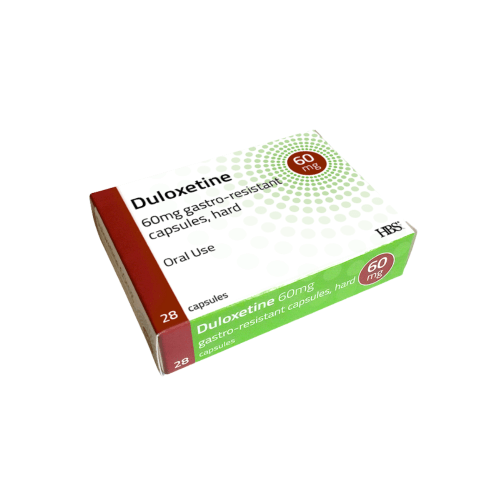
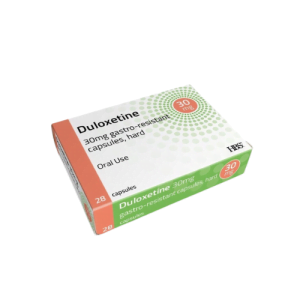
Duloxetine is an SNRI medicine supplied as delayed-release capsules for treatment plans involving mood symptoms and certain chronic pain conditions. You can buy Duloxetine online, view the current price for the strength and quantity shown during ordering, and match the capsule strength to your clinician’s directions. The product may also be considered by people planning cash-pay access or US delivery from Canada when the order details support that service path.
Duloxetine hydrochloride is the active ingredient in generic Cymbalta. The delayed-release capsule design matters because it changes how the medicine is released after swallowing. Do not switch between strengths, change how capsules are taken, or substitute another medicine without clinical guidance.
Duloxetine Price, Strength, and Quantity
The Duloxetine price depends on the capsule strength, quantity, and product form chosen during ordering. A lower total is not always a better match if the strength or capsule count differs from the directions you were given. When cash-pay cost matters, compare the exact capsule strength and total quantity rather than using a general estimate.
Duloxetine 30 mg and Duloxetine 60 mg are different strengths. Some treatment plans use one strength at the start and later change, while others stay at the same strength. The online order should reflect the directions you are currently following, not a dose you used previously or a strength that appears more convenient.
Duloxetine capsules are commonly delayed-release capsules. Delayed-release products are made to pass through the stomach before releasing medicine, so they should not be treated like immediate-release tablets. Swallow capsules whole unless official product instructions or your clinician give different directions.
| Detail | What to match |
|---|---|
| Active ingredient | Duloxetine hydrochloride or duloxetine wording |
| Strength | The mg amount in your current directions |
| Form | Delayed-release capsule wording when shown |
| Quantity | Total capsule count or supply amount |
| Use context | Mood, anxiety, nerve pain, fibromyalgia, or musculoskeletal pain plan |
Quick tip: Compare two prices only after the strength and capsule count match.
How to Order Duloxetine Online
Start with the Duloxetine strength and quantity that match your current treatment instructions. Keep the medicine label or clinician directions nearby while choosing the capsule strength, especially if you have changed doses recently. We may review order details when needed to help align the request with the medicine intended for use.
Do not choose Duloxetine 60 mg capsules when your directions call for Duloxetine 30 mg capsules just because the total looks different. Strength changes can affect tolerability, withdrawal risk, and treatment response. If your instructions are unclear or no longer match how you take the medicine, pause and ask your clinician before placing the order.
Plan refills early enough to avoid missed doses. Duloxetine can cause discontinuation symptoms if stopped suddenly, including dizziness, irritability, nausea, headache, sleep disturbance, or electric-shock sensations in some people. A clinician can advise how to reduce or stop therapy when that becomes appropriate.
What Duloxetine Treats
Duloxetine is a serotonin-norepinephrine reuptake inhibitor, often called an SNRI. It affects serotonin and norepinephrine, two chemical messengers involved in mood regulation and pain signaling. Clinicians may use duloxetine for depression, generalized anxiety disorder, diabetic peripheral neuropathic pain, fibromyalgia, and chronic musculoskeletal pain.
Duloxetine for nerve pain is different from a fast-acting pain reliever. It is not an opioid and does not work like an anti-inflammatory medicine. Pain or mood benefits may take time, and response should be assessed against the goals set by your clinician.
People using duloxetine for depression or anxiety should be monitored for mood changes, especially when starting treatment or after dose changes. If chronic pain is part of the treatment plan, the condition being treated can affect follow-up and other medicines used alongside duloxetine. The Neuropathic Pain collection and Chronic Musculoskeletal Pain collection provide related condition browsing paths for prescribed pain therapies.
Why it matters: The reason for treatment can influence the strength, monitoring plan, and follow-up timing.
Generic Cymbalta and Capsule Form
Duloxetine generic products contain duloxetine hydrochloride, the active ingredient associated with Cymbalta. A label may use the generic name, a brand reference, or both. When names vary, match the active ingredient, form, strength, and directions rather than relying on brand familiarity alone.
Duloxetine delayed release capsules should usually be swallowed whole. Crushing, chewing, or opening capsules can interfere with delayed release and may increase side effects. If swallowing capsules is difficult, ask a clinician or pharmacist about appropriate next steps rather than altering the capsule on your own.
Country-specific naming, packaging, and substitution rules may vary. That does not change the practical ordering step: choose the duloxetine capsule strength shown during ordering that matches the medicine your clinician intended. If a brand and generic are both being discussed, ask whether a generic Cymbalta product is appropriate for your treatment plan.
Side Effects, Warnings, and Monitoring
Common duloxetine side effects can include nausea, dry mouth, sleepiness, dizziness, constipation, sweating, tiredness, reduced appetite, insomnia, and changes in sexual function. Some people feel drowsy, while others feel more alert or have sleep disruption. Avoid driving or hazardous tasks until you know how duloxetine affects you.
Duloxetine and other antidepressants carry a boxed warning about increased risk of suicidal thoughts and behavior in children, adolescents, and young adults, especially early in treatment or after dose changes. New or worsening depression, agitation, unusual behavior, panic, impulsivity, or thoughts of self-harm need urgent medical attention.
Serotonin syndrome is a rare but serious reaction that can occur when serotonin levels become too high, especially with interacting medicines. Symptoms may include confusion, fever, sweating, diarrhea, tremor, agitation, muscle stiffness, or fast heartbeat. Seek medical help right away if these symptoms occur.
Duloxetine may not be suitable for people with certain liver problems, heavy alcohol use, severe kidney impairment, uncontrolled narrow-angle glaucoma, bipolar disorder history, seizures, low sodium risk, or significant bleeding risk. Tell a clinician about liver disease, alcohol intake, glaucoma, seizure history, blood pressure issues, pregnancy, pregnancy planning, or breastfeeding before using this medicine.
Monitoring may include mood changes, blood pressure, liver-related symptoms, sodium levels in higher-risk people, pain scores, anxiety symptoms, depressive symptoms, and tolerability. Call a clinician for yellowing skin or eyes, severe abdominal pain, fainting, chest pain, allergic swelling, severe rash, unusual bleeding, or severe dizziness.
Important Interactions to Consider
Do not combine duloxetine with monoamine oxidase inhibitors, often called MAOIs. A washout period may be needed when switching between these medicines. Linezolid and intravenous methylene blue can also create serious interaction risks, so recent hospital treatments and antibiotic use should be discussed with a clinician.
Other medicines and supplements can increase serotonin-related risk, including other antidepressants, triptans, tramadol, fentanyl, lithium, and St. John’s wort. Combining several serotonin-active products can make side effects harder to predict and may require closer monitoring.
Bleeding risk can increase when duloxetine is used with aspirin, NSAIDs, anticoagulants, or antiplatelet medicines. Alcohol can increase liver concerns and may worsen dizziness or sleepiness. The Anxiety and Depression collections can help place duloxetine among related treatment categories, but interaction decisions should be individualized.
Storage, Handling, and Travel
Store Duloxetine capsules at room temperature in a dry place, away from excess heat and moisture. Keep the container closed when not in use. Bathrooms, cars, and windowsills can expose capsules to humidity or temperature swings that may affect medicine quality.
Duloxetine is an oral capsule and generally does not require cold-chain handling like some injectable medicines. Still, packaging condition matters. When the order arrives, make sure the label, strength, and capsule count align with what you intended to receive before taking any capsules from a new bottle.
For travel, keep duloxetine in its labeled container and carry enough supply for the trip. If crossing borders, keep a copy of your medicine label or treatment documentation with your capsules. Do not combine duloxetine with other medicines in an unmarked container if identification may be needed.
Missed-dose instructions should come from the official product information or a clinician. Do not double doses without guidance. If capsules become wet, damaged, or exposed to unusual heat, ask a pharmacist or clinician before using them.
Related Conditions and Treatment Choices
Duloxetine sits at the intersection of mental health and chronic pain treatment. It may be considered when mood symptoms, anxiety symptoms, nerve pain, fibromyalgia, or chronic musculoskeletal pain are part of the care plan. The right choice depends on diagnosis, other health conditions, side-effect history, and current medicines.
For condition-based browsing, the Fibromyalgia collection focuses on products used in fibromyalgia care, while the Mental Health category groups medicines used for mood and anxiety-related treatment plans. The Pain and Inflammation category may be useful when pain is the main reason duloxetine is being discussed.
Duloxetine is not interchangeable with every nerve pain medicine. Some alternatives work through different mechanisms and have different side-effect profiles, schedules, and monitoring needs. Use related categories to prepare questions, then rely on a clinician to decide whether duloxetine or another treatment better fits your situation.
Questions to Ask Before Choosing a Strength
Ask what condition duloxetine is being used to treat, how improvement will be measured, and how long it may take to judge response. Depression, anxiety, fibromyalgia, nerve pain, and chronic musculoskeletal pain can involve different goals. Clear goals help you know whether the medicine is helping and when follow-up is needed.
Clarify what to do if nausea, sleepiness, insomnia, sweating, dizziness, or sexual side effects occur. Also ask which symptoms should prompt urgent care, especially mood changes, suicidal thoughts, allergic swelling, severe rash, liver-related symptoms, serotonin syndrome symptoms, or unusual bleeding.
- Strength: match the current mg amount.
- Form: use delayed-release capsules as directed.
- Other medicines: discuss serotonin and bleeding risks.
- Alcohol: ask whether avoidance is recommended.
- Stopping: request a taper plan if discontinuing.
- Follow-up: know what symptoms or measurements will be tracked.
Authoritative Sources
The sources below support key use, warning, interaction, and administration points for duloxetine. They do not replace the directions provided by your clinician or the medicine label supplied with your order.
- MedlinePlus duloxetine drug information covers uses, precautions, and common side effects for patients.
- Official FDA prescribing information for duloxetine hydrochloride capsules includes boxed warnings, contraindications, interactions, and clinical safety details.
- NHS guidance on how and when to take duloxetine explains practical administration points and strength-related use considerations.
This content is for informational purposes only and is not a substitute for professional medical advice.
Blood Pressure Average Calculator
Average home blood pressure readings and show a simple screening range.
Average BP
-
entered readings only
Range
-
screening category
These calculations are for education only and do not replace clinical advice, diagnosis, or treatment. Always confirm medical decisions with a qualified healthcare professional.
QTc Calculator
Calculate corrected QT interval from measured QT and heart rate.
QTc
-
milliseconds
RR interval
-
seconds
These calculations are for education only and do not replace clinical advice, diagnosis, or treatment. Always confirm medical decisions with a qualified healthcare professional.
Express Shipping - from $29.99
Shipping with this method takes 3-5 days
Prices:
- Dry-Packed Products $29.99
- Cold-Packed Products $39.99
Standard Shipping - $19.99
Shipping with this method takes 5-10 days
Prices:
- Dry-Packed Products $19.99
- Not available for Cold-Packed products
What is Duloxetine used for?
Duloxetine is an SNRI medicine used in treatment plans for depression, generalized anxiety disorder, diabetic peripheral neuropathic pain, fibromyalgia, and chronic musculoskeletal pain. The reason for use should come from a clinician’s diagnosis and monitoring plan.
Is Duloxetine the generic for Cymbalta?
Yes. Duloxetine hydrochloride is the active ingredient in generic Cymbalta. When choosing a product, match the active ingredient, delayed-release capsule form, strength, and quantity to your current treatment directions.
How should Duloxetine delayed-release capsules be taken?
Duloxetine delayed-release capsules are usually swallowed whole. Do not crush, chew, or open the capsules unless official product instructions or a clinician specifically tell you to do so, because this can affect how the medicine is released.
What side effects can Duloxetine cause?
Common side effects may include nausea, dry mouth, sleepiness, dizziness, constipation, sweating, tiredness, reduced appetite, insomnia, and sexual side effects. Seek urgent help for suicidal thoughts, severe allergic reactions, serotonin syndrome symptoms, liver-related symptoms, fainting, or unusual bleeding.
Can Duloxetine be stopped suddenly?
Duloxetine should not usually be stopped abruptly unless a clinician instructs you to do so. Sudden stopping can cause discontinuation symptoms such as dizziness, nausea, irritability, headache, sleep disturbance, or unusual sensations.
What medicines interact with Duloxetine?
Important interactions include MAOIs, linezolid, intravenous methylene blue, other antidepressants, triptans, tramadol, fentanyl, lithium, St. John’s wort, aspirin, NSAIDs, anticoagulants, and antiplatelet medicines. Share all medicines and supplements with a clinician.
Rewards Program
Earn points on birthdays, product orders, reviews, friend referrals, and more! Enjoy your medication at unparalleled discounts while reaping rewards for every step you take with us.
You can read more about rewards here.
POINT VALUE
How to earn points
- 1Create an account and start earning.
- 2Earn points every time you shop or perform certain actions.
- 3Redeem points for exclusive discounts.
You Might Also Like
Select options
This product has multiple variants. The options may be chosen on the product page
Select options
This product has multiple variants. The options may be chosen on the product page
Select options
This product has multiple variants. The options may be chosen on the product page
Select options
This product has multiple variants. The options may be chosen on the product page