
Please note: a valid prescription is required for all prescription medication.
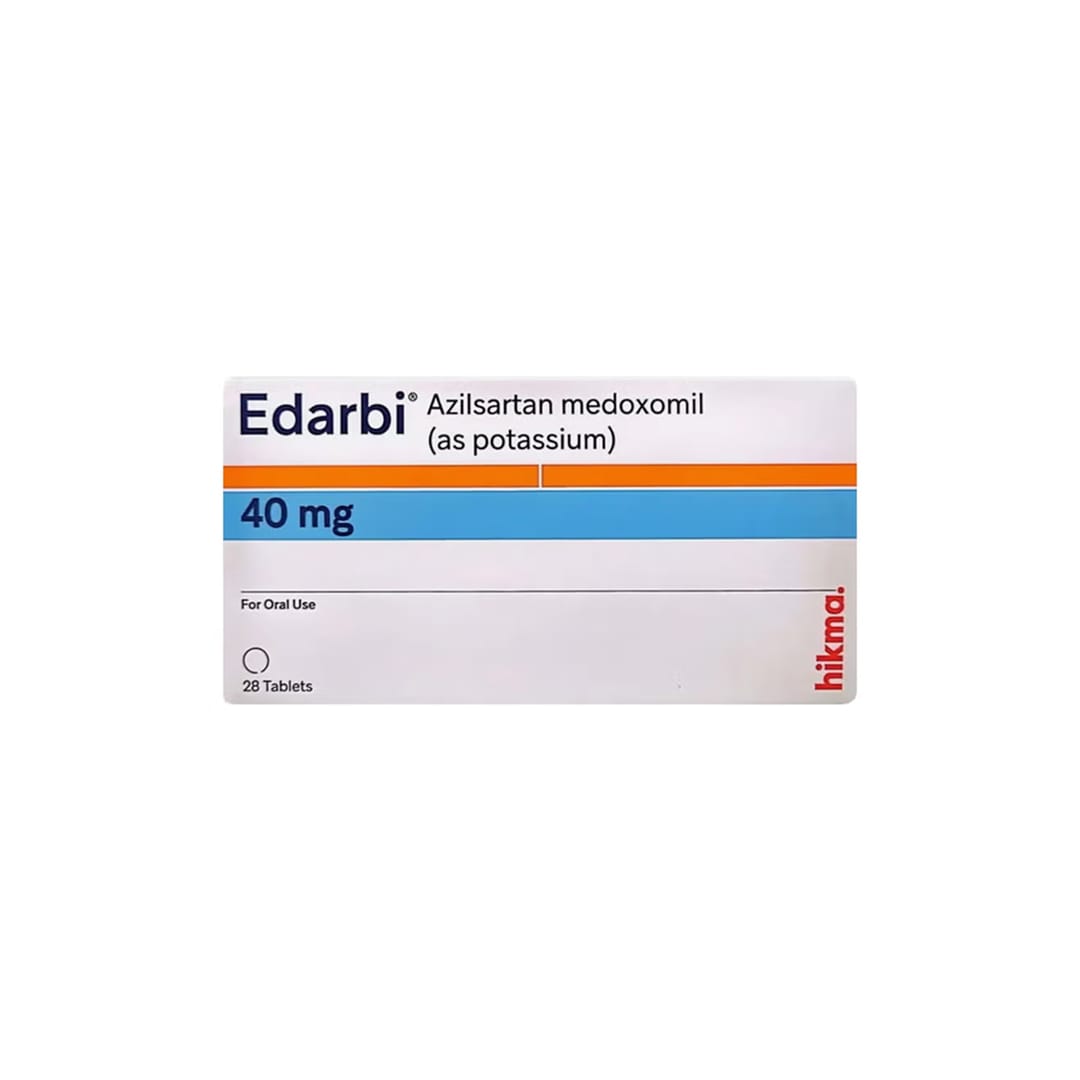
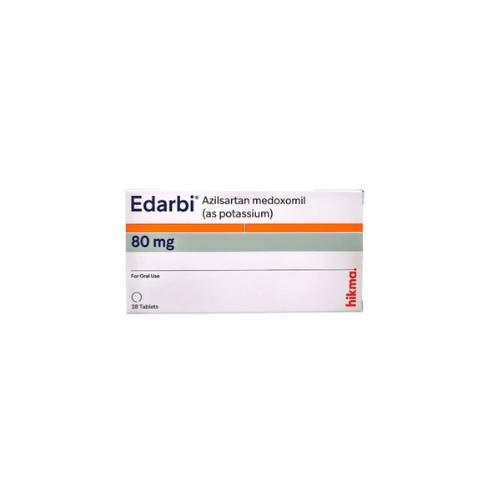
Edarbi
Buy Edarbi Online


Edarbi is an azilsartan medoxomil tablet used to treat high blood pressure in adults. You can buy Edarbi online and choose the tablet strength shown during ordering, including strengths such as Edarbi 20 mg, Edarbi 40 mg, or Edarbi 80 mg when available. Match the strength, quantity, and directions to your clinician’s treatment plan before checkout.
Azilsartan medoxomil belongs to a class of blood pressure medicines called angiotensin II receptor blockers, or ARBs. It is taken by mouth for ongoing hypertension management and is not a fast-acting rescue treatment for sudden symptoms. The most important ordering step is choosing the exact strength and tablet count intended for your current regimen.
Edarbi Price and Tablet Strengths
The Edarbi price depends on the tablet strength, quantity, and whether the item is presented as the brand medicine or by the active ingredient name, azilsartan medoxomil. A different tablet count can change the total at checkout, even when the strength stays the same. Review the current amount after choosing the strength and quantity you need.
Edarbi tablets are described in official product information as 20 mg, 40 mg, and 80 mg strengths. A product menu may show one or more strengths based on current inventory. Do not treat those strengths as interchangeable, because each tablet contains a different amount of azilsartan medoxomil.
People paying cash often look at the full checkout total rather than only the single-unit amount. If you are comparing Edarbi cost from Canada or considering US delivery from Canada, focus on the exact tablet strength, tablet count, and final order total. Choosing by the lowest total alone can lead to the wrong supply.
Quick tip: Keep your medication label nearby so the strength and quantity are not confused.
| Detail to review | Why it matters |
|---|---|
| Tablet strength | Edarbi 20 mg, 40 mg, and 80 mg are different strengths and should follow clinician directions. |
| Tablet quantity | The number of tablets affects the total and should match the intended supply. |
| Brand or active ingredient name | Azilsartan medoxomil is the active ingredient in Edarbi tablets. |
| Cash-pay total | The final total is more useful than comparing strength names alone. |
How to Order Edarbi Online
Start with the tablet strength your clinician directed you to use. Then choose the quantity, review the medicine name, and make sure the directions you follow at home match your treatment plan. We may review order details when information needs to be clarified.
Edarbi tablets are oral tablets, so ordering decisions usually center on strength per tablet and total tablet count. This product is different from injectables, pens, vials, refrigerated biologics, or device-based therapies. The shipping phrase for the store may mention prompt, express, cold-chain shipping, but Edarbi tablets are generally handled as oral tablets rather than refrigerated insulin.
Do not change the strength, split tablets, double doses, or alter how you take the medicine to fit a lower total. If the strength you expected is different from what you see, ask your clinician or pharmacist how to proceed. A blood pressure medicine should fit the treatment plan, not the other way around.
What Edarbi Treats
Edarbi is used to treat hypertension, the medical term for high blood pressure. High blood pressure often causes no symptoms, but it can raise the risk of stroke, heart attack, kidney disease, and other cardiovascular problems over time. Treatment usually combines medication, monitoring, and lifestyle measures recommended by a healthcare professional.
Azilsartan medoxomil blocks the angiotensin II receptor. Angiotensin II is a hormone that can tighten blood vessels. By blocking its action, Edarbi helps blood vessels relax, which can lower blood pressure with continued use.
This medicine may be used alone or with other blood pressure therapies. It is not meant for sudden chest pain, fainting, severe headache, signs of stroke, or other urgent symptoms. Those symptoms need immediate medical attention.
You can browse condition-related products in the Hypertension collection, but your clinician should decide which medicine belongs in your regimen. Home readings can help track patterns, yet a single reading should not lead to starting, stopping, or changing treatment without professional guidance.
Azilsartan Medoxomil, Brand Status, and Generic Searches
Edarbi is the brand name for azilsartan medoxomil tablets. Some clinicians, insurers, or pharmacy records may use the active ingredient name instead of the brand name. When you see azilsartan medoxomil, it refers to the active medicine in Edarbi.
Searches for Edarbi generic or azilsartan tablets can reflect different market terms. Availability, naming, and substitution rules can vary by country and by the product being supplied. Do not assume that another ARB, another azilsartan product, or a non-brand name is automatically the same as your current medicine.
Brand and active-ingredient names matter during ordering because they help prevent mix-ups. If your directions name Edarbi, choose Edarbi unless a clinician or pharmacist has confirmed an appropriate alternative. If your directions use azilsartan medoxomil, make sure the strength and tablet form match.
Why it matters: Similar blood pressure medicines can differ in strength, dosing plan, and monitoring needs.
How Edarbi Is Taken and What to Expect
Edarbi tablets are taken by mouth as directed by a healthcare professional. It is intended for ongoing blood pressure control, so benefits are usually assessed through blood pressure readings over time rather than how you feel on a single day. Many people with hypertension feel well even when readings are high.
Take the medicine consistently according to your instructions. If you miss a dose or feel unsure about timing, follow the directions from your clinician or pharmacist rather than guessing. Do not take extra tablets to make up for a missed dose unless you were specifically told to do so.
Blood pressure goals vary based on age, kidney function, diabetes status, cardiovascular history, and other medicines. Your clinician may use home readings, office readings, kidney function tests, and potassium levels to judge whether the regimen is appropriate. Report dizziness, fainting, swelling, or unusual weakness promptly.
Storage, Handling, and Travel Basics
Store Edarbi tablets as directed on the container label, away from excess heat, moisture, and direct light. Keep the container tightly closed when not in use. Store all medicines out of reach of children and pets.
Because Edarbi is a tablet, it typically does not require refrigerated cold-chain handling like insulin or some biologic medicines. Heat and humidity can still damage tablets. Avoid storing the bottle in a bathroom cabinet, hot vehicle, or damp travel bag for long periods.
For travel, keep tablets in their labeled container when possible. A labeled container helps identify the medicine, strength, and directions if questions arise. If you use a pill organizer, keep the original container available during longer trips.
Do not use tablets that look crumbled, swollen, discolored, or exposed to moisture. Ask a pharmacist or clinician what to do if the container was left in extreme temperatures. Replacing compromised tablets is safer than guessing whether they still work as expected.
Side Effects, Warnings, and Monitoring
Edarbi can lower blood pressure, and some people may feel dizzy, lightheaded, tired, or weak, especially when starting therapy or when fluid levels are low. Diarrhea can also occur. Sit or lie down if you feel faint, and contact a healthcare professional if symptoms are severe or persistent.
Medicines that act on the renin-angiotensin system can harm an unborn baby. People who are pregnant, planning pregnancy, or could become pregnant should discuss risks before using an ARB. Contact a healthcare professional right away if pregnancy occurs during treatment.
Do not use Edarbi with aliskiren if you have diabetes, according to official labeling. Kidney function changes and high potassium can occur, especially in people with kidney disease, heart failure, dehydration, or those taking certain diuretics. Lab monitoring may be needed based on medical history and other medicines.
Seek urgent help for swelling of the face, lips, tongue, or throat; trouble breathing; fainting; severe weakness; or signs of a serious allergic reaction. Also report repeated vomiting, diarrhea, heavy sweating, or poor fluid intake, because dehydration can increase the chance of low blood pressure or kidney-related problems.
- Kidney history: Ask whether blood tests should be monitored.
- Potassium products: Mention supplements and salt substitutes.
- Pregnancy planning: Discuss ARB risks before treatment continues.
- Low-fluid states: Report dehydration, vomiting, or diarrhea.
- Other medicines: Share all prescription, non-prescription, and supplement use.
Interactions to Discuss
Azilsartan medoxomil may interact with medicines that affect blood pressure, kidney function, or potassium levels. Nonsteroidal anti-inflammatory drugs, often called NSAIDs, may reduce the blood pressure-lowering effect and can increase kidney-related risks in some people. Examples include ibuprofen and naproxen, though many products contain NSAIDs under different brand names.
Combining ARBs with ACE inhibitors, aliskiren, potassium supplements, potassium-sparing diuretics, or salt substitutes can raise the chance of high potassium or kidney changes. Lithium levels may also be affected by medicines in this class. Bring a complete medicine list to healthcare visits, including vitamins, herbal products, and over-the-counter pain relievers.
Blood pressure treatment often includes more than one medicine. That does not make every combination unsafe, but it does mean monitoring matters. Your clinician can decide whether your full regimen fits your kidney function, potassium level, blood pressure readings, and cardiovascular risk.
Compare Related Blood Pressure Medicines
Edarbi belongs to the ARB class, but ARBs are not identical. Losartan, valsartan, irbesartan, and related medicines can differ in tablet strengths, dose ranges, combination products, and how they fit a person’s medical history. A switch should be guided by a healthcare professional.
The Cardiovascular Medicines category is useful for browsing heart and blood pressure therapies by class. Use category browsing to understand nearby choices, not to substitute one medicine for another without clinical input.
For education-focused reading, the Cardiovascular Guides section covers related topics such as hypertension and heart-health treatments. Educational articles can help you prepare questions, but they do not replace individualized medical advice.
Authoritative Sources
These references support the main clinical facts about Edarbi’s indication, tablet strengths, warnings, interactions, and monitoring considerations:
- FDA prescribing information for azilsartan medoxomil tablets
- European regulator summary for Edarbi tablets
This content is for informational purposes only and is not a substitute for professional medical advice.
Blood Pressure Average Calculator
Average home blood pressure readings and show a simple screening range.
Average BP
-
entered readings only
Range
-
screening category
These calculations are for education only and do not replace clinical advice, diagnosis, or treatment. Always confirm medical decisions with a qualified healthcare professional.
Mean Arterial Pressure Calculator
Calculate estimated mean arterial pressure from systolic and diastolic blood pressure.
MAP
-
DBP + one-third pulse pressure
These calculations are for education only and do not replace clinical advice, diagnosis, or treatment. Always confirm medical decisions with a qualified healthcare professional.
Pulse Pressure Calculator
Calculate pulse pressure from systolic and diastolic blood pressure.
Pulse pressure
-
SBP - DBP
These calculations are for education only and do not replace clinical advice, diagnosis, or treatment. Always confirm medical decisions with a qualified healthcare professional.
eGFR Calculator
Estimate kidney filtration using the 2021 CKD-EPI creatinine equation.
eGFR
-
mL/min/1.73 m2
G category
-
requires clinical context
These calculations are for education only and do not replace clinical advice, diagnosis, or treatment. Always confirm medical decisions with a qualified healthcare professional.
Creatinine Clearance Calculator
Estimate creatinine clearance using the Cockcroft-Gault equation.
CrCl
-
mL/min estimate
These calculations are for education only and do not replace clinical advice, diagnosis, or treatment. Always confirm medical decisions with a qualified healthcare professional.
Express Shipping - from $29.99
Shipping with this method takes 3-5 days
Prices:
- Dry-Packed Products $29.99
- Cold-Packed Products $39.99
Standard Shipping - $19.99
Shipping with this method takes 5-10 days
Prices:
- Dry-Packed Products $19.99
- Not available for Cold-Packed products
What is Edarbi used for?
Edarbi is used to treat high blood pressure in adults. It contains azilsartan medoxomil, an ARB that helps relax blood vessels so blood pressure can decrease over time.
Is Edarbi the same as azilsartan medoxomil?
Edarbi is the brand name, and azilsartan medoxomil is the active ingredient. Product naming and substitution rules can vary, so match the medicine name and strength to your clinician’s directions.
What strengths does Edarbi come in?
Official product information describes Edarbi tablets in 20 mg, 40 mg, and 80 mg strengths. Choose the strength available during ordering that matches your current treatment plan.
What side effects should I know about before using Edarbi?
Possible side effects include dizziness, lightheadedness, tiredness, diarrhea, and symptoms of low blood pressure. Serious concerns include pregnancy-related fetal harm, kidney changes, high potassium, and allergic reactions.
Can Edarbi interact with other medicines?
Yes. NSAIDs, ACE inhibitors, aliskiren, potassium supplements, potassium-sparing diuretics, salt substitutes, lithium, and other blood pressure medicines may require caution or monitoring.
How should Edarbi tablets be stored?
Store Edarbi tablets as directed on the container label, away from excess heat, moisture, and direct light. Keep the container closed and out of reach of children and pets.
Rewards Program
Earn points on birthdays, product orders, reviews, friend referrals, and more! Enjoy your medication at unparalleled discounts while reaping rewards for every step you take with us.
You can read more about rewards here.
POINT VALUE
How to earn points
- 1Create an account and start earning.
- 2Earn points every time you shop or perform certain actions.
- 3Redeem points for exclusive discounts.
You Might Also Like
Select options
This product has multiple variants. The options may be chosen on the product page
Select options
This product has multiple variants. The options may be chosen on the product page
Select options
This product has multiple variants. The options may be chosen on the product page
Select options
This product has multiple variants. The options may be chosen on the product page