
Please note: a valid prescription is required for all prescription medication.
Eliquis
Buy Eliquis Online


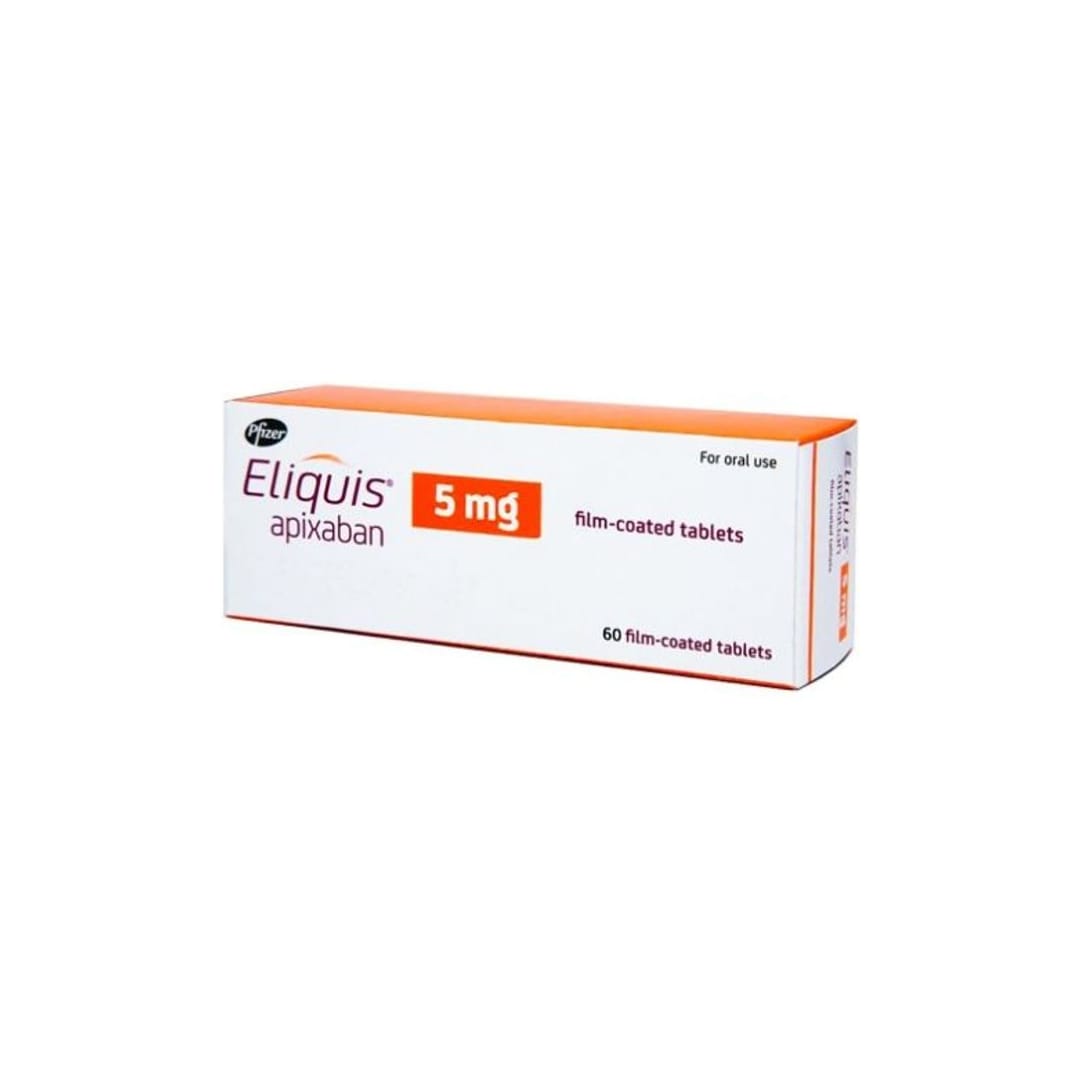
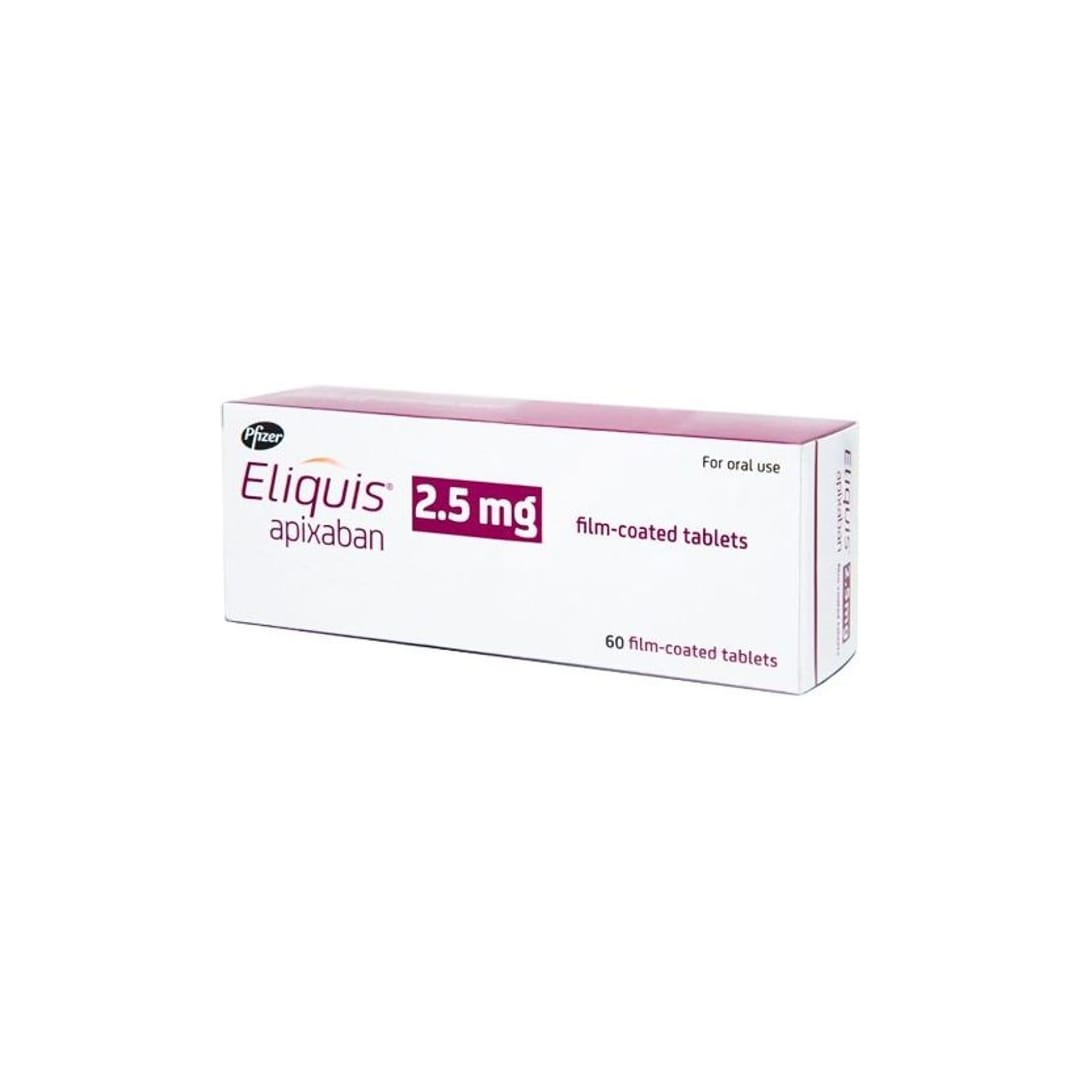
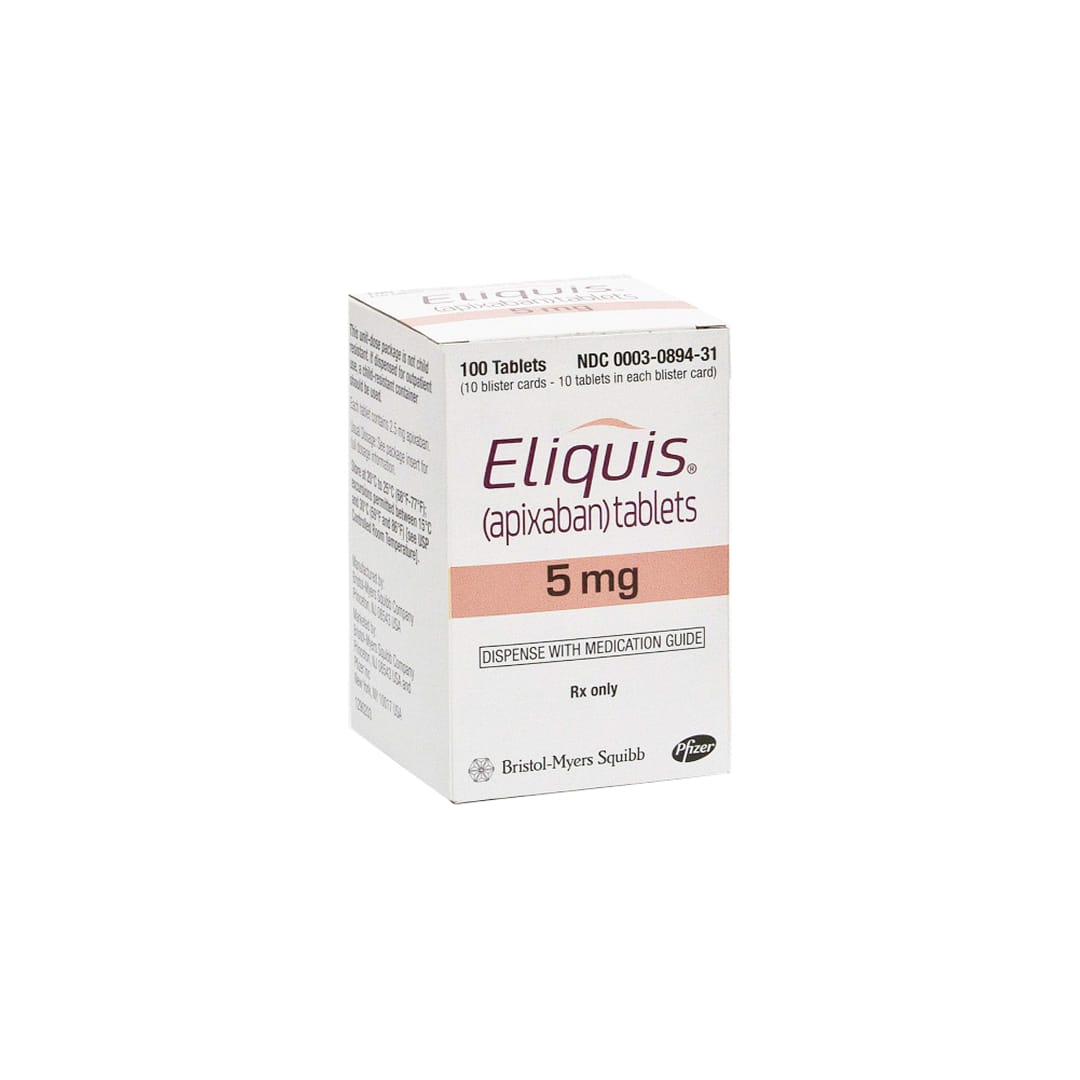
Eliquis is a brand-name anticoagulant medicine that contains apixaban. It can be bought online in the tablet strength shown during ordering, including 2.5 mg and 5 mg choices when those strengths are available. Match the Eliquis tablet strength and quantity to the directions from your clinician, then review price, safety, and handling details before checkout.
This blood thinner is used for conditions where reducing clot formation is important. The practical buying decision is exact: brand name, active ingredient, tablet strength, and total tablet count should all align with the treatment plan already chosen for you. Do not choose a different strength because it appears less expensive or because the tablet name looks similar.
Eliquis Price and Tablet Strength Selection
The Eliquis price shown during ordering should be read together with the tablet strength and quantity. A 2.5 mg tablet and a 5 mg tablet are different choices, even though both contain apixaban. The total amount at checkout may also change when the tablet count changes, so compare the supply you are actually choosing rather than the medicine name alone.
Monthly planning depends on the number of tablets taken each day and the quantity supplied. For Eliquis cost per month, divide the chosen tablet count by the daily directions from your clinician instead of assuming one bottle equals one month. If you are checking the price of Eliquis 5 mg, make sure the 5 mg strength and tablet count match the treatment plan.
- Strength: Match Eliquis 2.5 mg or Eliquis 5 mg to the directions you were given.
- Quantity: Compare total tablets supplied, not only the medicine name.
- Form: Choose the tablet form when your directions call for tablets.
- Active ingredient: Apixaban is the non-brand name used in medical and pharmacy records.
Cash-pay planning can be useful for people comparing Eliquis cost without insurance or looking at US delivery from Canada. Keep the clinical choice separate from the payment comparison: first match the medicine and strength, then review the current amount for that exact tablet and quantity.
Quick tip: Compare Eliquis tablets by strength and total tablet count before comparing total cost.
How to Order Eliquis Online
After choosing Eliquis, verify that the name, apixaban strength, and tablet quantity match the directions from your healthcare professional. Small differences matter with anticoagulants because the dose is chosen around clotting risk, bleeding risk, kidney function, age, body weight, and other medicines. We may review order details when needed so the medicine chosen during checkout matches the information provided.
If your records use the active ingredient name apixaban, confirm whether the brand-name product is intended before choosing Eliquis. If your directions name Eliquis specifically, do not switch to a nearby anticoagulant or a different apixaban product just because it appears similar. Brand, active ingredient, strength, and count are the safest ordering checks.
- Match the medicine: Confirm Eliquis and apixaban appear as expected.
- Match the strength: Do not substitute 2.5 mg for 5 mg, or the reverse, unless a clinician instructs you.
- Match the quantity: Choose a tablet count that fits the planned supply length.
- Keep records handy: Clinic contact details and a current medication list can help resolve questions.
Some customers compare US shipping from Canada while reviewing their cash price. Use that service context for planning, not for changing the medicine choice. The anticoagulant, tablet strength, and dosing schedule should be settled clinically before cost or delivery factors are weighed.
Tablet Details and Active Ingredient
Eliquis contains apixaban, an oral direct factor Xa inhibitor. Factor Xa is part of the clotting process; blocking it helps reduce the body’s tendency to form certain unwanted clots. For ordering, the key detail is that the apixaban strength on the tablet must match the directions you were given.
| Tablet choice | What to verify |
|---|---|
| Eliquis 2.5 mg tablet | Confirm the 2.5 mg strength is the intended apixaban strength. |
| Eliquis 5 mg tablet | Confirm the 5 mg strength and total tablet count before checkout. |
| Eliquis tablet | Use the labeled name, active ingredient, strength, and quantity rather than tablet appearance. |
The word pill is often used casually, but the reliable ordering terms are tablet, strength, and quantity. Do not rely on color, shape, or markings alone because packaging and appearance can vary by market or supply. The label name and apixaban strength provide a more dependable check.
Apixaban terminology may appear in visit notes, benefit records, discharge papers, or pharmacy labels. Brand and active-ingredient language can also differ between countries and supply channels. That difference does not make Eliquis and every apixaban product automatically interchangeable, so use the exact medicine choice your clinician intended.
What Eliquis Is Used For
Eliquis is an anticoagulant, often called a blood thinner. In adults, label-approved uses include reducing the risk of stroke and systemic embolism in nonvalvular atrial fibrillation, treating deep vein thrombosis and pulmonary embolism, reducing the risk of those clots returning, and helping prevent clots after hip or knee replacement surgery.
For atrial fibrillation, Eliquis helps lower the chance that a clot will form and travel to the brain or another part of the body. You can browse condition information for atrial fibrillation if you want broader context about this heart rhythm disorder. The medicine choice and tablet strength still need to follow the individualized plan from your healthcare professional.
For deep vein thrombosis and pulmonary embolism, Eliquis is used to treat clots and reduce recurrence risk after the initial treatment period. The blood clot DVT and PE section provides related condition context. Eliquis does not work like an emergency clot-busting drug; it lowers clotting activity while it is in the body.
Because several anticoagulants exist, the reason for use matters. A tablet regimen after orthopedic surgery may differ from one used for atrial fibrillation or treatment after a clot. The online order should follow the intended medicine, strength, and quantity rather than a self-selected condition or symptom.
Storage, Handling, and Travel Basics
Eliquis tablets are generally handled like oral solid medicines. Store them as directed on the package label, keep them dry, and protect them from excess heat. If a package arrives damaged, wet, or tampered with, set it aside and contact support before using the tablets.
For home storage, keep Eliquis in its labeled container until you are ready to organize your doses. Mixing tablets from different bottles can make identification harder, especially if strength, supply source, or packaging changes. Ask a pharmacist before combining tablets in one container.
For travel, carry Eliquis in the labeled container or keep a clear copy of the pharmacy label with the tablets. A current medication list is especially useful if you need urgent care, dental treatment, surgery, or an injection procedure while away. If you use a pill organizer, keep the original label available so healthcare professionals can identify the medicine accurately.
Shipping and handling notes may appear during checkout, including prompt, express, cold-chain shipping wording used across the store. Eliquis tablets are not refrigerated biologic medicines, but timely package inspection and proper storage still matter once the order arrives.
Side Effects, Warnings, and Monitoring
The main safety concern with Eliquis is bleeding. Common bleeding-related effects can include easy bruising, nosebleeds, bleeding gums, heavier menstrual bleeding, or bleeding that takes longer than usual to stop. Report bleeding that is unusual for you, persistent, or concerning.
Serious bleeding can occur and needs urgent medical attention. Warning signs include red or black stools, blood in urine, coughing or vomiting blood, severe headache, sudden weakness, fainting, unusual pain or swelling, or a fall with head injury. Allergic reactions, such as facial swelling or trouble breathing, also require immediate care.
Eliquis is contraindicated in active pathological bleeding and in people with severe hypersensitivity to apixaban or any product ingredient. The official label includes boxed warnings that stopping Eliquis too early can increase clot risk, and that spinal or epidural blood clots may occur around certain anesthesia or spinal procedures. Tell healthcare professionals that you take apixaban before surgery, dental work, spinal injections, or procedures involving the back.
Bleeding risk may be higher in people with kidney disease, liver disease, recent surgery, prior stomach bleeding, high fall risk, or other conditions that affect clotting. Monitoring may include kidney function, liver function, blood counts, weight changes, age-related risk, and any new bleeding symptoms. Eliquis usually does not require routine INR testing like warfarin, but clinical follow-up still matters.
Why it matters: Blood thinner safety depends on the right tablet strength and early attention to bleeding symptoms.
Interactions and Medicines to Discuss
Before using Eliquis, make sure your medication list includes prescriptions, over-the-counter products, vitamins, and herbal supplements. Aspirin, clopidogrel, other antiplatelet medicines, NSAID pain relievers such as ibuprofen or naproxen, and other anticoagulants can increase bleeding risk when combined with apixaban. Do not add or stop these medicines based only on online information.
Some medicines can change apixaban levels in the body. Important examples include strong CYP3A4 and P-gp inhibitors such as ketoconazole, itraconazole, or ritonavir, and strong inducers such as rifampin, carbamazepine, phenytoin, or St. John’s wort. Heavy alcohol use may also raise concern if it increases bleeding risk, stomach irritation, or falls.
Food restrictions with Eliquis are different from warfarin. Leafy green vegetables are not restricted in the same vitamin K-based way, but consistent eating habits and complete medication reporting remain useful. Tell your healthcare team about major diet changes, hospitalization, surgery, kidney function changes, or any new medicine before continuing the next supply.
Comparing Eliquis With Related Anticoagulant Choices
Related anticoagulants are not simple substitutes. They may differ by active ingredient, dose schedule, kidney considerations, interaction profile, reversal options, approved uses, and bleeding risk. If the intended medicine is Eliquis, do not replace it with another blood thinner unless your healthcare professional has chosen that change.
Eliquis belongs within a broader group of cardiovascular medicines. The cardiovascular products category can help you browse related heart and circulation treatments while keeping product choices distinct. Category browsing is useful for orientation, but it should not be used to change anticoagulants on your own.
Budget planning should come after the clinical choice is clear. Eliquis 2.5 mg, Eliquis 5 mg, and other anticoagulants may have different tablet counts, directions, and safety considerations. Compare the exact medicine, strength, and quantity first; then evaluate the current price and supply length.
For broader reading about heart and circulation topics, the cardiovascular articles section may help you prepare questions for your healthcare team. Use educational material as background, not as a replacement for individualized medical decisions.
Authoritative Sources
Use regulator-reviewed and manufacturer labeling for clinical details that should not be guessed from packaging, search snippets, or tablet appearance. These sources support the approved uses, boxed warnings, contraindications, interaction cautions, and bleeding information summarized above.
- Official prescribing information covers approved uses, boxed warnings, dosing information, contraindications, and safety details.
- FDA approval label provides regulator-reviewed product information and original safety language.
This content is for informational purposes only and is not a substitute for professional medical advice.
eGFR Calculator
Estimate kidney filtration using the 2021 CKD-EPI creatinine equation.
eGFR
-
mL/min/1.73 m2
G category
-
requires clinical context
These calculations are for education only and do not replace clinical advice, diagnosis, or treatment. Always confirm medical decisions with a qualified healthcare professional.
Creatinine Clearance Calculator
Estimate creatinine clearance using the Cockcroft-Gault equation.
CrCl
-
mL/min estimate
These calculations are for education only and do not replace clinical advice, diagnosis, or treatment. Always confirm medical decisions with a qualified healthcare professional.
Customer Reviews
5.0 Based on 3 Reviews
Write a Review Ask a Question - Reviews
- Questions
Filter Reviews:
RF
02/17/2026
Roselynn F.  US
USGreat service
Thank you for your personal service. Unfortunately, my doctor took me off Eliquis the day before my order arrived. Your service was timely and I will order again if I get an other expensive prescription.
02/17/2026
CanadianInsulin.com
Hi Roselynn!While we’re sorry to hear that your doctor discontinued your Eliquis prescription just before your order arrived, we truly appreciate your kind words about our service. We understand that treatment plans can change quickly, and situations like this can be unexpected. Please know that we’re always here to help guide you through next steps if you have any questions about your order.It’s wonderful to hear that you found our service timely and personal that is exactly the level of care we aim to provide to every customer. We know how important affordability and reliability are when it comes to medications, especially higher-cost prescriptions, and we’re committed to making the process as smooth and supportive as possible.Should you need assistance in the future with another prescription, our team will be more than happy to help. Your trust means a great deal to us.Thank you for choosing Canadian Insulin!
JC
09/25/2025
Joseph C. USGreat online pharmacy
I was very pleased with my first order of Eliquis from Canadian Insulin. Good price for name brand Eliquis and decent shipping time of a few weeks. I will reorder from them when it's time for a refill.
09/26/2025
CanadianInsulin.com
Hi Joseph,We are so happy to know that you had a great first experience ordering Eliquis with us. Your trust means so much and we are truly grateful that you chose Canadian Insulin for your medication needs.Our goal is to make sure you always receive authentic products at the best value, with dependable shipping and support every step of the way.We look forward to serving you again when it is time for your refill and to continuing to support your health and wellness journey.Thank you once again for choosing Canadian Insulin, and we wish you a wonderful day!
FB
06/04/2025
Felix B. USFred Back
I have been purchasing medication for over a year. from you in my experience has been nothing but absolutely positive. The follow up after I order online by phone calls has been reassuring and gives me great relief in knowing that this company cares enough to keep me informed at all times I am 80 years old and not very good at computers and it’s just been a pleasure and comfort doing business with you
Express Shipping - from $29.99
Shipping with this method takes 3-5 days
Prices:
- Dry-Packed Products $29.99
- Cold-Packed Products $39.99
Standard Shipping - $19.99
Shipping with this method takes 5-10 days
Prices:
- Dry-Packed Products $19.99
- Not available for Cold-Packed products
What is Eliquis used to treat?
Eliquis is an anticoagulant used in adults to reduce stroke and systemic embolism risk in nonvalvular atrial fibrillation, treat deep vein thrombosis and pulmonary embolism, reduce the risk of those clots returning, and help prevent clots after hip or knee replacement surgery.
Is Eliquis the same as apixaban?
Eliquis is the brand name, and apixaban is the active ingredient. Medical records may use either term, but the brand, active ingredient, strength, and tablet quantity should all match the medicine plan chosen for you.
What is the difference between Eliquis 2.5 mg and Eliquis 5 mg tablets?
Both strengths contain apixaban, but they are not interchangeable by appearance or name alone. The correct tablet strength depends on individualized clinical factors, so choose the strength that matches your directions.
What side effect matters most with Eliquis?
Bleeding is the main safety concern. Easy bruising, nosebleeds, bleeding gums, or bleeding that takes longer to stop can occur. Seek urgent care for black or red stools, blood in urine, vomiting blood, sudden weakness, severe headache, fainting, or a head injury after a fall.
Does Eliquis require INR monitoring like warfarin?
Eliquis usually does not require routine INR testing like warfarin. Clinicians may still monitor kidney function, liver function, blood counts, bleeding symptoms, and changes in medicines or health status.
Can Eliquis be taken with ibuprofen or aspirin?
Aspirin, ibuprofen, naproxen, clopidogrel, other antiplatelet medicines, and other anticoagulants can increase bleeding risk with Eliquis. Discuss all prescription, over-the-counter, vitamin, and herbal products with a healthcare professional.
Rewards Program
Earn points on birthdays, product orders, reviews, friend referrals, and more! Enjoy your medication at unparalleled discounts while reaping rewards for every step you take with us.
You can read more about rewards here.
POINT VALUE
How to earn points
- 1Create an account and start earning.
- 2Earn points every time you shop or perform certain actions.
- 3Redeem points for exclusive discounts.
You Might Also Like
Select options
This product has multiple variants. The options may be chosen on the product page
Select options
This product has multiple variants. The options may be chosen on the product page
Select options
This product has multiple variants. The options may be chosen on the product page
Select options
This product has multiple variants. The options may be chosen on the product page