
Please note: a valid prescription is required for all prescription medication.
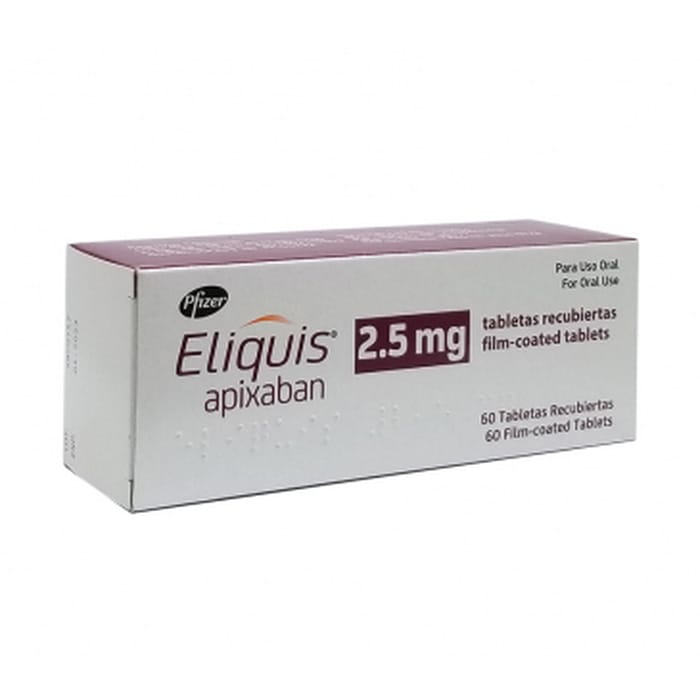
Eliquis
Buy Eliquis Online


Buy Eliquis online with a valid prescription and compare current listed pricing, tablet strengths, and safety basics before ordering. On this page, you can review available Eliquis tablet options, including 2.5 mg and 5 mg listings when shown, and match the selected product to your prescription. Customers looking for US delivery from Canada can also check access factors, handling notes, and order details in one place.
Use the current listing to compare the Eliquis price against the selected strength, quantity, and pack information shown on the product page. If you are comparing cash-pay access or insurance coverage separately, keep in mind that plan benefits and out-of-pocket amounts are not always reflected in the same displayed listing.
Before checkout, review the key bleeding risks, interaction cautions, and storage basics below. This helps you choose the correct product presentation and prepare practical order details without changing how the medicine was prescribed.
Eliquis Price and Available Options
Start with the current listed price, then confirm the strength and quantity attached to that listing. The amount shown on a product page is most useful when it is read together with the selected tablet strength, pack count, and total number of tablets. A lower quantity may not represent the same supply as a larger pack, and a different strength is not an interchangeable match unless the prescription specifically supports it.
The Eliquis cost can also differ from what a patient pays through an insurance plan. Cash-pay listings, plan copays, deductible stages, and pharmacy benefit rules may use different calculations. If you are comparing Eliquis price with insurance, check the plan path separately and use this page to confirm the product form and strength being ordered.
Quick tip: Match the strength and tablet count before comparing any monthly estimate.
Different presentations may appear as separate listings or selectors. For this product, customers commonly compare Eliquis 2.5 mg and Eliquis 5 mg tablets. The selected listing should match the prescribed strength and written directions, not a general preference for a smaller or larger tablet.
How to Buy Eliquis Online
To buy Eliquis online, select the appropriate tablet listing, confirm the quantity shown, and enter the required order details at checkout. Keep the prescription label or recent order information nearby so the selected strength, prescriber name, and directions can be matched accurately.
Prescription details may be reviewed or verified with the prescriber when needed. Supporting documents may also be requested if the order information is incomplete. This check helps keep the selected product aligned with the prescribed anticoagulant therapy.
- Choose the strength: Confirm 2.5 mg or 5 mg as written.
- Check the quantity: Compare total tablets, not only pack wording.
- Review account details: Make sure patient and prescriber information is current.
- Confirm handling notes: Tablet products usually have different needs than refrigerated medicines.
Order access may depend on required checks and the product information provided at checkout. If a detail looks different from the prescription, resolve it before placing the order rather than substituting a strength on your own.
Tablet Strengths and Product Matching
Eliquis is supplied as an oral tablet containing apixaban, its active ingredient. Apixaban is a direct factor Xa inhibitor, a type of anticoagulant that helps reduce blood clot formation. The tablet strength matters because anticoagulant dosing is tied closely to the condition being treated, patient factors, and the prescriber’s written plan.
| Listed option | What to check | Why it matters |
|---|---|---|
| Eliquis 2.5 mg tablet | Strength, tablet count, and directions | Used only when the prescription specifies this strength. |
| Eliquis 5 mg tablet | Strength, quantity, and refill details | Not interchangeable with a lower strength unless prescribed. |
A tablet strength is not the same thing as a total daily amount. For example, an Eliquis 5 mg tablet describes the amount of apixaban in one tablet, while the prescribed directions describe how the medicine is taken. Do not adjust tablet strength, split a plan across strengths, or change timing unless a clinician has instructed that change.
Check the product name carefully if a generic apixaban listing is also available. Brand and generic products may contain the same active ingredient, but the prescription, product availability, and selected listing still need to align before checkout.
Approved Uses and Product Context
This medicine is an anticoagulant, often called a blood thinner in everyday language. It may be prescribed to reduce the risk of stroke and systemic embolism in people with nonvalvular atrial fibrillation. It may also be used to treat deep vein thrombosis and pulmonary embolism, reduce the risk of those clots returning, or help prevent clot formation after certain hip or knee replacement procedures.
Customers reviewing this product often compare it because the same medicine may be used across different clot-related conditions. If you are browsing condition-specific product lists, the Atrial Fibrillation page and Blood Clot DVT PE page can help organize related options. Those pages are useful for navigation, but the exact product selection should still follow the prescription.
The medicine does not dissolve existing clots immediately like an emergency clot-busting treatment. Its role is to reduce clotting activity over time according to the prescribed regimen. That distinction matters when comparing product options, because anticoagulants are selected for specific clinical situations.
Access, Cash-Pay, and Insurance Factors
If you are estimating Eliquis cost per month, use the displayed quantity together with the prescribed directions. A 30-tablet listing and a 60-tablet listing can represent different periods of therapy depending on how the medicine is prescribed. The page cannot determine a patient’s plan benefit, deductible stage, or final copay, so insurance-based estimates should be checked through the plan.
For customers comparing Eliquis without insurance, the cash-pay listing can be a practical starting point. Compare the current amount shown, the strength selected, and any quantity options on the page. Do not compare a 2.5 mg listing with a 5 mg listing as if they were the same product decision.
When a cross-border access option is being considered, prepare complete patient and prescriber details before checkout. If additional information is needed, the order path may pause until the missing detail is resolved. This is separate from the medicine’s clinical suitability, which should be managed by the prescribing clinician.
The Apixaban Access Tips resource may help you think through practical affordability questions without replacing plan-specific benefit information. For browsing related heart and clotting products, Cardiovascular Medicines groups relevant prescription options in one product category.
Storage, Handling, and Travel Basics
Eliquis tablets are typically stored at controlled room temperature and protected from excess moisture. Keep the tablets in their original container or packaging until use, and store them away from children and pets. Check the package before ordering again if the tablet strength, color, or imprint no longer matches what the patient has been taking.
Because this is an oral tablet, it usually does not need refrigerated handling. That makes it different from insulin, biologics, and other temperature-sensitive products. Still, the package should not be exposed to extreme heat, high humidity, or conditions that could damage the tablets.
For travel, keep the medicine with the prescription label when possible. Carry enough supply for the planned trip, but avoid changing the dosing schedule to stretch tablets. If a procedure, hospital visit, or dental appointment is scheduled, tell the care team that an anticoagulant is being taken.
Why it matters: Damaged, mislabeled, or mismatched tablets can create avoidable safety risks.
Safety Checks Before Ordering
Bleeding is the main safety concern with this anticoagulant. Mild bruising or nosebleeds can occur, but some bleeding events may be serious. Seek urgent medical help for signs such as vomiting blood, black or tarry stools, coughing up blood, severe headache, unusual weakness, sudden dizziness, or bleeding that will not stop.
This medicine should not be used in people with active pathological bleeding or a history of serious hypersensitivity to apixaban. Stopping anticoagulant treatment too early can increase the risk of blood-clot events, including stroke in some patients. Any planned pause or change should be managed by a clinician.
There is also a serious warning for spinal or epidural hematoma, which is bleeding around the spine. This risk can occur in people receiving neuraxial anesthesia or spinal puncture and may lead to long-term or permanent paralysis. Tell the procedural team about the anticoagulant before injections near the spine, surgery, or invasive procedures.
Age, kidney function, liver disease, body weight, recent bleeding, and other medicines can affect safety decisions. This does not mean the product is unsuitable for every patient with those factors. It means the prescriber needs accurate information before continuing or changing therapy.
For a focused review of patient-facing adverse effects, the Eliquis Side Effects resource can support a more detailed safety discussion with a clinician or pharmacist.
Interactions, Procedures, and Monitoring
Some medicines and supplements can raise bleeding risk or change apixaban levels. Ask a clinician or pharmacist before using aspirin, clopidogrel, other antiplatelet drugs, other anticoagulants, or nonsteroidal anti-inflammatory drugs such as ibuprofen or naproxen. Certain antidepressants and herbal products may also need review.
Strong CYP3A4 and P-gp inhibitors, such as some antifungals or HIV medicines, can increase apixaban exposure. Strong inducers, such as rifampin, carbamazepine, phenytoin, or St. John’s wort, may reduce exposure. These interactions can be clinically important, so do not add or stop interacting medicines without professional input.
Unlike warfarin, apixaban does not usually require routine INR blood testing for dose adjustment. Monitoring still matters. Clinicians may check kidney function, liver function, bleeding symptoms, adherence, and whether the treatment still fits the patient’s clotting and bleeding risks.
Tell every healthcare professional involved in care that this anticoagulant is being used. That includes dentists, surgeons, emergency clinicians, and pharmacists. Clear communication helps reduce avoidable bleeding or clotting complications around procedures and new prescriptions.
Compare Related Anticoagulant Options
Several prescription anticoagulants may be used for clot prevention or treatment, but they are not simple substitutes. Differences can include active ingredient, dosing schedule, monitoring needs, reversal options, kidney considerations, and interaction profile. A clinician should decide whether one product can replace another.
If the prescription names apixaban rather than the brand, compare the Apixaban listing when available. Patients prescribed rivaroxaban can review Xarelto as a separate option. Do not switch between anticoagulants based only on tablet count or product pricing.
Warfarin is another anticoagulant option, but it has different monitoring and interaction considerations. Low-molecular-weight heparin injections, such as enoxaparin products, also follow a different route and handling pattern. Comparing the product class can be useful, but the active prescription should guide the final selection.
Authoritative Sources
Official prescribing information: Eliquis U.S. Prescribing Information.
This content is for informational purposes only and is not a substitute for professional medical advice.
Customer Reviews
5.0 Based on 3 Reviews
Write a Review Ask a Question - Reviews
- Questions
Filter Reviews:
RF
02/17/2026
Roselynn F.  US
USGreat service
Thank you for your personal service. Unfortunately, my doctor took me off Eliquis the day before my order arrived. Your service was timely and I will order again if I get an other expensive prescription.
02/17/2026
CanadianInsulin.com
Hi Roselynn!While we’re sorry to hear that your doctor discontinued your Eliquis prescription just before your order arrived, we truly appreciate your kind words about our service. We understand that treatment plans can change quickly, and situations like this can be unexpected. Please know that we’re always here to help guide you through next steps if you have any questions about your order.It’s wonderful to hear that you found our service timely and personal that is exactly the level of care we aim to provide to every customer. We know how important affordability and reliability are when it comes to medications, especially higher-cost prescriptions, and we’re committed to making the process as smooth and supportive as possible.Should you need assistance in the future with another prescription, our team will be more than happy to help. Your trust means a great deal to us.Thank you for choosing Canadian Insulin!
JC
09/25/2025
Joseph C. USGreat online pharmacy
I was very pleased with my first order of Eliquis from Canadian Insulin. Good price for name brand Eliquis and decent shipping time of a few weeks. I will reorder from them when it's time for a refill.
09/26/2025
CanadianInsulin.com
Hi Joseph,We are so happy to know that you had a great first experience ordering Eliquis with us. Your trust means so much and we are truly grateful that you chose Canadian Insulin for your medication needs.Our goal is to make sure you always receive authentic products at the best value, with dependable shipping and support every step of the way.We look forward to serving you again when it is time for your refill and to continuing to support your health and wellness journey.Thank you once again for choosing Canadian Insulin, and we wish you a wonderful day!
FB
06/04/2025
Felix B. USFred Back
I have been purchasing medication for over a year. from you in my experience has been nothing but absolutely positive. The follow up after I order online by phone calls has been reassuring and gives me great relief in knowing that this company cares enough to keep me informed at all times I am 80 years old and not very good at computers and it’s just been a pleasure and comfort doing business with you
Express Shipping - from $25.00
Shipping with this method takes 3-5 days
Prices:
- Dry-Packed Products $25.00
- Cold-Packed Products $35.00
Standard Shipping - $15.00
Shipping with this method takes 5-10 days
Prices:
- Dry-Packed Products $15.00
- Not available for Cold-Packed products
What is the most common side effect of this blood thinner?
Bleeding is the main safety concern and the adverse effect most often highlighted for apixaban products. Some people may notice bruising, nosebleeds, or bleeding that takes longer to stop. Serious bleeding can also occur. Warning signs include black stools, vomiting blood, severe headache, sudden weakness, or bleeding that will not stop. Any unusual or severe symptom should be assessed by a healthcare professional promptly.
What should be avoided while taking apixaban?
Do not add aspirin, ibuprofen, naproxen, other blood thinners, antiplatelet medicines, or herbal products such as St. John’s wort without checking with a clinician or pharmacist. Alcohol use, fall risk, dental procedures, and surgery may also need discussion because bleeding risk can increase. Avoid changing the prescribed dose or stopping treatment suddenly unless the prescribing clinician gives a clear plan.
How can a monthly supply be estimated?
A monthly supply depends on the tablet strength, the number of tablets in the selected quantity, and the written directions on the prescription. The same pack size may last different amounts of time for different patients. To estimate the practical supply, compare the displayed tablet count with the prescribed schedule, then check whether insurance or cash-pay billing will be used separately.
What should I ask my clinician before taking this medicine?
Ask why this anticoagulant was selected, what bleeding symptoms require urgent care, and whether kidney or liver function should be monitored. Mention any past bleeding, recent surgery, dental procedures, pregnancy plans, falls, or use of aspirin, NSAIDs, antiplatelet drugs, antidepressants, antifungals, seizure medicines, or supplements. Also ask what to do if a dose is missed or a procedure is planned.
How is apixaban different from warfarin?
Apixaban and warfarin are both anticoagulants, but they work differently and are monitored differently. Warfarin commonly requires INR testing and has many food and medicine interactions. Apixaban does not usually require routine INR-based dose adjustment, but kidney function, bleeding symptoms, adherence, and interactions still matter. A clinician should decide which option fits a patient’s condition, risks, and other medicines.
Rewards Program
Earn points on birthdays, product orders, reviews, friend referrals, and more! Enjoy your medication at unparalleled discounts while reaping rewards for every step you take with us.
You can read more about rewards here.
POINT VALUE
How to earn points
- 1Create an account and start earning.
- 2Earn points every time you shop or perform certain actions.
- 3Redeem points for exclusive discounts.
You Might Also Like
Select options
This product has multiple variants. The options may be chosen on the product page
Select options
This product has multiple variants. The options may be chosen on the product page
Select options
This product has multiple variants. The options may be chosen on the product page
Select options
This product has multiple variants. The options may be chosen on the product page
Related Articles
Type 2 Diabetes,
Semaglutide Weight Loss Medication: Safety, Options, and Expectations
A semaglutide weight loss medication is a GLP-1 receptor agonist (a hormone-mimicking drug that can reduce appetite) used in some settings to support chronic weight management. It changes hunger and…
Diabetes, Weight Management
What Are Sugar Alcohols? Sweeteners, Side Effects, and Facts
If you are asking what are sugar alcohols, the short answer is this: they are sweeteners called polyols that show up in many sugar-free or reduced-sugar foods. They are carbohydrates,…
Diabetes, Type 2
What Fruits Are Good for Diabetics? How to Choose Wisely
Most people with diabetes can eat fruit. The best choices are whole fruits with fiber, such as berries, apples, pears, citrus, cherries, and kiwi. When people ask what fruits are…
Diabetes, Type 1
Blood Sugar Normal Range Chart: How to Read Key Numbers
A blood sugar normal range chart gives you a quick way to compare fasting, before-meal, after-meal, and A1C numbers with common clinical cutoffs. It matters because the same glucose value…