
Please note: a valid prescription is required for all prescription medication.
Gabapentin
Buy Gabapentin Online


Gabapentin is an oral anticonvulsant medicine used for certain seizure and nerve-related conditions. It can be bought online by choosing the strength and form available during ordering, then matching those details to clinician directions. Common searches include gabapentin 300mg, but the correct choice also depends on form, quantity, use instructions, kidney function, and safety considerations.
Gabapentin is the active ingredient in generic Gabapentin products and is associated with Neurontin generic therapy. It is used in adults for postherpetic neuralgia, which is nerve pain after shingles, and for partial-onset seizures when used as directed. Some clinicians also use gabapentin for other neuropathic pain conditions when they decide the benefits and risks fit the patient.
Use the strength, capsule or tablet form, unit count, and storage information shown during ordering to make sure the medicine matches the intended treatment plan. US delivery from Canada may be shown as a service option when it applies to the order path, but the medication choice should still be based on the label, clinician instructions, and safety profile.
Gabapentin Price, Strength, and Form Selection
The Gabapentin price depends on the strength, form, and quantity chosen during ordering. A gabapentin 300mg capsule, a lower-strength capsule, and a higher-strength tablet may have different unit counts and different total costs. The number on the product card should be read together with the form and strength, not as a stand-alone measure of value.
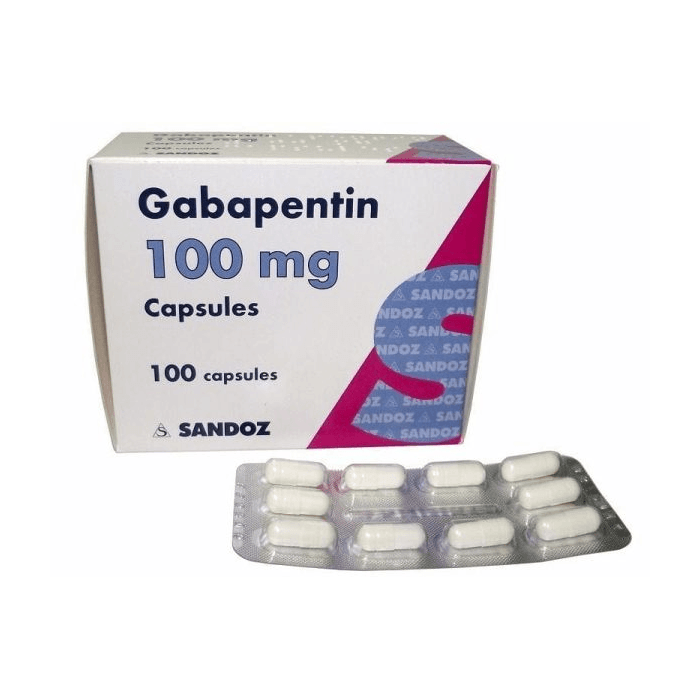
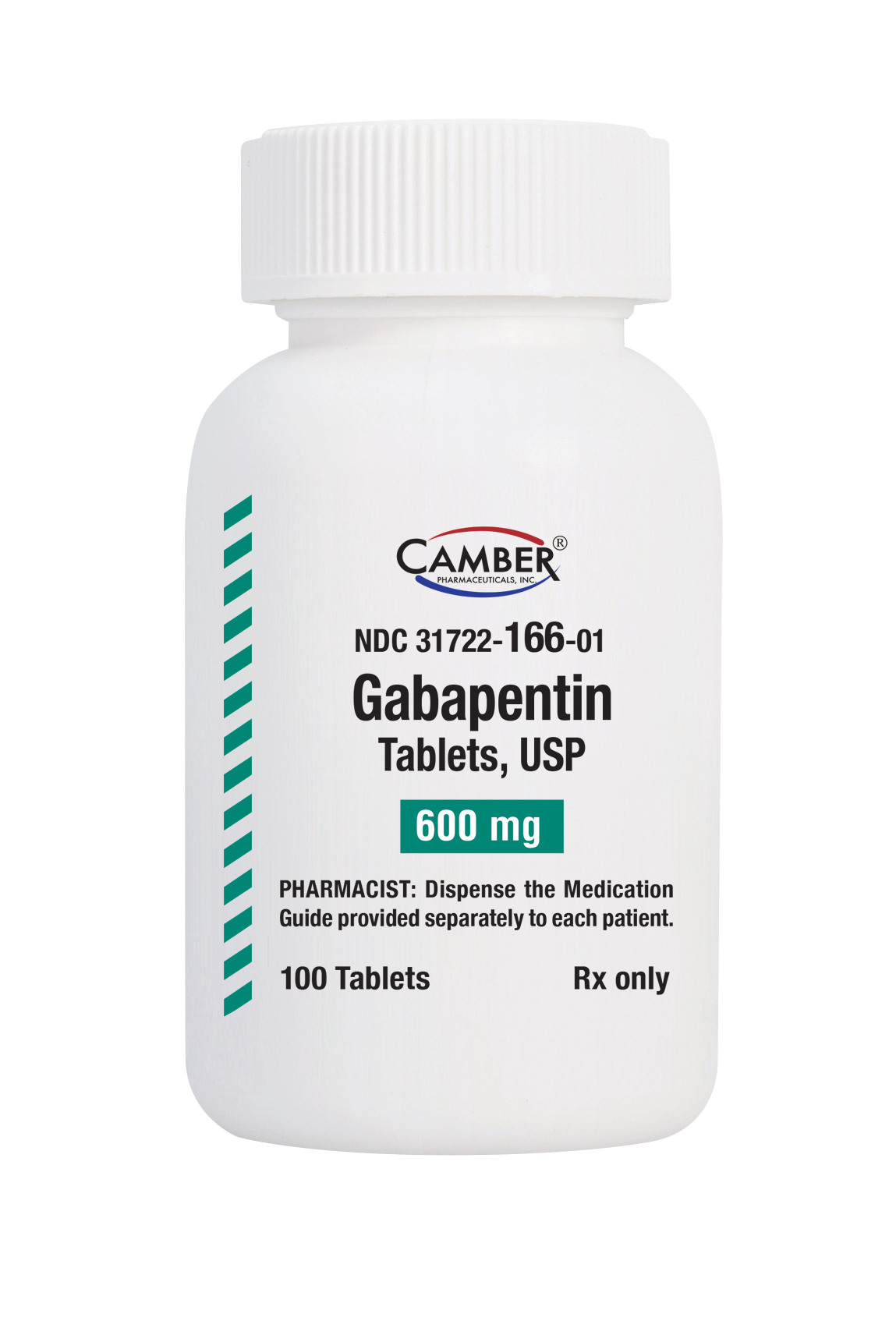
Gabapentin capsules are commonly associated with 100mg, 300mg, and 400mg strengths. Gabapentin tablets may be associated with higher strengths such as 600mg and 800mg. Availability can vary, so choose the strength displayed for purchase and match it to the directions you were given. Do not substitute one strength for another unless a clinician has specifically instructed you to do so.
When reviewing Gabapentin cost, look at how long the quantity may last under the intended schedule. A larger bottle is not automatically the better choice if the strength or form differs from the directions. Cash-pay customers should consider the total amount due, the unit count, and whether any benefit or reimbursement paperwork is handled separately from checkout.
| Detail to match | Why it matters |
|---|---|
| Strength | Strength is shown in milligrams and affects how much gabapentin is taken per unit. |
| Form | Capsules and tablets may come in different strengths and may have different handling directions. |
| Quantity | The unit count affects how long the supply may last under the planned schedule. |
| Generic name | Generic Gabapentin contains gabapentin as the active ingredient, but the exact form still matters. |
| Service context | Cross-border service details may affect ordering logistics without changing clinical suitability. |
Quick tip: Match strength, form, and quantity together before adding the medicine to checkout.
How to Order Gabapentin Online
To order Gabapentin online, start with the oral form and strength that match the intended directions. Choose the quantity, enter the requested order information, and keep the medication label or clinician instructions nearby. We may review order details to help reduce avoidable mismatches before the order moves forward.
Do not choose a different strength because it appears close to the one you expected. Gabapentin 100mg, 300mg, 400mg, 600mg, and 800mg are not interchangeable on a one-for-one basis. Strength changes can change the amount taken, and changes to a seizure or nerve pain regimen should be handled by a healthcare professional.
- Choose the oral form shown in your directions.
- Select the exact milligram strength available for that form.
- Review the unit count before checkout.
- Keep clinician instructions available for reference.
- Read safety, interaction, and storage points before use.
Some customers explore order Gabapentin from Canada service wording because they are comparing cash-pay and cross-border options. Service wording does not replace medication counseling. The medicine, strength, and schedule should remain consistent with professional directions and the label supplied with the order.
Forms, Strengths, and Product Matching
Gabapentin is supplied as oral products, most often capsules or tablets. The capsule strengths often discussed with this medicine include 100mg, 300mg, and 400mg. Tablet strengths may include 600mg and 800mg. The active strength available during ordering should be read carefully because a similar-looking form may contain a different amount of active ingredient.
Gabapentin 300mg is a common strength, but it is only one part of product matching. The form, quantity, and dosing directions also matter. A container with many 300mg units does not define an individual Gabapentin dosage, and a higher-strength tablet should not be used as a substitute for multiple capsules unless the directions explicitly support that plan.
Generic Gabapentin is the generic form of the active ingredient gabapentin. Neurontin is a brand historically associated with gabapentin therapy. Brand names, generic names, and market naming can differ by country, so the practical ordering step is to match the active ingredient, strength, form, and any substitution instructions on the medicine label or clinician directions.
- Capsule strength: read the milligram amount before use.
- Tablet strength: make sure the form matches the directions.
- Quantity: connect the unit count with the intended schedule.
- Substitution notes: follow clinician or pharmacist instructions.
- Tablet splitting: only do this if the label or clinician allows it.
Why it matters: Strength and form mismatches can change the amount of gabapentin taken.
What Gabapentin Treats
Gabapentin belongs to a group of medicines called anticonvulsants. It affects nerve signaling in the brain and nervous system. Authoritative drug references describe approved uses that include partial-onset seizures and postherpetic neuralgia, which is nerve pain that can remain after shingles.
People often describe Gabapentin for neuropathic pain as a nerve-calming medicine rather than a standard pain reliever. It is not an opioid and does not work like ibuprofen, acetaminophen, or anti-inflammatory medicines. For browsing condition categories, the neuropathic pain section and the seizure disorder section keep related products and information organized by treatment area.
When gabapentin is used as a nerve pain medication, the expected benefit may develop gradually and may require monitoring for side effects. For seizure treatment, consistency matters because missed doses or abrupt stopping can increase risk. Individual use decisions should be made with a clinician, especially when other sedating medicines or kidney disease are present.
Storage, Handling, and Delivery Considerations
Store Gabapentin according to the label, usually in a dry place at controlled room temperature. Keep the container tightly closed and away from excess moisture. A bathroom cabinet is often a poor storage place for oral medicines because heat and humidity can affect product quality.
Keep capsules or tablets in the original labeled container whenever possible. The label helps identify the active ingredient, strength, directions, and patient information if questions arise during travel or care transitions. Do not leave the medicine in a hot car, direct sunlight, or an unmarked pill organizer for longer than a pharmacist recommends.
Gabapentin is handled differently from refrigerated medicines that require prompt, express, cold-chain shipping. If packaging arrives damaged, labels are unclear, or capsules or tablets look unusual, pause use and contact a healthcare professional or the order support channel for direction. Do not use medicine that cannot be identified confidently.
Safety, Side Effects, and Monitoring
Common gabapentin side effects include dizziness, sleepiness, tiredness, coordination problems, blurred vision, tremor, nausea, and swelling in the hands or feet. These effects may be more noticeable when starting therapy, after a dose change, or when gabapentin is combined with alcohol or other medicines that slow the nervous system.
Serious reactions need prompt medical attention. Seek urgent help for trouble breathing, severe confusion, fainting, swelling of the face or throat, or a widespread rash. Fever with swollen glands, unusual bruising, or severe skin symptoms also require medical assessment. Anticonvulsant medicines can be associated with new or worsening mood changes or suicidal thoughts in a small number of people.
Kidney function is important because gabapentin is cleared from the body mainly through the kidneys. Older adults and people with kidney disease may be more sensitive to dizziness, sleepiness, or coordination effects. Tell a clinician about breathing problems, depression or mood disorders, substance use concerns, pregnancy, breastfeeding, and any previous allergic reaction to gabapentin.
- Call for urgent help: breathing trouble or facial swelling.
- Contact a clinician: severe dizziness, falls, or confusion.
- Monitor mood: report unusual thoughts or behavior.
- Watch coordination: avoid risky tasks when drowsy.
- Report rash: especially with fever or swollen glands.
Until you know how gabapentin affects you, driving, operating machinery, climbing ladders, or mixing it with alcohol may be unsafe. Sedation and slowed reaction time can raise fall risk. This is especially important for older adults, people taking sleep medicines, and anyone using opioid pain medicines.
Interactions and Practical Use
Gabapentin can interact with substances that depress the central nervous system. Opioids, benzodiazepines, sleep medicines, muscle relaxants, alcohol, and some antihistamines can increase sleepiness and may raise the risk of slowed breathing. Combining sedating products should be discussed with a healthcare professional.
Antacids containing aluminum or magnesium can reduce gabapentin absorption if taken too close together. Follow pharmacist or label instructions for timing if antacids are part of your routine. Do not double up after a missed dose unless a clinician has told you to do that for your specific schedule.
Gabapentin should not be stopped suddenly without medical guidance, especially when used for seizure control. Abrupt stopping can worsen seizures or cause withdrawal-like symptoms in some people. If a dose, strength, or schedule changes, the medicine chosen for the next order may also need to change.
The neurology category can help organize related nervous-system therapies, while the pain and inflammation category separates products used for different pain pathways. These categories are useful for browsing, but they do not determine whether gabapentin is suitable for a specific person.
How Gabapentin Differs From Nearby Options
Gabapentin is not an anti-inflammatory medicine and should not be compared with arthritis or injury pain treatments as a direct substitute. Nerve pain, seizure disorders, shingles-related pain, arthritis pain, and post-surgical pain can require different medicines and monitoring. The best choice depends on the condition being treated and the patient’s health history.
For people browsing broader treatment areas, article categories such as neurology articles and pain and inflammation articles may help prepare questions for a clinician. These materials should support discussion, not replace an individualized treatment plan or medication instructions.
If gabapentin is being considered for an animal, follow a veterinarian’s directions rather than a human dosing schedule. Human and veterinary use can differ, and some liquid products may contain ingredients that are unsafe for pets. The pet medications category keeps veterinary products separate from human product browsing.
Authoritative Sources
The following references support key use, safety, side effect, and handling points. Always follow the medicine label and professional guidance for individual treatment decisions.
- MedlinePlus gabapentin drug information explains uses, precautions, side effects, and interactions.
- NHS gabapentin dosing and use guidance describes common strengths and practical use points.
- Mayo Clinic gabapentin monograph reviews indications, precautions, and adverse effects.
This content is for informational purposes only and is not a substitute for professional medical advice.
eGFR Calculator
Estimate kidney filtration using the 2021 CKD-EPI creatinine equation.
eGFR
-
mL/min/1.73 m2
G category
-
requires clinical context
These calculations are for education only and do not replace clinical advice, diagnosis, or treatment. Always confirm medical decisions with a qualified healthcare professional.
Creatinine Clearance Calculator
Estimate creatinine clearance using the Cockcroft-Gault equation.
CrCl
-
mL/min estimate
These calculations are for education only and do not replace clinical advice, diagnosis, or treatment. Always confirm medical decisions with a qualified healthcare professional.
Express Shipping - from $29.99
Shipping with this method takes 3-5 days
Prices:
- Dry-Packed Products $29.99
- Cold-Packed Products $39.99
Standard Shipping - $19.99
Shipping with this method takes 5-10 days
Prices:
- Dry-Packed Products $19.99
- Not available for Cold-Packed products
What is Gabapentin 300mg used for?
Gabapentin 300mg is one possible strength of gabapentin. Gabapentin is used for partial-onset seizures and postherpetic neuralgia, a type of nerve pain after shingles. Clinicians may also use it for other neuropathic pain conditions when appropriate.
Is Gabapentin the same as Neurontin generic?
Gabapentin is the active ingredient associated with Neurontin. Generic Gabapentin products contain gabapentin, but the exact strength, form, and directions still need to match the intended treatment plan.
What affects the Gabapentin price?
Gabapentin price can vary by strength, capsule or tablet form, quantity, and order service details. Compare the milligram strength and unit count together so the total cost reflects the medicine you actually need.
Can Gabapentin make you sleepy or dizzy?
Yes. Sleepiness, dizziness, tiredness, coordination problems, and blurred vision are common side effects. These effects may increase with alcohol, opioids, sleep medicines, benzodiazepines, and other sedating medicines.
Can Gabapentin be stopped suddenly?
Gabapentin should not be stopped suddenly without medical guidance, especially when used for seizure control. Abrupt stopping can worsen seizures or cause withdrawal-like symptoms in some people.
What should I ask a clinician before using Gabapentin?
Ask about kidney function, breathing problems, mood history, pregnancy or breastfeeding, alcohol use, and other medicines that cause sedation. These factors can affect dose selection, monitoring, and safety.
Rewards Program
Earn points on birthdays, product orders, reviews, friend referrals, and more! Enjoy your medication at unparalleled discounts while reaping rewards for every step you take with us.
You can read more about rewards here.
POINT VALUE
How to earn points
- 1Create an account and start earning.
- 2Earn points every time you shop or perform certain actions.
- 3Redeem points for exclusive discounts.
You Might Also Like
Select options
This product has multiple variants. The options may be chosen on the product page
Select options
This product has multiple variants. The options may be chosen on the product page
Select options
This product has multiple variants. The options may be chosen on the product page
Select options
This product has multiple variants. The options may be chosen on the product page