
Please note: a valid prescription is required for all prescription medication.
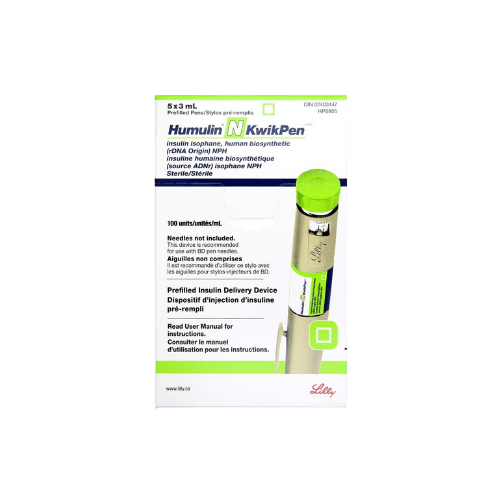
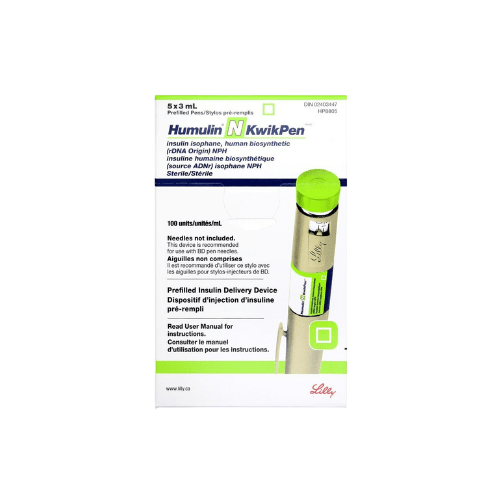
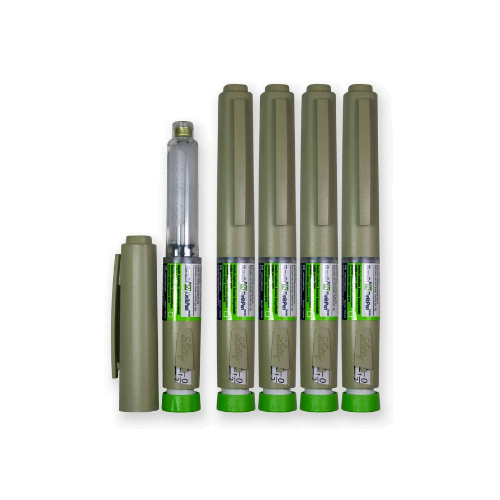
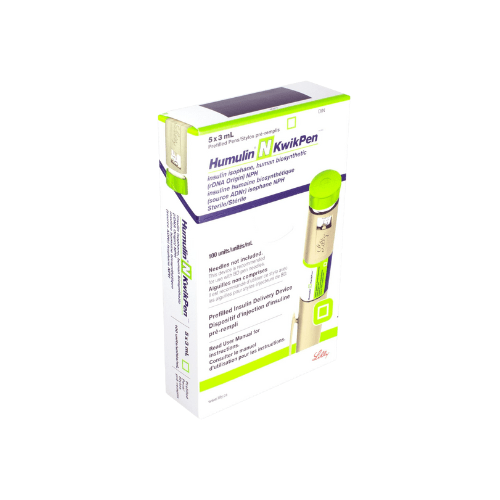
Humulin N KwikPen
Buy Humulin N KwikPen Online
Also available for your pet.


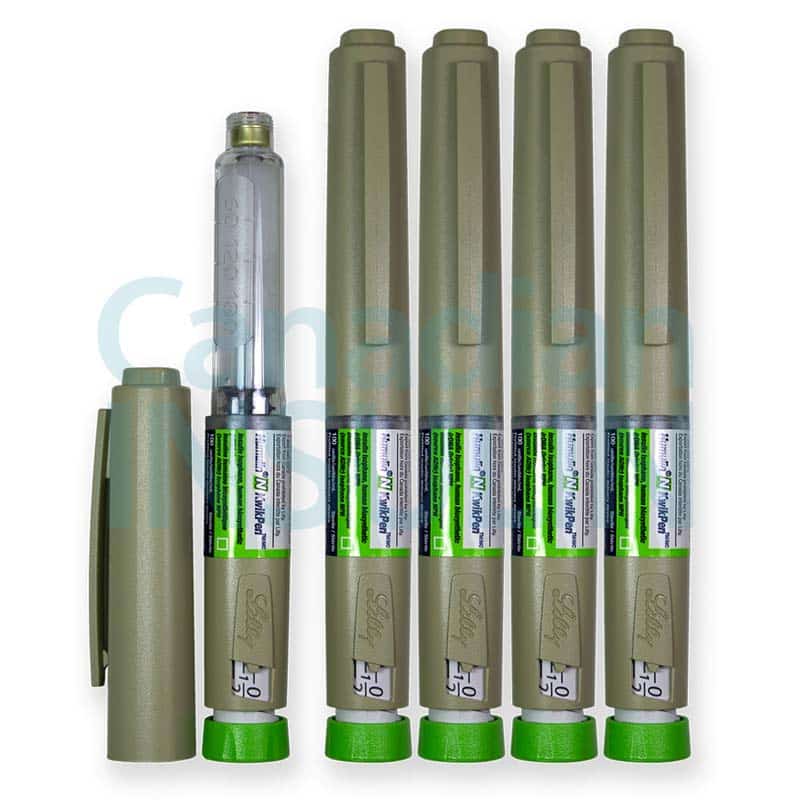
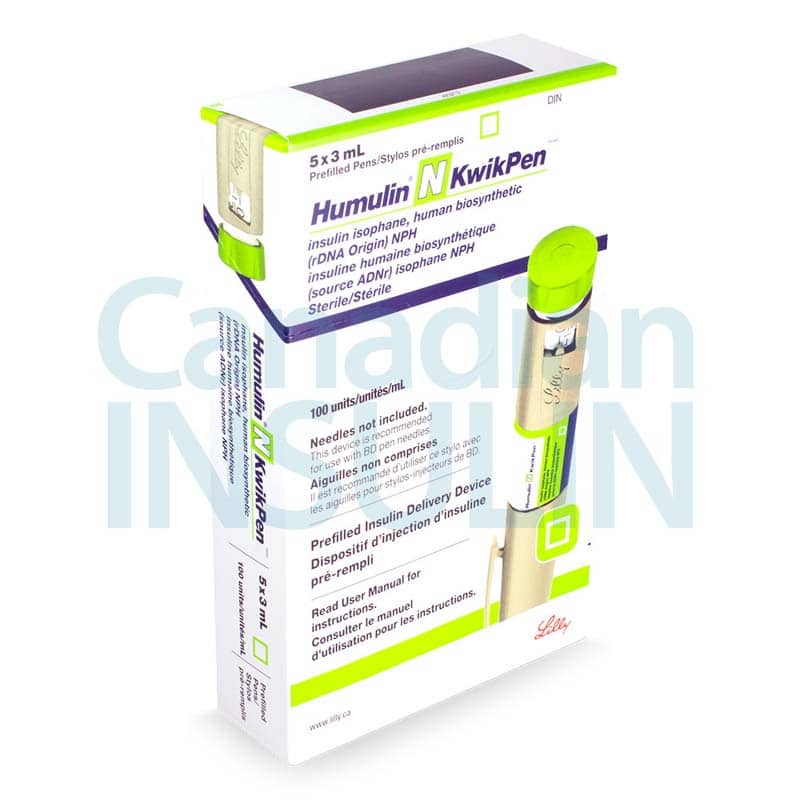
Humulin N KwikPen is a prefilled NPH insulin pen used to help control blood glucose in people with diabetes mellitus. You can buy Humulin N KwikPen online and choose the U-100 pen quantity that matches your clinician-directed insulin plan. Each 3 mL pen contains insulin isophane suspension, an intermediate-acting insulin that must be handled, stored, and used according to its label instructions.
The KwikPen format is designed for people who use a disposable insulin pen rather than a vial and syringe. It contains 100 units of insulin per mL, with 300 total units in each 3 mL pen. The total contents are not a dose recommendation; the number of units, timing, and frequency come from your individual diabetes care plan.
Humulin N KwikPen Price and U-100 Pen Selection
Humulin N KwikPen price comparisons should start with the exact pen format, concentration, and quantity. This product is a U-100 insulin isophane suspension pen, which means the concentration is 100 units/mL. A single 3 mL pen contains 300 total units, while multi-pen quantities contain a higher total number of units.
Humulin N KwikPen cost can vary by quantity, cash-pay status, and whether any coverage is being used outside the store checkout process. If you are looking at the Humulin N KwikPen price without insurance, compare the quantity shown during ordering with the amount written in your current insulin plan. A carton, multiple pens, or a single pen can create very different total unit counts.
Price checks are most useful when the products being compared are truly alike. Match the insulin type, U-100 strength, prefilled pen format, and quantity before comparing Humulin N KwikPen with vials, cartridges, long-acting insulin, rapid-acting insulin, or premixed insulin. Device differences can change the supplies needed and the daily workflow.
| Product detail | What it means for ordering |
|---|---|
| Insulin type | NPH insulin, also called insulin isophane suspension |
| Strength | U-100, or 100 units/mL |
| Pen contents | 3 mL per pen, with 300 total units |
| Device format | Disposable prefilled pen used with compatible pen needles |
| Dose dial | Dials in 1-unit increments, up to 60 units per injection |
Quick tip: Match the insulin name, strength, device, and quantity before comparing totals.
How to Order the NPH Insulin Pen
Order Humulin N KwikPen by choosing the U-100 prefilled pen quantity that matches your current treatment instructions. Keep the insulin name, concentration, and device format in view during checkout. If any wording differs from your insulin plan, ask a healthcare professional to clarify before using the product.
- Choose the device: confirm the disposable KwikPen format.
- Match the strength: look for U-100 or 100 units/mL.
- Review the quantity: distinguish one pen from a multi-pen supply.
- Plan for needles: compatible pen needles are usually separate.
- Prepare storage: insulin is temperature sensitive.
People arranging US delivery from Canada should plan for temperature-sensitive handling and prompt storage after receipt. This insulin may require prompt, express, cold-chain shipping when appropriate for the order and season. Cold-chain planning does not replace inspection when the package arrives.
We may review order details when information needs clarification. Products are supplied through licensed pharmacies, and the insulin received should be stored and inspected according to label directions. Do not use an insulin pen if the product name, concentration, appearance, or device format does not match what you expected.
Strength, Contents, and Device Details
Humulin N KwikPen 100 units/mL contains human insulin isophane suspension. NPH insulin is an intermediate-acting insulin, meaning its activity lasts longer than many mealtime insulins but is not the same as a long-acting basal analog. It is a cloudy suspension after proper mixing, not a clear insulin solution.
The pen is not interchangeable with a vial solely because the active insulin type may be similar. Vials require insulin syringes and a drawing-up step, while the KwikPen lets the user dial a unit amount on the disposable pen. The device can dial in 1-unit increments up to 60 units per injection, but the correct number of units is individualized.
Before each use, follow the manufacturer’s mixing and priming instructions. NPH insulin must be gently mixed until it looks uniformly cloudy. Do not use it if it remains clumped, has particles stuck to the container, looks discolored, or has been frozen or overheated.
- Inspect first: look at the expiration date and insulin appearance.
- Mix as directed: the suspension should become uniformly cloudy.
- Prime the pen: use the labeled priming steps before injection.
- Use a new needle: attach a compatible needle for each injection.
- Never share pens: sharing can transmit infection, even with a new needle.
What Humulin N KwikPen Is Used For
Humulin N KwikPen is used to improve blood glucose control in people with diabetes mellitus. Diabetes includes conditions where the body does not make enough insulin, does not use insulin effectively, or both. Insulin treatment helps move glucose from the blood into body tissues where it can be used for energy.
People with type 1 diabetes require insulin therapy because the body produces little or no insulin. People with type 2 diabetes may use insulin when other measures do not provide enough glucose control or when insulin is otherwise clinically appropriate. Broader information about the condition is available in the diabetes section.
NPH insulin may be used as part of a wider insulin schedule. Some plans combine intermediate-acting insulin with mealtime insulin, while others use different basal insulin strategies. Do not substitute Humulin N KwikPen for rapid-acting, short-acting, long-acting, or premixed insulin unless a clinician changes the treatment plan.
How Intermediate-Acting Insulin Differs From Other Insulins
Humulin N KwikPen is an intermediate-acting insulin pen. Its timing profile differs from regular human insulin, rapid-acting insulin analogs, long-acting insulin analogs, and premixed products. Those differences matter because insulin timing is linked to meals, glucose readings, activity, and low blood sugar risk.
Humulin brand names can look similar, but they do not all contain the same insulin type. Humulin N contains NPH insulin. Humulin R contains regular human insulin. Premixed products contain fixed combinations. A brand-family match alone is not enough to choose an insulin safely.
For category-level browsing, see intermediate acting insulin. The broader insulin medications category can help you distinguish nearby insulin classes, but the insulin name, strength, and device in your own plan remain the key selection points.
Storage, Handling, and Arrival Checks
Humulin N KwikPen storage is important because insulin can lose quality after freezing, overheating, or prolonged temperature exposure. Unopened pens are generally stored in a refrigerator at 2°C to 8°C unless the label or pharmacist provides different instructions. Do not freeze insulin, and do not use a pen that has been frozen.
Once a pen is in use, follow the labeled in-use storage period and temperature instructions. Humulin N pens are commonly kept at room temperature after first use and discarded after the allowed in-use period. Keep the cap on when the pen is not being used, and remove the needle after injection to reduce leakage, air entry, and contamination risk.
Inspect the package promptly after it arrives. Cold packs may no longer be frozen, but the pen should not appear damaged, frozen, clumped, or discolored. If the suspension does not become uniformly cloudy after gentle mixing, do not inject it until a healthcare professional advises you.
Why it matters: Temperature history can affect whether an insulin pen should be used.
Side Effects, Warnings, and Monitoring
The most common safety concern with insulin is hypoglycemia, or low blood sugar. Symptoms may include shakiness, sweating, fast heartbeat, hunger, dizziness, headache, irritability, confusion, or weakness. Severe low blood sugar can lead to seizure, loss of consciousness, or death if not treated urgently.
Low blood sugar risk may rise with missed meals, extra physical activity, alcohol, dosing mistakes, illness, or changes in other medicines. Some people have fewer warning symptoms, especially after repeated lows or long-standing diabetes. Follow your glucose monitoring plan and ask your care team how to treat readings that are too low or too high.
Other possible effects include weight gain, swelling, injection-site reactions, itching, rash, or skin changes where injections are repeated. Rotating injection sites can help reduce lumps, pits, or thickened areas under the skin. Serious allergic reactions are uncommon but require urgent care, especially with trouble breathing, wheezing, widespread rash, fast heartbeat, dizziness, or swelling of the face, lips, tongue, or throat.
Humulin N should not be used during an episode of hypoglycemia or by anyone with a known allergy to human insulin isophane or any ingredient in the product. Insulin can also lower blood potassium, which can be clinically important for some people. Contact a healthcare professional if you have repeated lows, unexplained highs, signs of allergy, or changes in your usual glucose pattern.
Interactions and Daily Precautions
Insulin needs can change when medicines are started, stopped, or adjusted. Drugs that may affect blood sugar include corticosteroids, diuretics, beta blockers, thyroid medicines, some antidepressants, oral diabetes medicines, and alcohol. Beta blockers may also make some low blood sugar symptoms harder to notice.
Thiazolidinediones, often called TZDs, can increase fluid retention when used with insulin and may worsen heart failure in susceptible people. Tell a healthcare professional about swelling, shortness of breath, rapid weight gain, or reduced exercise tolerance. Medicine changes should be coordinated with glucose monitoring rather than managed from product information alone.
Driving, exercise, travel, illness, and meal timing can all affect glucose patterns. Keep fast-acting carbohydrates available if your clinician has recommended them. Carry insulin and supplies safely during travel, protect pens from direct heat or freezing, and avoid leaving insulin in a parked vehicle.
Needles, Priming, and Safe Pen Use
Humulin N KwikPen is used with compatible pen needles, which are typically obtained separately. A new needle should be attached for each injection and removed after use. Leaving a needle attached can allow leakage, air entry, clogging, or contamination.
Priming helps confirm that insulin flows through the needle before the dose is delivered. Follow the manufacturer’s instructions for preparing, mixing, priming, dialing, injecting, and holding the pen in place. Do not attempt to transfer insulin from the pen into a syringe unless a healthcare professional specifically instructs you, because device markings and concentration can create dosing risk.
Never share a KwikPen with another person, even if the needle is changed. Blood or tissue fluid can enter the device during use. Sharing injection devices can transmit serious infections.
Related Diabetes and Insulin Categories
Humulin N KwikPen may be one part of a larger diabetes treatment plan. The diabetes products category includes medications and supplies used across different diabetes care needs. The diabetes medications category can help place insulin alongside other treatment classes.
Category browsing is useful when you need to understand insulin class differences, but it should not lead to self-substitution. NPH insulin, regular insulin, rapid-acting insulin, long-acting insulin, and premixed insulin have different timing profiles. Device formats also matter because pens, vials, and cartridges use different supplies.
For educational context, the diabetes articles section covers broader topics that may help you prepare questions for a clinician. Condition-specific article categories for type 1 diabetes and type 2 diabetes may also be useful when reviewing glucose monitoring, insulin routines, and daily treatment considerations.
Authoritative Sources
Official manufacturer instructions: Humulin N KwikPen Instructions for Use.
Independent product summary: American Diabetes Association Humulin N Summary.
This content is for informational purposes only and is not a substitute for professional medical advice.
Blood Glucose Unit Converter
Convert glucose readings between mg/dL and mmol/L without changing the clinical value.
mg/dL
-
US reporting unit
mmol/L
-
International reporting unit
These calculations are for education only and do not replace clinical advice, diagnosis, or treatment. Always confirm medical decisions with a qualified healthcare professional.
HbA1c & eAG Calculator
Convert between HbA1c percentage and estimated average glucose using the ADAG relationship.
HbA1c
-
percentage
eAG mg/dL
-
estimated average glucose
eAG mmol/L
-
estimated average glucose
These calculations are for education only and do not replace clinical advice, diagnosis, or treatment. Always confirm medical decisions with a qualified healthcare professional.
HOMA-IR Calculator
Estimate insulin resistance from fasting glucose and fasting insulin values collected from the same blood draw.
HOMA-IR
-
screening estimate, not a diagnosis
Formula used
-
depends on glucose unit
These calculations are for education only and do not replace clinical advice, diagnosis, or treatment. Always confirm medical decisions with a qualified healthcare professional.
Carb Serving Calculator
Convert total carbohydrate grams into carb choices for meal planning and diabetes education.
Carb choices
-
total carbs divided by choice size
Rounded choices
-
nearest half choice
Carb calories
-
4 kcal per gram
These calculations are for education only and do not replace clinical advice, diagnosis, or treatment. Always confirm medical decisions with a qualified healthcare professional.
Corrected Sodium Calculator
Estimate sodium corrected for hyperglycemia using common 1.6 and 2.4 correction factors.
Corrected sodium
-
1.6 factor
Corrected sodium
-
2.4 factor
These calculations are for education only and do not replace clinical advice, diagnosis, or treatment. Always confirm medical decisions with a qualified healthcare professional.
Customer Reviews
3.7 Based on 3 Reviews
Write a Review Ask a Question - Reviews
- Questions
Filter Reviews:
R(
12/03/2022
Rachel (.  US
USI recommend this product
Very pleased
This item is perfect for dogs and cats
MH
11/04/2022
Melodie H. USI recommend this product
Poor communication
Very disappointing. I was not provided an email confirmation with shipping information and shipping was delayed for at least a week in the United States. The product is temperature sensitive and they do not protect the product for these type of delays.
RB
09/13/2022
Richard B. USI recommend this product
Great source
Excellent experience and quick service and shipping.
Express Shipping - from $29.99
Shipping with this method takes 3-5 days
Prices:
- Dry-Packed Products $29.99
- Cold-Packed Products $39.99
Standard Shipping - $19.99
Shipping with this method takes 5-10 days
Prices:
- Dry-Packed Products $19.99
- Not available for Cold-Packed products
What is Humulin N KwikPen used for?
Humulin N KwikPen is used to help improve blood glucose control in people with diabetes mellitus. It contains NPH insulin, an intermediate-acting insulin that may be used as part of an individualized insulin schedule.
How many units are in a Humulin N KwikPen?
Each Humulin N KwikPen is a 3 mL U-100 pen. U-100 means 100 units/mL, so one 3 mL pen contains 300 total units. That total is the pen contents, not a recommended injection dose.
Is Humulin N KwikPen the same as Humulin R?
No. Humulin N contains NPH insulin, also called insulin isophane suspension. Humulin R contains regular human insulin. They have different action profiles and should not be substituted without clinical direction.
How should Humulin N KwikPen be stored?
Unopened pens are generally refrigerated at 2°C to 8°C and should not be frozen. After first use, follow the labeled in-use storage instructions and discard the pen after the allowed in-use period.
What are common Humulin N KwikPen side effects?
Low blood sugar is the most important common risk. Other possible effects include weight gain, swelling, injection-site reactions, itching, rash, and skin changes at repeated injection sites. Severe allergy symptoms need urgent care.
Do Humulin N KwikPen needles come attached?
The pen is designed for use with compatible pen needles, which are usually supplied separately. Attach a new needle for each injection, prime as directed, and remove the needle after use.
Rewards Program
Earn points on birthdays, product orders, reviews, friend referrals, and more! Enjoy your medication at unparalleled discounts while reaping rewards for every step you take with us.
You can read more about rewards here.
POINT VALUE
How to earn points
- 1Create an account and start earning.
- 2Earn points every time you shop or perform certain actions.
- 3Redeem points for exclusive discounts.
You Might Also Like
Select options
This product has multiple variants. The options may be chosen on the product page
Select options
This product has multiple variants. The options may be chosen on the product page
Select options
This product has multiple variants. The options may be chosen on the product page
Select options
This product has multiple variants. The options may be chosen on the product page