
Please note: a valid prescription is required for all prescription medication.
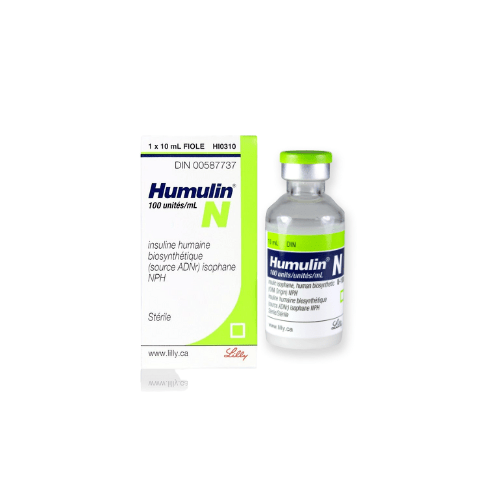
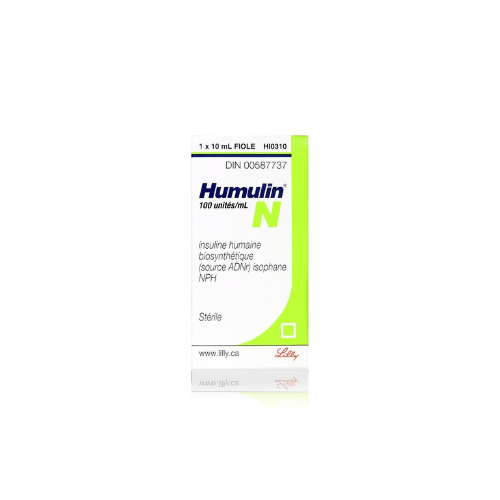
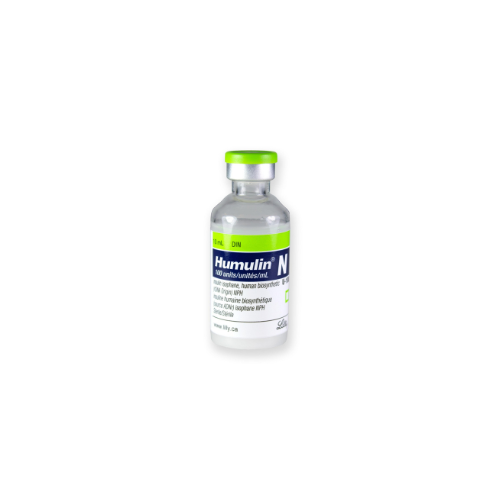
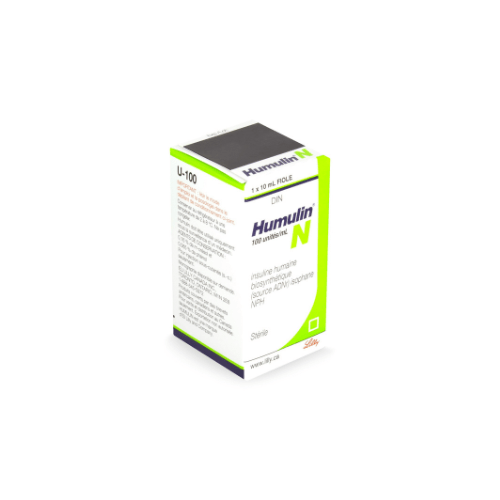
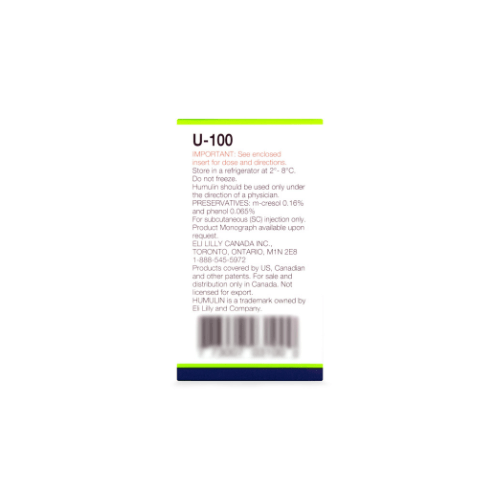
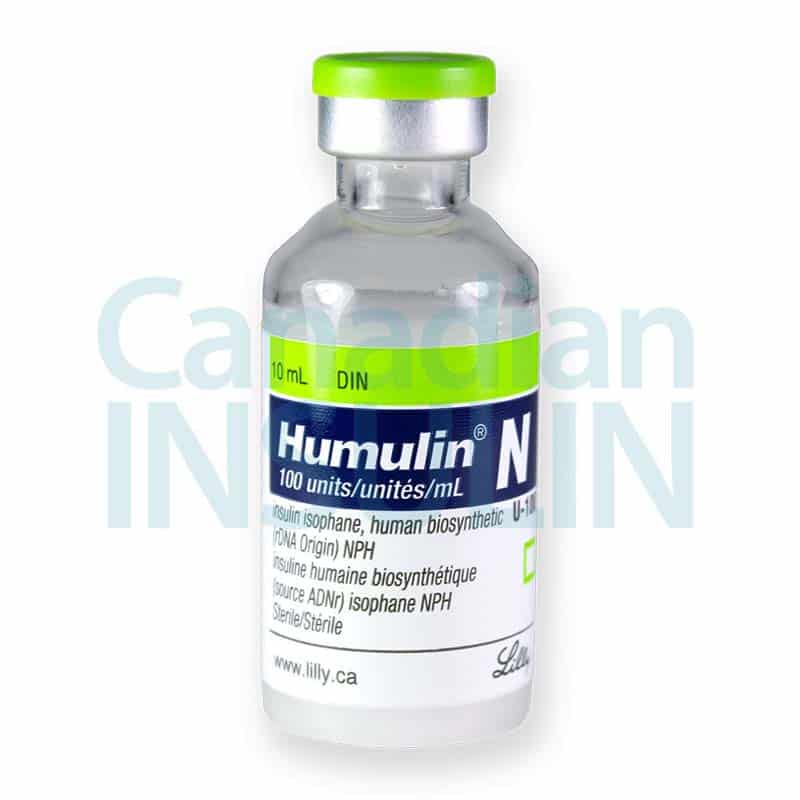
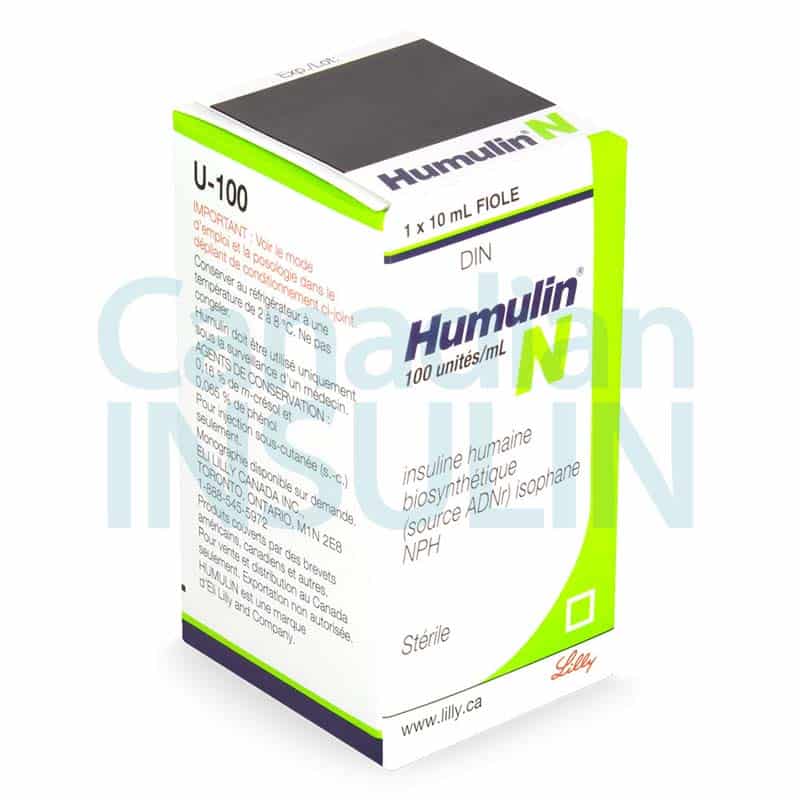
Humulin N Vial
Humulin N Vial Buying Information and Safe Use
Also available for your pet.
Price:
$59.99
You save


This page helps people assess Humulin N Vial before pursuing a prescription-based purchase, including what it is used for, how the vial is handled, and which safety points matter first. It is an intermediate-acting human insulin suspension used to help control blood sugar, and the liquid is cloudy, so it must be gently resuspended before each injection. This is a product page for people exploring how to buy it or start the prescription-check process needed to get it safely.
Some patients explore US delivery from Canada when local supply or coverage options differ and eligibility allows.
How to Buy Humulin N Vial and What to Know First
Humulin N is NPH insulin, also called insulin isophane human. In vial form, it is used with a U-100 insulin syringe for subcutaneous injections. The vial format can suit patients who already use syringes, need flexible measurement, or are following a long-established diabetes routine. This service uses a prescription-referral model rather than direct in-house dispensing. Before pursuing a purchase, confirm that the treatment plan matches an intermediate-acting insulin and that the prescribed device format is a vial rather than a pen.
This medicine is not the fast-acting type used for urgent correction needs. It is meant for scheduled use as part of a broader diabetes regimen. Because it is a suspension, the appearance of the insulin matters each time the vial is handled. After gentle rolling and turning, the liquid should look evenly cloudy or milky. If clumps remain, or white material sticks to the glass, the vial should not be used.
- Check the insulin type, not just the brand name.
- Use a U-100 syringe with a U-100 vial.
- Inspect the cloudy suspension after mixing.
- Know the signs of low blood sugar.
These basics help keep the product decision practical. They also reduce mix-ups between vial, pen, intermediate-acting, and shorter-acting insulin products. When required, prescription details may also be confirmed with the prescriber before a pharmacy review moves forward.
Who It’s For and Access Requirements
For adults or children with diabetes who have been prescribed NPH insulin, Humulin N Vial may be one option when a vial-and-syringe format fits the care plan. People reviewing treatment paths for Diabetes sometimes compare it with other choices in the Intermediate Acting section. If the role of this insulin class is unfamiliar, the site’s overview of Intermediate Acting Insulin can help explain where it fits.
High-level eligibility is only part of the picture. This insulin should not be used during a current episode of low blood sugar, and patients with repeated hypoglycemia, major diet changes, kidney or liver problems, or pregnancy-related questions usually need closer clinician review. Access may also depend on prescription validity, prescriber details, the requested quantity, and local pharmacy rules. Those checks help confirm that the product, strength, and format match the original treatment intent before dispensing is considered.
Dosage and Usage
Dose schedules for NPH insulin are individualized. Some regimens use it once daily, while others use it twice daily or alongside mealtime insulin. The vial is for subcutaneous injection, not a one-size-fits-all correction tool, and dose changes should come from the clinician directing diabetes care. Blood glucose monitoring usually remains part of the routine because food intake, exercise, illness, stress, and other medicines can change insulin needs.
Quick tip: Roll the vial gently and turn it upside down and right side up before drawing a dose; do not shake it hard.
When a vial is used, the syringe should match the insulin concentration. Humulin N uses U-100 dosing, so it should be measured only with a U-100 insulin syringe unless a clinician gives specific alternate instructions. Injection sites are commonly rotated within the recommended areas to reduce skin thickening or pitting over time. People comparing device formats may also find the guide on Insulin Pen Vs Syringe useful before discussing a switch.
- Resuspend first, then inspect.
- Use the prescribed syringe type.
- Rotate injection sites regularly.
- Follow the clinician’s timing plan.
- Do not share needles or syringes.
People often search for universal timing rules, including the so-called 3-hour rule, but NPH insulin timing is not safely reduced to one online shortcut. Missed doses, extra doses, and correction strategies should follow the person’s own diabetes plan and label instructions rather than a generic internet rule.
Strengths and Forms
This page focuses on the Humulin N Vial presentation supplied as a multidose vial. It contains human insulin isophane, also called NPH insulin, in a cloudy injectable suspension. The common vial presentation is 100 units/mL, which means each 10 mL vial contains 1,000 units in total. The site’s NPH Insulin guide gives broader background if the class is unfamiliar. Availability of pack size or alternate presentation can vary by market and pharmacy source.
| Feature | Details |
|---|---|
| Insulin type | Intermediate-acting human insulin isophane |
| Strength | 100 units/mL U-100 |
| Container | 10 mL multidose vial |
| Total amount | 1,000 units per vial |
| Appearance | Cloudy suspension after gentle mixing |
| Administration | Subcutaneous injection with a U-100 syringe |
The vial format is different from a prefilled pen. That difference affects handling, injection supplies, and training needs, even when the insulin molecule itself is similar.
Storage and Travel Basics
Unopened insulin is usually kept refrigerated and protected from freezing, direct heat, and strong light. A vial that has frozen should not be used. Once in use, the carton or product insert should be checked for the correct in-use temperature range and discard timing for that specific pack. Marking the date a vial is first opened can make routine storage safer and easier to track.
Because this insulin is a suspension rather than a clear solution, inspection is part of normal handling. After gentle rolling or turning, it should look evenly cloudy. If it separates unusually, contains lumps, or leaves a white coating that does not disperse, the vial should be set aside. The site’s Cloudy Insulin guide may help explain why appearance checks matter with NPH products.
For day trips or longer travel, keep the vial within the labeled temperature limits and avoid direct contact with ice packs. Carrying the prescription label and usual glucose-monitoring supplies can also make travel simpler if routine is disrupted.
Side Effects and Safety
The most important safety issue with Humulin N is low blood sugar. Symptoms can include shakiness, sweating, hunger, headache, dizziness, blurred vision, irritability, or confusion. Common problems can also include mild injection-site reactions, swelling in the hands or feet, and weight gain. Skin changes at frequently used injection sites can alter insulin absorption, which is one reason site rotation matters.
Why it matters: Low blood sugar risk can change quickly when meals, activity, illness, or other diabetes medicines change.
More serious reactions need urgent attention. Severe hypoglycemia may cause trouble speaking, loss of coordination, seizure, or loss of consciousness. Rare but important allergic reactions can involve rash, widespread itching, wheezing, or facial swelling. Insulin can also lower potassium, which is another reason clinicians review the full health picture before and during treatment, especially when other medicines or medical conditions are involved.
Humulin N Vial should be monitored carefully when routines change. Skipped meals, alcohol use, vomiting, infection, or a new exercise pattern can shift insulin needs. If blood sugar readings start trending unexpectedly high or low, the next step is usually to review the care plan, technique, and monitoring log with a clinician instead of making improvised changes.
Drug Interactions and Cautions
Many medicines can affect glucose control or change how warning signs feel. Other diabetes drugs may increase the risk of low blood sugar when combined with insulin. Beta-blockers can sometimes mask symptoms such as a fast heartbeat. Corticosteroids, certain diuretics, some psychiatric medicines, and hormone-related treatments can push glucose higher and change insulin requirements.
Alcohol can also make readings less predictable. Kidney or liver impairment, recent illness, major changes in eating pattern, and unexpected weight change may alter how the body responds to insulin. Any plan to mix insulin types, switch brands, or change devices should be reviewed carefully because even familiar insulin names can behave differently in day-to-day use.
Patients with heart failure or fluid-retention risk should also mention if they use a thiazolidinedione medicine, because that combination can worsen swelling in some people. A current medication list, including nonprescription products, is useful whenever insulin therapy is reviewed.
Compare With Alternatives
One nearby alternative on this site is Humulin N KwikPen. It uses the same type of intermediate-acting insulin, but the delivery device is different. A pen may appeal to people who prefer dialed dosing and a more portable format, while a vial may suit those already comfortable drawing doses with a syringe or those whose care plan specifically names a vial.
Another comparison point is Humulin R. That product is regular human insulin, not NPH insulin, and it has a different onset and role in glucose control. It is not a direct replacement for Humulin N just because both come in vials and share a brand family. The timing of meals, monitoring, and dose planning can differ meaningfully between the two.
A broader alternative class is long-acting basal insulin analogs. Those products may have flatter activity profiles and different device options, but switching is not one-for-one. The right comparison depends on glucose pattern, clinician goals, device preference, coverage rules, and whether a person needs a vial, a pen, or a different insulin profile altogether.
Prescription, Pricing and Access
For many patients, Humulin N Vial access starts with a valid prescription that matches the insulin name, strength, and vial format being requested. Licensed partner pharmacies dispense insulin where local rules permit. Record review may include prescriber details, product quantity, and any information needed to verify the order before fulfilment is considered.
Out-of-pocket totals vary widely. Some patients compare cash-pay options, while others rely on plan coverage, but the final amount can depend on jurisdiction, refill quantity, partner-pharmacy terms, and whether extra supplies are needed alongside the vial. For people paying without insurance, syringes and monitoring items can affect overall expense as much as the insulin itself. The page on Promotions Information may help explain general program details when available.
Not every request proceeds the same way. Prescription confirmation, local rules, and product availability can all affect whether a pharmacy can dispense a given item. Cross-border fulfilment can also depend on eligibility and jurisdiction, so it is better to view this page as decision support before pursuing a purchase rather than as a guarantee of supply.
Authoritative Sources
For official handling directions, see the Humulin N instructions for use from Lilly.
For label-based safety and prescribing details, review Humulin N on DailyMed.
For patient-focused diabetes context, review the American Diabetes Association consumer guide entry.
When dispensing is permitted and temperature control is needed, partner pharmacies may use prompt, express, cold-chain shipping.
This content is for informational purposes only and is not a substitute for professional medical advice.
Customer Reviews
4.8 Based on 12 Reviews
Write a Review Ask a Question - Reviews
- Questions
Filter Reviews:
M(
07/14/2023
Marek (.  US
USI recommend this product
arrived on time
arrived on time but ice packs were melted. the bottles were warm. 2 ice packs is not enough. please add more
07/26/2023
CanadianInsulin.com
Hi Marek,Thank you for bringing this matter to our attention. We apologize for the inconvenience caused by your recent order. We understand the importance of keeping the medication cold for optimal effectiveness.To address this matter, we'll assign someone to reach out immediately to offer suitable solution and uncover any underlying issue to prevent recurrence of the same issue.We look forward to resolving this matter with you and your patience is highly appreciated.Have a great day!
SB
05/10/2023
Sara B. USI recommend this product
shipment of insulin
need to have more cold packs because our mail doesn't get here in time before the cold wears off.
05/12/2023
CanadianInsulin.com
Hi Sara,Thank you for your feedback regarding your recent order. We apologize for any inconvenience caused by the inadequate number of cold packs provided. We take the safe delivery of our products seriously and we are committed to ensuring they arrive in excellent condition.We'd love to know more about what happened. With this, we'll assign someone to contact you urgently to discuss your order and determine the appropriate course of action.Thank you for choosing Canadian Insulin, and we look forward to speaking with you soon.
AW
03/14/2023
Andra W. USI recommend this product
Thank you for this affordable medicine to make my life more enjoyable easing the stress of cost for this senior. Bless you Canadian insulin
M(
03/09/2023
Michael (. USI recommend this product
Insulin
Excellent great service
MW
03/01/2023
marek w. USI recommend this product
Great Customer Service
Excellent and Helpful customer service.
Express Shipping - from $25.00
Shipping with this method takes 3-5 days
Prices:
- Dry-Packed Products $25.00
- Cold-Packed Products $35.00
Standard Shipping - $15.00
Shipping with this method takes 5-10 days
Prices:
- Dry-Packed Products $15.00
- Not available for Cold-Packed products
What is Humulin N Vial used for?
Humulin N Vial is an intermediate-acting NPH human insulin used to help manage blood sugar in adults and children with diabetes. It is commonly used to provide background insulin coverage between meals and overnight, often as part of a broader insulin plan. It is not the same as rapid-acting or mealtime insulin, so its role, timing, and monitoring plan are different.
Does Humulin N Vial need to be mixed before use?
Yes. Humulin N is a cloudy suspension, not a clear solution, so the vial should be gently rolled and turned before each dose to re-suspend the insulin evenly. It should not be shaken hard. After mixing, the liquid should look uniformly cloudy or milky. If there are clumps, heavy particles, or white material stuck to the glass, the vial should not be used.
How many units are in a Humulin N vial?
The common Humulin N vial presentation is 10 mL at 100 units/mL, which equals 1,000 total units in the vial. That total number does not mean the dose is 1,000 units. Each prescribed dose is measured separately with a U-100 insulin syringe according to the treatment plan. The total content simply helps patients understand how much insulin the container holds.
What side effects or blood sugar changes should be watched for?
The main issue to watch for is low blood sugar. Early signs can include sweating, shakiness, hunger, headache, dizziness, blurred vision, or confusion. Some people also notice injection-site irritation, swelling, or weight gain. More serious warnings include severe weakness, trouble speaking, seizure, fainting, or signs of an allergic reaction such as wheezing or facial swelling. Blood sugar patterns should also be watched more closely when meals, activity, illness, or other medicines change.
What should be discussed with a clinician before starting or switching to Humulin N?
Helpful topics include the current insulin regimen, history of low blood sugar, kidney or liver problems, pregnancy, meal schedule, activity level, and other medicines that could affect glucose. It is also useful to confirm whether a vial or pen is intended, what kind of syringe is needed, how often glucose should be checked, and what to do about missed doses or abnormal readings. Those details matter when comparing one insulin routine with another.
Does the 3-hour rule apply to Humulin N?
The 3-hour rule is a broad internet phrase, not a standard Humulin N instruction. People use it to talk about spacing insulin actions or avoiding extra correction doses too close together, but NPH insulin timing depends on the person’s own regimen and goals. Because this insulin has a distinct onset and peak pattern, any correction strategy or missed-dose plan should come from the clinician managing the diabetes plan rather than a generic rule.
Rewards Program
Earn points on birthdays, product orders, reviews, friend referrals, and more! Enjoy your medication at unparalleled discounts while reaping rewards for every step you take with us.
You can read more about rewards here.
POINT VALUE
How to earn points
- 1Create an account and start earning.
- 2Earn points every time you shop or perform certain actions.
- 3Redeem points for exclusive discounts.
You Might Also Like
Select options
This product has multiple variants. The options may be chosen on the product page
Select options
This product has multiple variants. The options may be chosen on the product page
Select options
This product has multiple variants. The options may be chosen on the product page
Select options
This product has multiple variants. The options may be chosen on the product page
Related Articles
Type 2 Diabetes,
Generic Liraglutide For Weight Loss: A Practical Guide
People searching for generic liraglutide for weight loss usually want clear answers on three points: whether an approved lower-cost version exists, how it differs from brand-name products, and what access…
Type 2 Diabetes,
Liraglutide Vs Semaglutide Comparison Guide For Patients
Key Takeaways People searching liraglutide vs semaglutide usually want a practical comparison, not a slogan. The most useful differences involve formulation, schedule, approved uses, side effect patterns, and the paperwork…
Weight Management
Generic Zepbound: Availability, Status, and Options
Key Takeaways Patients and caregivers often search for generic zepbound when they need a clear answer about availability, labeling, and lower-cost access. The term is common online, but it does…
Type 2 Diabetes,
Oral Wegovy Explained: Facts, Risks, and Access Options
The phrase oral wegovy is best understood as a search term, not a settled product name. Most people use it to mean a pill version of semaglutide for weight management,…