
Please note: a valid prescription is required for all prescription medication.
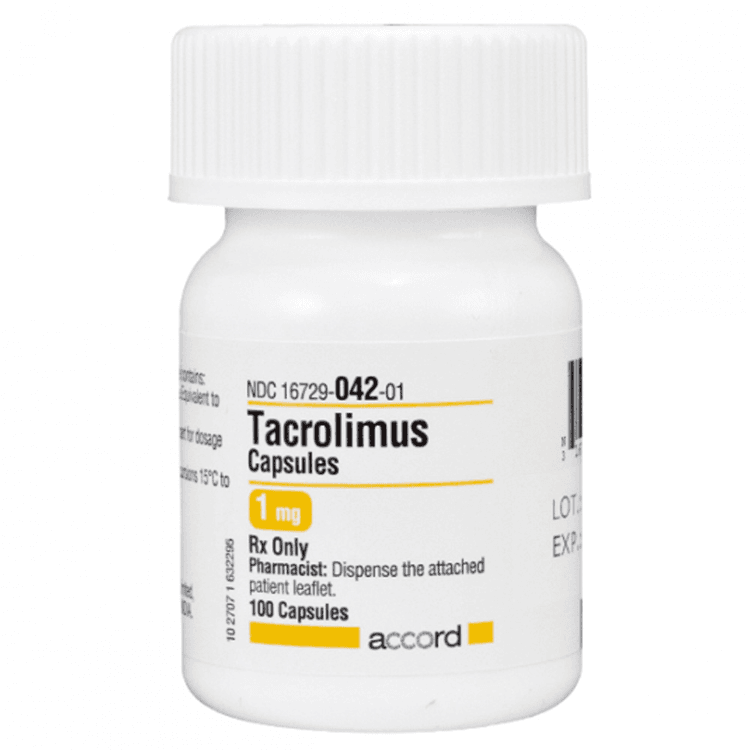
Tacrolimus HGC
Buy Tacrolimus HGC Online


Tacrolimus HGC is an immunosuppressant medicine used in clinician-managed transplant care. It can be bought online by choosing the capsule strength and quantity shown during ordering and matching them to current clinic directions. Review the dose, form, supply size, and safety considerations carefully because tacrolimus requires consistent use and monitoring.
Tacrolimus is a calcineurin inhibitor, meaning it lowers certain immune signals that can contribute to organ rejection. The medicine has a narrow therapeutic range, so small changes in strength, timing, interacting medicines, or kidney function can matter. Keep the capsule choice tied to the most current treatment plan rather than substituting by product name alone.
Tacrolimus HGC Price, Capsules, and Strength Selection
Tacrolimus HGC price should be read together with the capsule strength, total capsule count, and supply size shown during ordering. A lower number is not always the lower practical cost if it reflects fewer capsules or a different strength. The most useful comparison is the same medicine, same form, same strength, and same quantity.
Capsule strength is clinically important with tacrolimus. If a clinic has directed a specific strength such as tacrolimus 0.5mg capsules or tacrolimus 1mg capsules, the strength chosen for the order should match those directions. Do not use a different strength to recreate the same total daily amount unless a clinician has specifically instructed you to do that.
Cash-pay customers often compare tacrolimus cost across supply sizes, especially when paying without insurance. Recheck the final cart details after changing quantity or strength, since the displayed amount may update with the capsule count. For US delivery from Canada, review the order and address information before submitting so the medicine and shipment details stay consistent.
Quick tip: Match the product name, capsule strength, form, and quantity to the latest clinic instructions before checkout.
| Detail to verify | Why it matters |
|---|---|
| Capsule strength | Small mg changes can alter tacrolimus exposure. |
| Dosage form | Oral capsules differ from ointments, injections, and extended-release products. |
| Total quantity | Capsule count affects supply length and refill planning. |
| Manufacturer line | It helps avoid confusion between similar tacrolimus products. |
How to Order Tacrolimus HGC Online
Order Tacrolimus HGC online by selecting the capsule strength and quantity that match the active treatment directions. Enter patient, clinic, contact, and shipping information consistently so the order can be reviewed against the information provided. If your clinic recently changed the strength, timing, or target tacrolimus level, update the order before completing checkout.
Capsule products with the same active ingredient are not always interchangeable in practice. Immediate-release oral tacrolimus capsules are different from topical tacrolimus ointment and extended-release tacrolimus products. Switching between brand lines, release types, or dosage forms can require clinician direction and additional blood-level monitoring.
Keep a current medicine list nearby when ordering. Tacrolimus interacts with many common medicines and supplements, so accurate medication information can prevent delays and helps support safe use. If any recent hospitalization, infection treatment, or antibiotic change occurred, ask the transplant team whether tacrolimus monitoring needs to be repeated.
What Tacrolimus Medication Is Used For
Tacrolimus medication is commonly used with other therapies to help prevent rejection after organ transplant, including kidney, liver, heart, or lung transplant care. It works by reducing immune activity that can attack a transplanted organ. This role makes it a tacrolimus transplant medication, not a general pain reliever, antibiotic, or chemotherapy drug.
Tacrolimus is not used to treat rejection symptoms independently at home. Transplant regimens are individualized and usually include blood tests, kidney function monitoring, infection-prevention advice, and follow-up visits. If symptoms such as fever, swelling, shortness of breath, reduced urine output, or sudden weakness occur, contact a healthcare professional promptly.
Because organ transplant rejection can involve several medicines, keep each therapy distinct. The organ transplant rejection collection can help identify related prescribed therapies without mixing them with the tacrolimus capsule order. A clinician should decide whether tacrolimus, cyclosporine, mycophenolate, steroids, or another medicine belongs in the regimen.
How Tacrolimus Works and Why Levels Matter
Tacrolimus blocks calcineurin, a protein involved in activating certain immune cells. This helps reduce immune responses that may damage a transplanted organ. The benefit depends on maintaining exposure within a target range set by the transplant team.
A high tac level usually means the measured tacrolimus concentration is above the target range for that person and sampling time. It does not automatically tell the patient what dose change is needed. The clinic interprets the result with timing of the last dose, kidney function, liver function, symptoms, and interacting medicines.
Tacrolimus is considered high risk because too much exposure can increase toxicity while too little may reduce rejection protection. Blood tests may include tacrolimus trough levels, creatinine and other kidney markers, liver tests, potassium, magnesium, glucose, and blood pressure checks. Keep lab appointments and report missed doses honestly so results can be interpreted correctly.
Why it matters: Consistent capsule strength, dose timing, and monitoring help keep tacrolimus exposure within the intended range.
Capsule Matching and Product Differences
Tacrolimus HGC capsules should be matched by active ingredient, strength, dosage form, and quantity. Oral capsules are not the same as tacrolimus ointment used for some skin conditions, and they are not the same as injectable or extended-release tacrolimus. Product images, capsule colors, and package appearance should not be the main identifier.
Manufacturer changes can look minor but may matter in transplant care. Some patients need extra monitoring when switching between tacrolimus products, especially after a stable blood-level pattern has been established. If the capsule appearance changes after a refill, compare the label details and contact a healthcare professional or pharmacy support if anything seems inconsistent.
Do not combine leftover capsules from different strengths unless your clinic has told you exactly how to use them. A supply made from mixed strengths can increase the risk of dosing errors. Store older supplies separately until a pharmacist or clinician explains whether they should be kept or discarded.
Storage, Handling, and Shipping Basics
Tacrolimus capsules are usually stored at room temperature in the original container, away from excess heat, moisture, and light. Avoid bathrooms, cars, and windowsills because humidity and temperature can shift quickly. Keep the container label visible so the medicine can be identified accurately during refills, travel, or urgent care visits.
Pill organizers may be useful for some people, but ask a pharmacist whether they are appropriate for the specific tacrolimus supply. Original packaging can help protect the capsules and preserve identification details. If a capsule looks damaged, wet, or unusual, do not take it until a healthcare professional or pharmacy support confirms the next step.
For travel, carry enough supply, the labelled container, and a current medication list. Time-zone changes can affect dosing schedules, so ask the transplant team how to handle travel timing before departure. Shipping prompts may refer to prompt, express, cold-chain shipping, but tacrolimus capsule handling should still follow the storage instructions provided with the medicine.
Side Effects, Warnings, and When to Seek Help
Common tacrolimus side effects can include tremor, headache, diarrhea, nausea, stomach discomfort, trouble sleeping, high blood pressure, and changes in blood sugar. Some people experience kidney-related changes, potassium changes, numbness, tingling, or mood and nervous system symptoms. Report persistent or worsening effects rather than waiting until the next routine refill.
Serious risks include severe infections, certain cancers related to immune suppression, kidney toxicity, nervous system problems, high potassium, heart rhythm concerns, and allergic reactions. Tacrolimus lowers immune activity, so fever, chills, cough, painful urination, unusual fatigue, or non-healing sores should be taken seriously. Seek urgent medical help for chest pain, shortness of breath, seizure, confusion, fainting, severe weakness, or swelling of the face or throat.
Diarrhea, vomiting, dehydration, or sudden illness can affect kidney function and tacrolimus levels. Contact the transplant team if you cannot keep medicines down or have significant fluid loss. Do not stop tacrolimus suddenly unless a clinician gives specific instructions, because stopping transplant immunosuppression can increase rejection risk.
Tacrolimus is not considered chemotherapy in the usual cancer-treatment sense. It is an immunosuppressant used to reduce immune responses. Long-term immune suppression can increase cancer risk, especially certain skin cancers and lymphomas, so sun protection and routine skin checks may be recommended.
Interactions and Monitoring to Keep Current
Tacrolimus has important drug, supplement, and food interactions. Azole antifungals, macrolide antibiotics, some seizure medicines, HIV antivirals, calcium channel blockers, diuretics, nonsteroidal anti-inflammatory drugs, and herbal products such as St. John’s wort may change tacrolimus exposure or kidney risk. Always share over-the-counter products and supplements with the clinic.
Grapefruit and grapefruit juice are commonly avoided because they can increase tacrolimus levels. Alcohol use, dehydration, vomiting, and diarrhea can complicate monitoring, especially when kidney function is affected. If another healthcare professional adds, stops, or changes a medicine, ask whether tacrolimus levels or kidney tests should be checked again.
Tacrolimus can affect blood sugar, potassium, magnesium, kidney function, blood pressure, and nervous system symptoms. It is not primarily a hormone medicine, but its effects on blood sugar and metabolism can require monitoring. Vaccines should be discussed with the transplant team because live vaccines may be unsafe during immunosuppressive therapy.
Access, Cash Pay, and Coverage Notes
Some customers compare Tacrolimus HGC cash pay amounts when coverage is limited or when they are paying without insurance. The practical comparison is the capsule strength, total quantity, and current checkout amount. If coverage rules or clinic instructions change, the out-of-pocket amount and appropriate supply size may also change.
Do not assume that another tacrolimus product has the same role simply because the active ingredient name is similar. Release type, form, manufacturer line, and monitoring plan all matter. A transplant team may allow substitution in some situations, but that decision should be clear before a different capsule strength or product line is used.
Browse the nephrology products category for kidney and transplant-related therapies, and use the nephrology articles section for background on kidney-care topics. These links can support treatment conversations, but they should not replace individualized transplant instructions.
Related Nephrology and Transplant Considerations
Tacrolimus HGC belongs within a broader group of medicines used in nephrology and transplant care. Some products support immune suppression, while others manage blood pressure, mineral balance, kidney complications, or infection risks. Keeping these categories separate helps prevent mistakes when refilling more than one medicine.
Pet and human medicines should also remain separate. If browsing broader pharmacy categories, the pet medications category is not a substitute for human transplant therapy. Store tacrolimus away from children and animals, and contact poison control or urgent care if accidental ingestion occurs.
Ask the clinic what to do if a dose is missed, if vomiting occurs soon after a dose, or if a new antibiotic is prescribed. These questions are especially important for tacrolimus because blood-level changes can happen quickly. Bring your medicine list to each appointment and include exact strengths, not just drug names.
Authoritative Sources
Official prescribing information describes boxed warnings, interaction risks, organ transplant use, and monitoring considerations for oral tacrolimus: FDA tacrolimus prescribing information.
A clinical reference summarizes tacrolimus capsule uses, common side effects, and reasons to contact a healthcare professional: Cleveland Clinic tacrolimus capsules.
This content is for informational purposes only and is not a substitute for professional medical advice.
eGFR Calculator
Estimate kidney filtration using the 2021 CKD-EPI creatinine equation.
eGFR
-
mL/min/1.73 m2
G category
-
requires clinical context
These calculations are for education only and do not replace clinical advice, diagnosis, or treatment. Always confirm medical decisions with a qualified healthcare professional.
Creatinine Clearance Calculator
Estimate creatinine clearance using the Cockcroft-Gault equation.
CrCl
-
mL/min estimate
These calculations are for education only and do not replace clinical advice, diagnosis, or treatment. Always confirm medical decisions with a qualified healthcare professional.
Body Surface Area Calculator
Calculate body surface area from height and weight using the Mosteller equation.
BSA
-
m2, Mosteller equation
These calculations are for education only and do not replace clinical advice, diagnosis, or treatment. Always confirm medical decisions with a qualified healthcare professional.
Ideal & Adjusted Body Weight Calculator
Estimate ideal body weight with the Devine equation and adjusted body weight when actual weight is above the estimate.
Ideal body weight
-
Devine equation
Adjusted body weight
-
IBW + 0.4 x excess weight
Difference from IBW
-
actual minus ideal
These calculations are for education only and do not replace clinical advice, diagnosis, or treatment. Always confirm medical decisions with a qualified healthcare professional.
Express Shipping - from $29.99
Shipping with this method takes 3-5 days
Prices:
- Dry-Packed Products $29.99
- Cold-Packed Products $39.99
Standard Shipping - $19.99
Shipping with this method takes 5-10 days
Prices:
- Dry-Packed Products $19.99
- Not available for Cold-Packed products
What is Tacrolimus HGC used for?
Tacrolimus HGC is a tacrolimus immunosuppressant used in clinician-managed transplant care to help prevent organ rejection. It is usually part of a broader plan that may include other medicines, blood tests, and follow-up visits.
Why is tacrolimus considered a high risk drug?
Tacrolimus has a narrow therapeutic range. Too much exposure may raise the risk of kidney, nerve, infection, potassium, or blood pressure problems, while too little may reduce rejection protection. Blood-level monitoring helps guide safe use.
What if my tacrolimus level is high?
A high tacrolimus level means the measured concentration is above the target range set by the clinic. Do not change the amount on your own. Contact the transplant team, especially if you have tremor, confusion, vomiting, diarrhea, reduced urination, or severe weakness.
Is tacrolimus chemotherapy?
Tacrolimus is not chemotherapy in the usual cancer-treatment sense. It is an immunosuppressant that lowers immune activity. Long-term immune suppression can increase infection risk and may increase the risk of certain cancers, so ongoing monitoring is important.
Does tacrolimus affect hormones?
Tacrolimus is not primarily a hormone medicine, but it can affect blood sugar and other metabolic markers. Monitoring may include blood glucose, kidney function, potassium, magnesium, blood pressure, and tacrolimus trough levels.
Can grapefruit interact with tacrolimus capsules?
Yes. Grapefruit and grapefruit juice are commonly avoided because they can increase tacrolimus exposure. Other medicines and supplements can also interact, including some antibiotics, antifungals, seizure medicines, antivirals, and St. John’s wort.
Rewards Program
Earn points on birthdays, product orders, reviews, friend referrals, and more! Enjoy your medication at unparalleled discounts while reaping rewards for every step you take with us.
You can read more about rewards here.
POINT VALUE
How to earn points
- 1Create an account and start earning.
- 2Earn points every time you shop or perform certain actions.
- 3Redeem points for exclusive discounts.
You Might Also Like
Select options
This product has multiple variants. The options may be chosen on the product page
Select options
This product has multiple variants. The options may be chosen on the product page
Select options
This product has multiple variants. The options may be chosen on the product page
Select options
This product has multiple variants. The options may be chosen on the product page