
Please note: a valid prescription is required for all prescription medication.
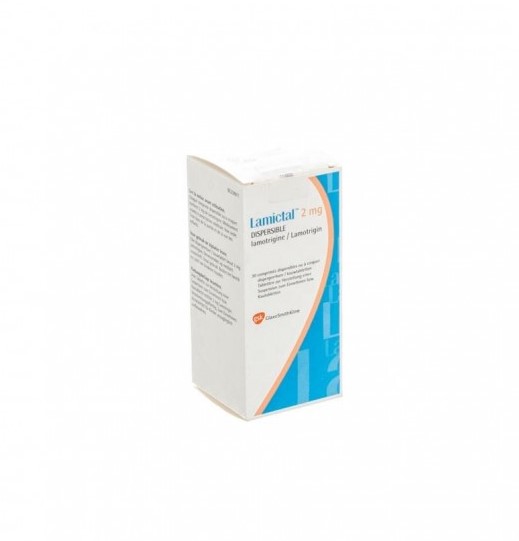
Lamictal (Chewable)
Buy Lamictal Chewable Online


Lamictal Chewable contains lamotrigine in a chewable dispersible tablet form. You can buy Lamictal chewable online, view current pricing, and choose the strength shown during ordering that matches the directions from your clinician. The chewable dispersible form may be swallowed, chewed, or dispersed when the product instructions allow that method.
Lamotrigine is an anticonvulsant medicine used in seizure care and, in some cases, maintenance treatment for bipolar I disorder. The chewable dispersible tablet can be helpful when a tablet that may be chewed or mixed with liquid is preferred over a standard swallow-only tablet. Match the product name, strength, form, and quantity carefully before checkout.
Lamictal Chewable Price and Strength Selection
Lamictal chewable price depends on the tablet form, strength, quantity, and whether the product is brand Lamictal or lamotrigine chewable tablets. A useful Lamictal chewable cost comparison starts with the same dosage form and the same tablet count. Chewable dispersible tablets should not be compared directly with standard tablets, extended-release tablets, orally disintegrating tablets, or bottled liquid products.
Common searches mention Lamictal chewable 25 mg, Lamictal 5 mg chewable, and lamotrigine 25 mg chewable dispersible tablet. Treat those terms as strength identifiers, not dosing instructions. The strength chosen during ordering should match the medicine label or clinician-directed treatment plan, especially because lamotrigine is commonly started and adjusted gradually.
| Attribute | What to match |
|---|---|
| Dosage form | Choose chewable dispersible tablets when that is the intended form. |
| Strength | Match the milligram strength to the treatment directions. |
| Quantity | Review tablet count and refill needs before checkout. |
| Brand or generic | Follow clinician and pharmacy guidance for substitution decisions. |
| Total price | Compare like-for-like strength, form, and quantity. |
Quick tip: Compare equal strengths and equal tablet counts before focusing on the total price.
Cash-pay customers often look at Lamictal chewable cost without insurance. The practical step is to read the current price together with form, strength, and quantity. A lower total may reflect a different tablet count or a different lamotrigine form, so review the medicine identity before submitting order information.
How to Order Lamictal Chewable Tablets Online
To order Lamictal chewable tablets online, choose the chewable dispersible form, select the needed strength if more than one is shown, and enter the requested checkout information. Keep the medicine name and directions nearby so the order matches the intended lamotrigine product. We may review order information when clarification is needed.
If your order involves US delivery from Canada, review the address, quantity, and tablet form before submission. Shipping details should be treated as logistics information, not a reason to change the prescribed medicine form or strength. Delivery timing and supply can vary, so plan refills before tablets run low.
- Form: confirm the tablets are chewable dispersible.
- Strength: match the milligram amount to the directions you were given.
- Quantity: check tablet count and expected refill timing.
- Name: distinguish Lamictal from generic lamotrigine if substitution matters.
- Checkout: review the final medicine, strength, and quantity before payment.
This extra step helps prevent mix-ups between Lamictal chewable tablets and other lamotrigine forms. It also helps maintain continuity if you have been stable on a specific brand, generic manufacturer, or tablet form.
Chewable Dispersible Tablet Form
Lamictal chewable dispersible tablets are oral tablets designed for flexible administration according to product instructions. They may be swallowed whole, chewed, or dispersed in a small amount of liquid when the label allows it. That flexibility is part of the dosage form, not an instruction to alter every lamotrigine tablet.
Lamictal dispersible tablets, Lamictal chewable tablets, and lamotrigine chewable tablets usually refer to this chewable dispersible dosage form. Lamictal oral suspension tablets can also be used to describe tablets for oral suspension, meaning tablets that are dispersed before use. It does not necessarily mean a ready-made bottled liquid is supplied.
Tablet form matters because lamotrigine products can differ in release characteristics and handling instructions. Standard tablets, orally disintegrating tablets, extended-release tablets, and chewable dispersible tablets are not automatically interchangeable. If taste, swallowing, or mixing is a concern, ask a pharmacist how to take the exact tablet form you receive.
Why it matters: Similar names can refer to different release types, handling instructions, or strengths.
What Lamotrigine Treats
Lamotrigine helps reduce abnormal electrical activity in the brain. Depending on the patient, diagnosis, and labeled product, it may be used for certain seizure disorders. It may also be used for maintenance treatment of bipolar I disorder to help delay mood episodes after stabilization.
The chewable dispersible form does not change the active ingredient. It changes how the tablet can be taken. Treatment goals, dose changes, missed-dose plans, and restarting instructions remain clinical decisions, especially because sudden changes can affect seizure control or mood stability.
For condition-based browsing, the epilepsy collection groups medicines connected with seizure care. The bipolar disorder collection provides a separate route for mood-disorder treatment categories. Broader medicine browsing is available through neurology products and mental health products.
How Lamictal Chewable May Be Taken
Official instructions for chewable dispersible lamotrigine tablets allow more than one administration method when appropriate for that product. Tablets may be swallowed whole, chewed, or dispersed in liquid according to the label. Do not assume the same handling instructions apply to every lamotrigine product.
When a tablet is dispersed, follow the product instructions for the amount and type of liquid. The mixture is generally intended to be taken soon after preparation. Do not store a prepared mixture unless the official labeling specifically allows it.
- Swallow whole: use this method only if the tablet instructions allow it.
- Chew: follow with liquid if the instructions recommend doing so.
- Disperse: mix only as directed and take the mixture promptly.
- Do not crush casually: first confirm the exact lamotrigine form.
- Avoid release-type switches: extended-release and immediate-release products differ.
Can Lamictal be chewed? The chewable dispersible tablet form is designed for chewing when taken as directed. Can lamotrigine tablets be crushed? That depends on the exact formulation, so standard or extended-release tablets should not be handled like chewable dispersible tablets without professional confirmation.
Storage, Handling, and Travel
Lamictal chewable tablets are typically stored at room temperature and protected from moisture, heat, and direct light. Keep tablets in their original container when practical. The label, lot number, and medicine name may be important if questions arise after delivery.
These tablets are not usually handled like refrigerated injectable medicines. Even so, avoid damp bathrooms, hot vehicles, and loose storage in unmarked containers. If traveling, keep the labeled medicine container with your regular supplies and protect the tablets from liquids that could damage them.
After arrival, review the package before using the medicine. The product name, active ingredient, strength, tablet form, and quantity should match what you intended to order. If something looks different from your expected Lamictal chewable or lamotrigine chewable tablet, clarify it before taking a dose.
Side Effects, Warnings, and Monitoring
Lamictal carries a boxed warning for serious skin rashes, including Stevens-Johnson syndrome and toxic epidermal necrolysis. These reactions can be life-threatening and may require hospitalization. Rash, blistering, peeling skin, mouth sores, fever, facial swelling, swollen glands, or widespread skin pain need urgent medical attention.
The risk of serious rash can be higher with certain starting doses, rapid dose increases, and use with valproate. Restarting lamotrigine after missed days may require special instructions. Do not restart or increase lamotrigine on your own after an interruption.
Other important safety concerns include serious allergic reactions, drug reaction with eosinophilia and systemic symptoms, blood problems, aseptic meningitis, and changes in mood or behavior. Anticonvulsant medicines may be associated with suicidal thoughts or actions in some people. New or worsening depression, agitation, unusual behavior, or self-harm thoughts should be addressed immediately.
Commonly discussed side effects can include dizziness, headache, blurred or double vision, nausea, vomiting, sleepiness, and coordination problems. Side effects may be more likely during dose changes or when interacting medicines are added or stopped. Report symptoms that are severe, persistent, or different from your usual experience.
| Interaction or factor | Why it matters |
|---|---|
| Valproate | Can raise lamotrigine levels and may increase serious rash risk. |
| Carbamazepine, phenytoin, phenobarbital, primidone | May lower lamotrigine levels and affect the treatment plan. |
| Estrogen-containing contraceptives | Can change lamotrigine levels when started, stopped, or cycled. |
| Liver or kidney concerns | May affect monitoring and dose planning. |
| Pregnancy or breastfeeding | Requires individualized review of risks, benefits, and monitoring. |
Tell your care team about prescription medicines, nonprescription products, supplements, and recent medication changes. This is especially important when starting lamotrigine, switching forms, adding valproate, changing hormonal contraceptives, or restarting after an interruption.
Brand, Generic, and Related Choices
Lamictal is the brand name for lamotrigine. Generic lamotrigine chewable tablets may be available depending on the market and supply. Brand and generic products can differ in appearance, inactive ingredients, taste, and available strengths, while clinical substitution decisions should follow professional guidance.
If the intended medicine is a standard swallow tablet rather than a chewable dispersible tablet, the separate Lamictal tablets product may be more relevant. Do not treat standard tablets and chewable dispersible tablets as the same form without confirmation. Release type and administration method can affect safe use.
Educational reading in neurology articles can help you prepare questions about seizure medicines, while mental health articles may support conversations about mood maintenance treatment. These articles are not a substitute for individualized medical advice, but they can help organize practical questions about lamotrigine use, monitoring, and side effects.
Authoritative Sources
The following official sources support key safety, administration, and labeled-use information for Lamictal chewable dispersible tablets.
Use official labeling and clinician guidance for questions about starting, stopping, switching, or restarting lamotrigine. Safety instructions are especially important when a rash appears, interacting medicines change, or the tablet form differs from what you have used before.
This content is for informational purposes only and is not a substitute for professional medical advice.
Express Shipping - from $29.99
Shipping with this method takes 3-5 days
Prices:
- Dry-Packed Products $29.99
- Cold-Packed Products $39.99
Standard Shipping - $19.99
Shipping with this method takes 5-10 days
Prices:
- Dry-Packed Products $19.99
- Not available for Cold-Packed products
What are Lamictal chewable tablets used for?
Lamictal chewable tablets contain lamotrigine, an anticonvulsant used in seizure care and, in some cases, maintenance treatment for bipolar I disorder. The exact reason for use should follow the clinician-directed treatment plan.
Can Lamictal chewable tablets be swallowed or mixed with liquid?
Chewable dispersible Lamictal tablets may be swallowed whole, chewed, or dispersed when the product instructions allow it. Follow the directions for the exact tablet form, because other lamotrigine tablets may have different handling rules.
What affects Lamictal chewable price?
Price can vary by brand or generic product, tablet strength, quantity, and dosage form. Compare the same strength, tablet count, and chewable dispersible form when evaluating Lamictal chewable cost.
Is Lamictal chewable the same as regular Lamictal tablets?
No. Lamictal chewable dispersible tablets and standard Lamictal tablets contain lamotrigine, but the dosage form and administration instructions can differ. Do not switch forms unless a clinician or pharmacist confirms the change is appropriate.
What serious side effect should I watch for with Lamictal?
Lamictal has a boxed warning for serious skin rashes, including Stevens-Johnson syndrome and toxic epidermal necrolysis. Seek urgent medical care for rash with blistering, peeling skin, mouth sores, fever, facial swelling, or swollen glands.
Rewards Program
Earn points on birthdays, product orders, reviews, friend referrals, and more! Enjoy your medication at unparalleled discounts while reaping rewards for every step you take with us.
You can read more about rewards here.
POINT VALUE
How to earn points
- 1Create an account and start earning.
- 2Earn points every time you shop or perform certain actions.
- 3Redeem points for exclusive discounts.
You Might Also Like
Select options
This product has multiple variants. The options may be chosen on the product page
Select options
This product has multiple variants. The options may be chosen on the product page
Select options
This product has multiple variants. The options may be chosen on the product page
Select options
This product has multiple variants. The options may be chosen on the product page