
Please note: a valid prescription is required for all prescription medication.
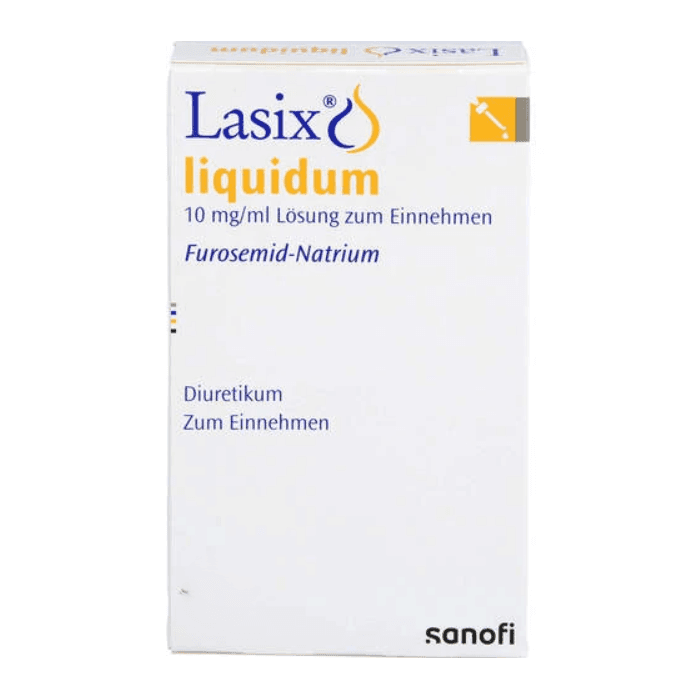
Lasix
Lasix Uses, Dosage Basics, and Safety
Price:
$75.99
You save


Lasix is a brand name for furosemide, a prescription loop diuretic (water pill) used to reduce excess fluid and help lower blood pressure. People searching buy lasix online often want clear, label-aligned information on what it treats and how it is typically monitored. This page summarizes uses, dosage basics, safety considerations, and practical handling.
What Lasix Is and How It Works
Lasix (furosemide) is a loop diuretic that increases urine output by reducing sodium and chloride reabsorption in the kidney’s loop of Henle. CanadianInsulin provides prescription referral support and may confirm details with your prescriber. As the kidneys excrete more salt, water follows, which can reduce swelling (edema) and lower blood pressure in some people.
Some patients explore Ships from Canada to US when cross-border fulfilment is permitted. In clinical use, the treatment is commonly discussed in terms of fluid balance, symptoms (such as shortness of breath from congestion), and objective measures like daily weight trends. The medication does not “remove” the cause of fluid buildup; it helps manage the volume overload that can occur with conditions affecting the heart, kidneys, or liver.
The diuretic effect can also change key electrolytes, including potassium, sodium, and magnesium, and it can influence kidney function tests. That is why clinicians often pair symptom checks with periodic labs and blood pressure readings. Dispensing and fulfillment, where permitted, are handled by licensed third-party pharmacies. Understanding what the medicine is doing physiologically helps explain why monitoring is part of routine care.
Who It’s For
Lasix is prescribed for edema due to conditions such as heart failure, liver disease, or kidney disorders, and it may also be used to treat hypertension (high blood pressure). For site navigation related to these indications, you can browse the Edema Hub or the Heart Failure Hub for condition-focused lists of relevant therapies. Use and treatment goals vary based on the underlying diagnosis and the person’s overall health.
This medicine is not appropriate for everyone. A key contraindication on labeling is anuria (not making urine), because the drug cannot produce its intended effect in that setting and may increase risk. Clinicians also use caution in people with significant dehydration, severe electrolyte depletion, or a history of hypersensitivity reactions to furosemide. If hypertension is the main concern, the High Blood Pressure Hub can help you understand how diuretics fit among other medication classes.
Dosage and Usage
Dosing for Lasix is individualized and depends on why it is prescribed (for example, edema versus blood pressure), kidney function, and response over time. Clinicians may start with a lower dose and adjust based on changes in symptoms, blood pressure, and lab results. For oral dosing, schedules are often arranged to balance fluid control with daily activities, since increased urination is expected.
Quick tip: If a dose causes frequent urination, taking it earlier in the day may reduce overnight disruption.
If you are comparing options to buy lasix online, keep in mind that the “right” regimen is not defined by a single standard dose. It is usually defined by measurable goals such as reduced swelling, stable blood pressure, and safe electrolyte levels. Do not change the dose or add extra doses without clinician guidance. If a dose is missed, follow the instructions on the prescription label; doubling up can increase the risk of low blood pressure and electrolyte shifts.
People with diabetes may have overlapping blood pressure goals and kidney considerations. For background reading on common co-management issues, see Diabetes And Hypertension.
Strengths and Forms
Lasix is available in multiple dosage forms, including oral tablets and, in some settings, oral solution or injectable formulations. Common tablet strengths for furosemide include 20 mg, 40 mg, and 80 mg, though availability can vary by manufacturer and jurisdiction. Your prescription will specify the form and strength, and substitutions may occur when a generic equivalent is used, depending on local dispensing rules.
When people look up buy lasix online, they may also see references to different strengths and package sizes. The important practical point is to confirm that the tablets (or other form) match the prescribed strength and directions each time they are dispensed. If the tablet appearance changes, a pharmacist can verify whether it is an equivalent product from a different manufacturer.
Storage and Travel Basics
Store Lasix according to the label instructions for the specific form you have. Tablets are commonly kept at controlled room temperature in a dry place, protected from excess heat and moisture. Keep the medication in its original container when possible, especially during travel, to reduce mix-ups and to retain the dispensing label with directions.
Travel planning should account for the medicine’s predictable effect on urination and the risk of dehydration. If you have conditions that affect thirst or fluid balance, discuss a travel plan with a clinician. For general health context on hydration challenges, the resource Diabetes And Dehydration reviews factors that can contribute to low fluid status. If you use a liquid form, check whether light exposure limits apply, and use a proper measuring device rather than a kitchen spoon.
Side Effects and Safety
Because Lasix increases fluid and salt excretion, common effects include more frequent urination, thirst, lightheadedness, and changes in blood pressure. Some people notice muscle cramps or weakness, which can be related to electrolyte shifts (such as low potassium). Sun sensitivity and gastrointestinal upset can also occur. Many effects are dose-related, and clinicians often manage them by reassessing the dosing schedule, checking labs, or adjusting other medications that influence electrolytes.
Why it matters: Symptoms like confusion, fainting, or severe weakness can signal urgent electrolyte problems.
Serious risks can include dehydration, significant low blood pressure, kidney function worsening, and severe electrolyte disturbances (such as hyponatremia (low sodium) or hypokalemia (low potassium)). Rarely, hearing-related effects have been reported, particularly with high doses or rapid intravenous administration in hospital settings. If you are reviewing information tied to buy lasix online searches, prioritize safety signals over anecdotal dosing advice, and use the prescribing information as the reference for when to seek urgent evaluation.
Swelling can have several causes, and worsening edema or shortness of breath should not be self-managed by increasing doses. If leg swelling is a recurring concern in diabetes, the article Swollen Feet And Legs provides symptom context that can help with clinician discussions.
Drug Interactions and Cautions
Lasix can interact with other medicines that affect kidney blood flow, blood pressure, or electrolytes. NSAIDs (nonsteroidal anti-inflammatory drugs) may reduce diuretic effect and can add kidney stress in susceptible people. Lithium levels can rise with diuretics, increasing toxicity risk. Digoxin toxicity risk may increase if potassium becomes low. Some antibiotics (such as aminoglycosides) and other potentially ototoxic drugs may raise concern for hearing-related adverse effects, especially in higher-risk settings.
When researching buy lasix online, it is also important to consider non-prescription products. Herbal “water pills,” stimulant laxatives, and high-dose supplements can increase the chance of dehydration or electrolyte imbalance. Alcohol can worsen dizziness. People with gout or high uric acid may need extra monitoring because diuretics can raise uric acid in some cases. Always share an updated medication list, including OTC pain relievers and supplements, so a clinician or pharmacist can screen for interactions.
Compare With Alternatives
Lasix is one of several loop diuretics; other options in the same class include bumetanide and torsemide. Clinicians may choose among them based on duration of effect, absorption differences, kidney function, and practical response in a given person. Thiazide-type diuretics (such as hydrochlorothiazide or chlorthalidone) are often used for hypertension, while potassium-sparing diuretics (such as spironolactone) may be used when potassium preservation is needed or for specific indications.
If you are evaluating buy lasix online information side-by-side with alternatives, focus on the clinical reason the drug is being used and how it is monitored. Educational hubs such as Cardiovascular Articles and Nephrology Articles can provide broader context on comorbidities that influence diuretic selection. For browsing related medication classes, see the Cardiovascular Products list, which groups therapies by category rather than by a single condition.
Pricing and Access
Lasix requires a valid prescription. Access can depend on the prescribed form (tablet versus other formulations), the strength, and whether a generic is appropriate for the prescription. Insurance coverage and prior authorization rules vary by plan, and patients sometimes review cash-pay considerations when coverage is limited. If you are without insurance, documentation such as a current prescription and prescriber details still determines what can be dispensed under applicable regulations.
Cross-border fulfillment may be an option depending on eligibility and jurisdiction. Depending on the medication and location, prescription details may need to be verified with the prescriber before referral processing can be completed. In addition, some people comparing buy lasix online options look for stable educational information about programs and updates; CanadianInsulin maintains a general information page at Promotions Page. For users managing multiple cardiovascular or kidney-related medicines, the Nephrology Products hub can help organize comparable therapy categories during discussions with a care team.
Be cautious with sources that suggest dose changes based on symptoms alone. Safe use usually depends on periodic blood pressure checks and lab monitoring, especially when other medications also affect kidney function or electrolytes. Any change in swelling pattern, shortness of breath, confusion, fainting, or reduced urine output warrants prompt clinical assessment rather than self-adjustment.
Authoritative Sources
U.S. labeling, contraindications, and adverse reactions are summarized on DailyMed Furosemide Search Results.
Patient-friendly safety and interaction information is provided by MedlinePlus Furosemide.
Where permitted, fulfillment partners may use prompt, express, cold-chain shipping for medication handling.
This content is for informational purposes only and is not a substitute for professional medical advice.
Express Shipping - from $25.00
Shipping with this method takes 3-5 days
Prices:
- Dry-Packed Products $25.00
- Cold-Packed Products $35.00
Standard Shipping - $15.00
Shipping with this method takes 5-10 days
Prices:
- Dry-Packed Products $15.00
- Not available for Cold-Packed products
What is Lasix used for?
Lasix (furosemide) is a loop diuretic prescribed to reduce fluid buildup (edema) and, in some cases, to help manage high blood pressure. Edema can be related to conditions such as heart failure, kidney disease, or liver disease. By increasing salt and water excretion in the urine, the medication can reduce swelling in areas like the legs and may ease symptoms related to fluid overload. The specific reason for use and the monitoring plan should come from the prescriber, based on the underlying condition and lab results.
How quickly does Lasix start working?
How quickly Lasix works depends on the form (oral versus injectable), the dose, kidney function, and the condition being treated. With oral tablets, increased urination may begin within hours, while effects can be quicker in hospital settings when intravenous dosing is used. The clinical goal is usually a safe change in fluid status over time, not a fixed speed of action. If symptoms worsen or urine output drops significantly, that should be assessed by a clinician rather than managed by taking extra doses.
What labs and measurements are commonly monitored with furosemide?
Clinicians often monitor electrolytes and kidney function when someone is taking furosemide. Common labs include potassium, sodium, magnesium, and creatinine (used to assess kidney function). Blood pressure readings are also important because diuretics can lower pressure and cause dizziness or fainting in some people. For edema, daily weights and symptom tracking (such as swelling or shortness of breath) may be used to evaluate response. The frequency of checks varies by health status, other medications, and recent dose changes.
What are warning signs of dehydration or electrolyte imbalance?
Possible dehydration or electrolyte imbalance symptoms include unusual thirst, dry mouth, dizziness when standing, muscle cramps, weakness, confusion, or a rapid heartbeat. Very low blood pressure can cause fainting. Severe electrolyte problems can be serious and require urgent evaluation, especially if there is confusion, chest discomfort, or inability to keep fluids down. Because some symptoms overlap with other conditions, it is safer to treat these as clinical warning signs rather than assuming they are expected side effects. A clinician can determine whether labs or medication adjustments are needed.
Can Lasix affect blood sugar or gout?
Lasix can affect certain metabolic markers in some people. Diuretics may increase uric acid levels, which can worsen gout in susceptible individuals. Changes in blood sugar control have also been reported with some diuretics, especially in people who already have diabetes or prediabetes. These risks are not the same for everyone and depend on dose, overall health, and other medicines. If you have a history of gout, kidney disease, or diabetes, it is reasonable to ask how monitoring will be handled and what symptoms should prompt follow-up.
What should I tell my clinician before starting Lasix?
Share your full medication list, including over-the-counter NSAIDs, supplements, and any “water pill” products. Mention kidney or liver disease, gout, hearing problems, and any prior reactions to sulfonamide-related drugs, since furosemide is a sulfonamide derivative. Also describe typical blood pressure readings, recent changes in swelling or shortness of breath, and whether you have had dehydration episodes. Ask what lab tests are planned, how to track fluid status (for example, daily weights), and what specific symptoms should trigger urgent care.
How should I store Lasix and carry it when traveling?
Storage depends on the form you have, so follow the label directions for tablets, liquid, or other formulations. In general, keep medications at controlled room temperature and protect them from excess heat, humidity, and direct light. When traveling, keep Lasix in the original container with the prescription label to reduce mix-ups and to support verification if needed. Plan for the medication’s diuretic effect by having restroom access and staying alert for dehydration symptoms. If you use a liquid formulation, use an appropriate measuring device.
Rewards Program
Earn points on birthdays, product orders, reviews, friend referrals, and more! Enjoy your medication at unparalleled discounts while reaping rewards for every step you take with us.
You can read more about rewards here.
POINT VALUE
How to earn points
- 1Create an account and start earning.
- 2Earn points every time you shop or perform certain actions.
- 3Redeem points for exclusive discounts.
You Might Also Like
Select options
This product has multiple variants. The options may be chosen on the product page
Select options
This product has multiple variants. The options may be chosen on the product page
Select options
This product has multiple variants. The options may be chosen on the product page
Select options
This product has multiple variants. The options may be chosen on the product page
Related Articles
Type 2 Diabetes,
Oral Wegovy Explained: Facts, Risks, and Access Options
The phrase oral wegovy is best understood as a search term, not a settled product name. Most people use it to mean a pill version of semaglutide for weight management,…
Diabetes, General Health,
Glp-1 Drugs Over The Counter: What’s Real And What’s Not
Key Takeaways Prescription GLP-1 medicines are not sold as true OTC drugs. Many “GLP-1” supplements aim to support fullness, not mimic prescriptions. Online “no prescription” offers raise counterfeit and quality…
Diabetes, Type 2
GLP-1 Cost Without Insurance: Compare Cash-Pay Options
Key Takeaways Many people searching for glp-1 cost without insurance are trying to plan for a long-term expense. The total can change based on the drug, the pharmacy, and how…
Cardiovascular, Diabetes, Nephrology,
SGLT2 Inhibitors Drugs: Names, Uses, And Safety Notes
Key Takeaways They lower glucose by increasing urinary sugar loss. Common options include dapagliflozin, empagliflozin, canagliflozin, and ertugliflozin. Some products combine an SGLT2 inhibitor with metformin. Risks include dehydration and…